Bragard Claude, Baptista Paula, Chatzivassiliou Elisavet, Gonthier Paolo, Jaques Miret Josep Anton, Justesen Annemarie Fejer, MacLeod Alan, Magnusson Christer Sven, Milonas Panagiotis, Navas-Cortes Juan A, Parnell Stephen, Potting Roel, Reignault Philippe Lucien, Stefani Emilio, Thulke Hans-Hermann, Van der Werf Wopke, Civera Antonio Vicent, Zappalà Lucia, Lucchi Andrea, Gómez Pedro, Urek Gregor, Bernardo Umberto, Bubici Giovanni, Carluccio Anna Vittoria, Chiumenti Michela, Di Serio Francesco, Fanelli Elena, Gardi Ciro, Marzachì Cristina, Mosbach-Schulz Olaf, Yuen Jonathan
EFSA J. 2022 May 5;20(5):e07301. doi: 10.2903/j.efsa.2022.7301. eCollection 2022 May.
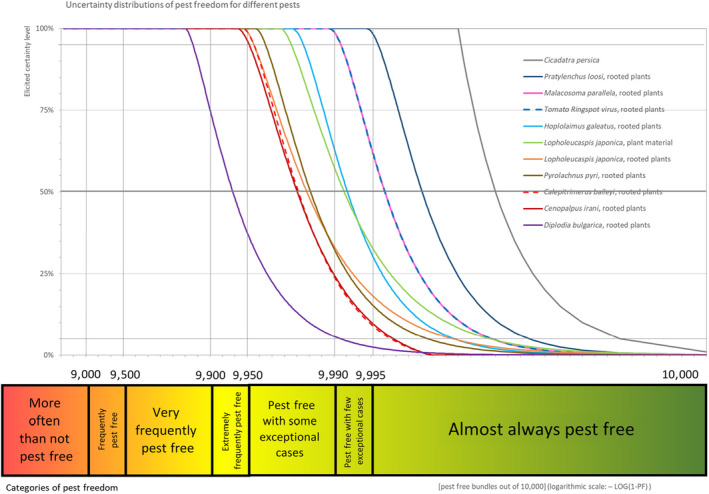
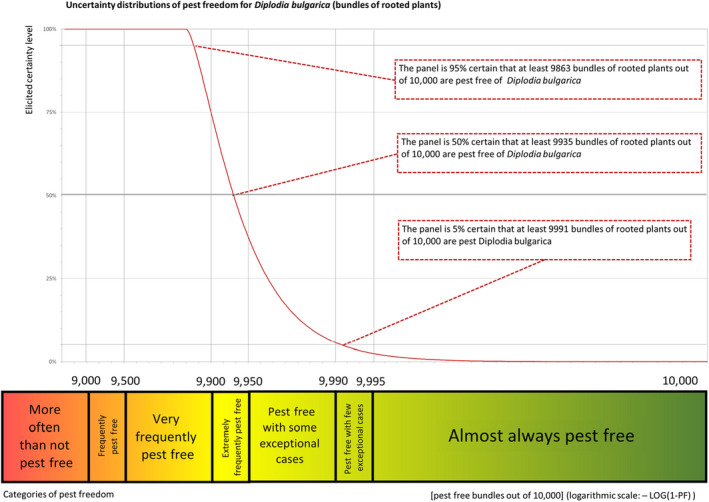
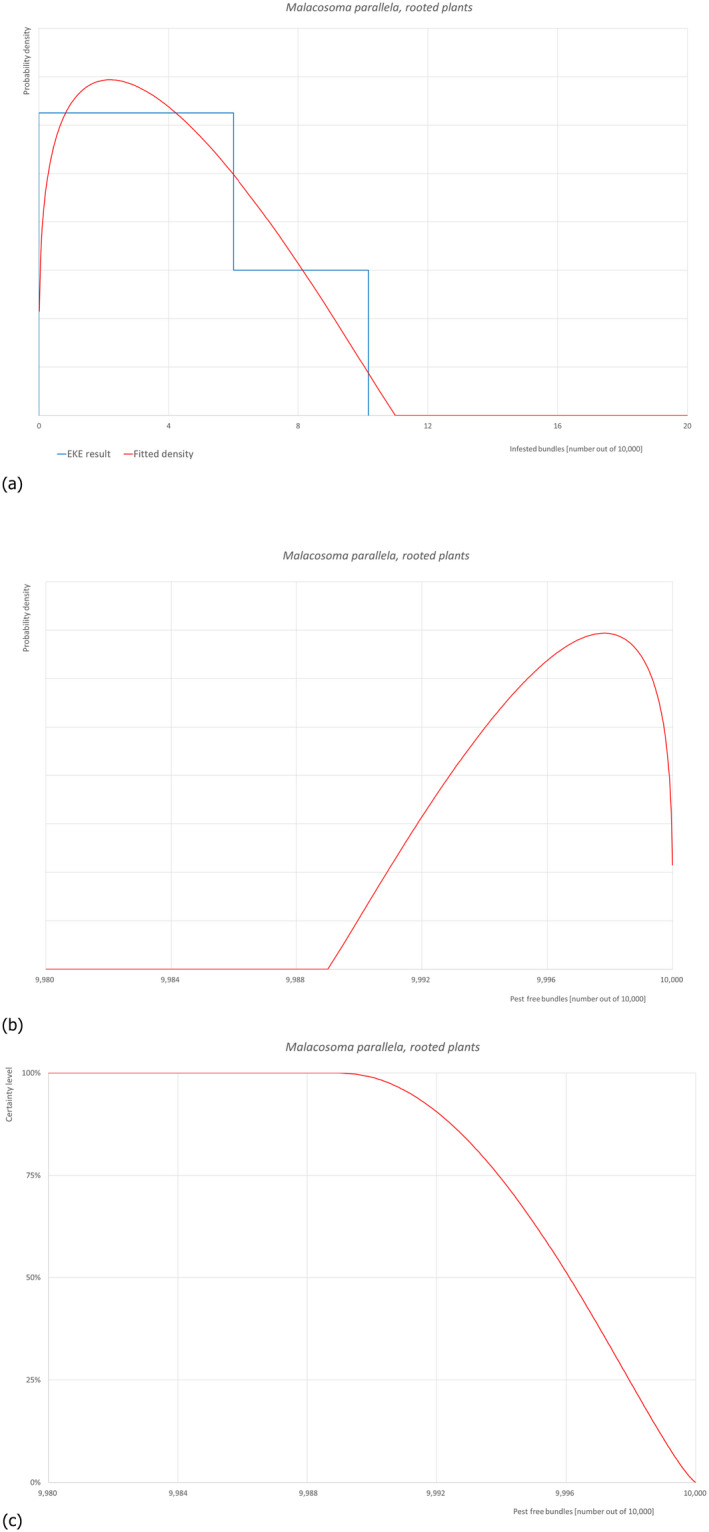
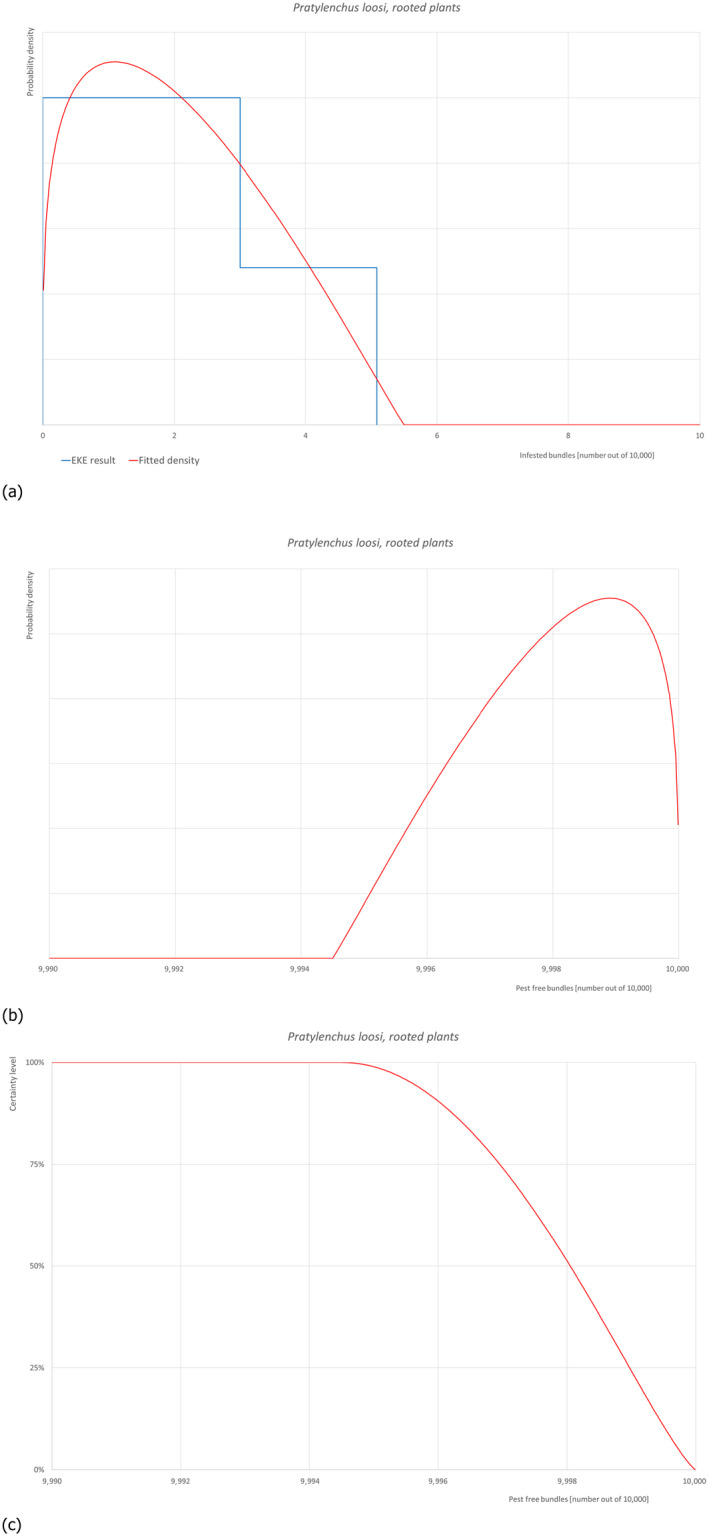
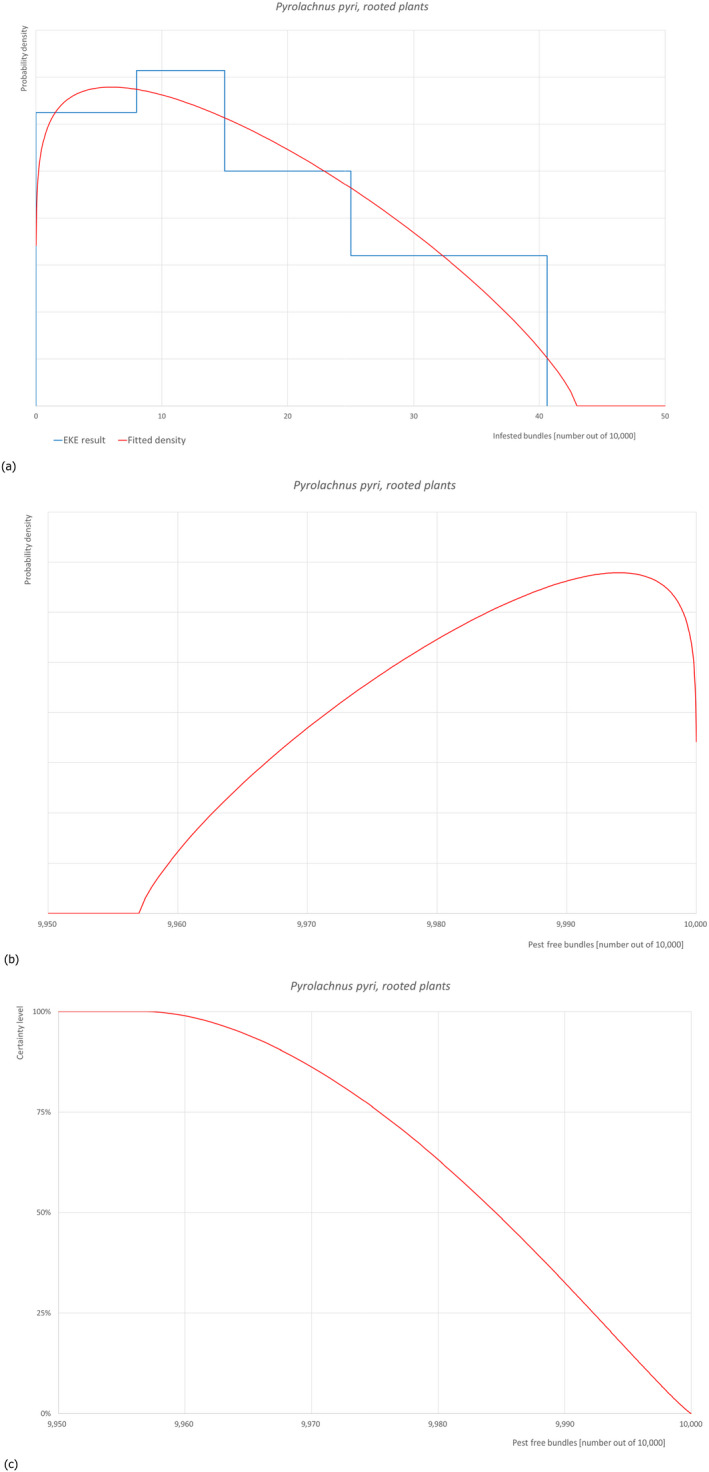
The European Commission requested the EFSA Panel on Plant Health to prepare and deliver risk assessments for commodities listed in Commission Implementing Regulation (EU) 2018/2019 as 'High risk plants, plant products and other objects'. This Scientific Opinion covers plant health risks posed by dormant grafted plants, rootstocks, budwood and scions of imported from Turkey, taking into account the available scientific information, including the technical information provided by Turkey. All pests associated with the commodities were evaluated against specific criteria for their relevance for this opinion. Three quarantine pests (, and tomato ringspot virus), one protected zone quarantine pest () and eight non-regulated pests () that fulfilled all relevant criteria were selected for further evaluation. For special requirements are specified in Commission Implementing Regulation (EU) 2019/2072. Based on the information provided in the dossier, the specific requirements for were not met. For , special measures are specified in Commission Implementing Decision (EU) 2012/138. The exporting country does meet the requirement for a certificate regarding plants for planting that originate from Turkish provinces other than Istanbul. For the 10 remaining selected pests, the risk mitigation measures proposed in the technical dossier from Turkey were evaluated taking into account the possible limiting factors. For the selected pests an expert judgement is given on the likelihood of pest freedom taking into consideration the risk mitigation measures acting on the pest, including uncertainties associated with the assessment. The degree of pest freedom varies among the pests evaluated, with being the pest most frequently expected on the imported plants. The expert knowledge elicitation indicated with 95% certainty that between 9,863 and 10,000 bundles (consisting of 10 or 25 plants each) per 10,000 would be free from .
欧盟委员会要求欧洲食品安全局植物健康小组对欧盟委员会实施条例(EU)2018/2019中列为“高风险植物、植物产品及其他物品”的商品进行风险评估并提交报告。本科学意见涵盖从土耳其进口的休眠嫁接植物、砧木、接穗和芽条所带来的植物健康风险,评估时考虑了现有科学信息,包括土耳其提供的技术信息。针对与这些商品相关的所有有害生物,依据与本意见相关的特定标准进行了评估。挑选出三种检疫性有害生物([具体有害生物名称1]、[具体有害生物名称2]和番茄环斑病毒)、一种保护区检疫性有害生物([具体有害生物名称3])以及八种满足所有相关标准的非管制性有害生物([具体有害生物名称4 - 11])进行进一步评估。对于[具体有害生物名称1],欧盟委员会实施条例(EU)2019/2072规定了特殊要求。根据档案中提供的信息,未满足[具体有害生物名称1]的特定要求。对于[具体有害生物名称2],欧盟委员会实施决定(EU)2012/138规定了特殊措施。出口国符合关于源自土耳其除伊斯坦布尔以外省份的种植用植物证书的要求。对于其余10种选定的有害生物,考虑到可能的限制因素,对土耳其技术档案中提出的风险缓解措施进行了评估。对于选定的有害生物,在考虑作用于有害生物的风险缓解措施(包括评估相关的不确定性)的情况下,给出了关于有害生物不存在可能性的专家判断。在所评估的有害生物中,有害生物不存在的程度各不相同,[具体有害生物名称1]是进口植物上最常预期出现的有害生物。专家知识启发法表明,每10000个中,有95%的确定性认为9863至10000捆(每捆由10株或25株植物组成)将不存在[具体有害生物名称1]。