Li Pei-Ying, Liang Yu-Chia, Sheu Ming-Jyh, Huang Shyh-Shyun, Chao Che-Yi, Kuo Yueh-Hsiung, Huang Guan-Jhong
School of Pharmacy, College of Pharmacy, China Medical University Taichung 40402 Taiwan.
Department of Chinese Pharmaceutical Sciences and Chinese Medicine Resources, College of Chinese Medicine, China Medical University Taichung 40402 Taiwan
RSC Adv. 2018 Sep 7;8(55):31515-31528. doi: 10.1039/c8ra04098b. eCollection 2018 Sep 5.
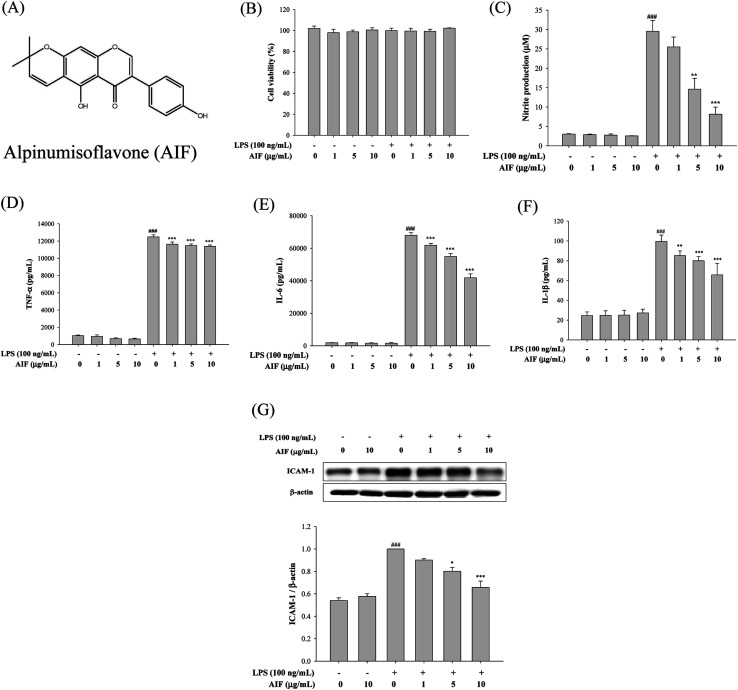
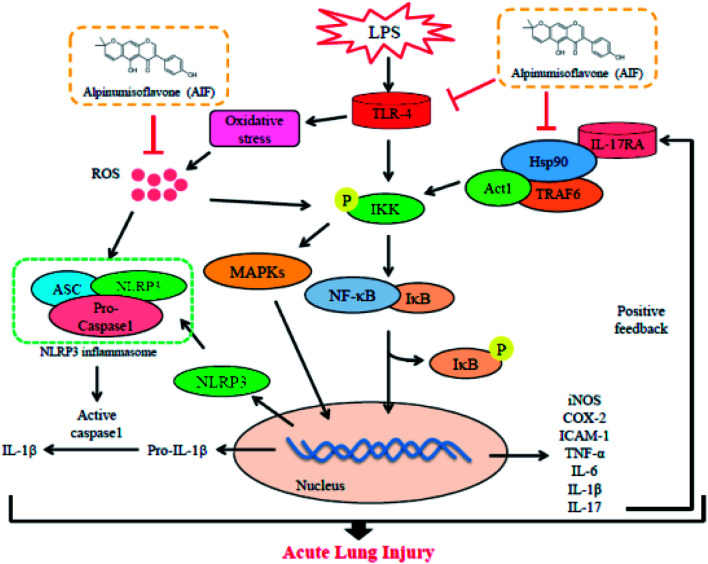
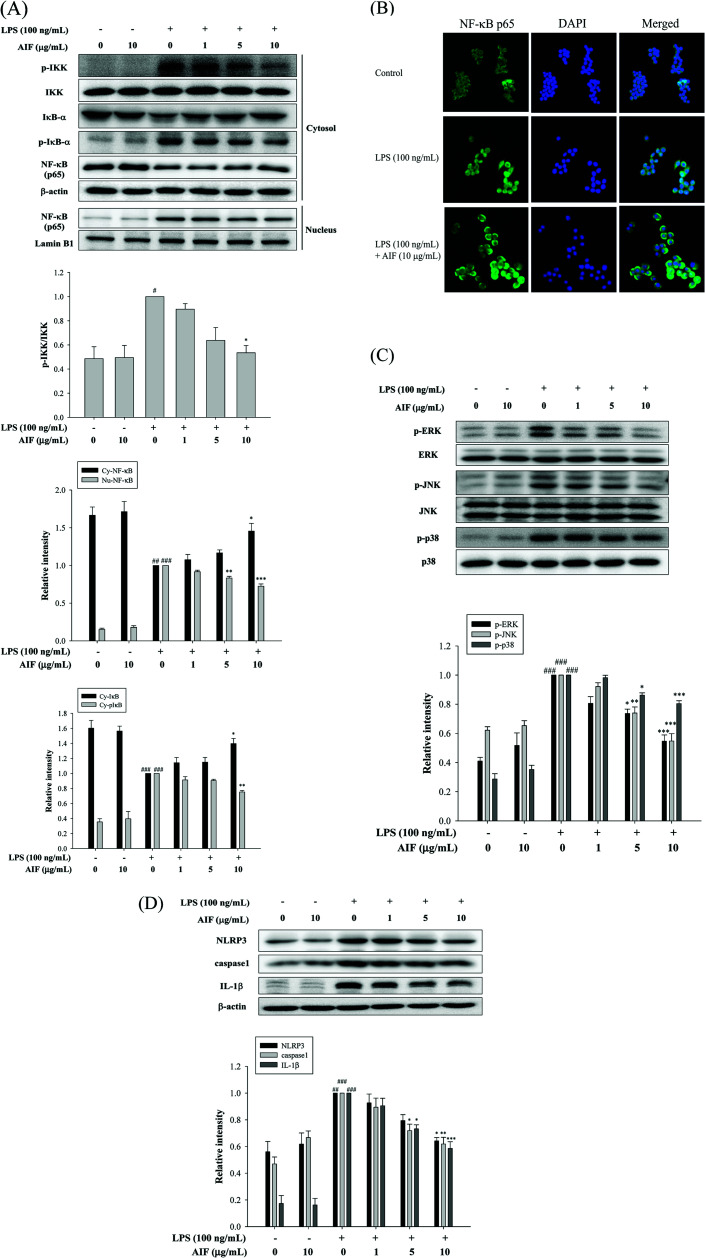
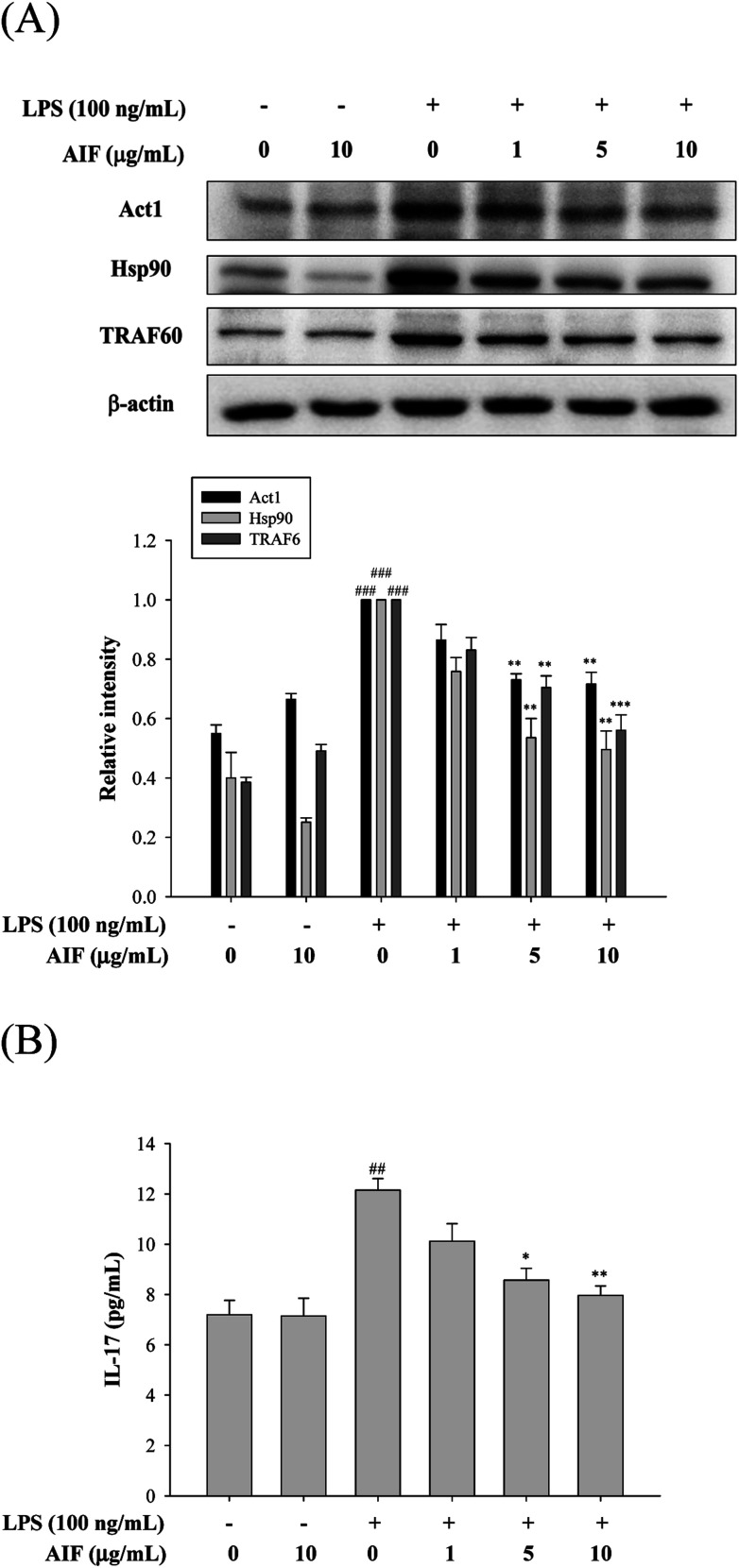
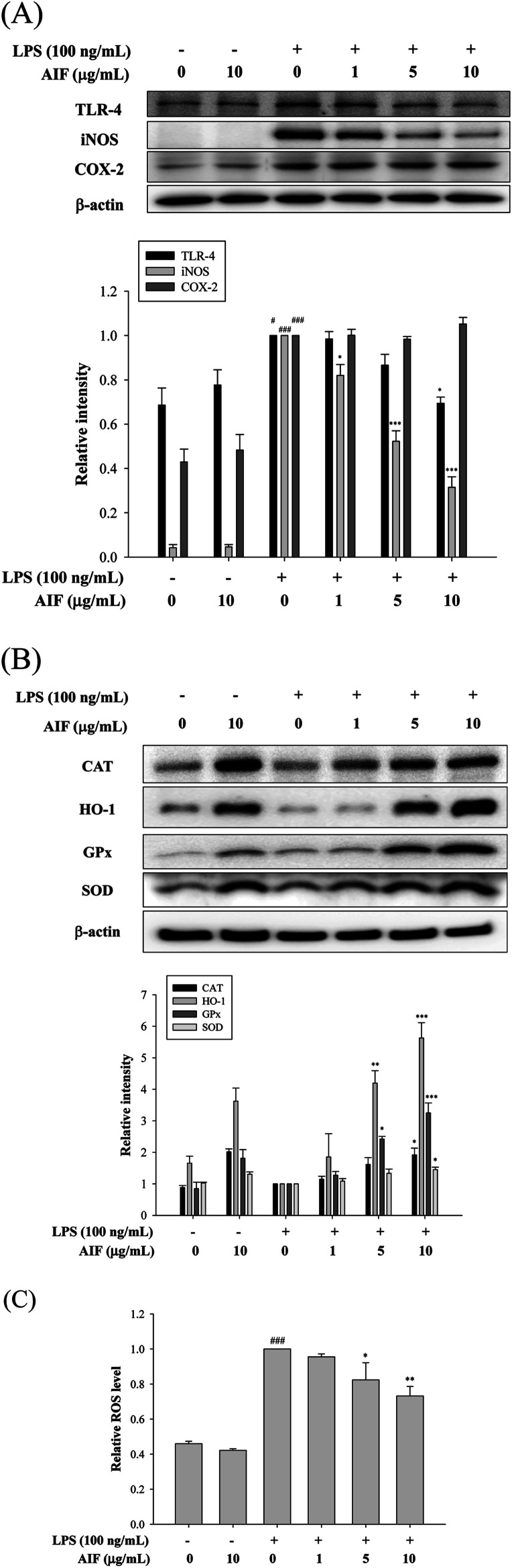
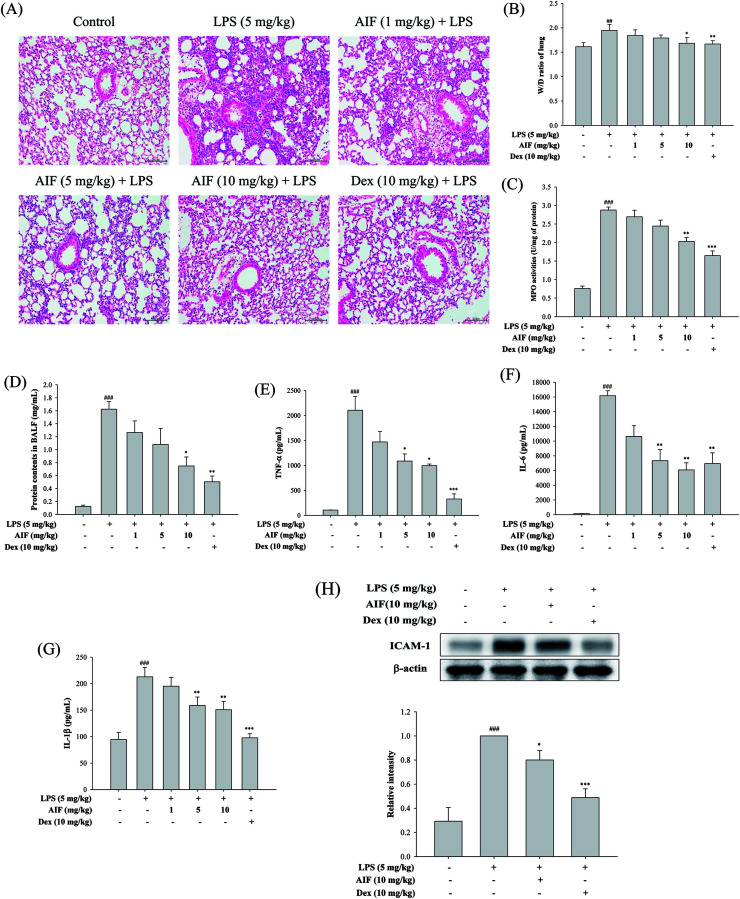
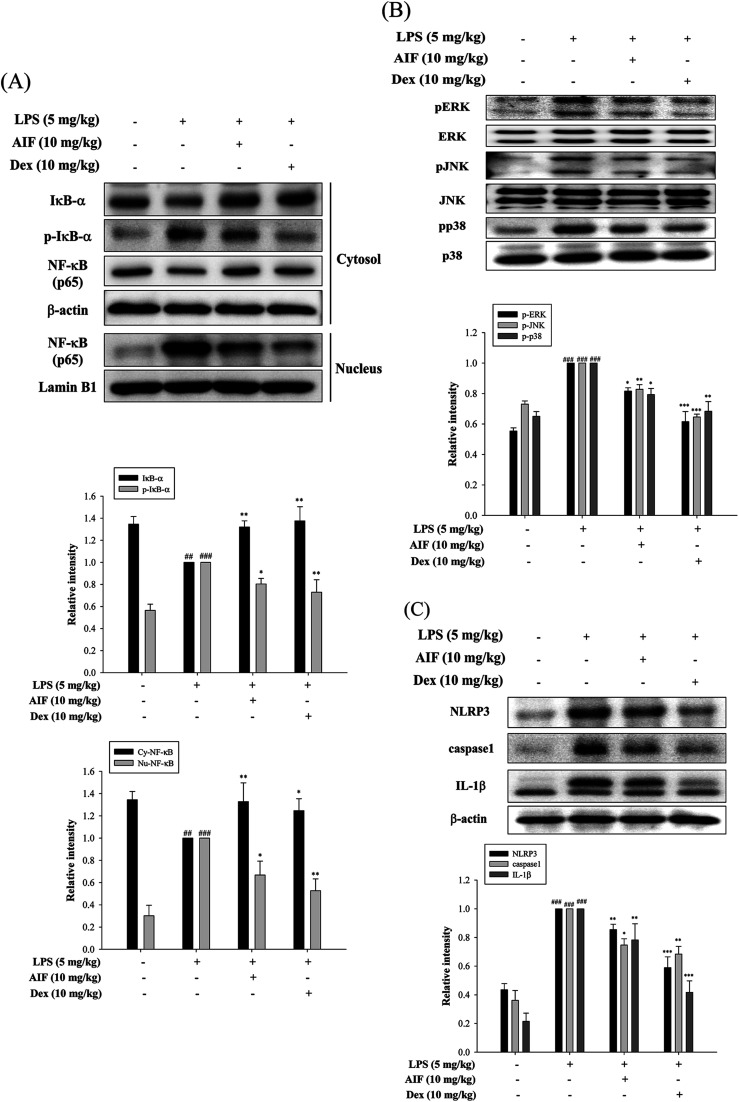
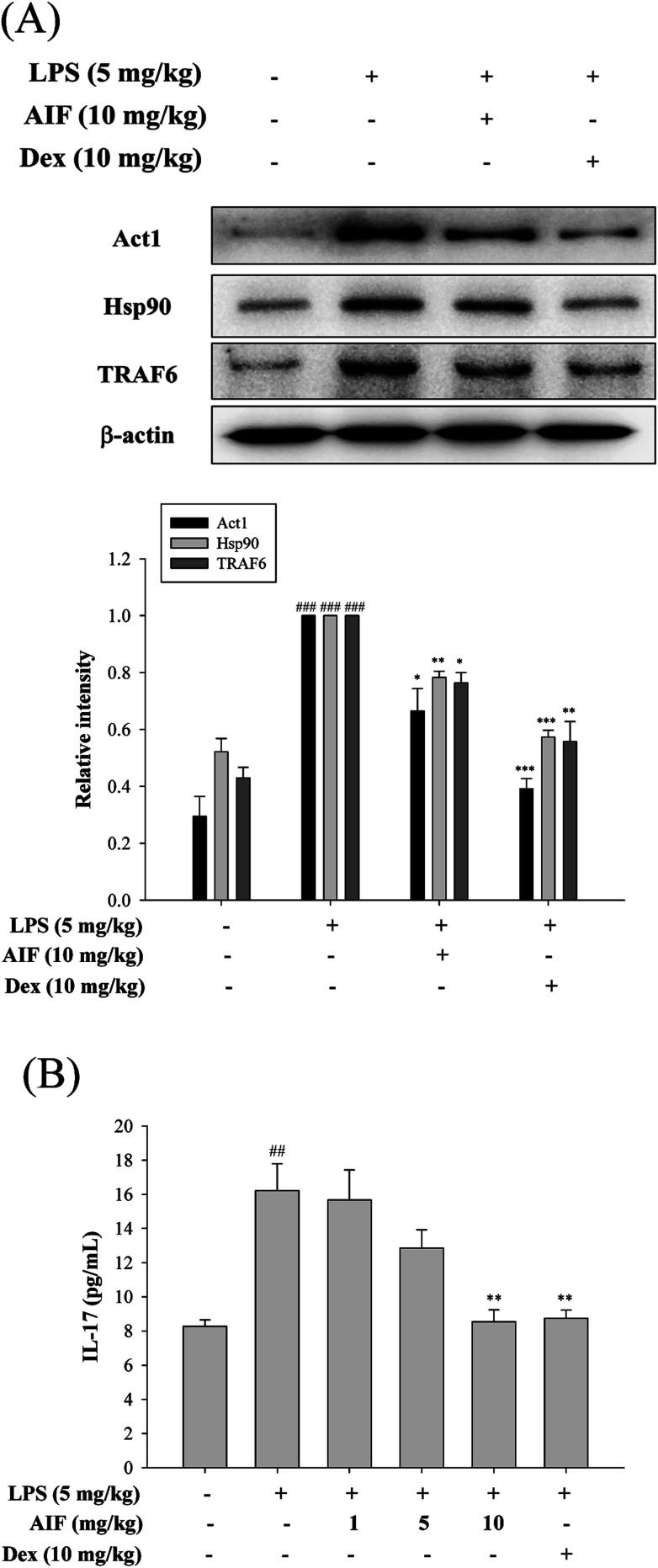
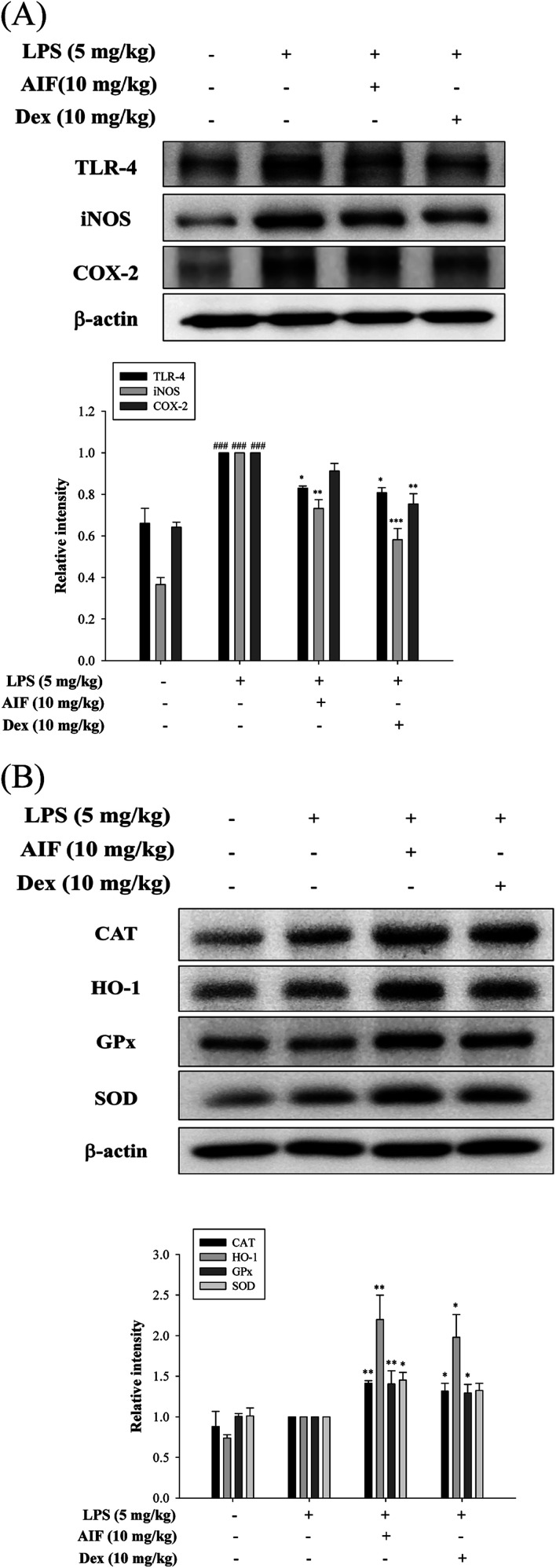
Alpinumisoflavone (AIF) is a plant-derived pyranoisoflavone that exhibits a number of pharmacological activities, but the protective effects of AIF against pulmonary inflammation are still unknown. This study aimed to investigate the anti-inflammatory effects and possible molecular mechanisms of AIF in both lipopolysaccharide (LPS)-stimulated macrophages and mice. The results revealed that AIF dramatically suppressed the production of pro-inflammatory mediators [including tumor necrosis factor (TNF)-α, interleukin (IL)-6, IL-1β, IL-17, intercellular adhesion molecule-1 (ICAM-1), and nitric oxide (NO)] and increased the levels of anti-oxidative enzymes [including catalase (CAT), heme oxygenase-1 (HO-1), glutathione peroxidase (GPx), and superoxide dismutase (SOD)] both and . Additionally, pre-treatment with AIF could not only significantly prevent histopathological changes and neutrophil infiltration but also decreased the expression levels of nuclear factor-kappa B (NF-κB), mitogen-activated protein kinases (MAPKs), and the nucleotide-binding domain-like receptor protein 3 (NLRP3) inflammasome, as well as IL-17 production in LPS-induced lung tissues. The anti-inflammatory effects of AIF were mediated by up-regulating anti-oxidative enzymes and suppressing the NF-κB, MAPK, NLRP3 inflammasome and IL-17 signaling pathways. This is the first study to reveal that AIF has a protective effect against LPS-induced lung injury in mice.
高山槐黄酮(AIF)是一种植物来源的吡喃异黄酮,具有多种药理活性,但AIF对肺部炎症的保护作用仍不清楚。本研究旨在探讨AIF在脂多糖(LPS)刺激的巨噬细胞和小鼠中的抗炎作用及可能的分子机制。结果显示,AIF显著抑制促炎介质[包括肿瘤坏死因子(TNF)-α、白细胞介素(IL)-6、IL-1β、IL-17、细胞间黏附分子-1(ICAM-1)和一氧化氮(NO)]的产生,并提高抗氧化酶[包括过氧化氢酶(CAT)、血红素加氧酶-1(HO-1)、谷胱甘肽过氧化物酶(GPx)和超氧化物歧化酶(SOD)]的水平。此外,AIF预处理不仅能显著预防组织病理学变化和中性粒细胞浸润,还能降低核因子-κB(NF-κB)、丝裂原活化蛋白激酶(MAPKs)和核苷酸结合寡聚化结构域样受体蛋白3(NLRP3)炎性小体的表达水平,以及LPS诱导的肺组织中IL-17的产生。AIF的抗炎作用是通过上调抗氧化酶和抑制NF-κB、MAPK、NLRP3炎性小体和IL-17信号通路介导的。这是首次揭示AIF对LPS诱导的小鼠肺损伤具有保护作用的研究。