Hulea Anca, Obiștioiu Diana, Cocan Ileana, Alexa Ersilia, Negrea Monica, Neacșu Alina-Georgeta, Hulea Călin, Pascu Corina, Costinar Luminita, Iancu Ionica, Tîrziu Emil, Herman Viorel
Faculty of Veterinary Medicine, Banat University of Agricultural Sciences and Veterinary Medicine "King Michael I of Romania" Timisoara, Calea Aradului No. 119, 300645 Timisoara, Romania.
Faculty of Food Engineering, Banat University of Agricultural Sciences and Veterinary Medicine "King Michael I of Romania" Timisoara, Calea Aradului No. 119, 300645 Timisoara, Romania.
Antibiotics (Basel). 2022 Apr 28;11(5):595. doi: 10.3390/antibiotics11050595.
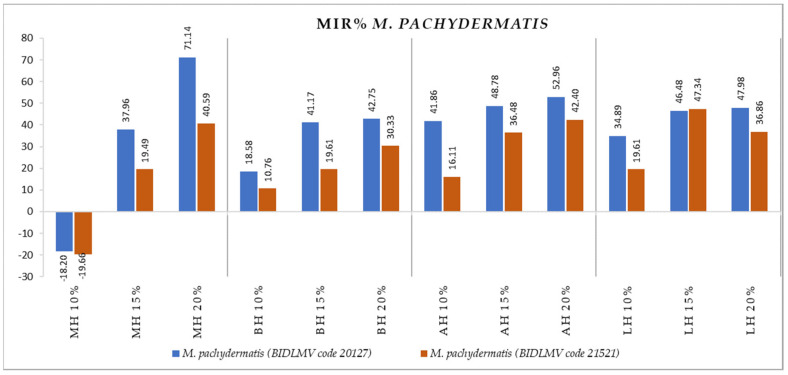
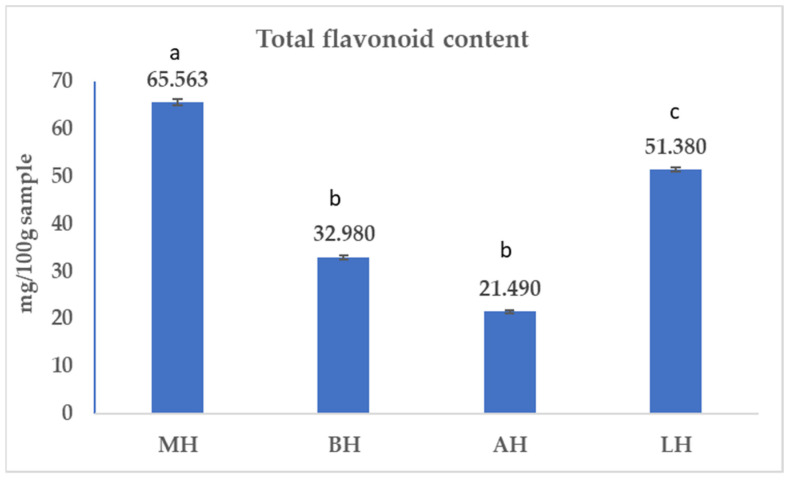
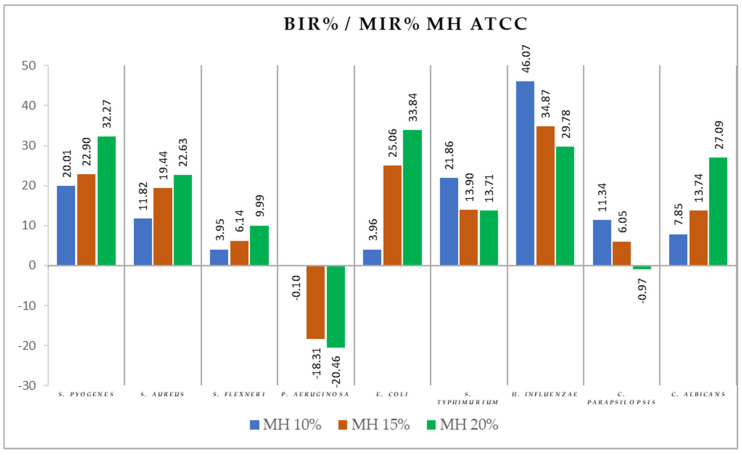
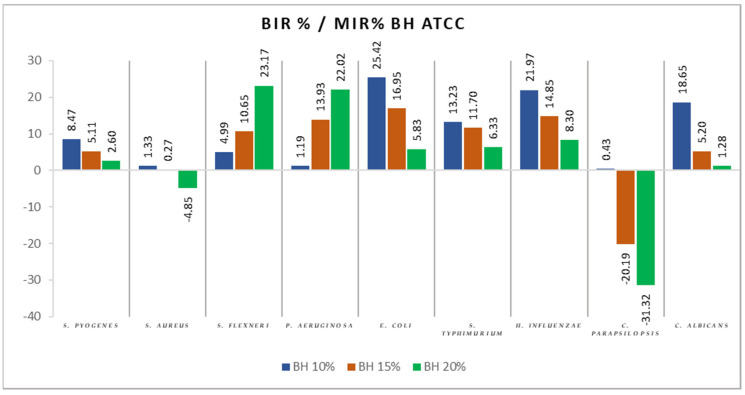
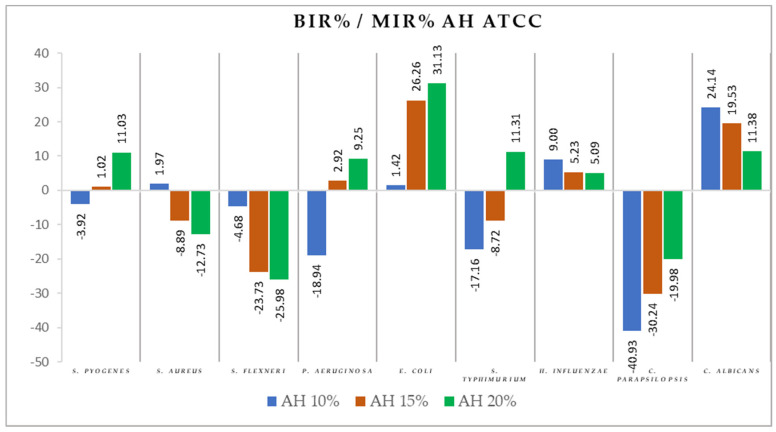
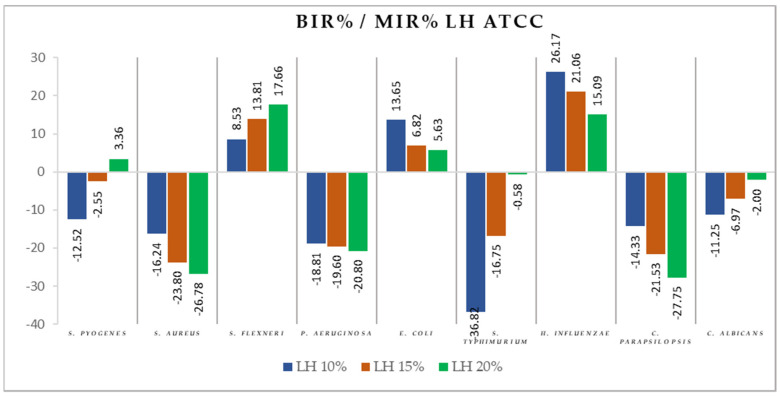
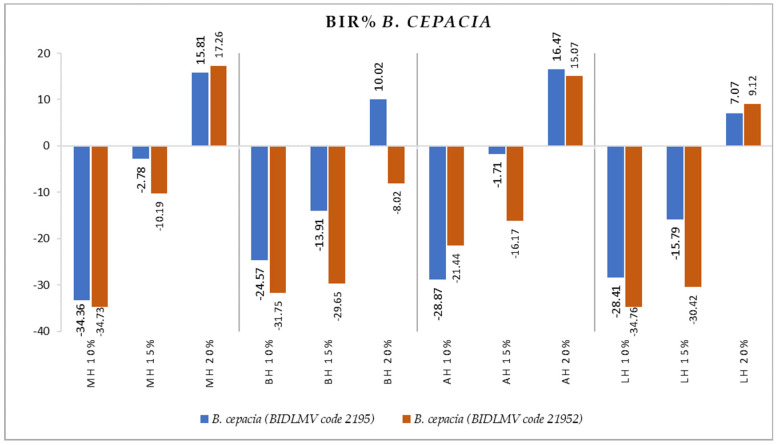
This study aimed to investigate the antioxidant profile and the antimicrobial activity of four different types of monofloral honey (manuka (MH), brassica rapeseed (BH), acacia (AH), and linden honey (LH)) against some bacterial/fungal ATCC strains and some multidrug-resistant strains isolated from chronic otitis in dogs. For the characterisation of the antioxidant profile of each honey, we extracted the honey samples by hydroalcoholic extraction and analysed them in terms of total polyphenols (TPC), total flavonoids (TFC), and 2,2-diphenyl-1-picrylhydrazyl (DPPH) using the spectrophotometric method. The antimicrobial activity was determined using the microdilution method at concentrations of 10%, 15%, and 20%, with the results expressed in OD (optical density) calculated as BIR% (bacterial inhibition rate)/MIR% (mycelial inhibition rate). The antioxidant characterisation of the analysed honey samples showed the highest antioxidant activity and concentrations of TPC and TFC in MH, followed by LH. MH was proven to be the most effective on most clinical isolates concerning the antimicrobial activity in comparison with BH, AH, and LH. Except for B. cepacia and P. vulgaris, all the clinical isolates were sensitive to the antibacterial activity of honey. Regarding the ATCC strains, MH 10% was the most effective in inhibiting all the strains tested except for P. aeruginosa. In conclusion, the efficacy classification in our study was MH > BH > AH > LH.
本研究旨在调查四种不同类型的单花蜂蜜(麦卢卡蜂蜜(MH)、油菜籽蜂蜜(BH)、刺槐蜂蜜(AH)和椴树蜂蜜(LH))对一些细菌/真菌ATCC菌株以及从犬慢性中耳炎分离出的一些多重耐药菌株的抗氧化特性和抗菌活性。为了表征每种蜂蜜的抗氧化特性,我们采用水醇提取法提取蜂蜜样品,并使用分光光度法对其总多酚(TPC)、总黄酮(TFC)和2,2-二苯基-1-苦基肼(DPPH)进行分析。采用微量稀释法在10%、15%和20%的浓度下测定抗菌活性,结果以OD(光密度)表示,计算为BIR%(细菌抑制率)/MIR%(菌丝体抑制率)。分析的蜂蜜样品的抗氧化特性表明,MH的抗氧化活性以及TPC和TFC浓度最高,其次是LH。与BH、AH和LH相比,MH在大多数临床分离株的抗菌活性方面被证明是最有效的。除洋葱伯克霍尔德菌和普通变形杆菌外,所有临床分离株均对蜂蜜的抗菌活性敏感。对于ATCC菌株,10%的MH在抑制除铜绿假单胞菌外的所有测试菌株方面最有效。总之,我们研究中的功效分类为MH > BH > AH > LH。