El Baakili Salwa, El Mabrouk Khalil, Bricha Meriame
Euromed Research Center, Euromed Engineering Faculty, Euromed University of Fes, Eco-Campus Fes-Meknes Road 30030 Fes Morocco
RSC Adv. 2022 May 19;12(24):15361-15372. doi: 10.1039/d2ra02416k. eCollection 2022 May 17.
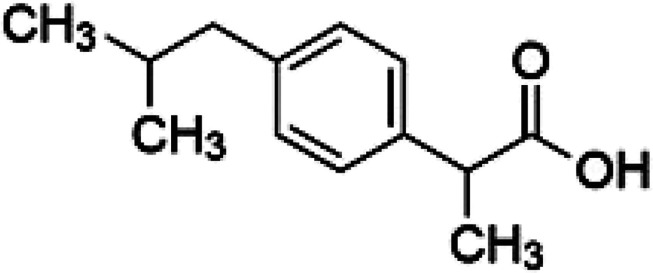
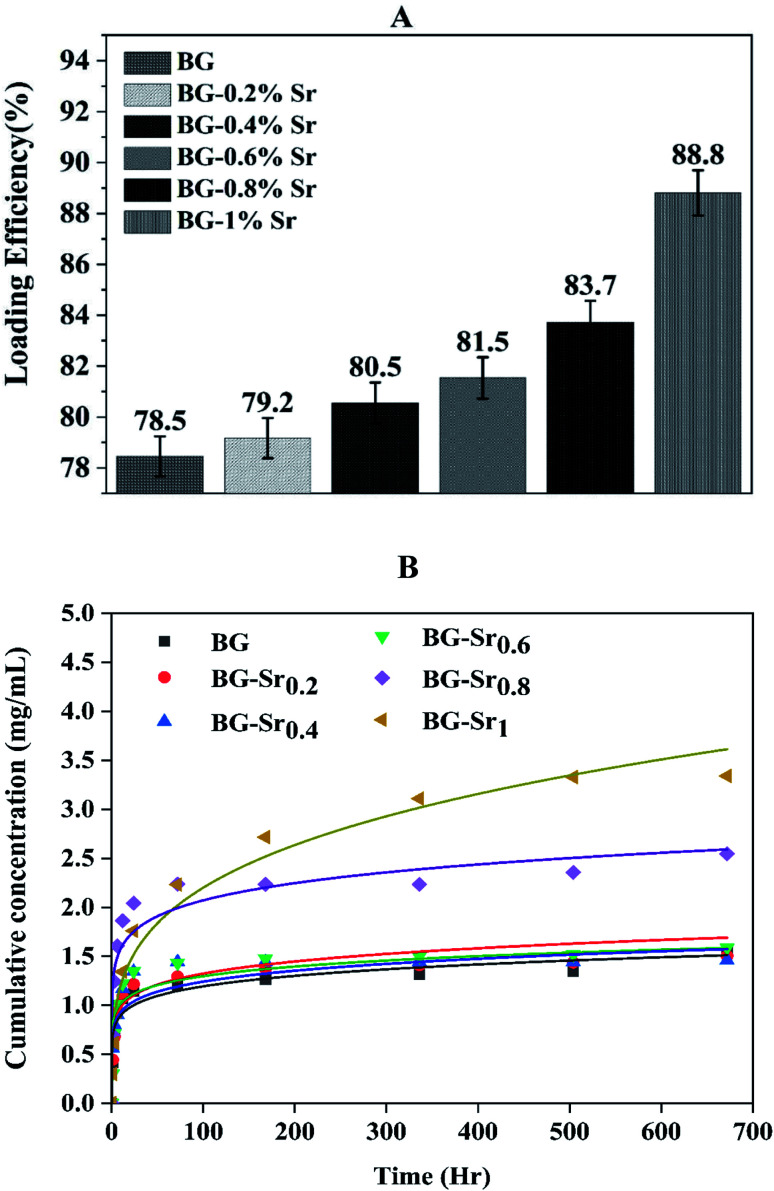
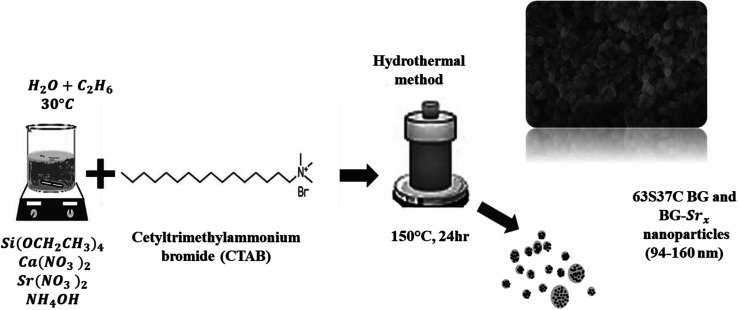
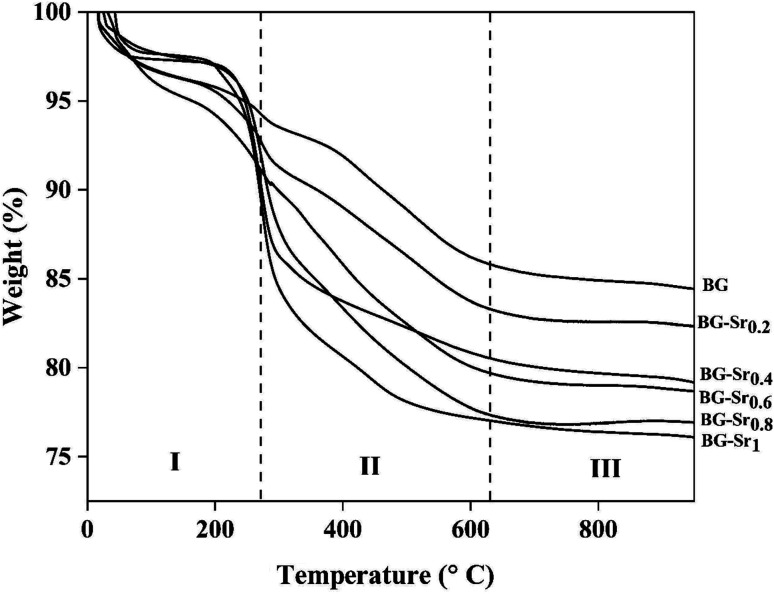
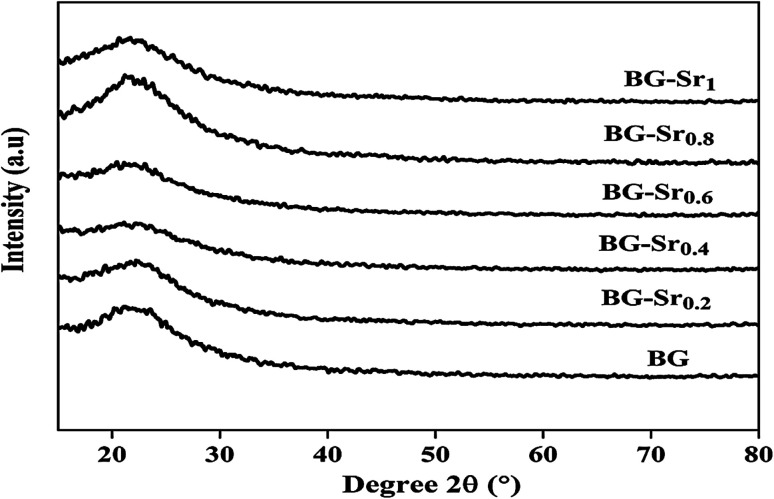
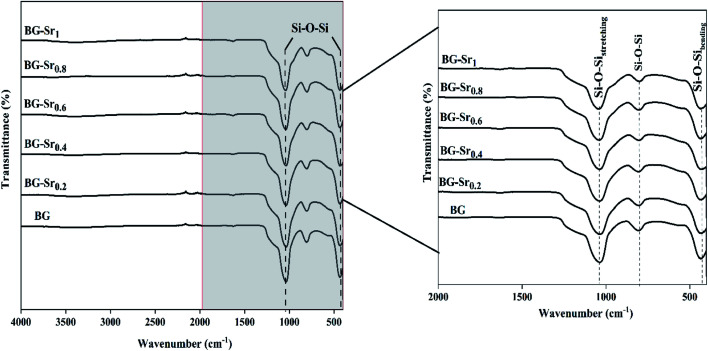
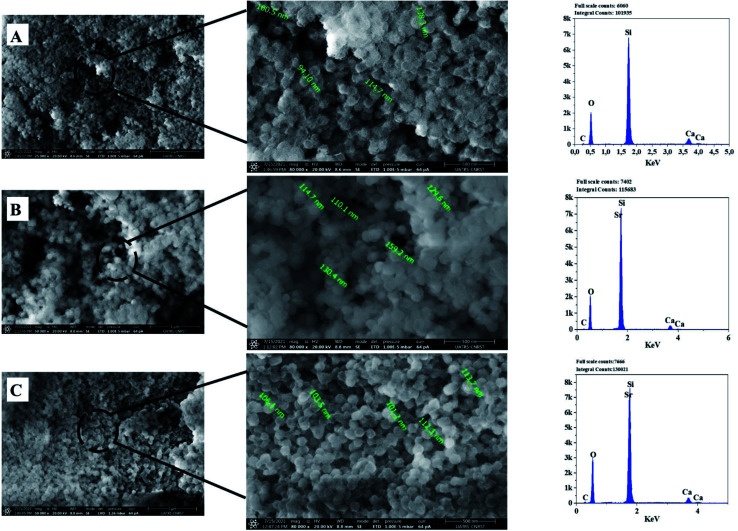
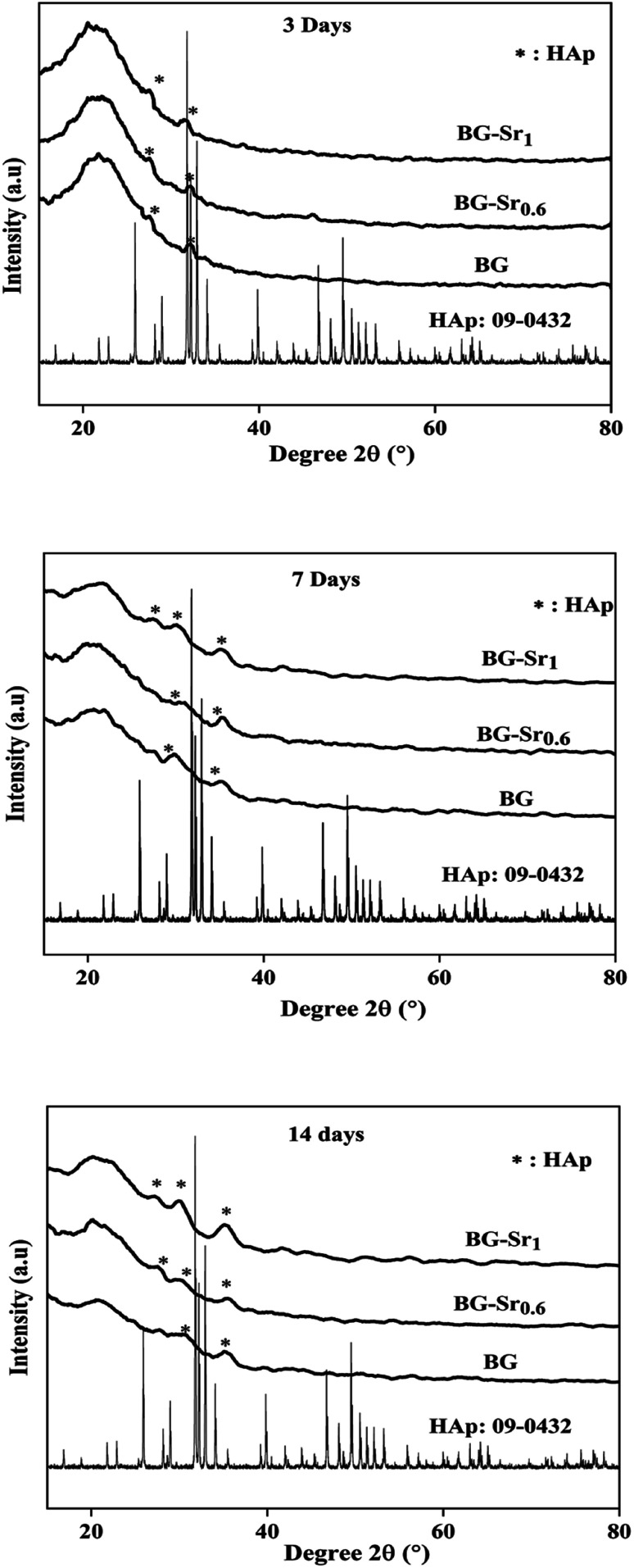
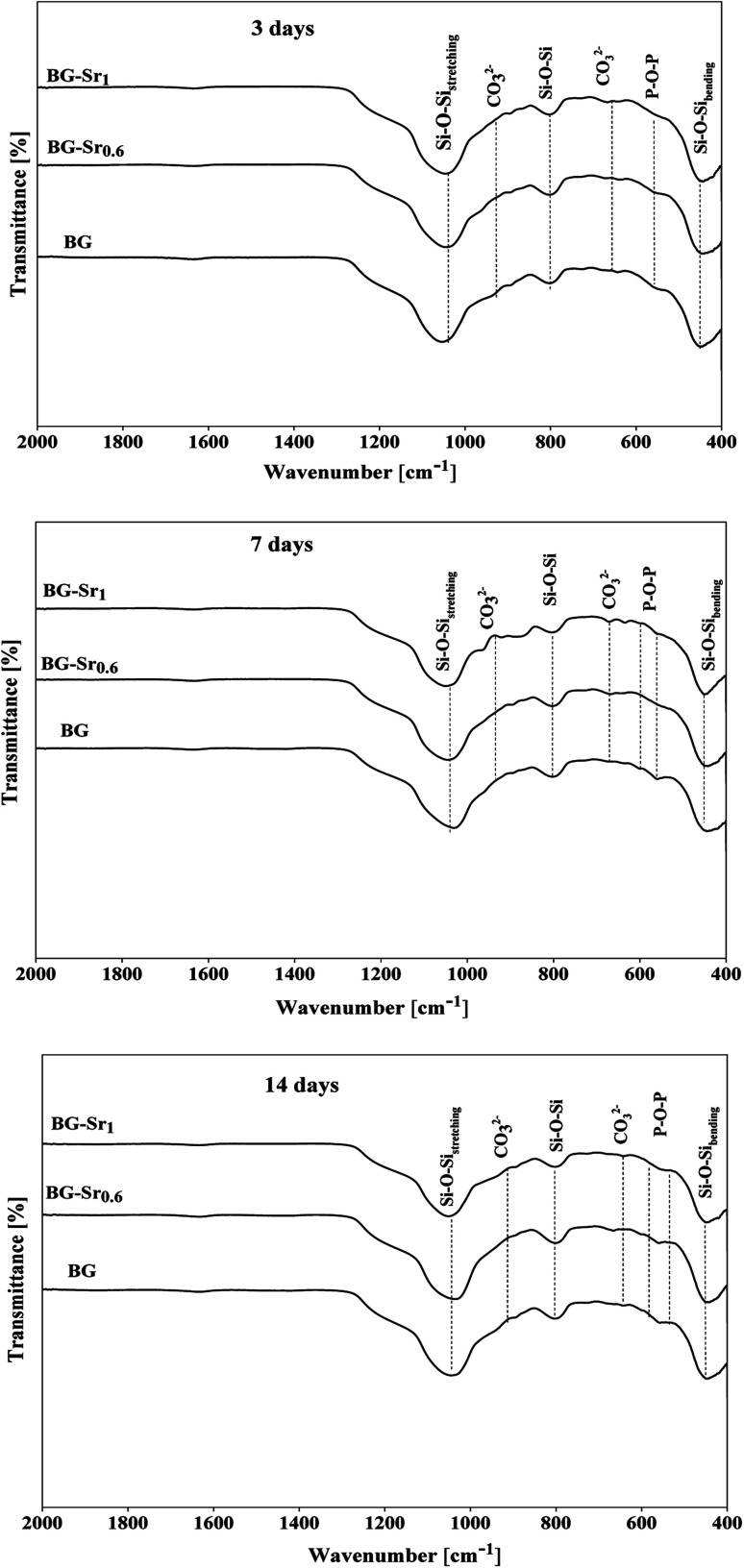
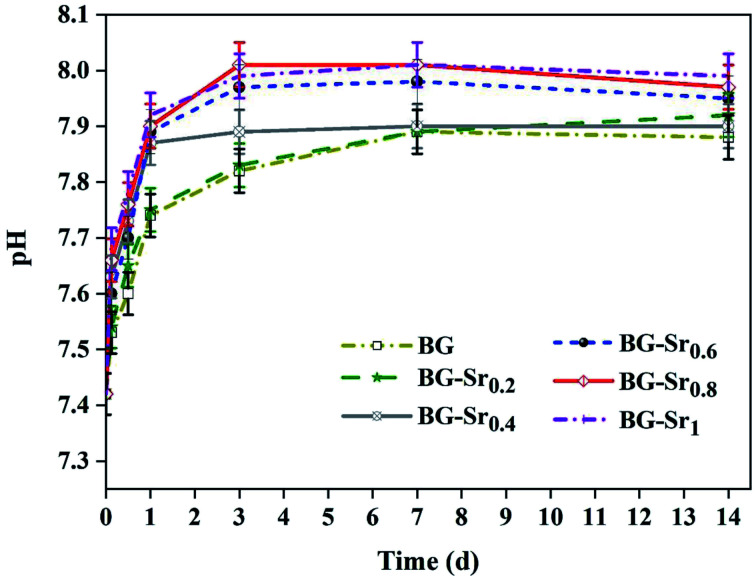
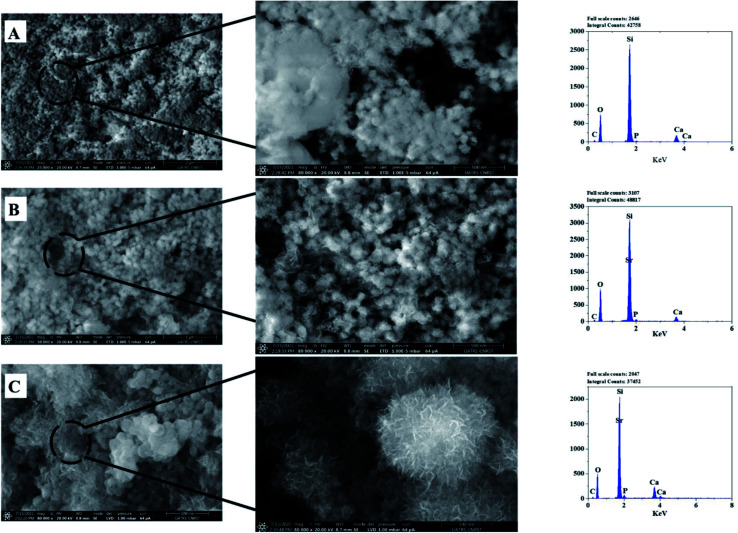
This work aims to study the kinetics of apatite layer formation on the surface of strontium doped binary bioactive glasses (BG: 63S37C) prepared for the first time by a hydrothermal process and evaluate their potential for drug loading and release using ibuprofen (IBU) as an anti-inflammatory drug vector. First, the binary glass 63S37C was doped with various amounts of strontium, from 0.2 to 1 mol%. Subsequently, the amorphous state of the samples and the microstructure were assessed by TGA, XRD, FTIR, ICP-AES, and SEM-EDS. Next, the bioactivity was evaluated by following the surface morphology and composition changes of soaked samples for up to 14 days at 37 °C in simulated bodily fluid (SBF). Finally, SEM-EDS spectroscopy showed clearly the appearance of needle-shaped apatite on amorphous glass substrates at the earlier stages of immersion for bioglasses doped with strontium. These findings are also confirmed with XRD and FTIR analysis. Furthermore, 63S37C BG proved that the drug release increased with increasing strontium content. Altogether, this novel class of bioactive glasses may be considered to have a promising future for biomedical applications.
这项工作旨在研究首次通过水热法制备的掺锶二元生物活性玻璃(BG:63S37C)表面磷灰石层形成的动力学,并以布洛芬(IBU)作为抗炎药物载体评估其药物负载和释放的潜力。首先,向二元玻璃63S37C中掺入0.2至1摩尔%的各种量的锶。随后,通过TGA、XRD、FTIR、ICP - AES和SEM - EDS评估样品的非晶态和微观结构。接下来,通过在37°C的模拟体液(SBF)中浸泡长达14天来跟踪浸泡样品的表面形态和成分变化,从而评估生物活性。最后,SEM - EDS光谱清楚地显示,在浸泡初期,掺锶生物玻璃的非晶态玻璃基质上出现了针状磷灰石。XRD和FTIR分析也证实了这些发现。此外,63S37C生物玻璃证明药物释放随锶含量的增加而增加。总之,这类新型生物活性玻璃在生物医学应用方面可能具有广阔的前景。