Balcão Victor M, Moreli Fernanda C, Silva Erica C, Belline Bianca G, Martins Layla F, Rossi Fernando P N, Pereira Carla, Vila Marta M D C, da Silva Aline M
PhageLab, Laboratory of Biofilms and Bacteriophages, University of Sorocaba, Sorocaba 18023-000, Brazil.
Department of Biology and CESAM, Campus Universitário de Santiago, University of Aveiro, 3810-193 Aveiro, Portugal.
Pharmaceutics. 2022 Jul 6;14(7):1421. doi: 10.3390/pharmaceutics14071421.
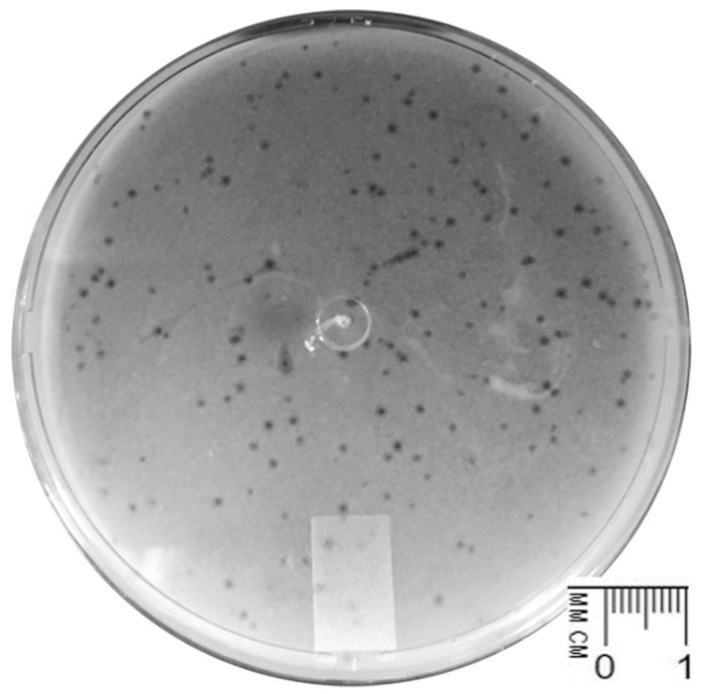
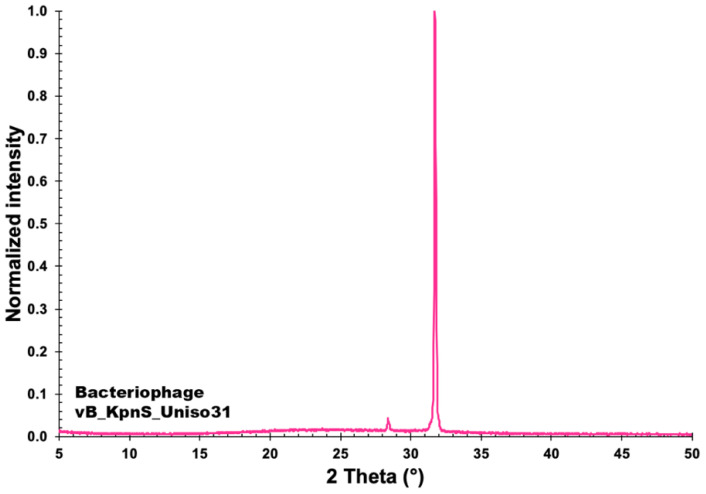
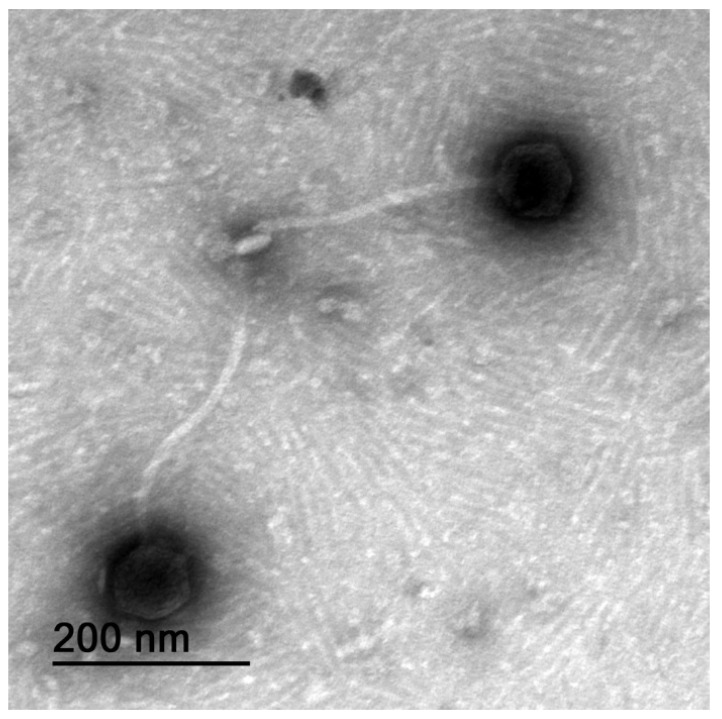
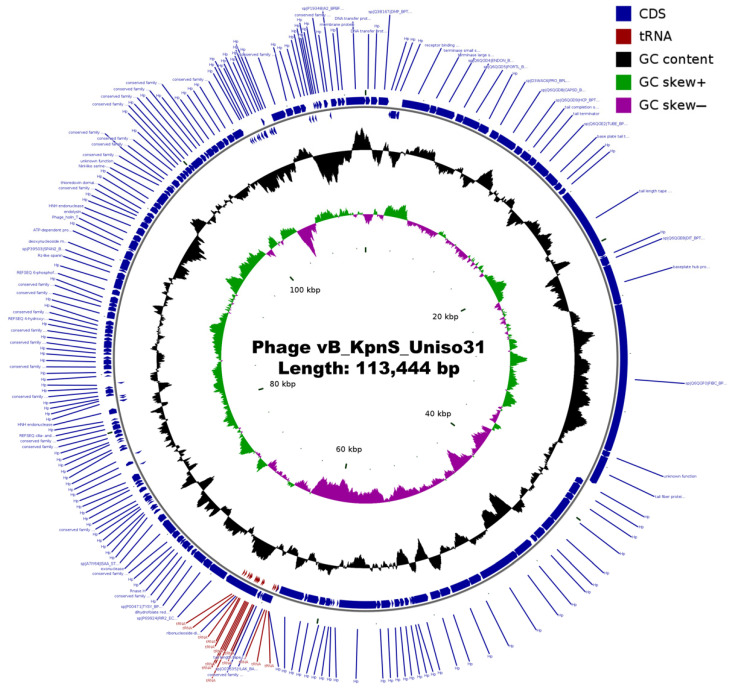
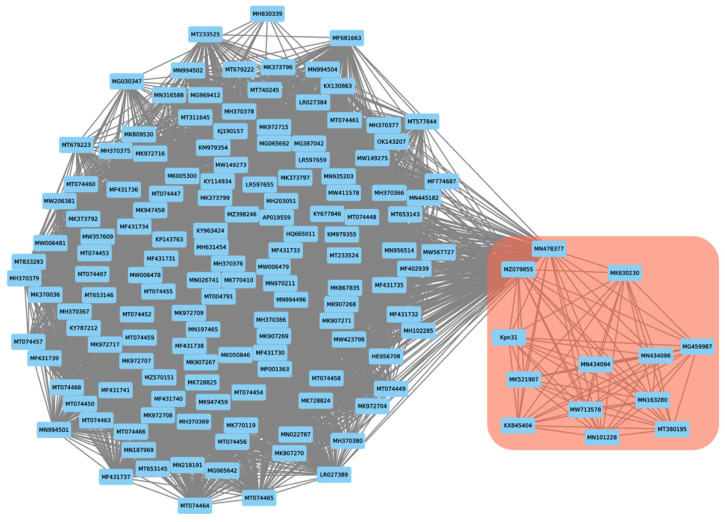
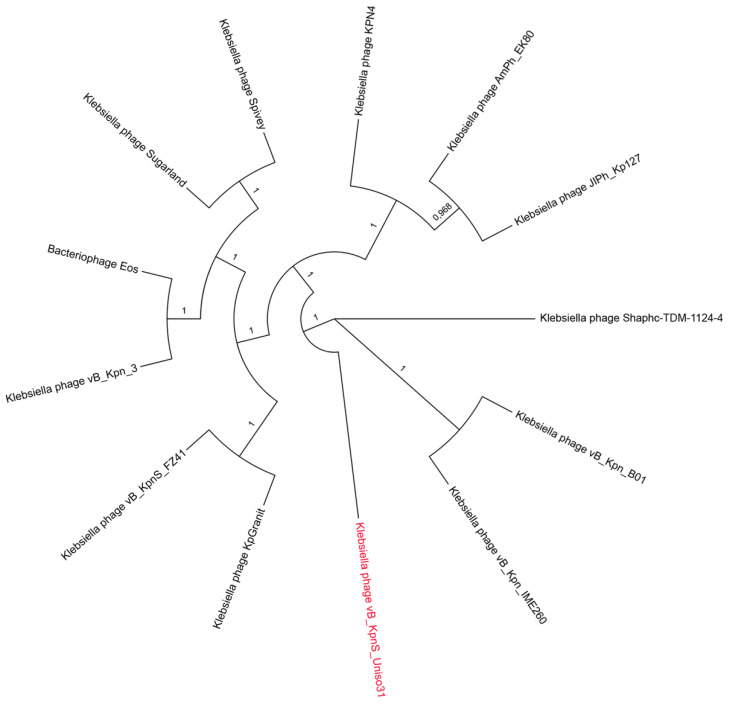
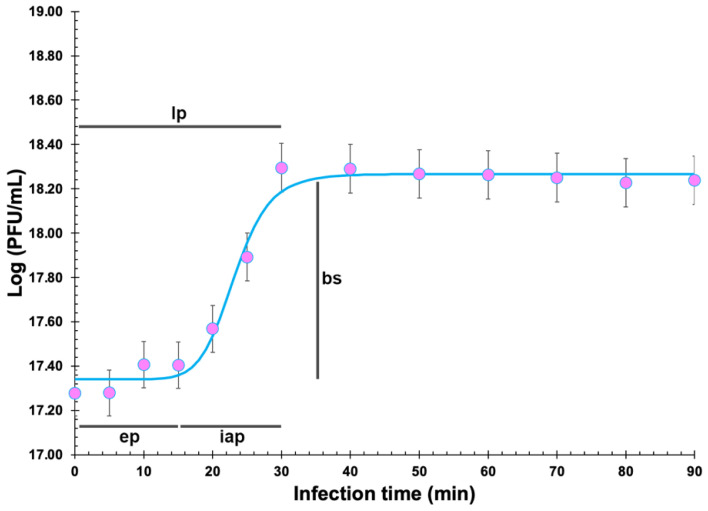
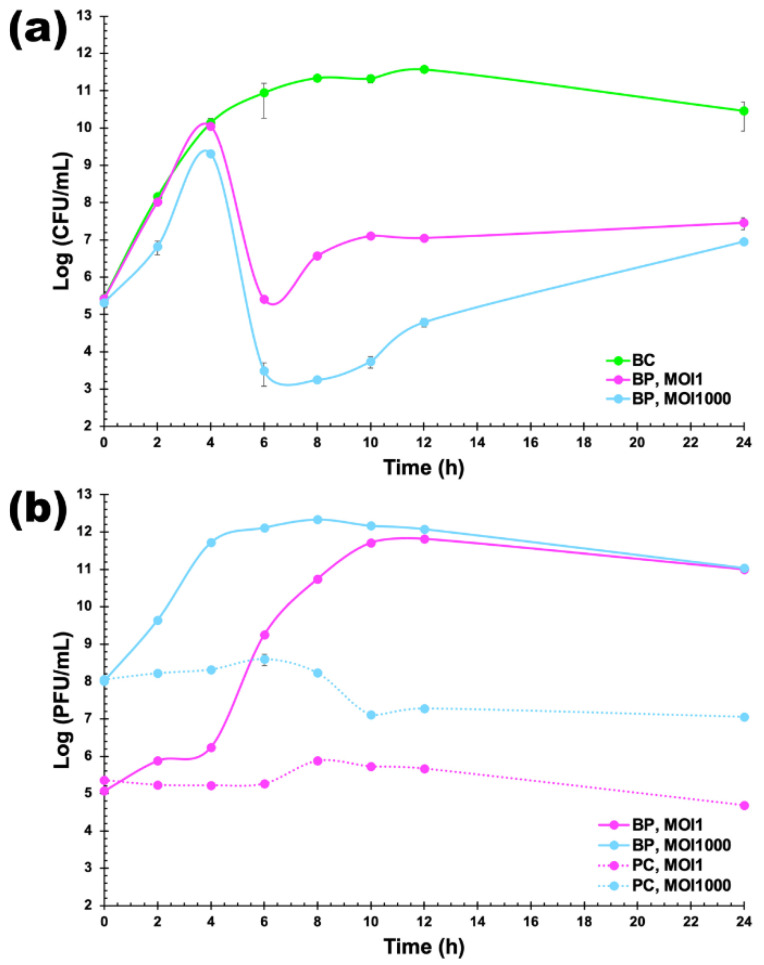
The worldwide increase in serious infections caused by multidrug-resistant (MDR) emphasizes the urgent need of new therapeutic strategies for the control of this pathogen. There is growing interest in the use of bacteriophages (or phages) to treat infections, and newly isolated phages are needed. Here, we report the isolation and physical/biological/molecular characterization of a novel lytic phage and its efficacy in the control of MDR . The phage vB_KpnS_Uniso31, referred to hereafter as phage Kpn31, was isolated from hospital wastewater using CCCD-K001 as the host. Phage Kpn31 presents a siphovirus-like morphotype and was classified as ; based on its complete genome sequence. The 113,444 bp Kpn31 genome does not encode known toxins or antimicrobial resistance genes, nor does it encode depolymerases related sequences. Phage Kpn31 showed an eclipse time of 15 min and a burst size of 9.12 PFU/host cell, allowing us to conclude it replicates well in CCCD-K001 with a latency period of 30 min. Phage Kpn31 was shown to be effective against at least six MDR clinical isolates in in vitro antibacterial activity assays. Based on its features, phage Kpn31 has potential for controlling infections caused by MDR
多重耐药菌(MDR)引起的严重感染在全球范围内不断增加,这凸显了控制这种病原体的新治疗策略的迫切需求。人们对使用噬菌体治疗感染的兴趣与日俱增,因此需要新分离的噬菌体。在此,我们报告了一种新型裂解性噬菌体的分离及其物理/生物学/分子特征,以及它在控制MDR方面的功效。噬菌体vB_KpnS_Uniso31,以下简称噬菌体Kpn31,以CCCD-K001为宿主从医院废水中分离得到。噬菌体Kpn31呈现出类似长尾噬菌体的形态类型,根据其完整基因组序列被归类为 ;113,444 bp的Kpn31基因组不编码已知毒素或抗菌抗性基因,也不编码与解聚酶相关的序列。噬菌体Kpn31的潜伏期为15分钟,爆发量为9.12 PFU/宿主细胞,这使我们得出结论,它在CCCD-K001中复制良好,潜伏期为30分钟。在体外抗菌活性试验中,噬菌体Kpn31对至少六种MDR临床分离株显示出有效性。基于其特性,噬菌体Kpn31在控制由MDR引起的感染方面具有潜力