Wang Le, Xu Zepeng, Yin Wei, Xu Kai, Wang Shuai, Shang Qianhan, Sa Wei, Liang Jian, Wang Li
State Key Laboratory of Plateau Ecology and Agriculture, Qinghai University, Xining, China.
College of Eco-Environmental Engineering, Qinghai University, Xining, China.
Front Plant Sci. 2022 Aug 17;13:912296. doi: 10.3389/fpls.2022.912296. eCollection 2022.
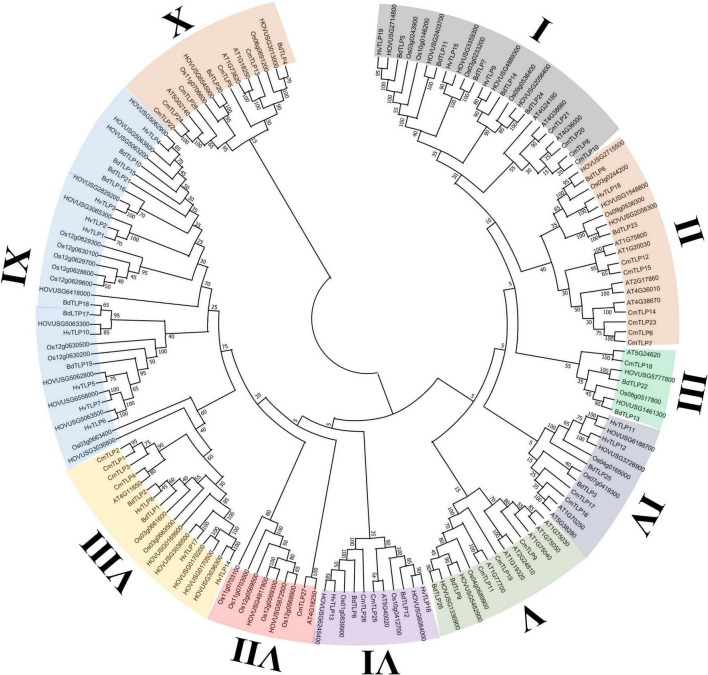
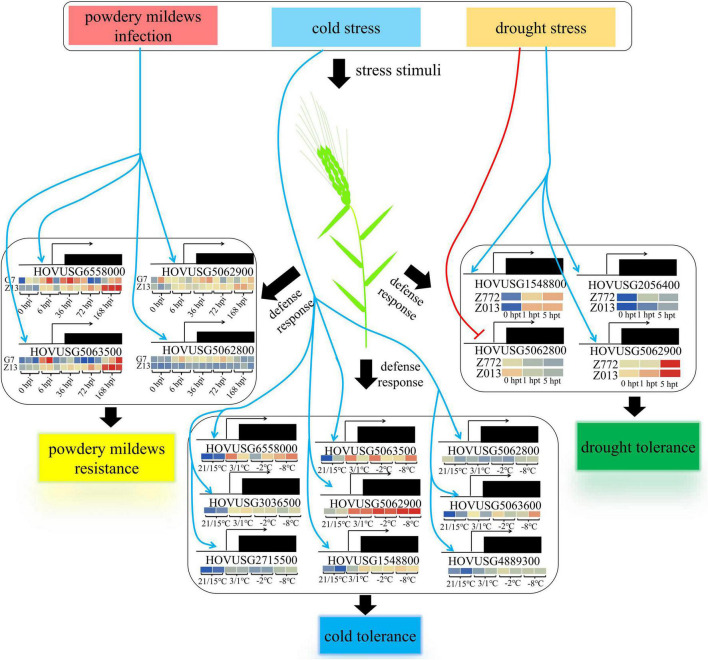
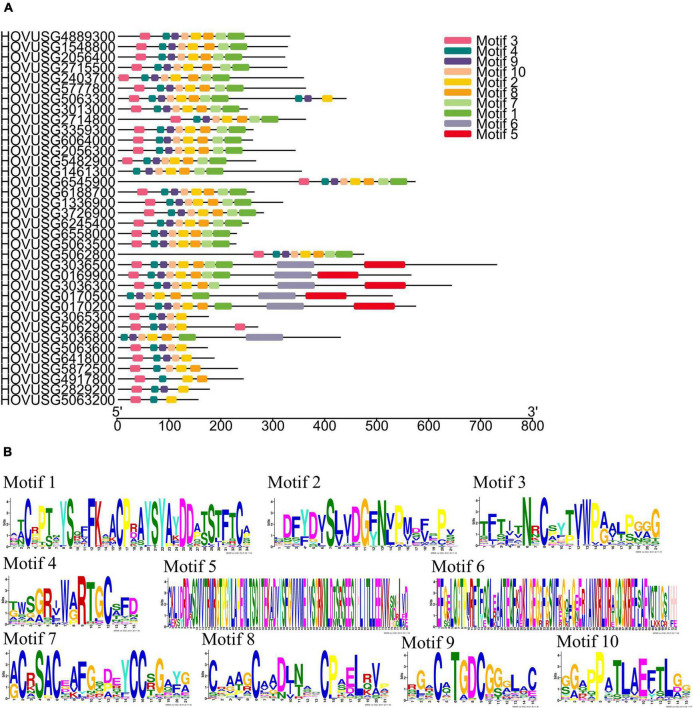
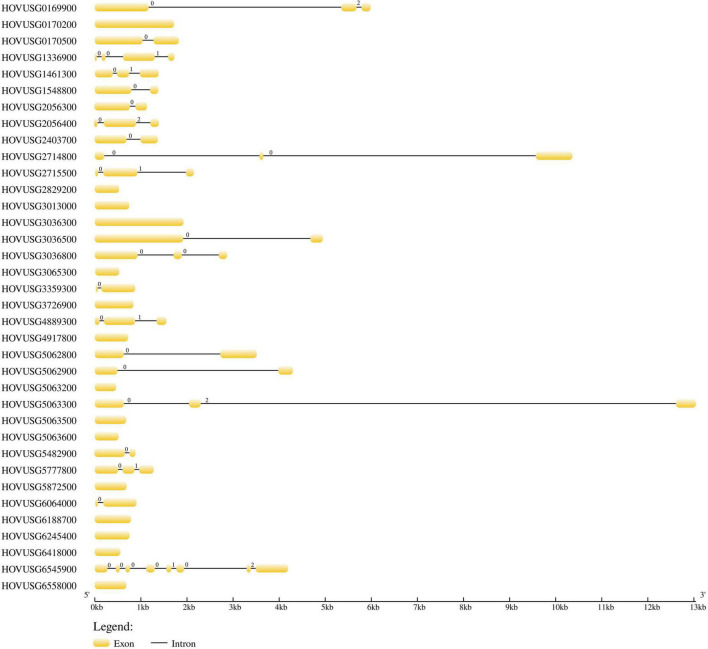
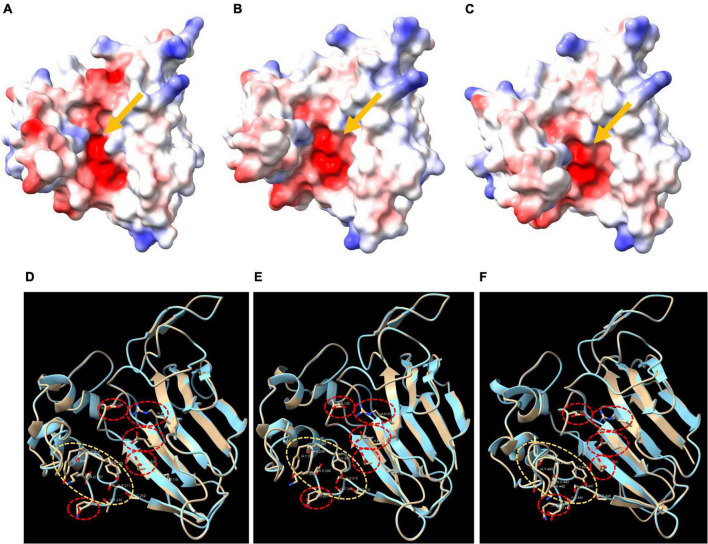
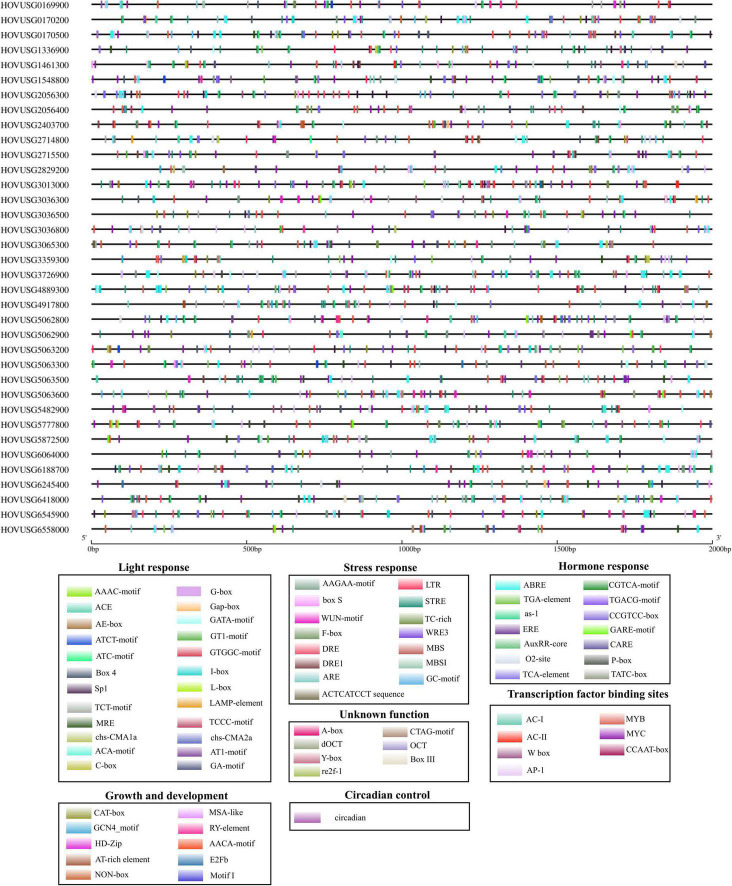
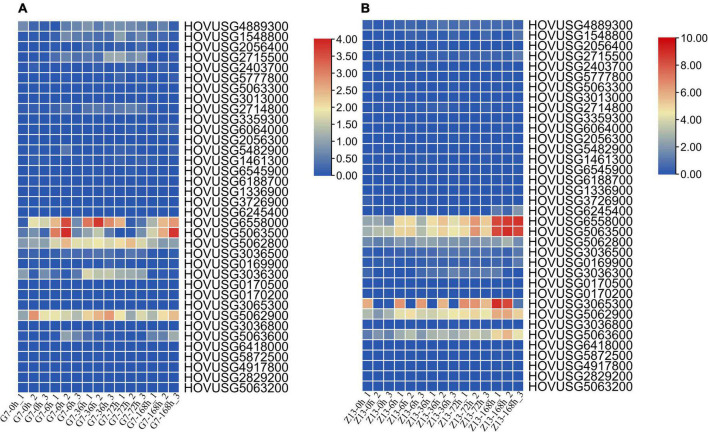
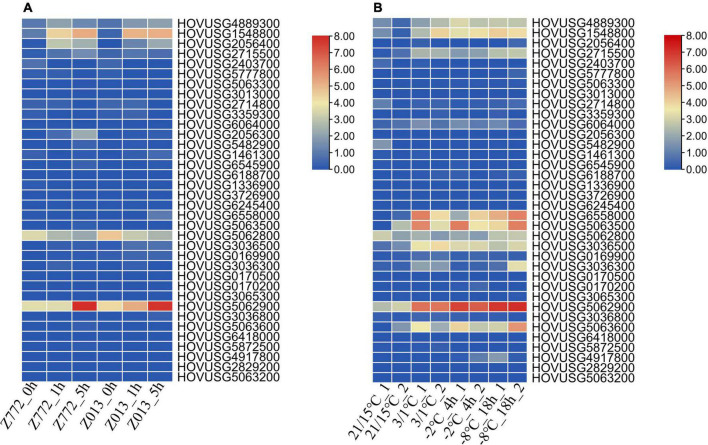
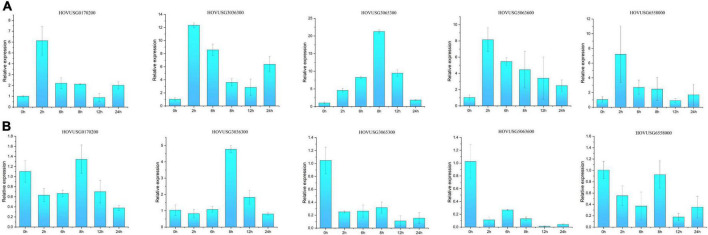
Thaumatin-like proteins (TLPs) participate in the defense responses of plants as well as their growth and development processes, including seed germination. Yet the functioning of family genes, in addition to key details of their encoded protein products, has not been thoroughly investigated for Qingke ( L. var. ). Here, a total of 36 genes were identified in the genome of Qingke via HMM profiling. Of them, 25 TLPs contained a signal peptide at the N-terminus, with most proteins predicted to localize in the cytoplasm or outer membrane. Sequence alignment and motif analysis revealed that the five REDDD residues required for β-1,3-glucanase activity were conserved in 21 of the 36 Qingke TLPs. Phylogenetically, the TLPs in plants are clustered in 10 major groups. Our analysis of gene structure did not detect an intron in 15 Qingke whereas the other 21 did contain 1-7 introns. A diverse set of -acting motifs were found in the promoters of the 36 , including elements related to light, hormone, and stress responses, growth and development, circadian control, and binding sites of transcription factors, thus suggesting a multifaceted role of TLPs in Qingke. Expression analyses revealed the potential involvement of in plant defense against biotic and abiotic stresses. Taken together, the findings of this study deepen our understanding of the family genes in Qingke, a staple food item in Tibet, which could strengthen future investigations of protein function in barley and its improved genetic engineering.
类甜蛋白(TLPs)参与植物的防御反应以及其生长和发育过程,包括种子萌发。然而,对于青稞(L. var.)而言,该家族基因的功能及其编码蛋白产物的关键细节尚未得到充分研究。在此,通过隐马尔可夫模型(HMM)分析,在青稞基因组中总共鉴定出36个TLPs基因。其中,25个TLPs在N端含有信号肽,大多数蛋白质预计定位于细胞质或外膜。序列比对和基序分析表明,36个青稞TLPs中的21个具有β-1,3-葡聚糖酶活性所需的五个REDDD残基,且这些残基是保守的。在系统发育上,植物中的TLPs聚类为10个主要类别。我们对基因结构的分析未在15个青稞TLPs中检测到内含子,而其他21个确实含有1 - 7个内含子。在36个TLPs的启动子中发现了一系列不同的顺式作用基序,包括与光、激素和应激反应、生长和发育、昼夜节律控制以及转录因子结合位点相关的元件,这表明TLPs在青稞中具有多方面作用。表达分析揭示了TLPs可能参与植物对生物和非生物胁迫的防御。综上所述,本研究结果加深了我们对青稞中TLPs家族基因的理解,青稞是西藏的主食,这可能会加强未来对大麦蛋白质功能及其改良基因工程的研究。