O' Mahony Liam, Buwalda Tanja, Blair Matthew, Forde Brian, Lunjani Nonhlanhla, Ambikan Anoop, Neogi Ujjwal, Barrett Peter, Geary Eoin, O'Connor Nuala, Dineen Jennifer, Clarke Gerard, Kelleher Eric, Horgan Mary, Jackson Arthur, Sadlier Corinna
Department of Medicine, University College Cork, Cork, Ireland.
School of Microbiology, University College Cork, National University of Ireland, Cork, Ireland.
HRB Open Res. 2022 Apr 22;5:31. doi: 10.12688/hrbopenres.13516.1. eCollection 2022.
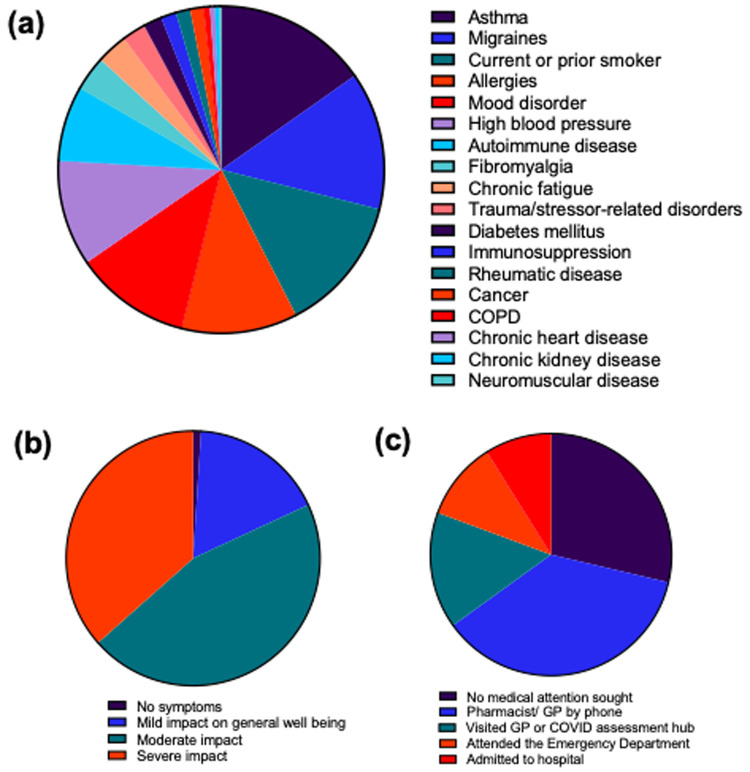
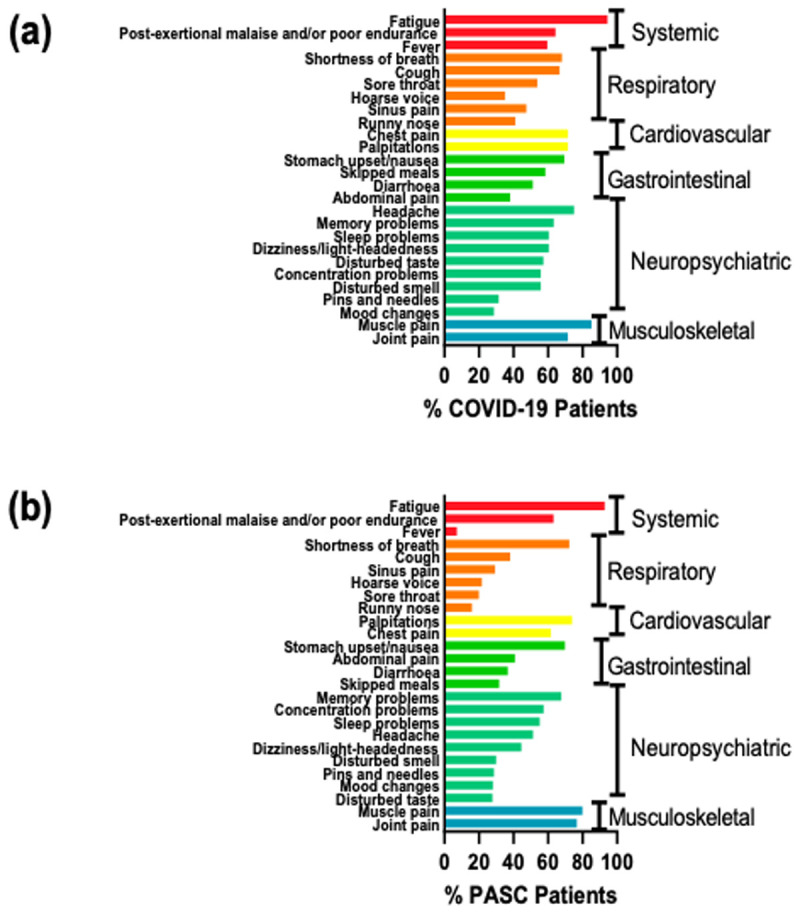
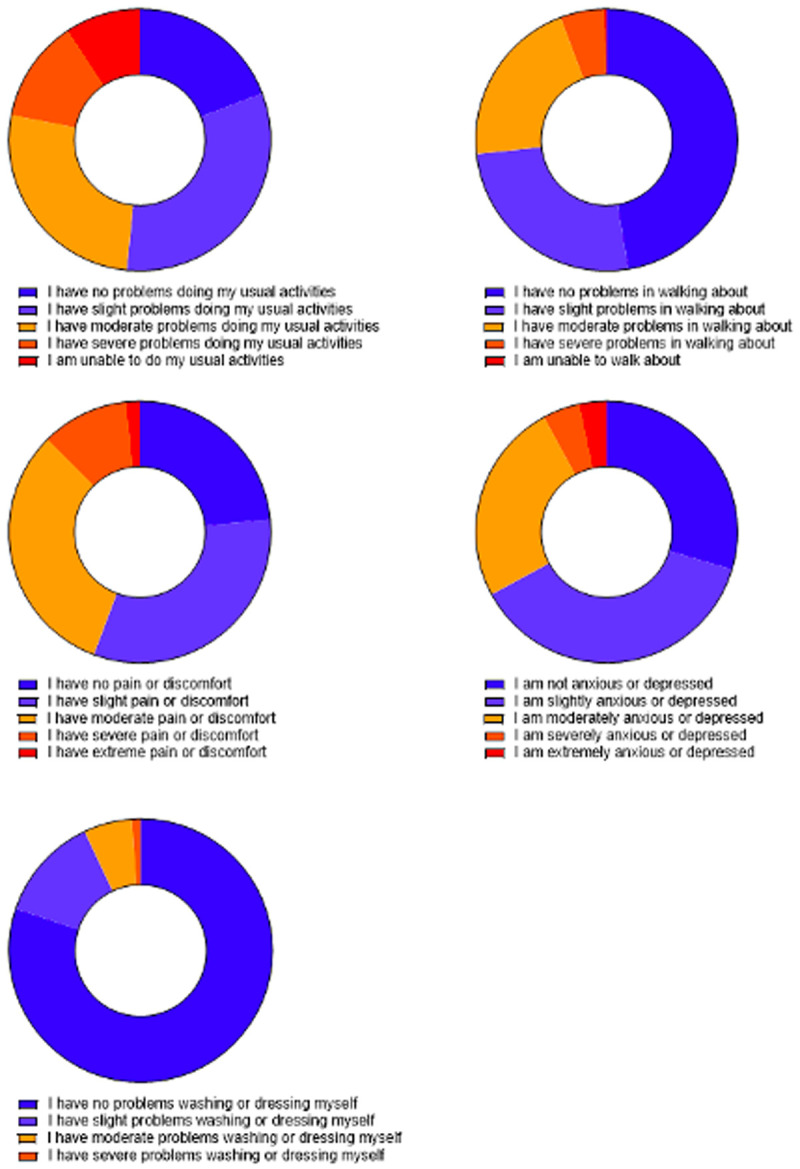
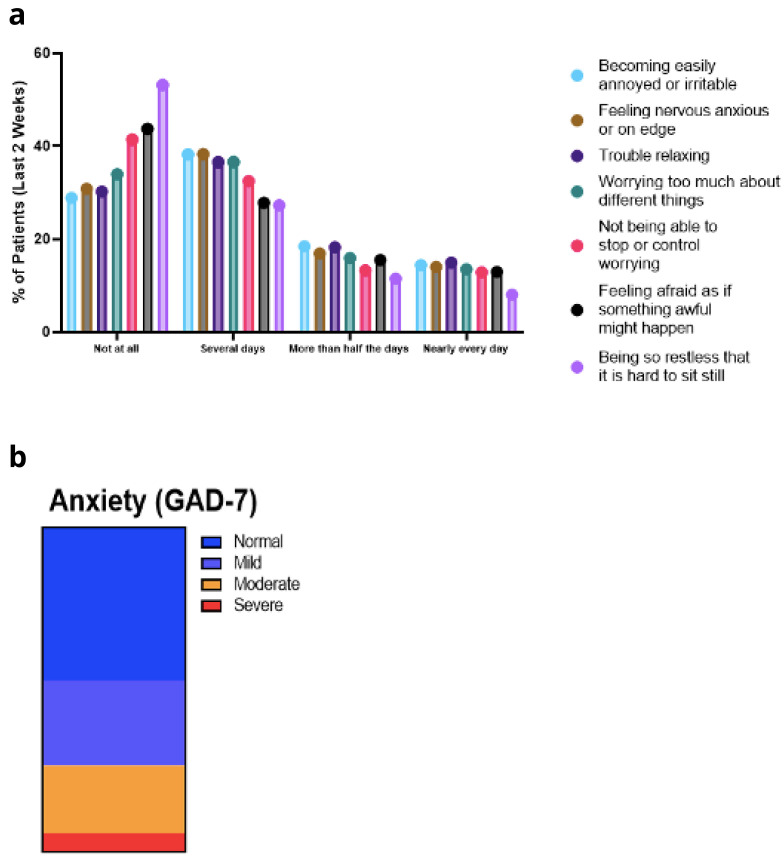
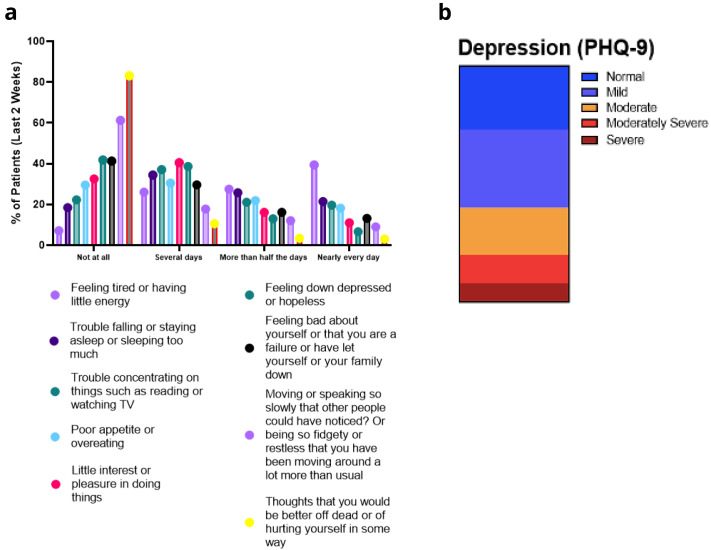
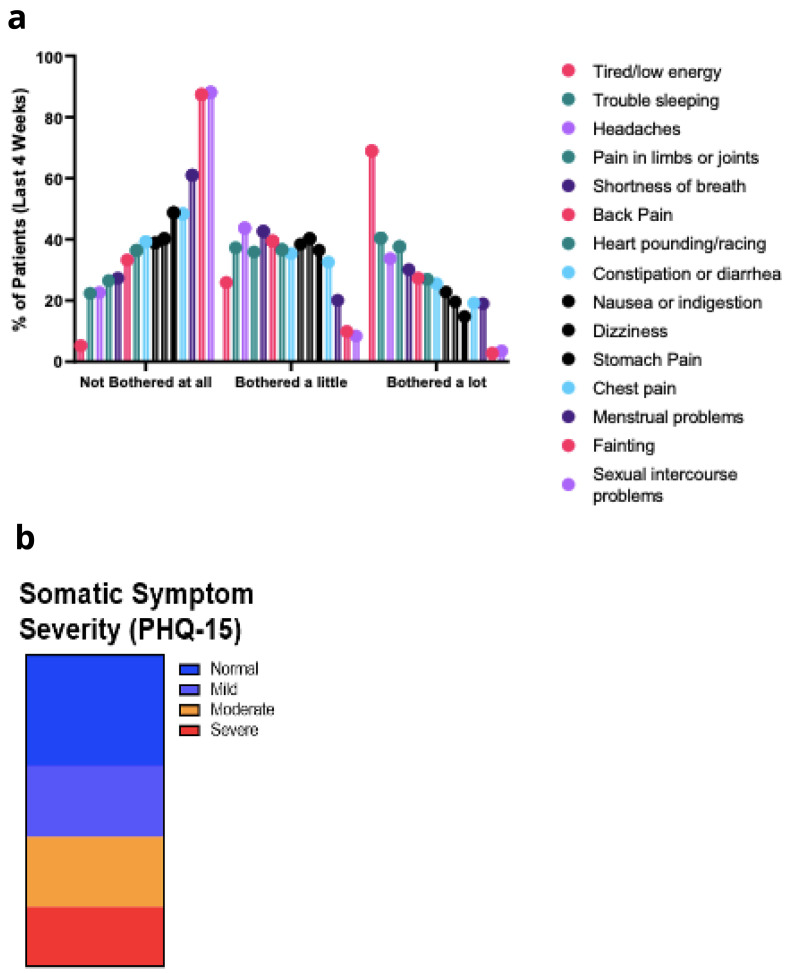
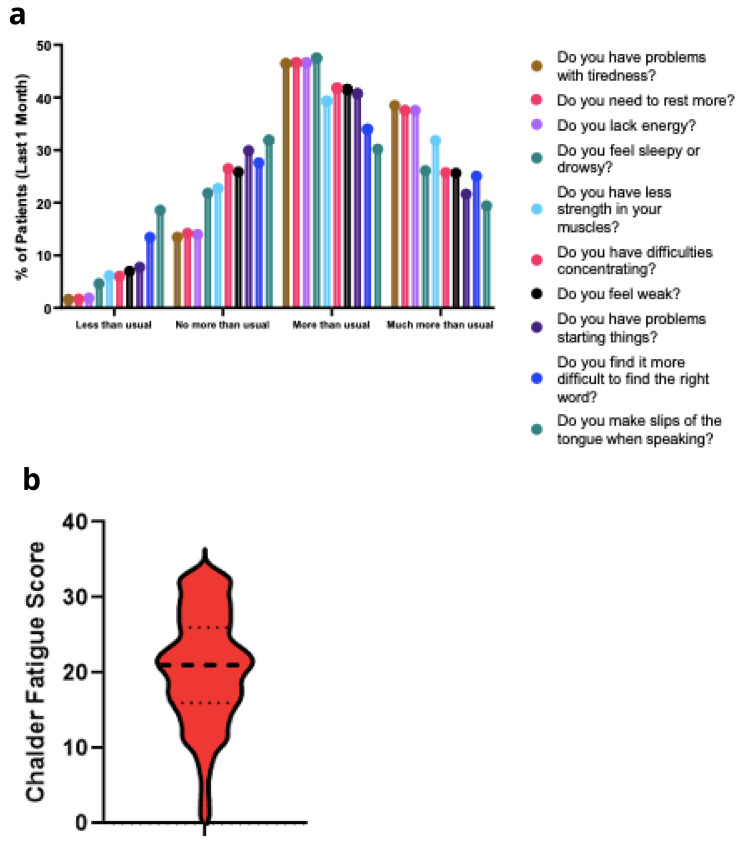
: The aim of this study was to measure the impact of post-acute sequelae of COVID-19 (PASC) on quality of life, mental health, ability to work and return to baseline health in an Irish cohort. : We invited individuals with symptoms of COVID-19 lasting more than 14 days to participate in an anonymous online questionnaire. Basic demographic data and self-reported symptoms were recorded. Internationally validated instruments including the patient health questionnaire somatic, anxiety and depressive symptom scales (PHQ-SADS), the Patient Health Questionnaire-15 (PHQ-15) and Chadler fatigue scale (CFQ) were used. : We analysed responses from 988 participants with self-reported confirmed (diagnostic/antibody positive; 81%) or suspected (diagnostic/antibody negative or untested; 9%) COVID-19. The majority of respondents were female (88%), white (98%), with a median age of 43.0 (range 15 - 88 years old) and a median BMI of 26.0 (range 16 - 60). At the time of completing this survey, 89% of respondents reported that they have not returned to their pre-COVID-19 level of health. The median number of symptoms reported was 8 (range 0 to 33 symptoms), with a median duration of 12 months (range 1 to 20 months) since time of acute infection. A high proportion of PASC patients reported that they have a moderate or severe limitation in their ability to carry out their usual activities, 38% report their ability to work is severely limited and 33% report a moderate, or higher, level of anxiety or depression. : The results of this survey of an Irish cohort with PASC are in line with reports from other settings, and we confirm that patients with PASC reported prolonged, multi-system symptoms which can significantly impact quality of life, affect ability to work and cause significant disability. Dedicated multidisciplinary, cross specialty supports are required to improve outcomes of this patient group.
本研究的目的是评估新冠后急性后遗症(PASC)对爱尔兰一组人群的生活质量、心理健康、工作能力以及恢复至基线健康水平的影响。我们邀请新冠症状持续超过14天的个体参与一项匿名在线问卷调查。记录基本人口统计学数据和自我报告的症状。使用了国际认可的工具,包括患者健康问卷躯体、焦虑和抑郁症状量表(PHQ-SADS)、患者健康问卷-15(PHQ-15)和查德勒疲劳量表(CFQ)。我们分析了988名自我报告确诊(诊断/抗体阳性;81%)或疑似(诊断/抗体阴性或未检测;9%)感染新冠的参与者的回复。大多数受访者为女性(88%),白人(98%),中位年龄为43.0岁(范围15 - 88岁),中位体重指数为26.0(范围16 - 60)。在完成这项调查时,89%的受访者表示他们尚未恢复到感染新冠前的健康水平。报告的症状中位数为8个(范围0至33个症状),自急性感染以来的中位持续时间为12个月(范围1至20个月)。高比例的PASC患者报告称他们进行日常活动的能力受到中度或重度限制,38%的人报告其工作能力受到严重限制,33%的人报告有中度或更高水平的焦虑或抑郁。对爱尔兰PASC队列的这项调查结果与其他地区的报告一致,并且我们证实PASC患者报告有持续的多系统症状,这些症状会显著影响生活质量、影响工作能力并导致严重残疾。需要专门的多学科、跨专业支持来改善这一患者群体的预后。