Bleul Regina, Baki Abdulkader, Freese Christian, Paysen Hendrik, Kosch Olaf, Wiekhorst Frank
Fraunhofer Institute for Microengineering and Microsystems (IMM) Carl-Zeiss-Strasse 18-20 55129 Mainz Germany
Physikalisch-Technische Bundesanstalt Abbestr. 2-12 10587 Berlin Germany.
Nanoscale Adv. 2020 Aug 17;2(10):4510-4521. doi: 10.1039/d0na00343c. eCollection 2020 Oct 13.
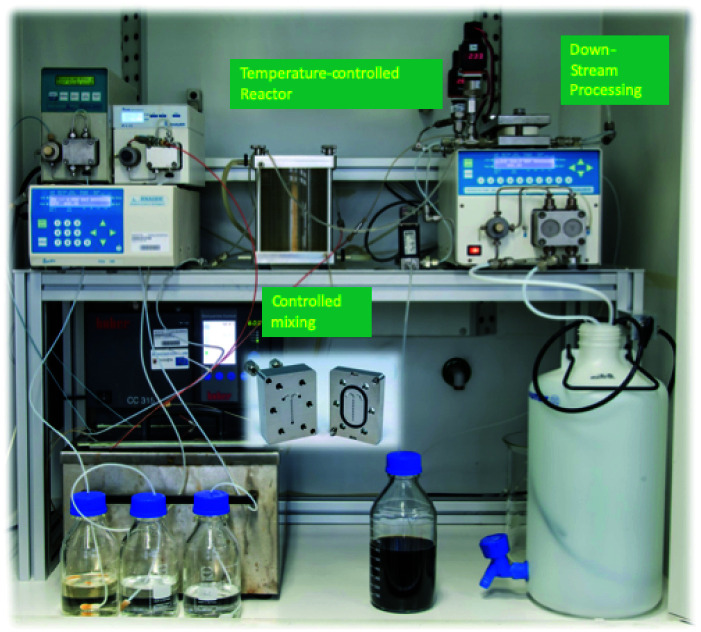
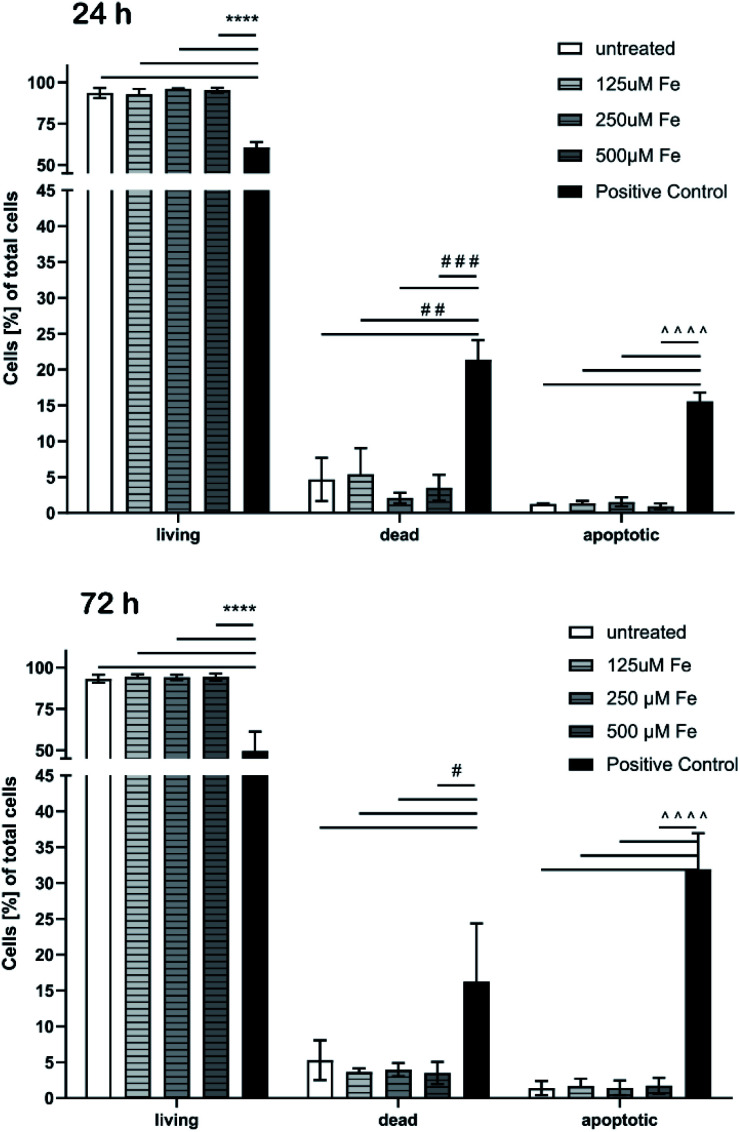
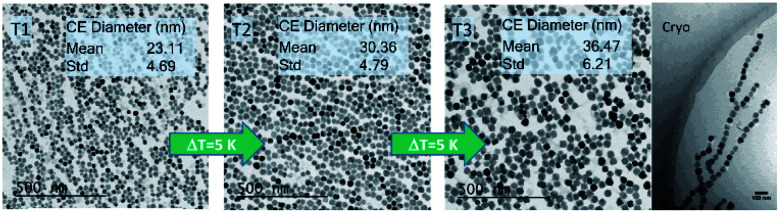
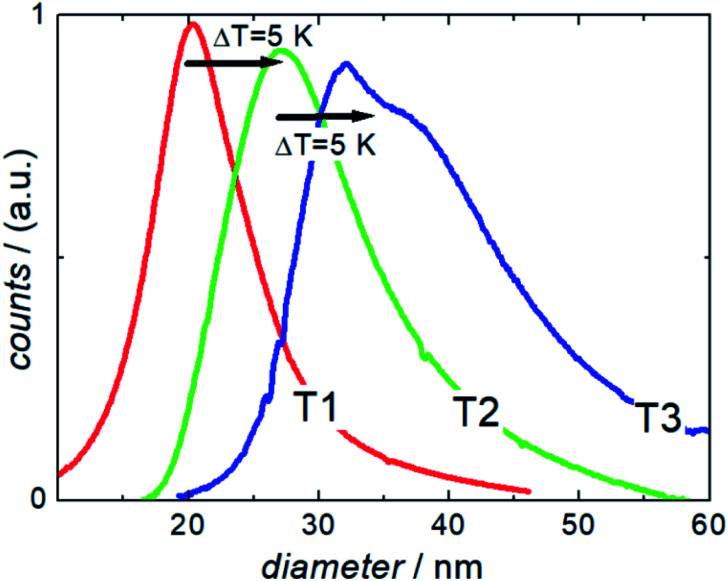
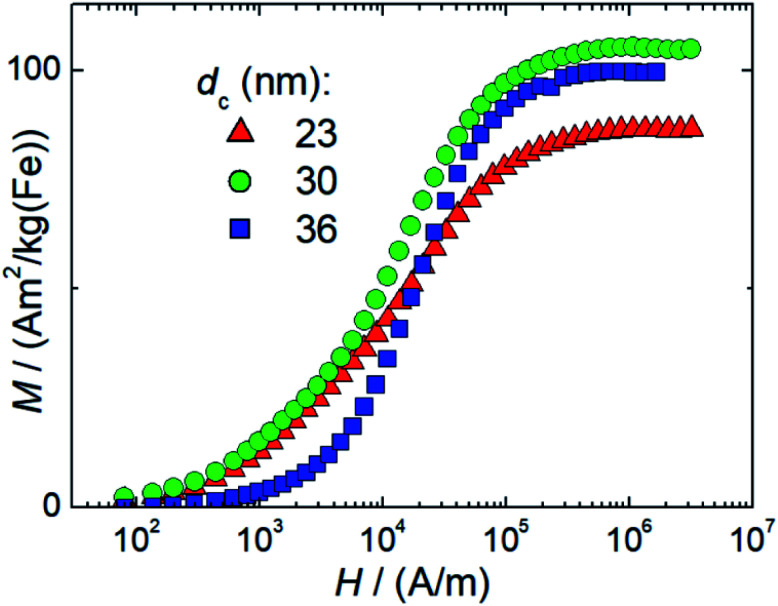
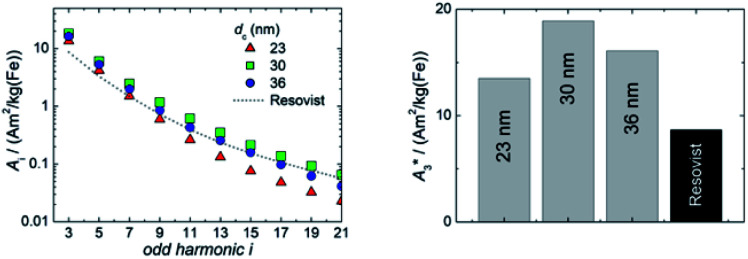
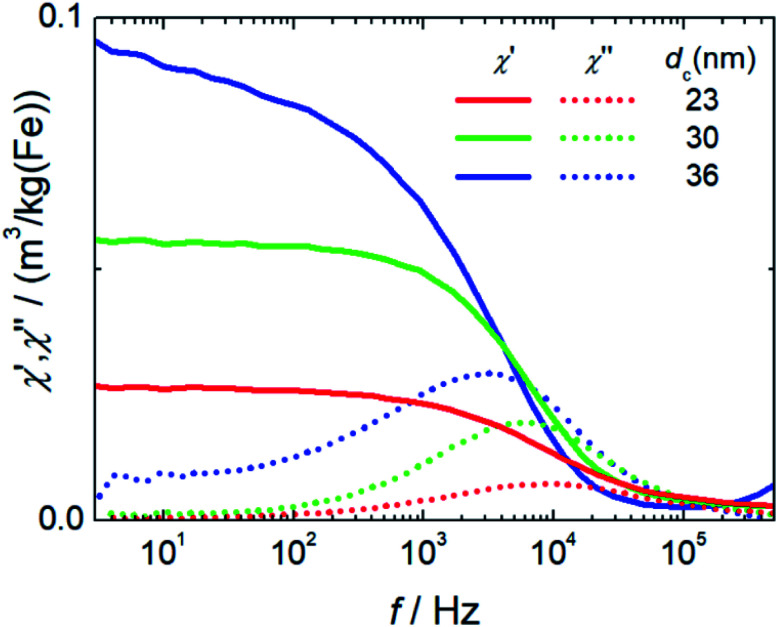
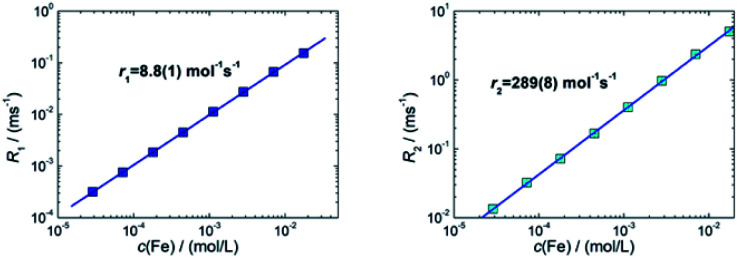
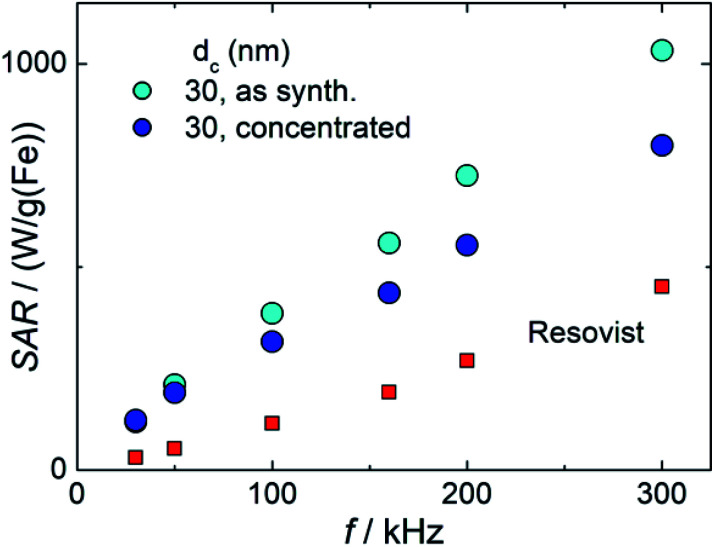
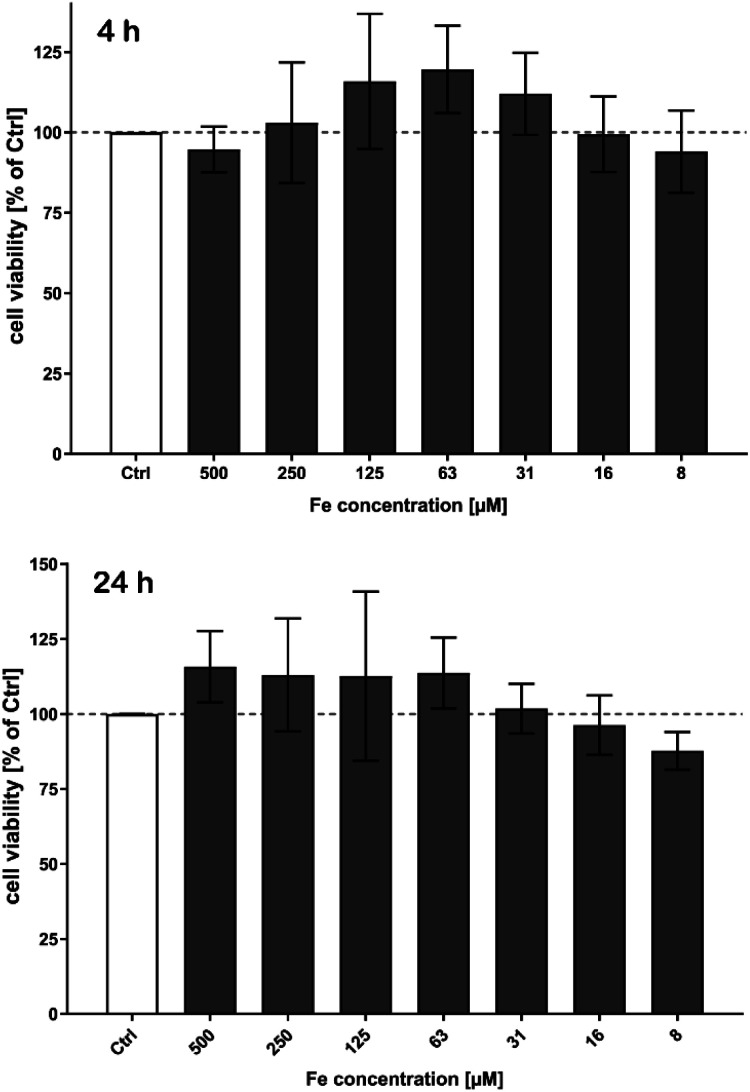
Micromixer technology was used to manufacture magnetic single core iron oxide nanoparticles that combine imaging as well as therapeutic functions. In a continuous, scalable and highly controllable manner, synthesis with biocompatible educts an aqueous synthesis route was performed. Size control by varying relevant process parameters temperature was confirmed by transmission electron microscopy measurements of experimental series demonstrating the exceptional size control and homogeneity. Furthermore, analytical centrifugation evidenced the stably dispersed state of the single core nanoparticles in aqueous media. Size controlled production of single-core iron oxide nanoparticles was used to design optimized nanoparticles with a core diameter of about 30 nm, showing high signal amplitudes in Magnetic Particle Imaging (MPI) as a promising MPI tracer material. Moreover, therapeutic potential of these particles in magnetic fluid hyperthermia was evaluated and specific absorption rates (SAR values) up to 1 kW per g(Fe) were obtained, which exceed the comparable SAR value of Resovist® by more than a factor of three. Relaxometry measurements clearly confirmed the capacity of these single-core magnetic nanoparticles to generate significant -weighted magnetic resonance imaging (MRI) contrast that potentially allows multimodal imaging for monitoring the particles in a theranostic application scenario. Finally, first cell viability and apoptosis tests on endothelial cells did not show any cytotoxicity certifying a good biocompatibility of the iron oxide nanoparticles. This microtechnological approach provides reproducible, scalable single core iron oxide nanoparticles as highly performing tracers for MPI diagnosis as well as efficient heat generators for hyperthermia therapy. These preliminary results contribute to translational research in image guided cancer therapy - a further step from basic research to future medicine.
微混合器技术被用于制造兼具成像和治疗功能的磁性单核氧化铁纳米颗粒。通过连续、可扩展且高度可控的方式,采用生物相容性反应物进行了水相合成路线。通过改变相关工艺参数(如温度)来控制尺寸,经透射电子显微镜对实验系列的测量证实了卓越的尺寸控制和均匀性。此外,分析离心法证明了单核纳米颗粒在水介质中稳定分散的状态。尺寸可控的单核氧化铁纳米颗粒的生产被用于设计优化的纳米颗粒,其核心直径约为30 nm,在磁颗粒成像(MPI)中显示出高信号幅度,是一种有前景的MPI示踪材料。此外,评估了这些颗粒在磁流体热疗中的治疗潜力,获得了高达每克(铁)1千瓦的比吸收率(SAR值),这比Resovist®的可比SAR值高出三倍多。弛豫测量清楚地证实了这些单核磁性纳米颗粒能够产生显著的T2加权磁共振成像(MRI)对比度,这在治疗诊断应用场景中可能允许对颗粒进行多模态成像监测。最后,对内皮细胞进行的首次细胞活力和凋亡测试未显示任何细胞毒性,证明了氧化铁纳米颗粒具有良好的生物相容性。这种微技术方法提供了可重复、可扩展的单核氧化铁纳米颗粒,作为用于MPI诊断的高性能示踪剂以及用于热疗的高效发热器。这些初步结果有助于图像引导癌症治疗的转化研究——从基础研究迈向未来医学的又一步。