Department of Biochemistry, Memorial University of Newfoundland, St. John's, NL A1C 5S7, Canada.
Marine Bioprocessing Facility, Centre of Aquaculture and Seafood Development, Marine Institute, Memorial University, St. John's, NL A1C 5R3, Canada.
Mar Drugs. 2022 Sep 28;20(10):610. doi: 10.3390/md20100610.
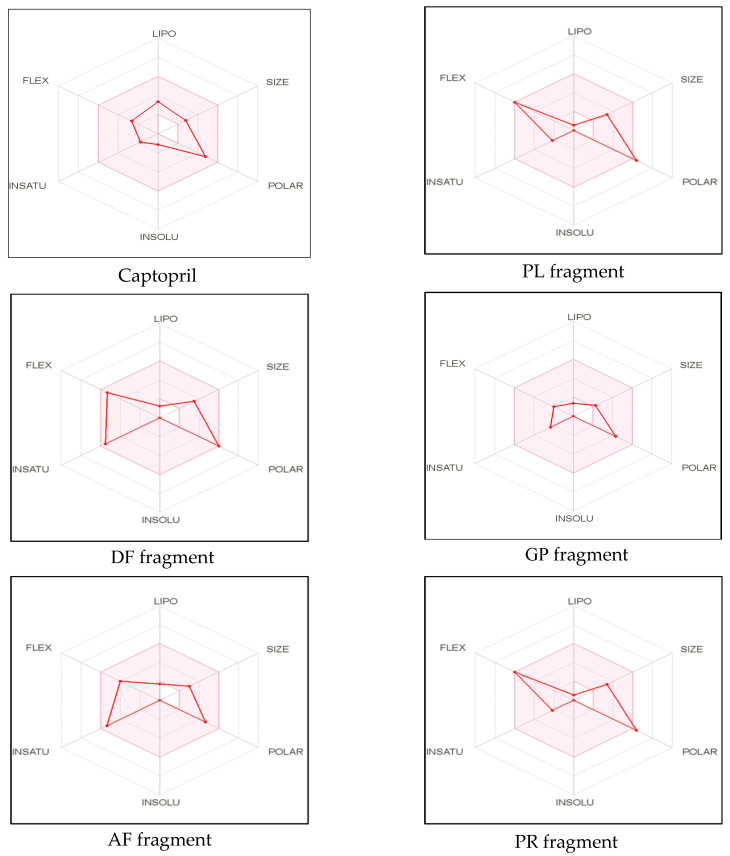
Bioinformatic tools are widely used in predicting potent bioactive peptides from food derived materials. This study was focused on utilizing sea cucumber processing by-products for generating antioxidant and ACE inhibitory peptides by application of a range of in silico techniques. Identified peptides using LC-MS/MS were virtually screened by PepRank technique followed by in silico proteolysis simulation with representative digestive enzymes using BIOPEP-UWM data base tool. The resultant peptides after simulated digestion were evaluated for their toxicity using ToxinPred software. All digestive resistance peptides were found to be non-toxic and displayed favorable functional properties indicating their potential for use in a wide range of food applications, including hydrophobic and hydrophilic systems. Identified peptides were further assessed for their medicinal characteristics by employing SwissADME web-based application. Our findings provide an insight on potential use of undervalued sea cucumber processing discards for functional food product development and natural pharmaceutical ingredients attributed to the oral drug discovery process.
生物信息学工具广泛应用于预测食物来源的有效生物活性肽。本研究专注于利用海参加工副产物,通过应用一系列计算机技术生成抗氧化和 ACE 抑制肽。使用 LC-MS/MS 鉴定的肽,首先使用 PepRank 技术进行虚拟筛选,然后使用 BIOPEP-UWM 数据库工具,使用代表性消化酶进行计算机蛋白水解模拟。使用 ToxinPred 软件评估模拟消化后的肽的毒性。所有消化抗性肽均被发现无毒,并表现出良好的功能特性,表明它们在广泛的食品应用中具有潜在用途,包括疏水和亲水系统。鉴定的肽进一步通过使用 SwissADME 网络应用程序评估其药用特性。我们的研究结果为利用被低估的海参加工废弃物开发功能性食品产品和天然药物成分提供了新的思路,这归因于口服药物发现过程。