Popovici Violeta, Matei Elena, Cozaru Georgeta Camelia, Bucur Laura, Gîrd Cerasela Elena, Schröder Verginica, Ozon Emma Adriana, Musuc Adina Magdalena, Mitu Mirela Adriana, Atkinson Irina, Rusu Adriana, Petrescu Simona, Mitran Raul-Augustin, Anastasescu Mihai, Caraiane Aureliana, Lupuliasa Dumitru, Aschie Mariana, Badea Victoria
Department of Microbiology and Immunology, Faculty of Dental Medicine, Ovidius University of Constanta, 900684 Constanta, Romania.
Center for Research and Development of the Morphological and Genetic Studies of Malignant Pathology, Ovidius University of Constanta, CEDMOG, 900591 Constanta, Romania.
Antioxidants (Basel). 2022 Sep 28;11(10):1934. doi: 10.3390/antiox11101934.
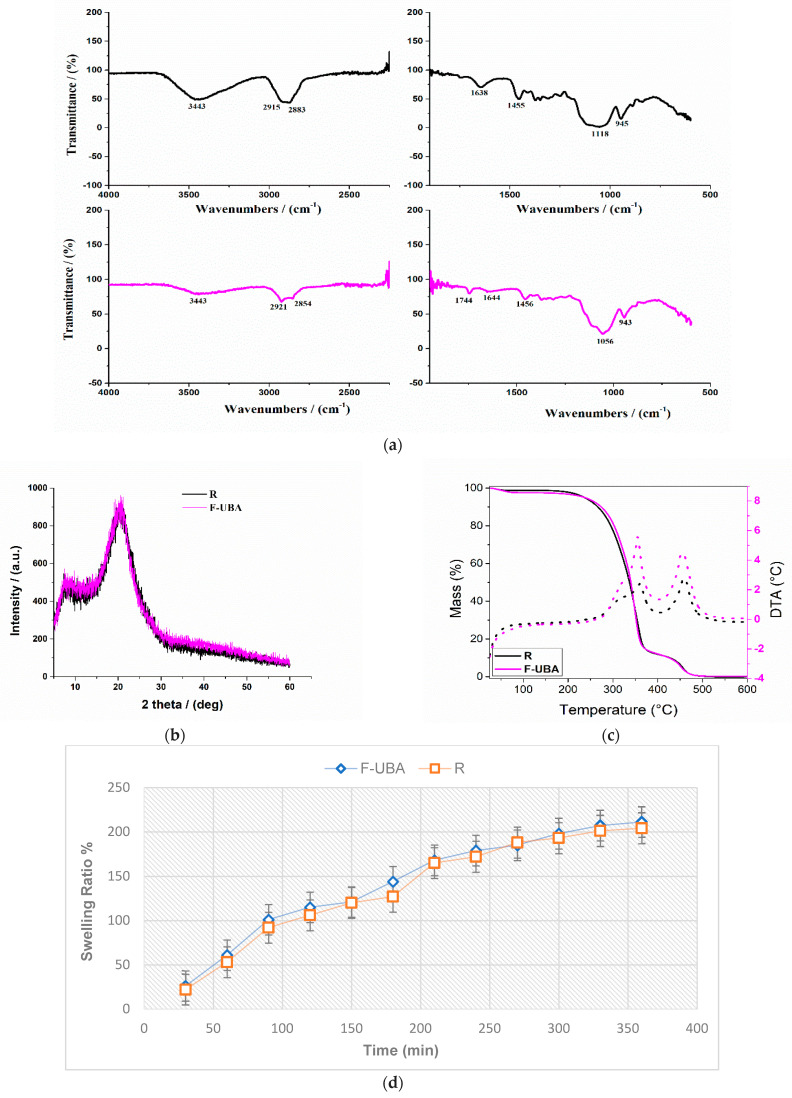
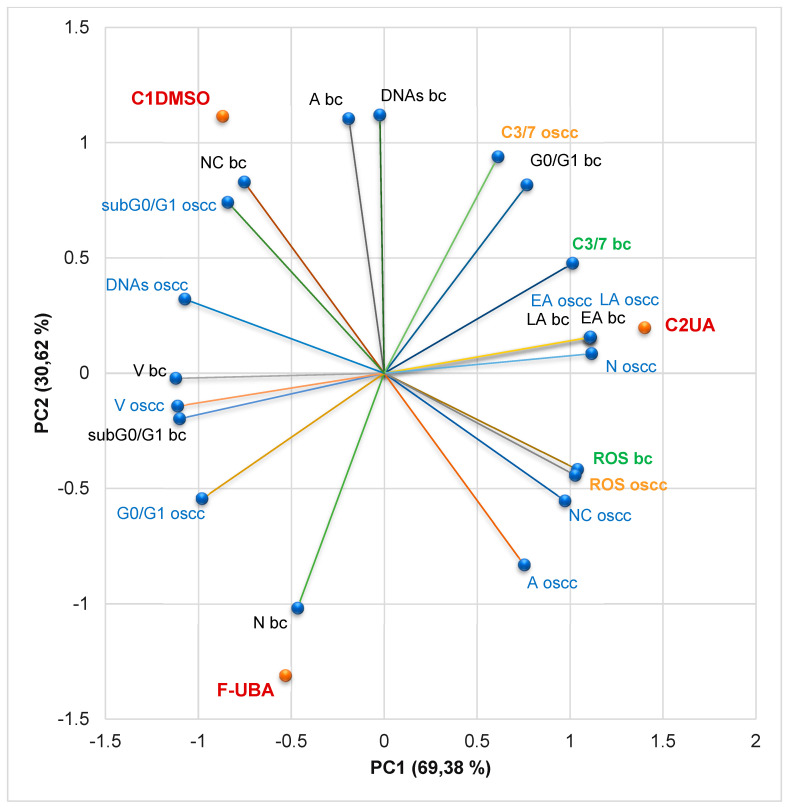
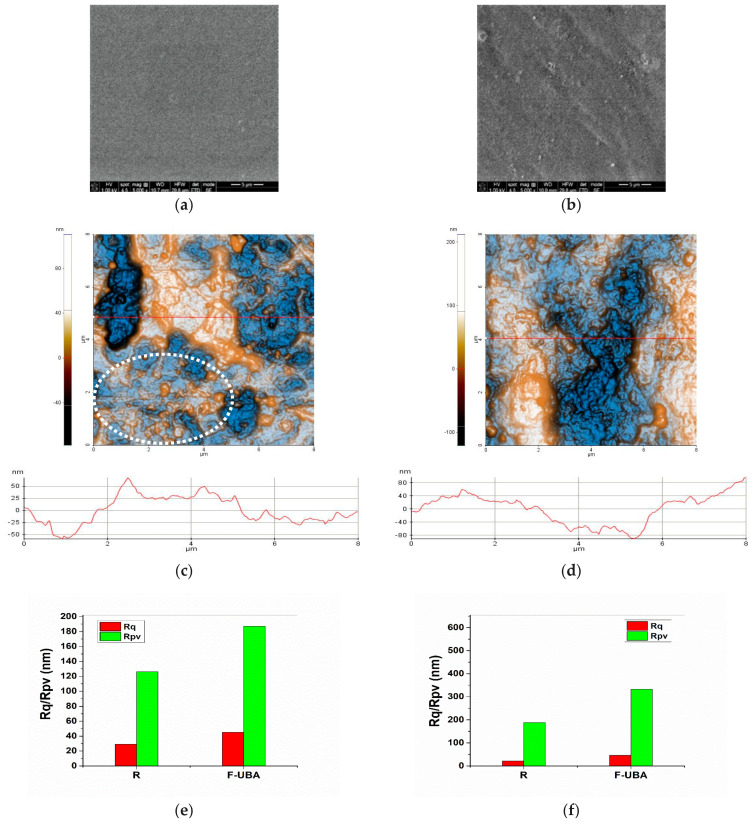
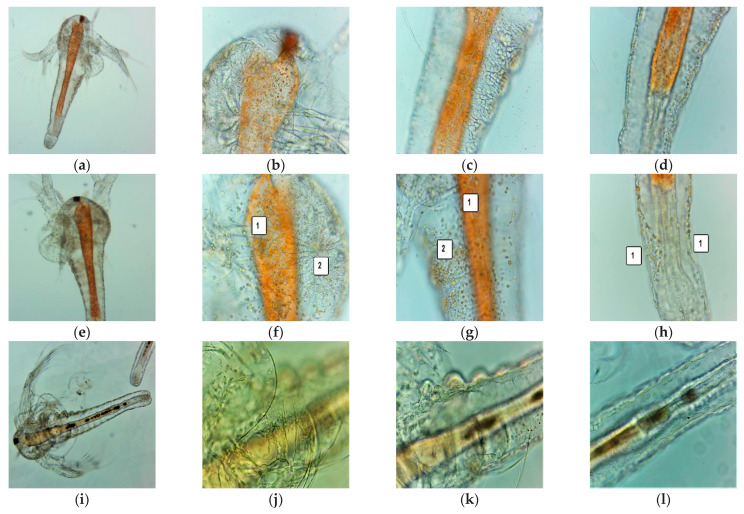
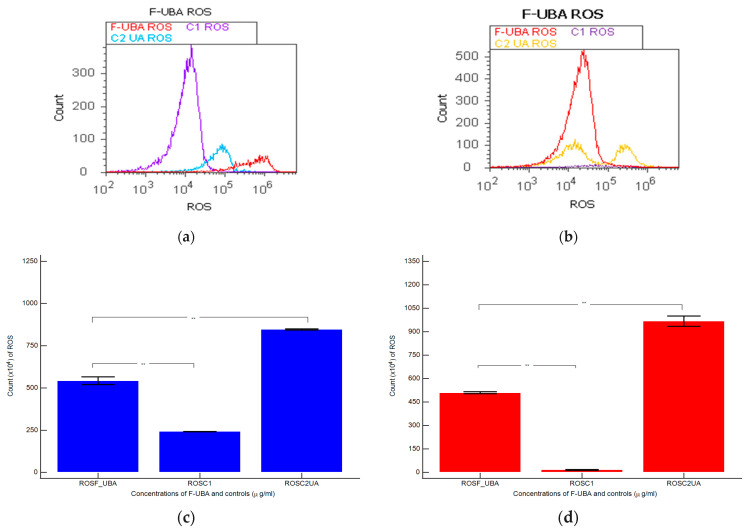
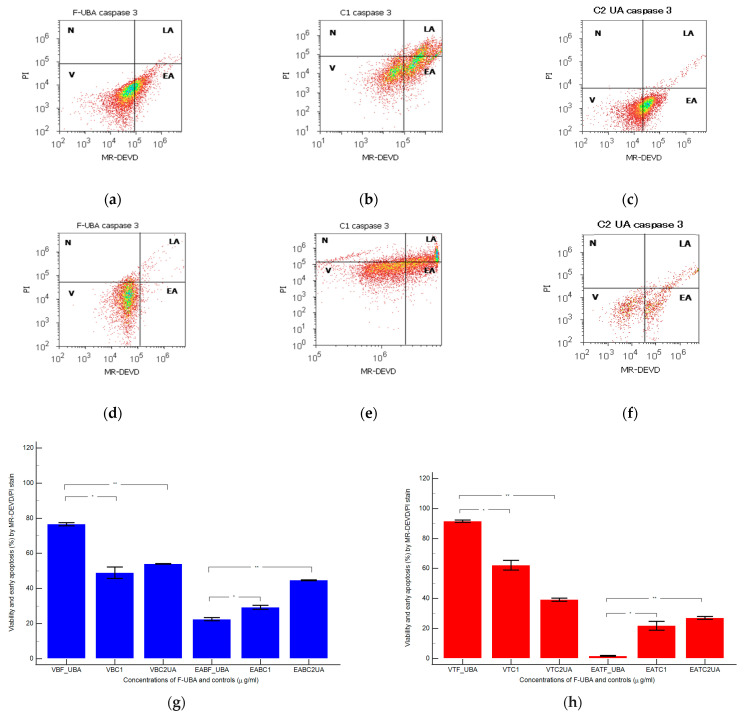
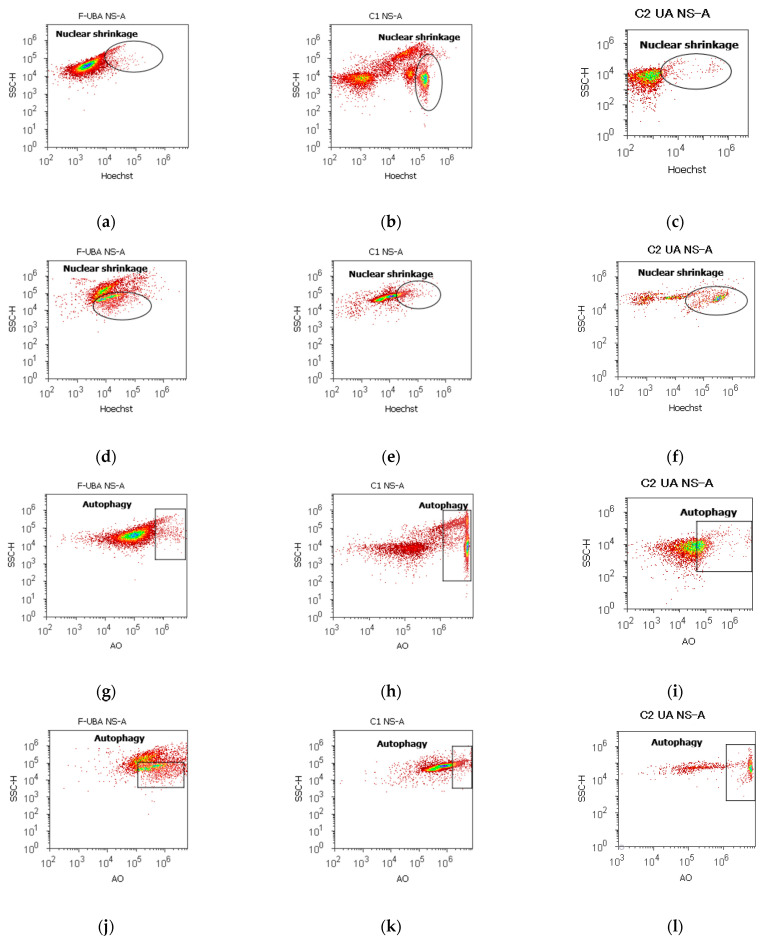
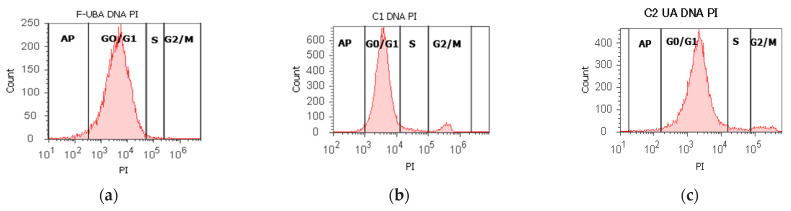
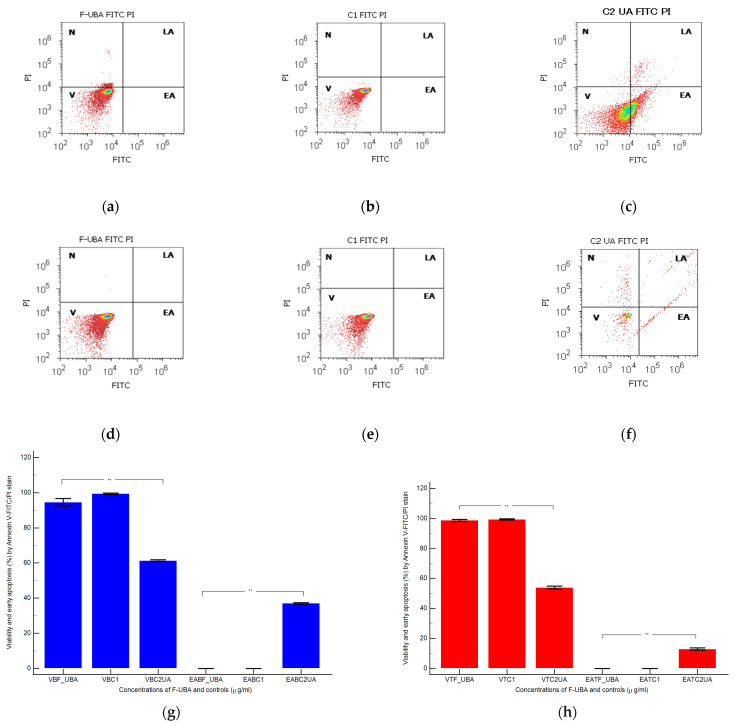
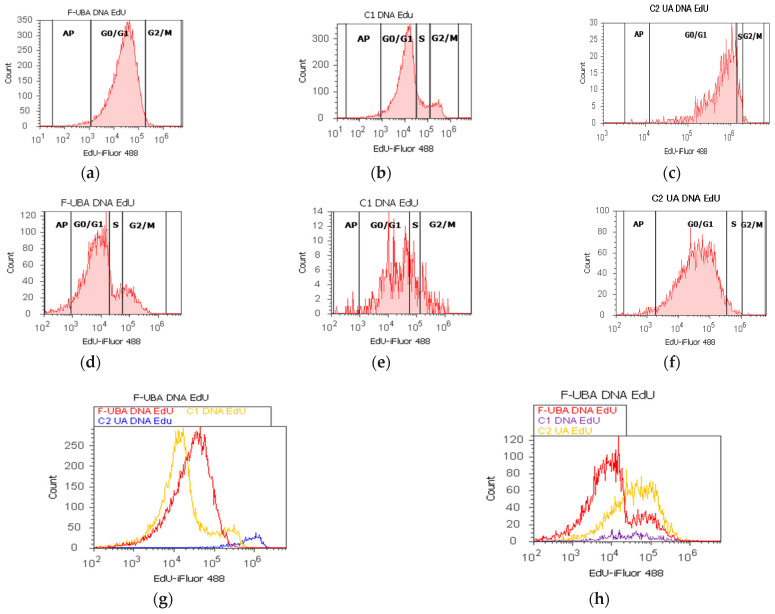
Oral squamous cell carcinoma (OSCC) is the most frequent oral malignancy, with a high death rate and an inadequate response to conventional chemotherapeutic drugs. Medical research explores plant extracts' properties to obtain potential nanomaterial-based anticancer drugs. The present study aims to formulate, develop, and characterize mucoadhesive oral films loaded with (L.) dry acetone extract (F-UBA) and to investigate their anticancer potential for possible use in oral cancer therapy. dry acetone extract (UBA) was solubilized in ethanol: isopropanol mixture and loaded in a formulation containing hydroxypropyl methylcellulose (HPMC) K100 and polyethylene glycol 400 (PEG 400). The UBA influence on the F-UBA pharmaceutical characteristics was evidenced compared with the references, i.e., mucoadhesive oral films containing suitable excipients but no active ingredient loaded. Both films were subjected to a complex analysis using standard methods to evaluate their suitability for topical administration on the oral mucosa. Physico-chemical and structural characterization was achieved by Fourier transform infrared spectroscopy (FTIR), X-ray diffraction (XRD), thermogravimetric analysis (TGA), scanning electron microscopy (SEM), and atomic force microscopy (AFM). Pharmacotechnical evaluation (consisting of the measurement of specific parameters: weight uniformity, thickness, folding endurance, tensile strength, elongation, moisture content, pH, disintegration time, swelling rate, and mucoadhesion time) proved that F-UBAs are suitable for oral mucosal administration. The brine shrimp lethality (BSL) assay was the F-UBA cytotoxicity prescreen. Cellular oxidative stress, caspase 3/7 activity, nuclear condensation, lysosomal activity, and DNA synthesis induced by F-UBA in blood cell cultures and oral epithelial squamous cell carcinoma (CLS-354) cell line were investigated through complex flow cytometry analyses. Moreover, F-UBA influence on both cell type division and proliferation was determined. Finally, using the resazurin-based 96-well plate microdilution method, the F-UBA antimicrobial potential was explored against ATCC 25923, ATCC 27353, ATCC 10231, and ATCC 22019. The results revealed that each UBA-loaded film contains 175 µg dry extract with a usnic acid (UA) content of 42.32 µg. F-UBAs are very thin (0.060 ± 0.002 mm), report a neutral pH (7.01 ± 0.01), a disintegration time of 146 ± 5.09 s, and an ex vivo mucoadhesion time of 85 ± 2.33 min, and they show a swelling ratio after 6 h of 211 ± 4.31%. They are suitable for topical administration on the oral mucosa. Like UA, they act on CLS-354 tumor cells, considerably increasing cellular oxidative stress, nuclear condensation, and autophagy and inducing cell cycle arrest in G0/G1. The F-UBAs inhibited the bacterial and fungal strains in a dose-dependent manner; they showed similar effects on both sp. and higher inhibitory activity against than . All these properties lead to considering the UBA-loaded mucoadhesive oral films suitable for potential application as a complementary therapy in OSCC.
口腔鳞状细胞癌(OSCC)是最常见的口腔恶性肿瘤,死亡率高,对传统化疗药物反应不佳。医学研究探索植物提取物的特性,以获取潜在的基于纳米材料的抗癌药物。本研究旨在制备、开发和表征负载地衣(L.)干丙酮提取物(F-UBA)的粘膜粘附口腔膜,并研究其在口腔癌治疗中可能应用的抗癌潜力。将地衣干丙酮提取物(UBA)溶解在乙醇:异丙醇混合物中,并负载于含有羟丙基甲基纤维素(HPMC)K100和聚乙二醇400(PEG 400)的制剂中。与对照相比,即含有合适辅料但未负载活性成分的粘膜粘附口腔膜,证明了UBA对F-UBA药物特性的影响。使用标准方法对两种膜进行综合分析,以评估它们在口腔粘膜局部给药的适用性。通过傅里叶变换红外光谱(FTIR)、X射线衍射(XRD)、热重分析(TGA)、扫描电子显微镜(SEM)和原子力显微镜(AFM)进行物理化学和结构表征。药物技术评估(包括测量特定参数:重量均匀性、厚度、耐折性、拉伸强度、伸长率、水分含量、pH值、崩解时间、溶胀率和粘膜粘附时间)证明F-UBA适合口腔粘膜给药。卤虫致死率(BSL)试验是F-UBA细胞毒性预筛选。通过复杂的流式细胞术分析,研究了F-UBA在血细胞培养物和口腔上皮鳞状细胞癌(CLS-354)细胞系中诱导的细胞氧化应激、半胱天冬酶3/7活性、核浓缩、溶酶体活性和DNA合成情况。此外,还确定了F-UBA对两种细胞类型分裂和增殖的影响。最后, 使用基于刃天青的96孔板微量稀释法,探索了F-UBA对金黄色葡萄球菌ATCC 25923、白色念珠菌ATCC 27353、热带念珠菌ATCC 10231和近平滑念珠菌ATCC 22019的抗菌潜力。结果显示, 每片负载UBA的薄膜含有175μg干提取物,其中松萝酸(UA)含量为42.32μg。F-UBA非常薄(0.060±0.002mm),pH值呈中性(7.01±0.01),崩解时间为146±5.09秒,体外粘膜粘附时间为85±2.33分钟,6小时后的溶胀率为211±4.31%。它们适合在口腔粘膜局部给药。与UA一样,它们作用于CLS-354肿瘤细胞,显著增加细胞氧化应激、核浓缩和自噬,并诱导细胞周期停滞在G0/G1期。F-UBA以剂量依赖的方式抑制细菌和真菌菌株;它们对近平滑念珠菌和热带念珠菌显示出相似的作用,对白色念珠菌的抑制活性高于热带念珠菌。所有这些特性使得负载UBA的粘膜粘附口腔膜被认为适合作为OSCC的辅助治疗潜在应用。