Sun Weiwei, Pang Yu, Zhang Guo
College of Optoelectronic Engineering, Chongqing University of Posts and Telecommunications, Chongqing, China.
School of Medical Information and Engineering, Southwest Medical University, Luzhou, China.
Front Physiol. 2022 Nov 4;13:1066999. doi: 10.3389/fphys.2022.1066999. eCollection 2022.
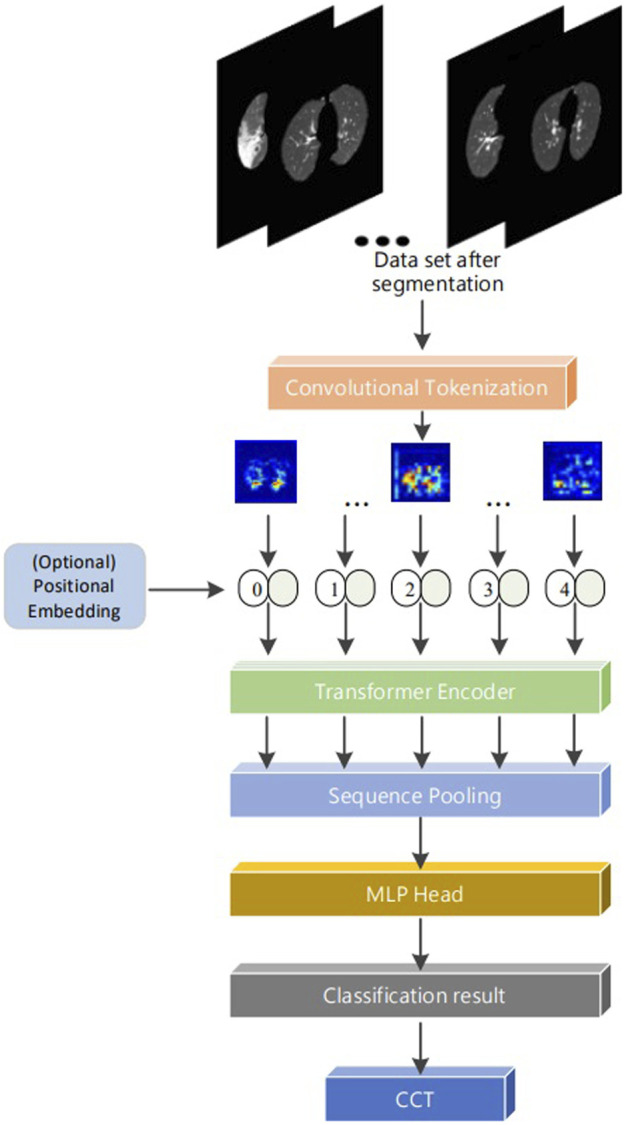
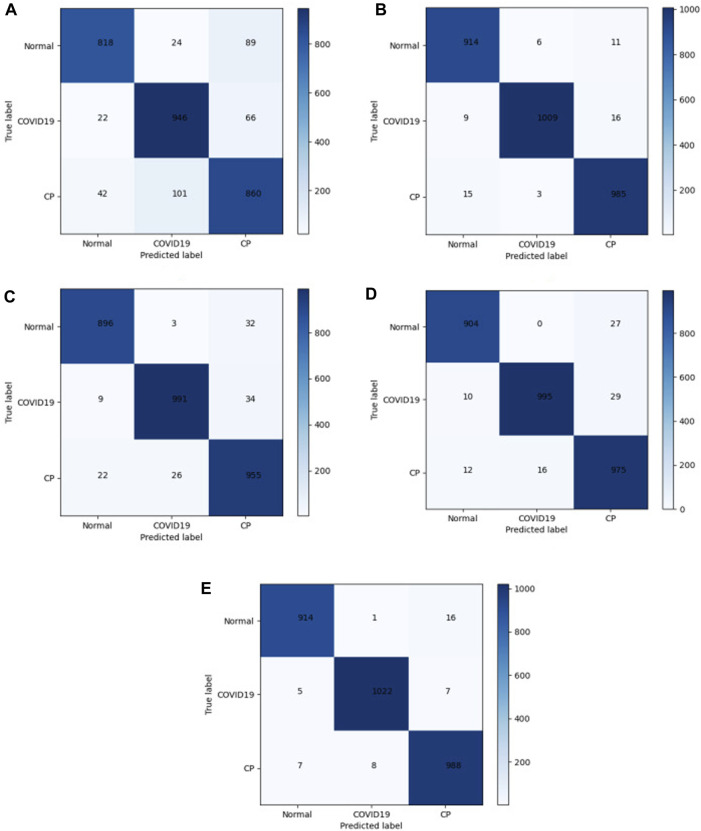
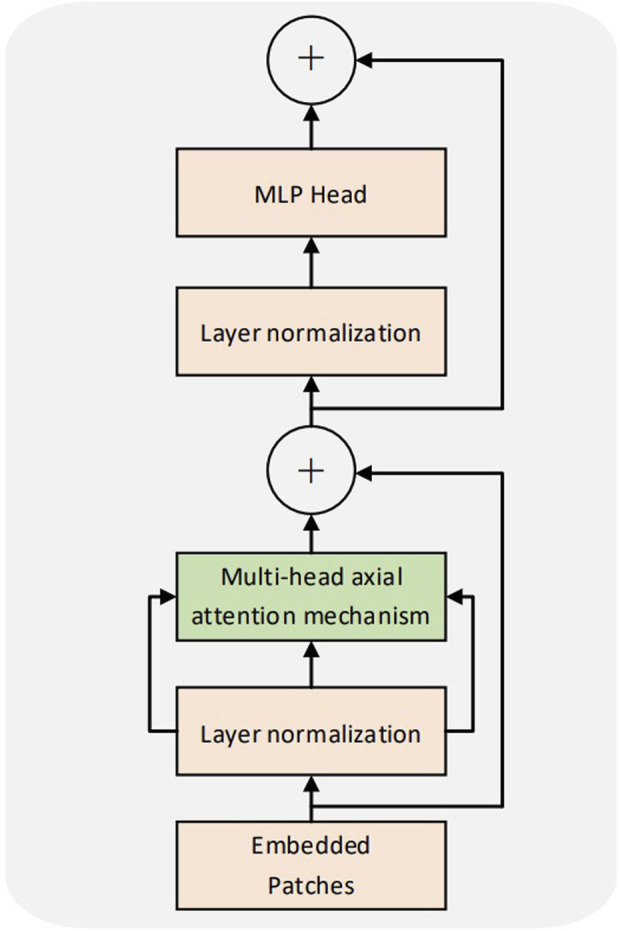
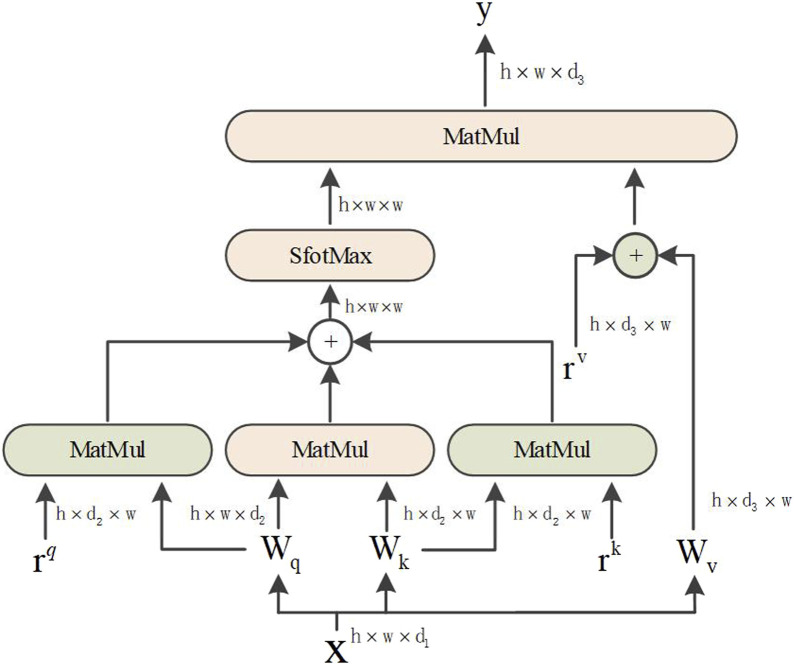
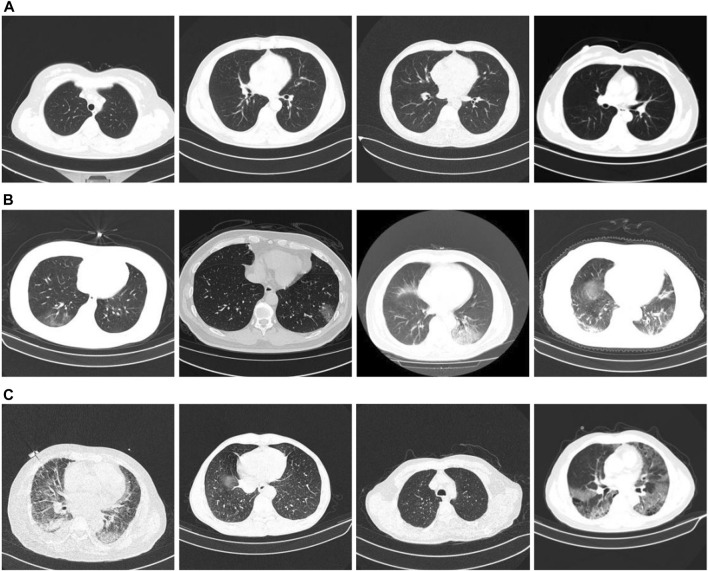
Computed tomography (CT) imaging results are an important criterion for the diagnosis of lung disease. CT images can clearly show the characteristics of lung lesions. Early and accurate detection of lung diseases helps clinicians to improve patient care effectively. Therefore, in this study, we used a lightweight compact convolutional transformer (CCT) to build a prediction model for lung disease classification using chest CT images. We added a position offset term and changed the attention mechanism of the transformer encoder to an axial attention mechanism module. As a result, the classification performance of the model was improved in terms of height and width. We show that the model effectively classifies COVID-19, community pneumonia, and normal conditions on the CC-CCII dataset. The proposed model outperforms other comparable models in the test set, achieving an accuracy of 98.5% and a sensitivity of 98.6%. The results show that our method achieves a larger field of perception on CT images, which positively affects the classification of CT images. Thus, the method can provide adequate assistance to clinicians.
计算机断层扫描(CT)成像结果是诊断肺部疾病的重要标准。CT图像能够清晰显示肺部病变的特征。早期准确地检测肺部疾病有助于临床医生有效地改善患者护理。因此,在本研究中,我们使用轻量级紧凑卷积变换器(CCT),利用胸部CT图像构建了一个用于肺部疾病分类的预测模型。我们添加了一个位置偏移项,并将变换器编码器的注意力机制改为轴向注意力机制模块。结果,该模型在高度和宽度方面的分类性能得到了提升。我们表明,该模型在CC-CCII数据集上能够有效地对新冠肺炎、社区肺炎和正常情况进行分类。所提出的模型在测试集中优于其他可比模型,准确率达到98.5%,灵敏度达到98.6%。结果表明,我们的方法在CT图像上实现了更大的感知视野,这对CT图像的分类产生了积极影响。因此,该方法可以为临床医生提供充分的帮助。