Rush Alzheimer's Disease Center, Rush University Medical Center, Chicago, IL.
Department of Neurological Sciences, Rush University Medical Center, Chicago, IL.
J Exp Med. 2023 Feb 6;220(2). doi: 10.1084/jem.20220618. Epub 2022 Dec 5.
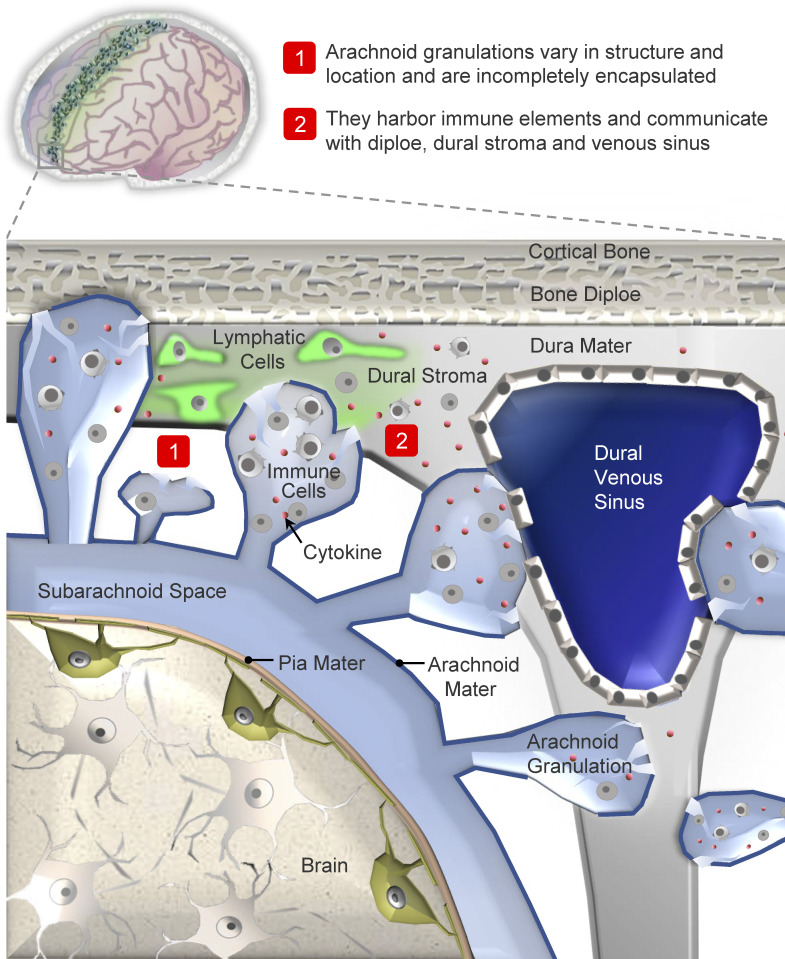
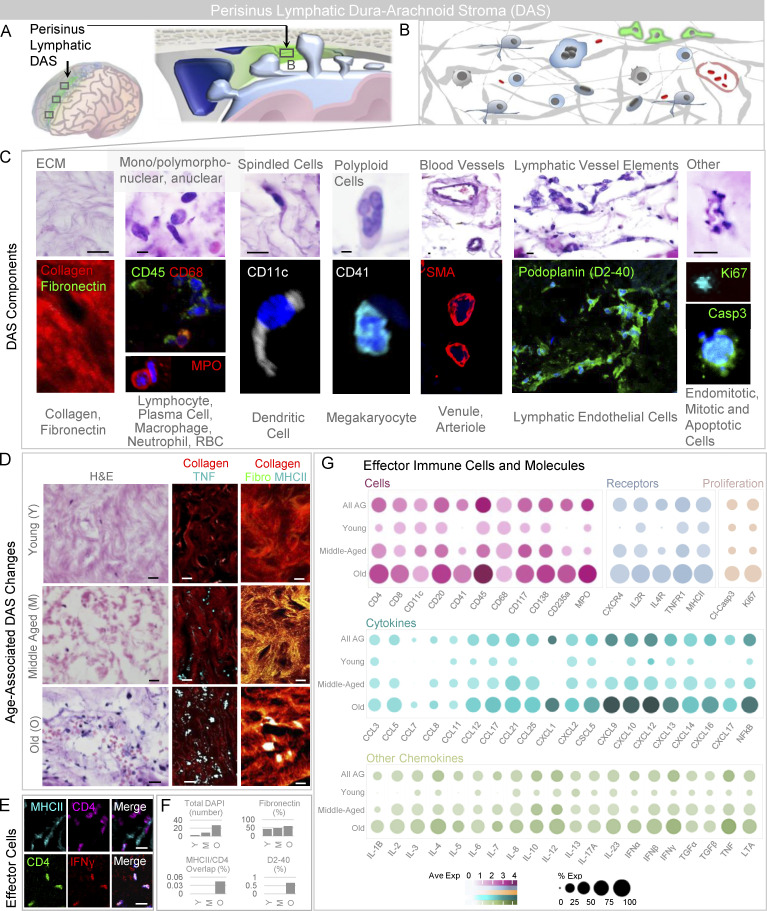
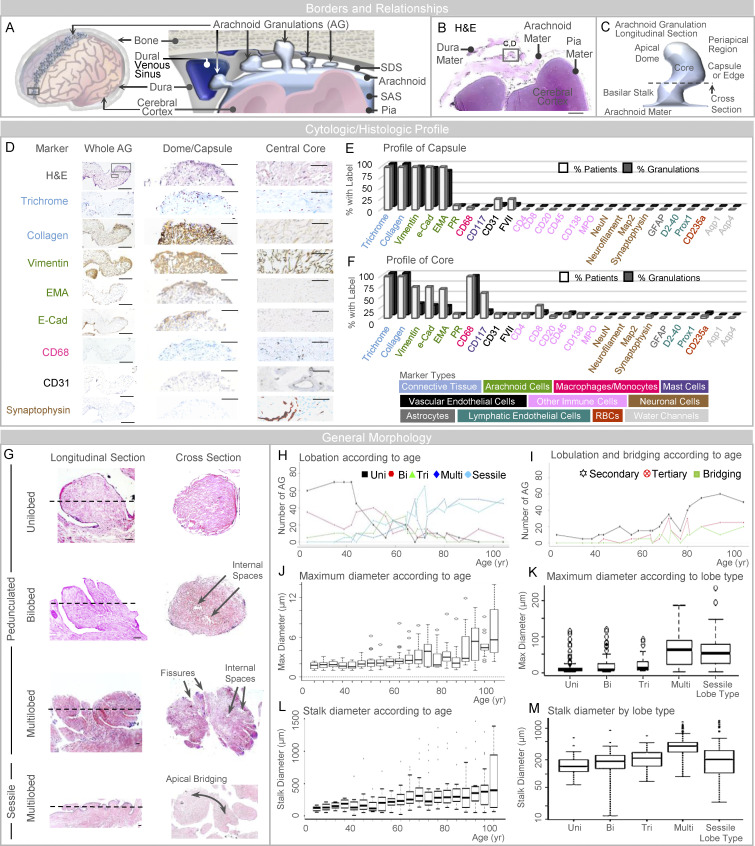
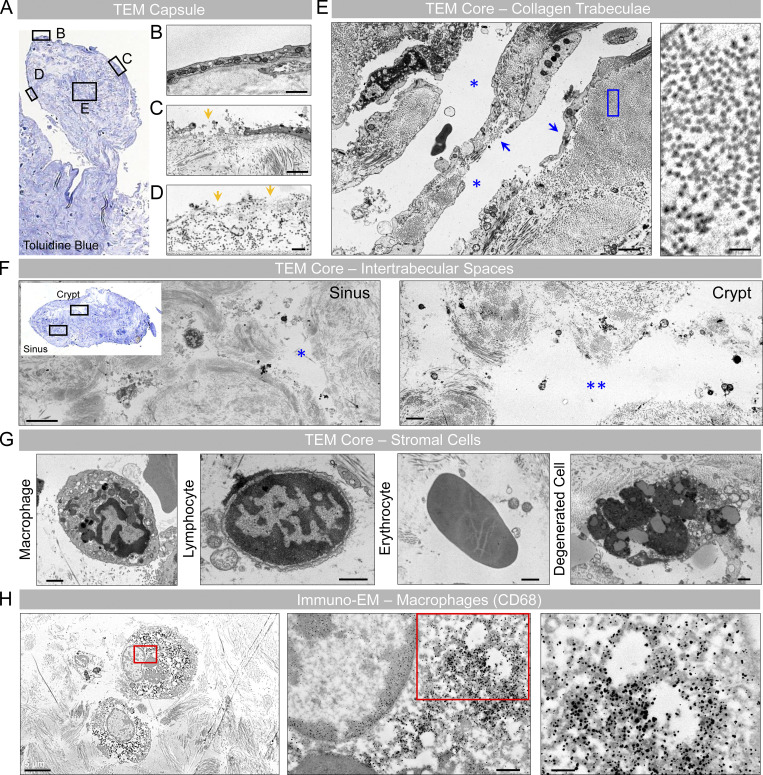
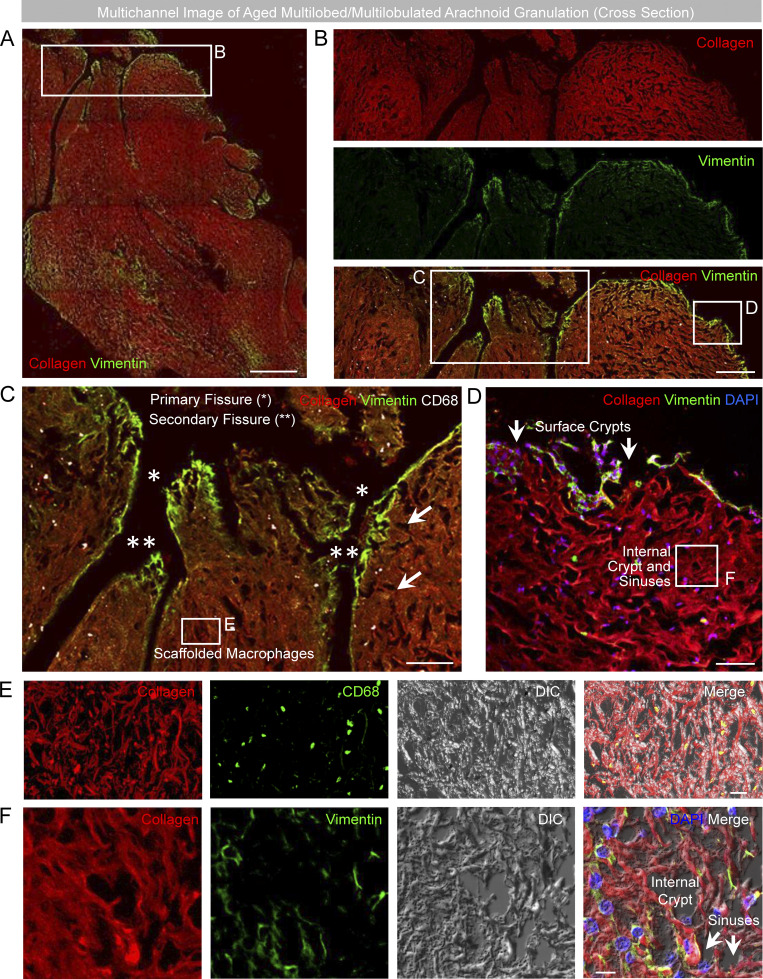
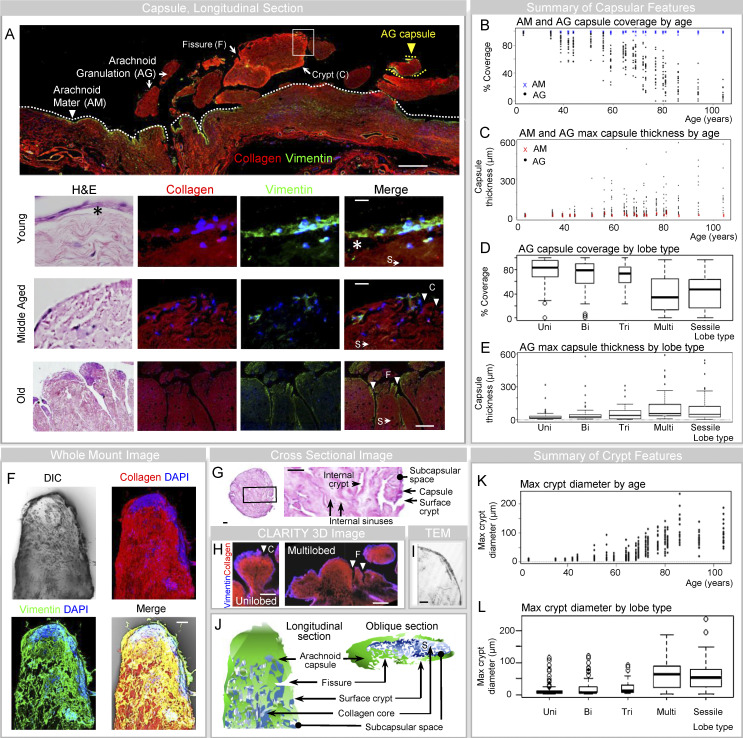
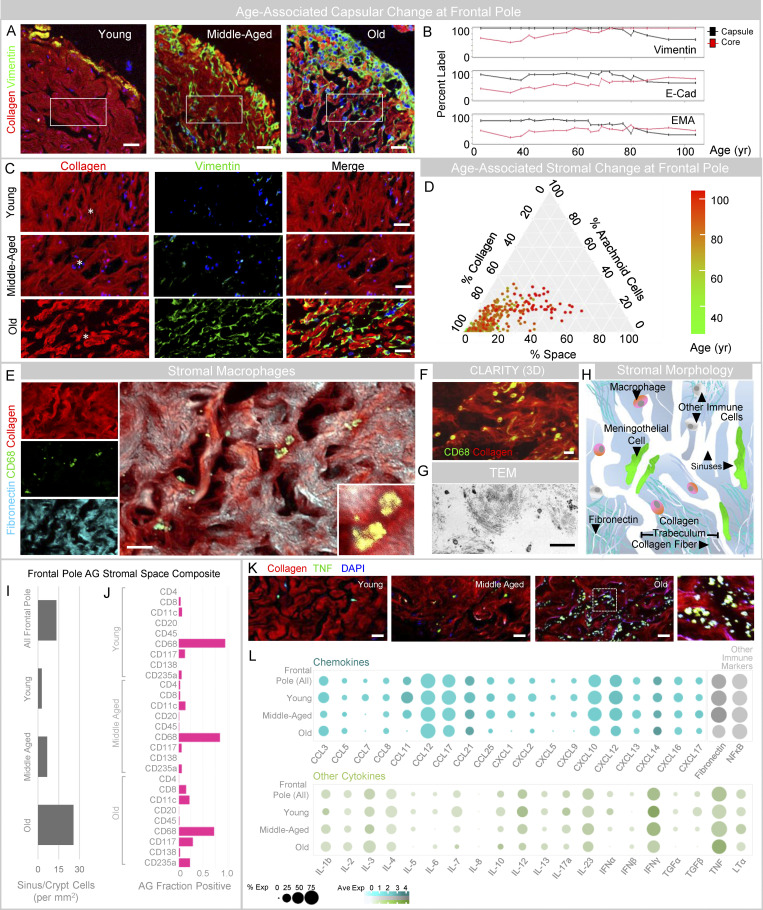
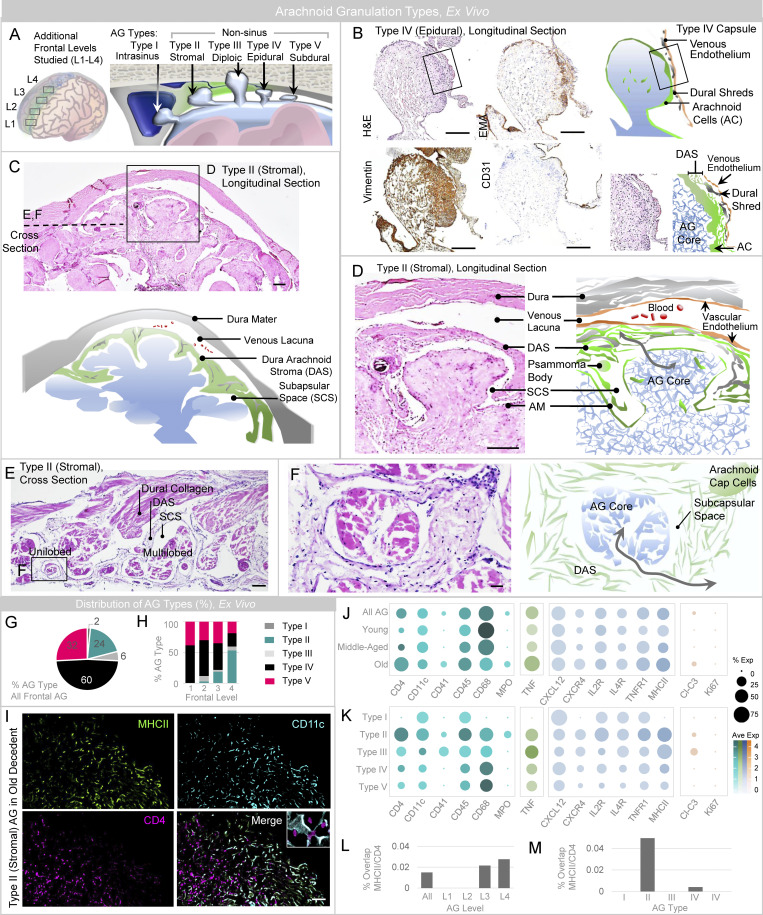
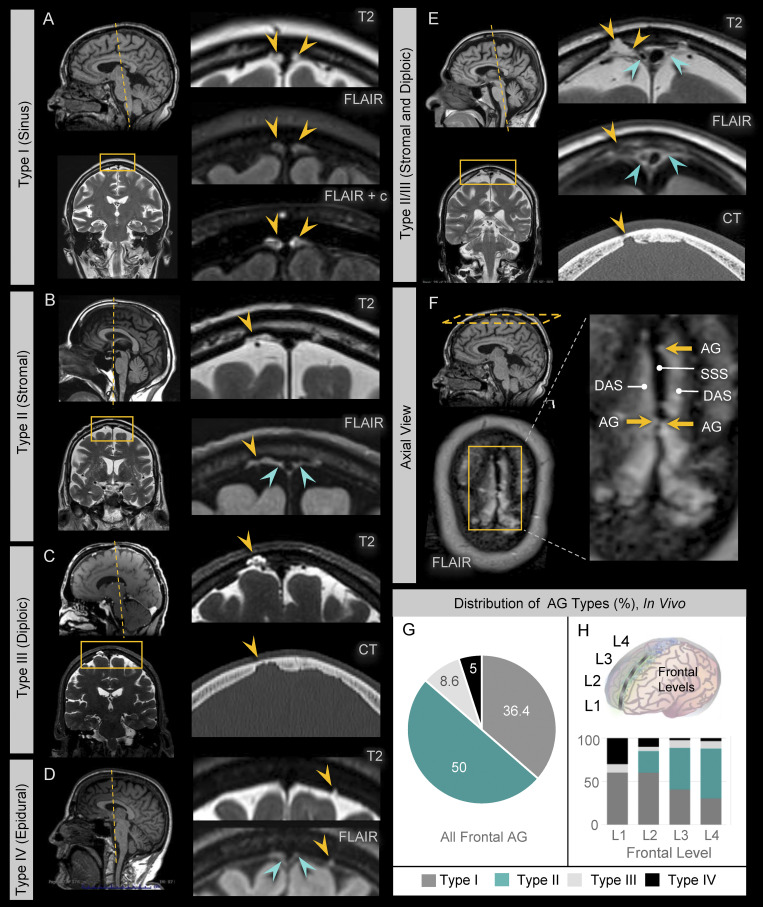
Arachnoid granulations (AG) are poorly investigated. Historical reports suggest that they regulate brain volume by passively transporting cerebrospinal fluid (CSF) into dural venous sinuses. Here, we studied the microstructure of cerebral AG in humans with the aim of understanding their roles in physiology. We discovered marked variations in AG size, lobation, location, content, and degree of surface encapsulation. High-resolution microscopy shows that AG consist of outer capsule and inner stromal core regions. The fine and porous framework suggests uncharacterized functions of AG in mechanical CSF filtration. Moreover, internal cytokine and immune cell enrichment imply unexplored neuroimmune properties of these structures that localize to the brain-meningeal lymphatic interface. Dramatic age-associated changes in AG structure are additionally identified. This study depicts for the first time microscopic networks of internal channels that communicate with perisinus spaces, suggesting that AG subserve important functions as transarachnoidal flow passageways. These data raise new theories regarding glymphatic-lymphatic coupling and mechanisms of CSF antigen clearance, homeostasis, and diseases.
蛛网膜颗粒(AG)的研究甚少。历史报告表明,它们通过将脑脊液(CSF)被动地转运到硬脑膜静脉窦中来调节脑容量。在这里,我们研究了人类脑 AG 的微观结构,旨在了解其在生理学中的作用。我们发现 AG 的大小、分叶、位置、内容和表面包裹程度存在显著差异。高分辨率显微镜显示 AG 由外囊和内基质核心区域组成。精细多孔的框架表明 AG 在 CSF 的机械过滤中具有未被表征的功能。此外,内部细胞因子和免疫细胞的富集暗示了这些结构具有未被探索的神经免疫特性,这些特性定位于脑脑膜淋巴界面。此外,还发现了 AG 结构与年龄相关的显著变化。这项研究首次描绘了与窦周间隙相通的内部通道的微观网络,表明 AG 作为蛛网膜下腔的通行途径具有重要功能。这些数据提出了关于神经淋巴耦联和 CSF 抗原清除、内稳态和疾病的机制的新理论。