
姜辣素,一种天然抗氧化剂,可减轻高血糖及下游并发症。
Gingerol, a Natural Antioxidant, Attenuates Hyperglycemia and Downstream Complications.
作者信息
Alharbi Khalid Saad, Nadeem Muhammad Shahid, Afzal Obaid, Alzarea Sami I, Altamimi Abdulmalik S A, Almalki Waleed Hassan, Mubeen Bismillah, Iftikhar Saima, Shah Luqman, Kazmi Imran
机构信息
Department of Pharmacology, College of Pharmacy, Jouf University, Sakaka 72341, Saudi Arabia.
Department of Biochemistry, Faculty of Science, King Abdulaziz University, Jeddah 21589, Saudi Arabia.
出版信息
Metabolites. 2022 Dec 16;12(12):1274. doi: 10.3390/metabo12121274.
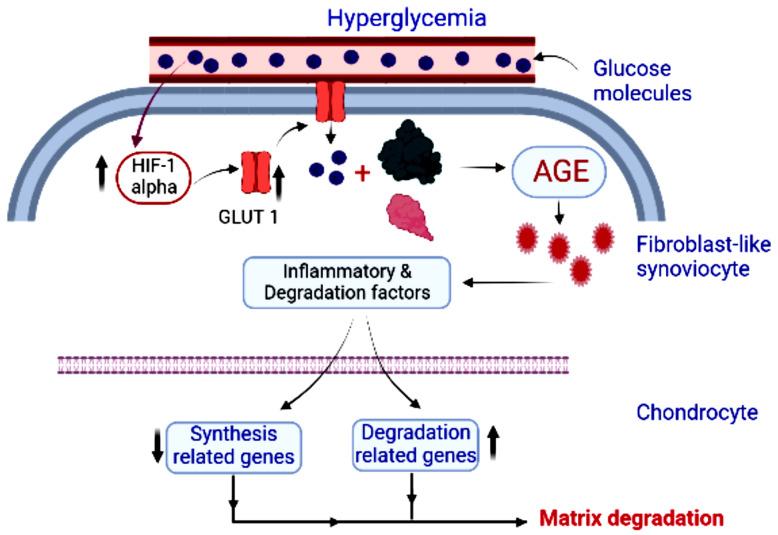
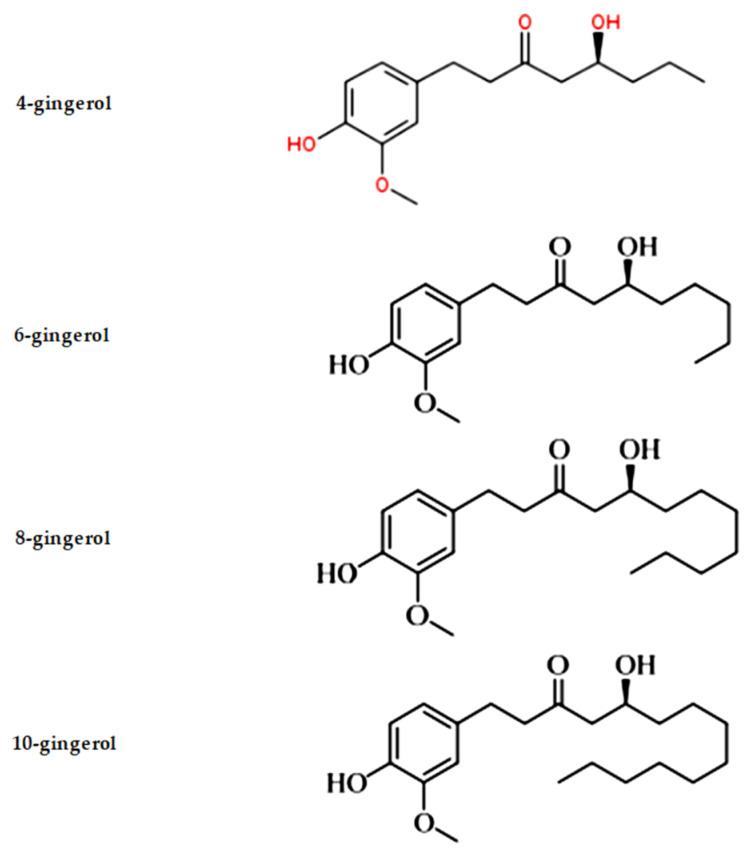
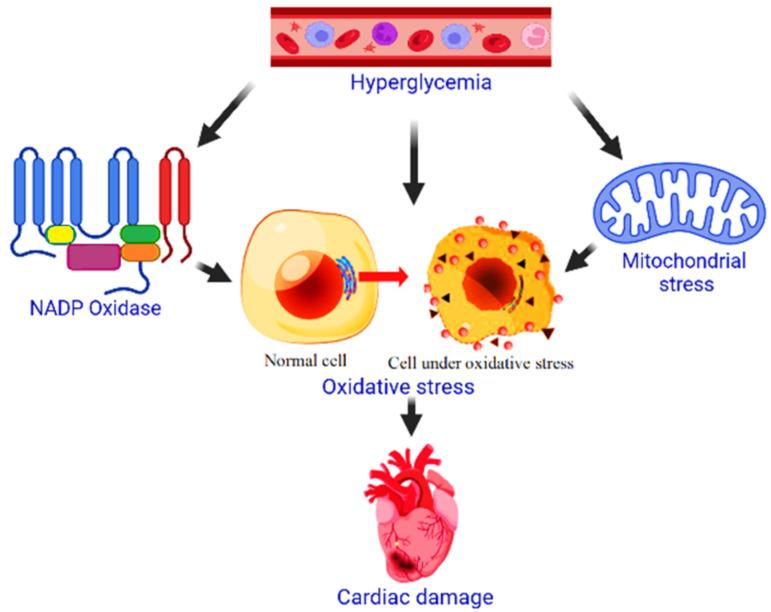
Hyperglycemia is seen in approximately 68 percent of patients admitted to a medical intensive care unit (ICU). In many acute circumstances, such as myocardial infarction, brain, injury and stroke, it is an independent predictor of mortality. Hyperglycemia is induced by a mix of genetic, environmental, and immunologic variables in people with type 1 diabetes. These factors cause pancreatic beta cell death and insulin insufficiency. Insulin resistance and irregular insulin production cause hyperglycemia in type 2 diabetes patients. Hyperglycemia activates a number of complicated interconnected metabolic processes. Hyperglycemia is a major contributor to the onset and progression of diabetes' secondary complications such as neuropathy, nephropathy, retinopathy, cataracts, periodontitis, and bone and joint issues. Studies on the health benefits of ginger and its constituent's impact on hyperglycemia and related disorders have been conducted and gingerol proved to be a potential pharmaceutically active constituent of ginger () that has been shown to lower blood sugar levels, because it possesses antioxidant properties and it functions as an antioxidant in the complicated biochemical process that causes hyperglycemia to be activated. Gingerol not only helps in treating hyperglycemia but also shows effectivity against diseases related to it, such as cardiopathy, kidney failure, vision impairments, bone and joint problems, and teeth and gum infections. Moreover, fresh ginger has various gingerol analogues, with 6-gingerol being the most abundant. However, it is necessary to investigate the efficacy of its other analogues against hyperglycemia and associated disorders at various concentrations in order to determine the appropriate dose for treating these conditions.
在入住医疗重症监护病房(ICU)的患者中,约68%会出现高血糖。在许多急性情况下,如心肌梗死、脑损伤和中风,高血糖是死亡率的独立预测因素。1型糖尿病患者的高血糖是由遗传、环境和免疫等多种因素共同导致的。这些因素会导致胰腺β细胞死亡和胰岛素分泌不足。2型糖尿病患者的高血糖则是由胰岛素抵抗和胰岛素分泌异常引起的。高血糖会激活一系列复杂的相互关联的代谢过程。高血糖是糖尿病继发并发症(如神经病变、肾病、视网膜病变、白内障、牙周炎以及骨骼和关节问题)发生和发展的主要因素。关于生姜的健康益处及其成分对高血糖和相关疾病影响的研究已经展开,姜辣素被证明是生姜中一种潜在的具有药理活性的成分,它已被证实能够降低血糖水平,因为它具有抗氧化特性,并且在激活高血糖的复杂生化过程中起到抗氧化作用。姜辣素不仅有助于治疗高血糖,还对与之相关的疾病有效,如心脏病、肾衰竭、视力障碍、骨骼和关节问题以及牙齿和牙龈感染。此外,新鲜生姜含有多种姜辣素类似物,其中6 - 姜辣素含量最为丰富。然而,有必要研究其其他类似物在不同浓度下对高血糖及相关疾病的疗效,以便确定治疗这些病症的合适剂量。
 Zotero 插件