Angellotti Giuseppe, Di Prima Giulia, Belfiore Elena, Campisi Giuseppina, De Caro Viviana
Department of Surgical, Oncological and Oral Sciences, University of Palermo, Via L. Giuffrè 5, 90127 Palermo, Italy.
Department of Biological, Chemical and Pharmaceutical Sciences and Technologies, University of Palermo, Via Archirafi 32, 90123 Palermo, Italy.
Pharmaceutics. 2023 Jan 13;15(1):275. doi: 10.3390/pharmaceutics15010275.
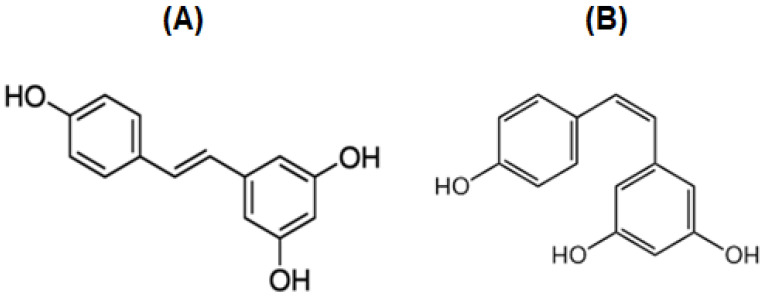
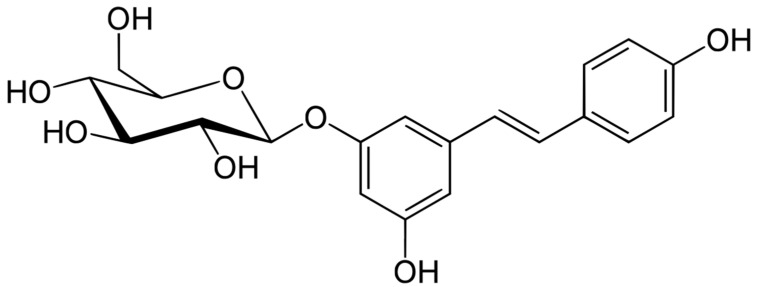
Oral squamous cell carcinoma (OSCC) is one of the most prevailing and aggressive head and neck cancers, featuring high morbidity and mortality. The available conventional treatments suffer from several adverse effects and are often inefficient in terms of their survival rates. Thus, seeking novel therapeutic agents and adjuvants is of the utmost importance for modern society. Natural polyphenolic compounds have recently emerged as promising chemopreventive and anticancer agents. Specifically, the natural compound resveratrol (RSV) has recently gained momentum for this purpose. RSV is useful for treating OSCC due to its antiproliferative, antimetastatic, and proapoptotic effects. Additionally, RSV acts against tumor cells while synergically cooperating with chemotherapeutics, overcoming drug resistance phenomena. Despite these wide-spectrum effects, there are few specific investigations regarding RSV's effects against OSCC animal models that consider different routes and vehicles for the administration of RSV. Interestingly, an injectable RSV-loaded liposome-based formulation was proven to be effective against both in vitro and in vivo OSCC models, demonstrating that the development of RSV-loaded drug delivery systems for systemic and/or loco-regional applications may be the turning point in oral cancer treatment, leading to benefits from both RSV's properties as well as from targeted delivery. Given these premises, this review offers a comprehensive overview of the in vitro and in vivo effects of RSV and its main derivative, polydatin (PD), against OSCC-related cell lines and animal models, aiming to guide the scientific community in regard to RSV and PD use in the treatment of oral precancerous and cancerous lesions.
口腔鳞状细胞癌(OSCC)是最常见且侵袭性最强的头颈癌之一,具有高发病率和高死亡率。现有的传统治疗方法存在多种不良反应,且就生存率而言往往效果不佳。因此,寻找新型治疗药物和佐剂对现代社会至关重要。天然多酚类化合物最近已成为有前景的化学预防和抗癌药物。具体而言,天然化合物白藜芦醇(RSV)最近在这方面受到了更多关注。RSV因其抗增殖、抗转移和促凋亡作用而可用于治疗OSCC。此外,RSV在与化疗药物协同作用时对肿瘤细胞起作用,克服耐药现象。尽管有这些广泛的作用,但关于RSV对OSCC动物模型的影响,考虑不同给药途径和载体的具体研究却很少。有趣的是,一种基于注射用载RSV脂质体的制剂已被证明对体外和体内OSCC模型均有效,这表明开发用于全身和/或局部区域应用的载RSV药物递送系统可能是口腔癌治疗的转折点,可从RSV的特性以及靶向递送中获益。基于这些前提,本综述全面概述了RSV及其主要衍生物虎杖苷(PD)对OSCC相关细胞系和动物模型的体外和体内作用,旨在指导科学界在治疗口腔癌前病变和癌性病变时使用RSV和PD。