Institut de Sciences Moléculaires d'Orsay, UMR CNRS 8214, Université Paris-Sud, Université Paris-Saclay, 91400 Orsay, France.
Institut Charles Gerhardt Montpellier, UMR 5253 CNRS, UM, ENSCM, University of Montpellier, 34293 Montpellier, France.
Int J Mol Sci. 2023 Feb 8;24(4):3362. doi: 10.3390/ijms24043362.
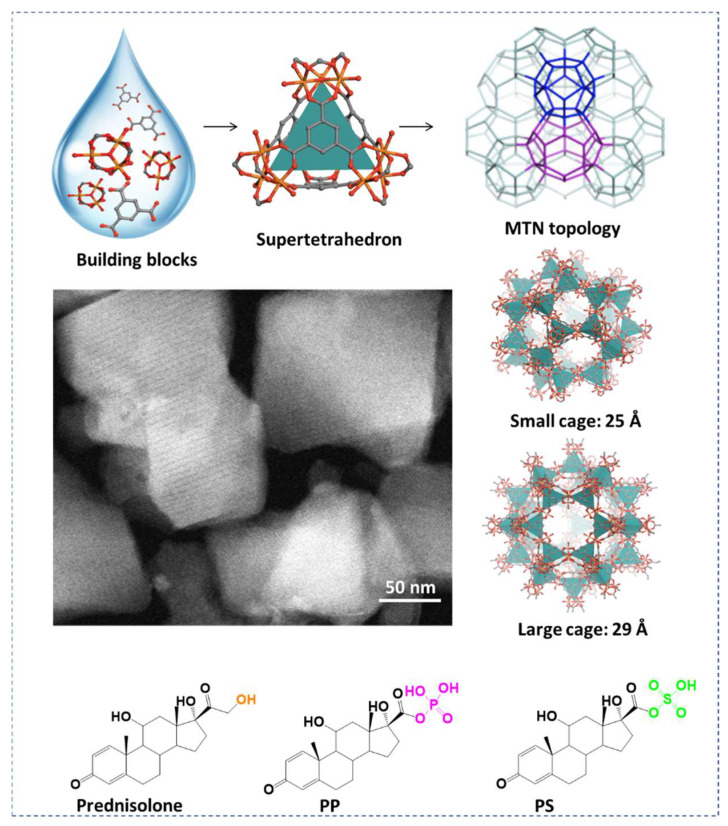
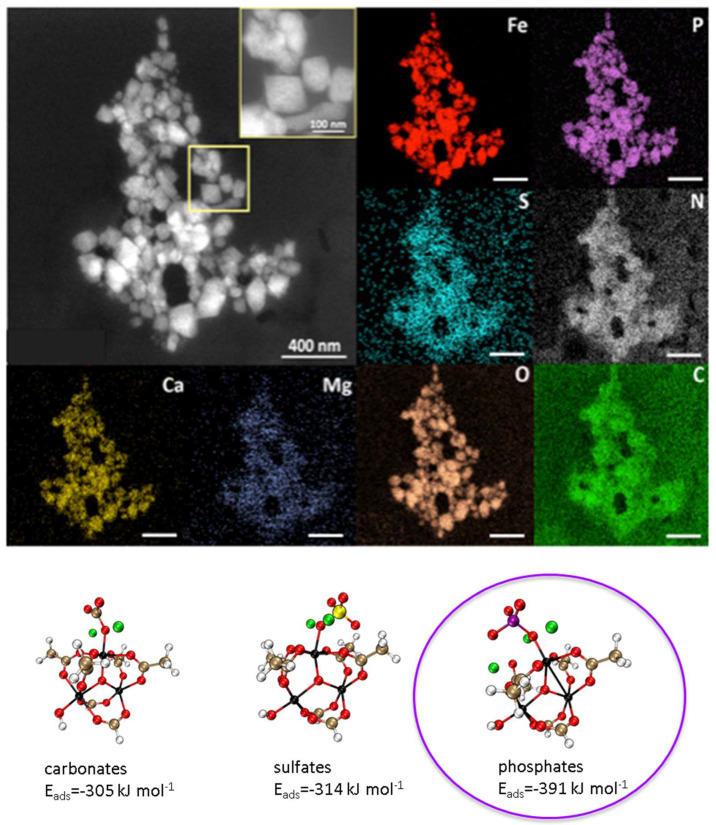
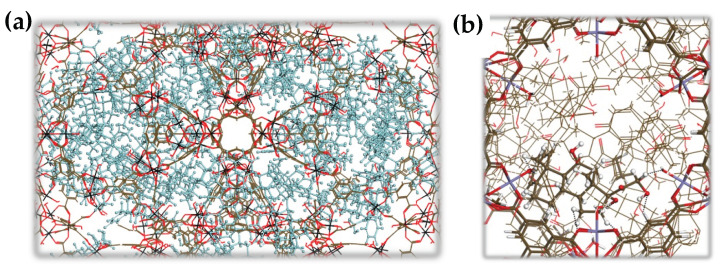
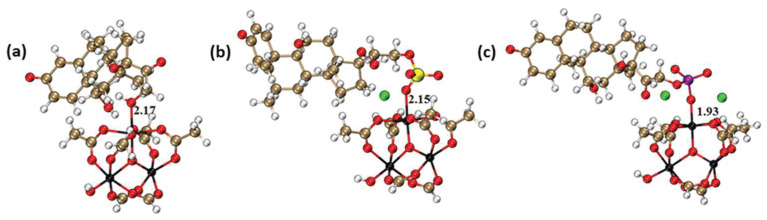
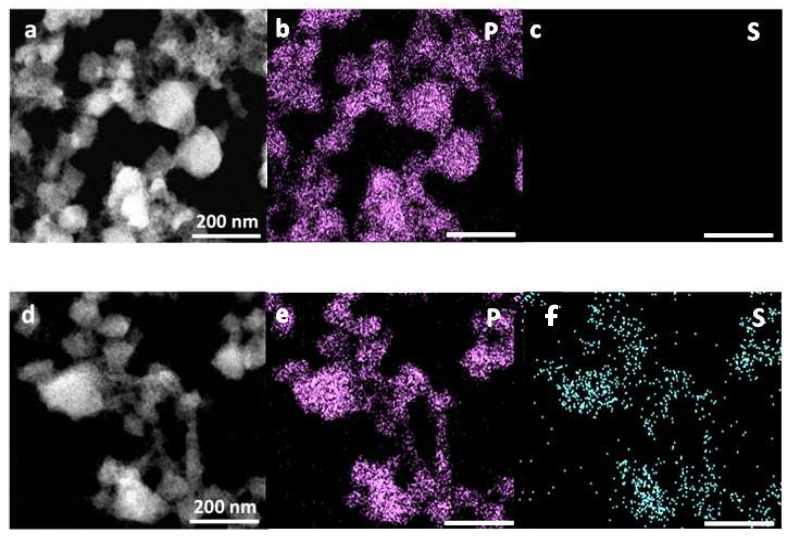
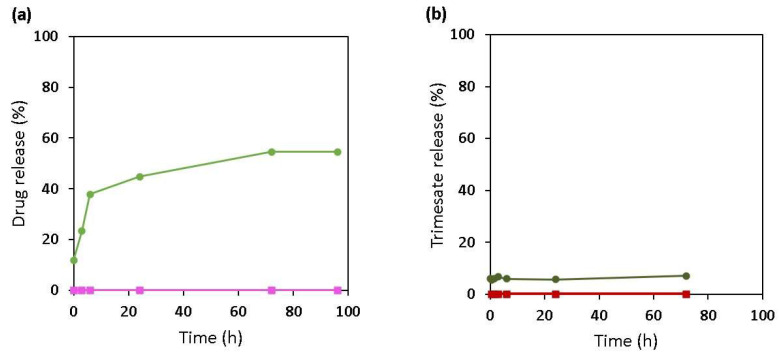
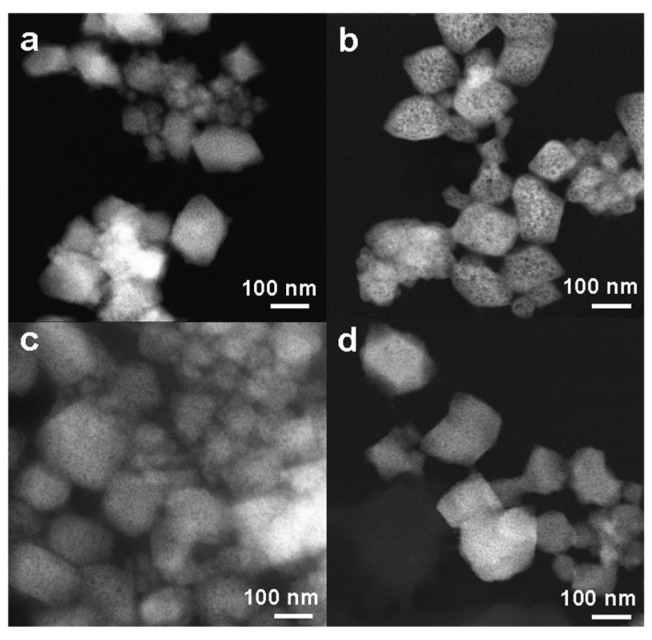
Metal-organic frameworks (MOFs) attract growing interest in biomedical applications. Among thousands of MOF structures, the mesoporous iron(III) carboxylate MIL-100(Fe) (MIL stands for the Materials of Lavoisier Institute) is among the most studied MOF nanocarrier, owing to its high porosity, biodegradability, and lack of toxicity. Nanosized MIL-100(Fe) particles (nanoMOFs) readily coordinate with drugs leading to unprecedented payloads and controlled release. Here, we show how the functional groups of the challenging anticancer drug prednisolone influence their interactions with the nanoMOFs and their release in various media. Molecular modeling enabled predicting the strength of interactions between prednisolone-bearing or not phosphate or sulfate moieties (PP and PS, respectively) and the oxo-trimer of MIL-100(Fe) as well as understanding the pore filling of MIL-100(Fe). Noticeably, PP showed the strongest interactions (drug loading up to 30 wt %, encapsulation efficiency > 98%) and slowed down the nanoMOFs' degradation in simulated body fluid. This drug was shown to bind to the iron Lewis acid sites and was not displaced by other ions in the suspension media. On the contrary, PS was entrapped with lower efficiencies and was easily displaced by phosphates in the release media. Noticeably, the nanoMOFs maintained their size and faceted structures after drug loading and even after degradation in blood or serum after losing almost the totality of the constitutive trimesate ligands. Scanning electron microscopy with high annular dark field (STEM-HAADF) in conjunction with X-Ray energy-dispersive spectrometry (XEDS) was a powerful tool enabling the unraveling of the main elements to gain insights on the MOF structural evolution after drug loading and/or upon degradation.
金属-有机骨架(MOFs)在生物医学应用中引起了越来越多的关注。在成千上万的 MOF 结构中,介孔三价铁羧酸 MIL-100(Fe)(MIL 代表拉瓦锡研究所的材料)是研究最多的 MOF 纳米载体之一,由于其高孔隙率、可生物降解性和缺乏毒性。纳米尺寸的 MIL-100(Fe) 颗粒(纳米 MOFs)很容易与药物配位,从而实现前所未有的载药量和控制释放。在这里,我们展示了具有挑战性的抗癌药物泼尼松龙的官能团如何影响它们与纳米 MOFs 的相互作用及其在各种介质中的释放。分子建模使我们能够预测带有或不带有磷酸或硫酸盐部分(分别为 PP 和 PS)的泼尼松龙与 MIL-100(Fe) 的氧三聚物之间相互作用的强度以及理解 MIL-100(Fe) 的孔填充。值得注意的是,PP 表现出最强的相互作用(药物负载高达 30wt%,封装效率>98%),并减缓了模拟体液中纳米 MOFs 的降解。研究表明,这种药物与铁路易斯酸位结合,并且不会被悬浮介质中的其他离子取代。相反,PS 的包封效率较低,并且很容易被释放介质中的磷酸盐取代。值得注意的是,纳米 MOFs 在负载药物后甚至在血液或血清中降解后几乎失去所有组成的均三甲酸配体后,仍保持其尺寸和多面结构。扫描电子显微镜结合高角度环形暗场(STEM-HAADF)和 X 射线能量色散谱(XEDS)是一种强大的工具,可用于揭示主要元素,以深入了解药物负载和/或降解后 MOF 结构的演变。