Leite Débora Odília Duarte, Camilo Cicera Janaíne, Castro José Walber Gonçalves, Dantas Alexandro Rodrigues, Rodrigues Fabíola Fernandes Galvão, Maia de Farias Pablo Antonio, Martins de Andrade Edlane, Coutinho Henrique Douglas Melo, da Costa José Galberto Martins
Northeast Biotechnology Network, Postgraduate Program in Biotechnology, State University of Ceará, Fortaleza 60740-000, Brazil.
Department of Biological Chemistry, Regional University of Cariri, Crato 63105-000, Brazil.
Curr Res Toxicol. 2023 Mar 15;4:100103. doi: 10.1016/j.crtox.2023.100103. eCollection 2023.
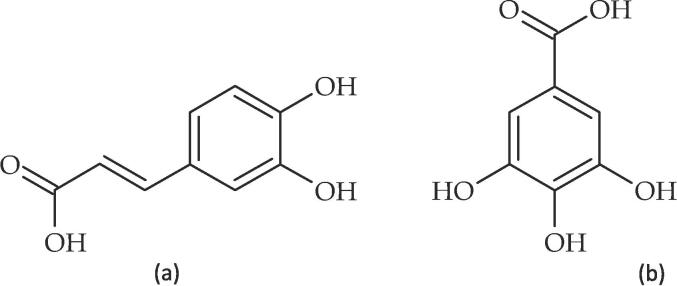
Medicinal plants have been used for many years by communities to treat illnesses. The need for scientific proof of these vegetable's curative effects is as necessary as the proof of the inexistence of toxicity related to the use of extracts with therapeutic potential. L. (Annonaceae), popularly known as "pinha", "ata" or "fruta do conde", has been used in traditional medicine for its analgesic and antitumor activities. The toxic effects attributed to this plant have also been explored as a pesticide and an insecticide. The aim of the present study was to investigate the toxicity of the methanolic extract of seeds and pulp against human erythrocytes. Blood samples were treated with methanolic extract at different concentrations, osmotic fragility was determined using saline tension assays and morphological analyzes were performed using optical microscopy. The extracts were analyzed using high performance liquid chromatography with diode array detection (HPLC-DAD) for phenolic quantification. The seed's methanolic extract showed toxicity above 50% from a concentration of 100 µg/mL, while also presenting echinocytes in the morphological analysis. The pulp's methanolic extract did not show toxicity to red blood cells or morphological changes at the concentrations tested. HPLC-DAD analysis revealed the presence of caffeic acid in the seed extract and gallic acid in the pulp extract. The seed's methanolic extract is toxic and the pulp's methanolic extract showed no toxicity against human erythrocytes.
药用植物被社区用于治疗疾病已有多年。对于这些植物疗效的科学证明,与证明具有治疗潜力的提取物不存在毒性一样必要。番荔枝科的番荔枝,俗称“pinha”“ata”或“fruta do conde”,因其镇痛和抗肿瘤活性而被用于传统医学。这种植物的毒性作用也被开发用作杀虫剂和农药。本研究的目的是调查番荔枝种子和果肉的甲醇提取物对人体红细胞的毒性。用不同浓度的甲醇提取物处理血液样本,通过盐张力试验测定渗透脆性,并使用光学显微镜进行形态分析。采用高效液相色谱 - 二极管阵列检测(HPLC - DAD)对提取物进行酚类定量分析。种子的甲醇提取物在浓度为100μg/mL时显示出50%以上的毒性,同时在形态分析中出现棘红细胞。果肉的甲醇提取物在所测试的浓度下对红细胞未显示毒性或形态变化。HPLC - DAD分析表明种子提取物中存在咖啡酸,果肉提取物中存在没食子酸。种子的甲醇提取物有毒,而果肉的甲醇提取物对人体红细胞无毒性。