Zailani Halliru, Satyanarayanan Senthil Kumaran, Liao Wei-Chih, Liao Hsien-Feng, Huang Shih-Yi, Gałecki Piotr, Su Kuan-Pin, Chang Jane Pei-Chen
Mind-Body Interface Laboratory (MBI-Lab), Department of Psychiatry, China Medical University Hospital, Taichung 404, Taiwan.
Graduate Institute of Nutrition, China Medical University, Taichung 404, Taiwan.
J Clin Med. 2023 Apr 2;12(7):2653. doi: 10.3390/jcm12072653.
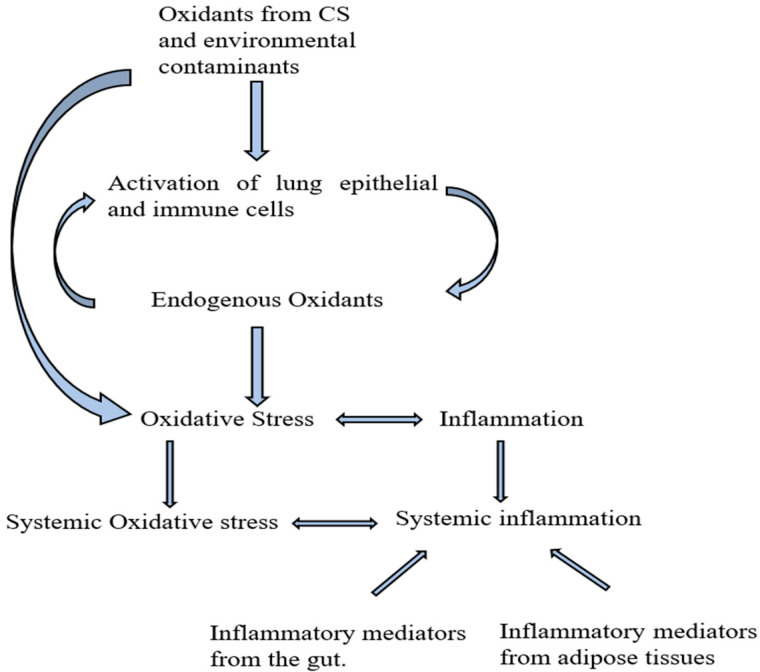
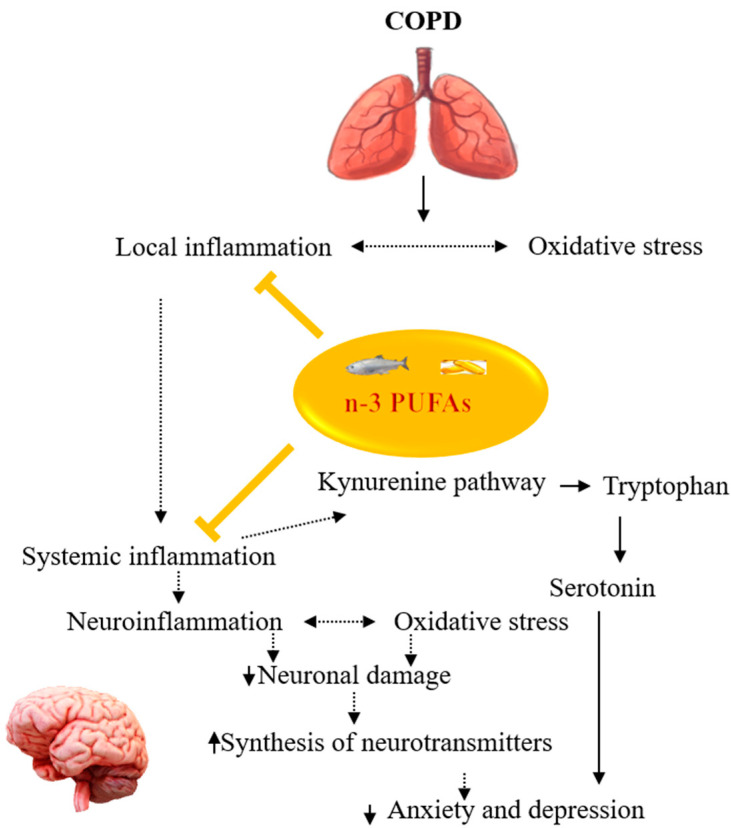
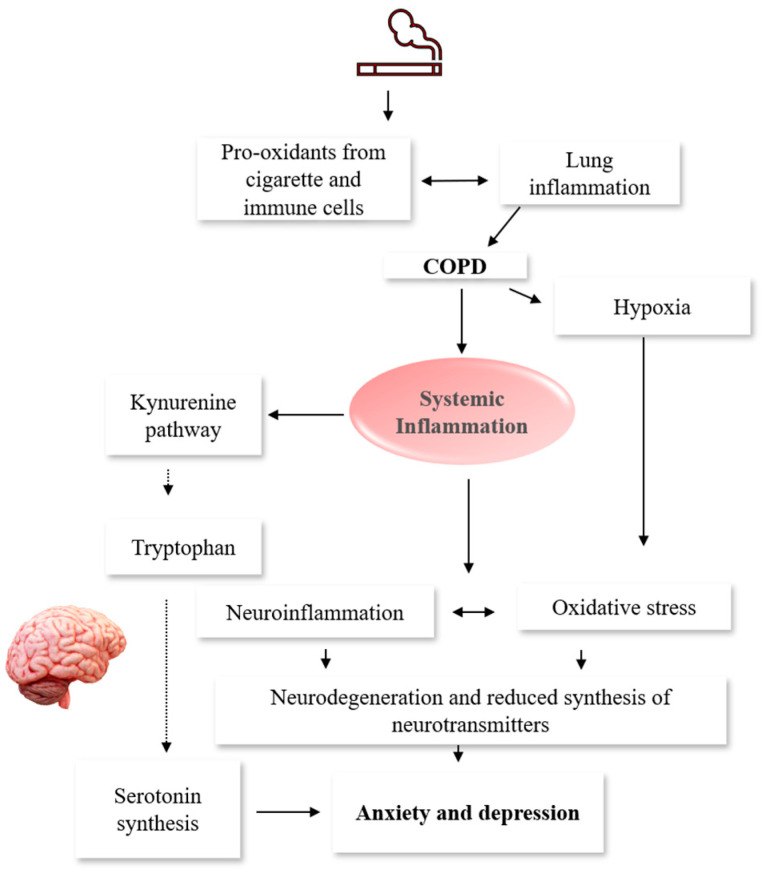
Chronic obstructive pulmonary disease (COPD) is the third-leading cause of mortality globally, significantly affecting people over 40 years old. COPD is often comorbid with mood disorders; however, they are frequently neglected or undiagnosed in COPD management, thus resulting in unintended treatment outcomes and higher mortality associated with the disease. Although the exact link between COPD and mood disorders remains to be ascertained, there is a broader opinion that inflammatory reactions in the lungs, blood, and inflammation-induced changes in the brain could orchestrate the onset of mood disorders in COPD. Although the current management of mood disorders such as depression in COPD involves using antidepressants, their use has been limited due to tolerability issues. On the other hand, as omega-3 polyunsaturated fatty acids (n-3 PUFAs) play a vital role in regulating inflammatory responses, they could be promising alternatives in managing mood disorders in COPD. This review discusses comorbid mood disorders in COPD as well as their influence on the progression and management of COPD. The underlying mechanisms of comorbid mood disorders in COPD will also be discussed, along with the potential role of n-3 PUFAs in managing these conditions.
慢性阻塞性肺疾病(COPD)是全球第三大致死原因,对40岁以上人群影响显著。COPD常与情绪障碍合并存在;然而,在COPD管理中,它们常常被忽视或未得到诊断,从而导致意外的治疗结果以及与该疾病相关的更高死亡率。尽管COPD与情绪障碍的确切联系尚待确定,但有一种更广泛的观点认为,肺部、血液中的炎症反应以及炎症引起的大脑变化可能共同导致了COPD患者情绪障碍的发作。尽管目前COPD中情绪障碍如抑郁症的管理涉及使用抗抑郁药,但由于耐受性问题,其使用受到限制。另一方面,由于ω-3多不饱和脂肪酸(n-3 PUFAs)在调节炎症反应中起重要作用,它们可能是管理COPD患者情绪障碍的有前景的替代方法。本综述讨论了COPD合并的情绪障碍及其对COPD进展和管理的影响。还将讨论COPD合并情绪障碍的潜在机制,以及n-3 PUFAs在管理这些情况中的潜在作用。