Therapeutics Research Group, Frazer Institute, Faculty of Medicine, The University of Queensland, Brisbane, QLD 4102, Australia.
Department of Pharmacognosy and Phytochemistry, School of Pharmaceutical Education and Research, Jamia Hamdard, New Delhi 110062, India.
Molecules. 2023 Apr 14;28(8):3475. doi: 10.3390/molecules28083475.
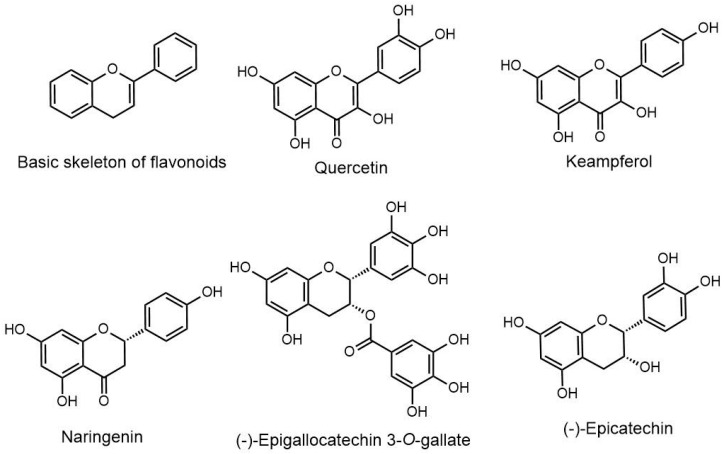
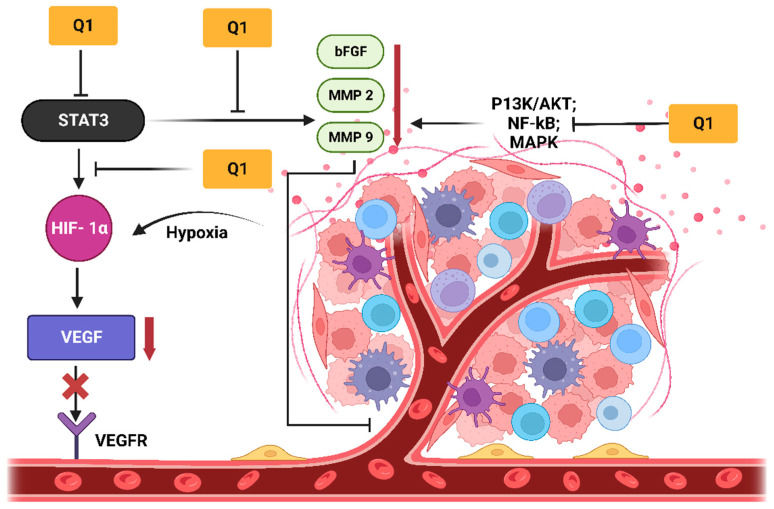
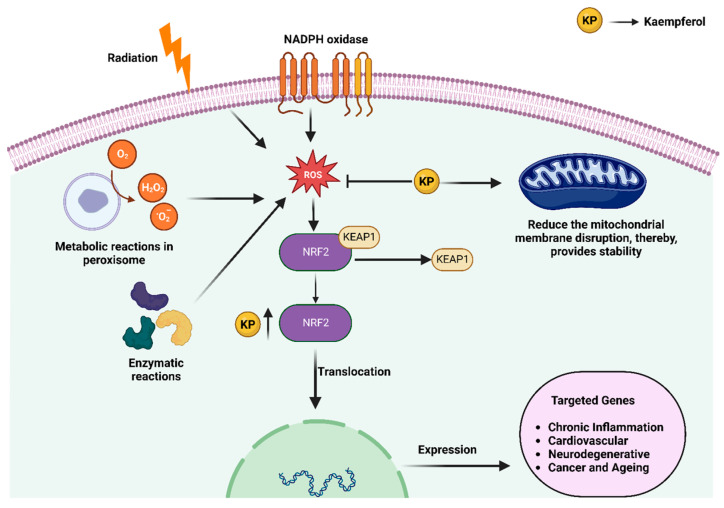
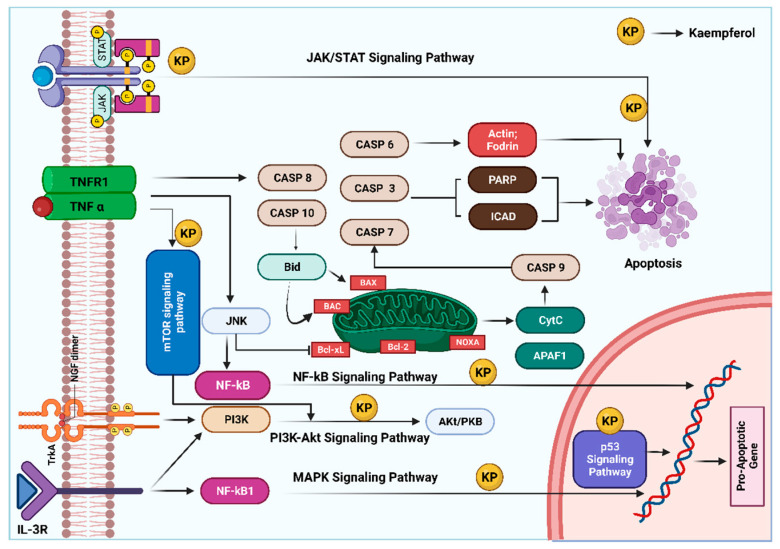
Plant-derived compounds, specifically antioxidants, have played an important role in scavenging the free radicals present under diseased conditions. The persistent generation of free radicals in the body leads to inflammation and can result in even more severe diseases such as cancer. Notably, the antioxidant potential of various plant-derived compounds prevents and deregulates the formation of radicals by initiating their decomposition. There is a vast literature demonstrating antioxidant compounds' anti-inflammatory, anti-diabetic, and anti-cancer potential. This review describes the molecular mechanism of various flavonoids, such as quercetin, kaempferol, naringenin, epicatechin, and epicatechin gallate, against different cancers. Additionally, the pharmaceutical application of these flavonoids against different cancers using nanotechnologies such as polymeric, lipid-based nanoparticles (solid-lipid and liquid-lipid), liposomes, and metallic nanocarriers is addressed. Finally, combination therapies in which these flavonoids are employed along with other anti-cancer agents are described, indicating the effective therapies for the management of various malignancies.
植物衍生化合物,特别是抗氧化剂,在清除疾病状态下存在的自由基方面发挥了重要作用。自由基在体内的持续产生会导致炎症,并可能导致更严重的疾病,如癌症。值得注意的是,各种植物衍生化合物的抗氧化潜力通过启动自由基的分解来预防和调节自由基的形成。有大量文献证明了抗氧化化合物的抗炎、抗糖尿病和抗癌潜力。本综述描述了各种类黄酮(如槲皮素、山柰酚、柚皮素、表儿茶素和表儿茶素没食子酸酯)针对不同癌症的分子机制。此外,还讨论了这些类黄酮在抗癌方面的药物应用,包括使用聚合物、基于脂质的纳米粒子(固体脂质和液体脂质)、脂质体和金属纳米载体等纳米技术。最后,还描述了这些类黄酮与其他抗癌药物联合使用的联合治疗方法,表明这些治疗方法可有效治疗各种恶性肿瘤。