Department of Health Information Technology and Management, School of Allied Medical Sciences, Shahid Beheshti University of Medical Sciences, Tehran, Iran.
Department of Emergency Medicine, Harvard Medical School, Boston, MA, USA.
BMC Med Inform Decis Mak. 2023 Jul 17;23(1):124. doi: 10.1186/s12911-023-02235-y.
Esophageal cancer (EC) is a significant global health problem, with an estimated 7th highest incidence and 6th highest mortality rate. Timely diagnosis and treatment are critical for improving patients' outcomes, as over 40% of patients with EC are diagnosed after metastasis. Recent advances in machine learning (ML) techniques, particularly in computer vision, have demonstrated promising applications in medical image processing, assisting clinicians in making more accurate and faster diagnostic decisions. Given the significance of early detection of EC, this systematic review aims to summarize and discuss the current state of research on ML-based methods for the early detection of EC.
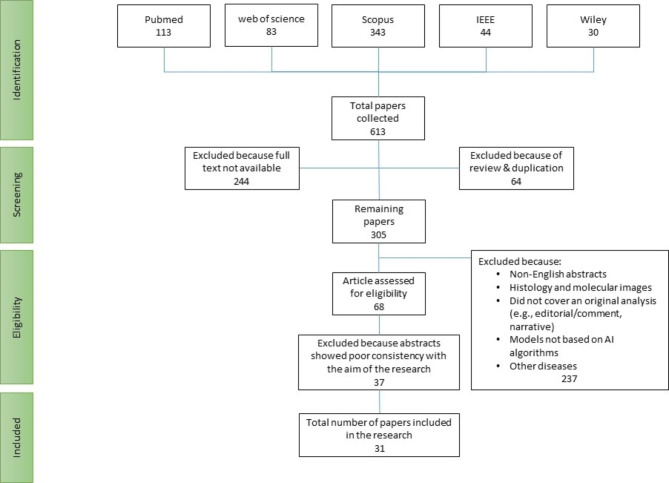
We conducted a comprehensive systematic search of five databases (PubMed, Scopus, Web of Science, Wiley, and IEEE) using search terms such as "ML", "Deep Learning (DL (", "Neural Networks (NN)", "Esophagus", "EC" and "Early Detection". After applying inclusion and exclusion criteria, 31 articles were retained for full review.
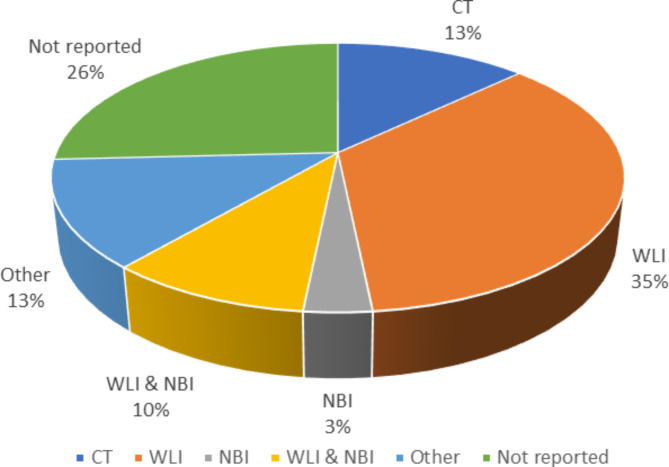
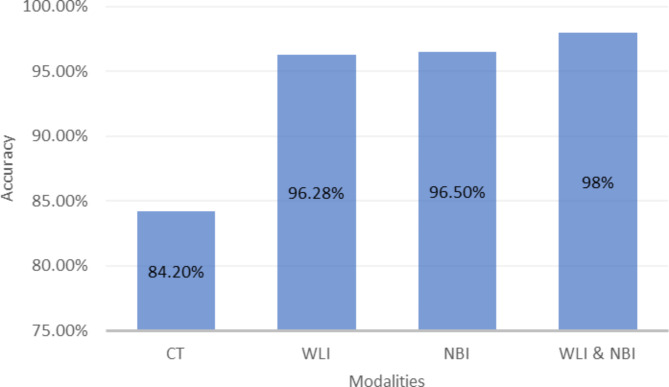
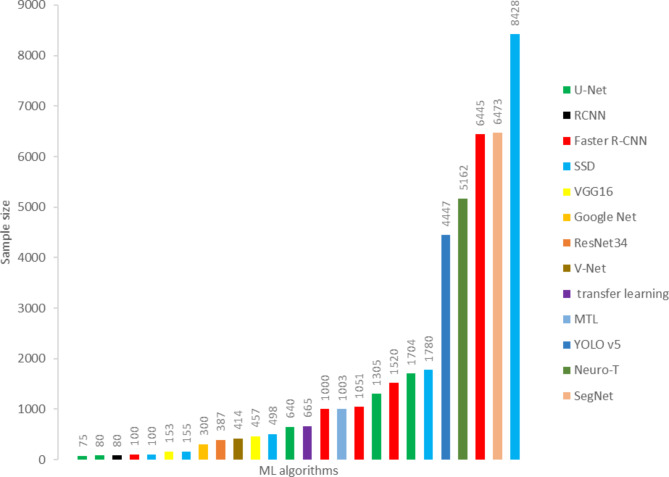
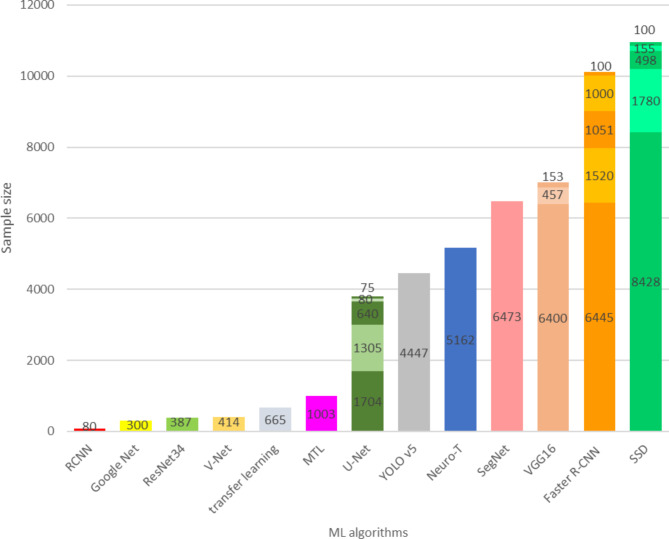
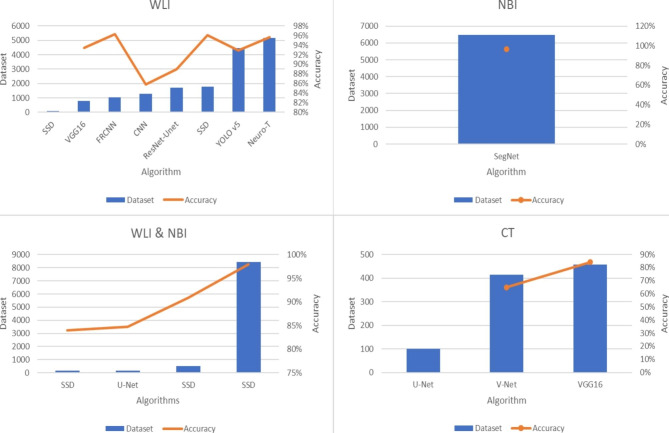
The results of this review highlight the potential of ML-based methods in the early detection of EC. The average accuracy of the reviewed methods in the analysis of endoscopic and computed tomography (CT (images of the esophagus was over 89%, indicating a high impact on early detection of EC. Additionally, the highest percentage of clinical images used in the early detection of EC with the use of ML was related to white light imaging (WLI) images. Among all ML techniques, methods based on convolutional neural networks (CNN) achieved higher accuracy and sensitivity in the early detection of EC compared to other methods.
Our findings suggest that ML methods may improve accuracy in the early detection of EC, potentially supporting radiologists, endoscopists, and pathologists in diagnosis and treatment planning. However, the current literature is limited, and more studies are needed to investigate the clinical applications of these methods in early detection of EC. Furthermore, many studies suffer from class imbalance and biases, highlighting the need for validation of detection algorithms across organizations in longitudinal studies.
食管癌(EC)是一个重大的全球健康问题,其发病率位居全球第七,死亡率位居全球第六。及时的诊断和治疗对于改善患者的预后至关重要,因为超过 40%的 EC 患者在转移后才被诊断出来。近年来,机器学习(ML)技术,特别是计算机视觉技术,在医学图像处理方面显示出了很有前景的应用,帮助临床医生做出更准确和更快的诊断决策。鉴于早期发现 EC 的重要性,本系统综述旨在总结和讨论基于 ML 的方法在 EC 早期检测方面的研究现状。
我们使用“ML”、“深度学习(DL)”、“神经网络(NN)”、“食管”、“EC”和“早期检测”等搜索词,对五个数据库(PubMed、Scopus、Web of Science、Wiley 和 IEEE)进行了全面的系统搜索。在应用纳入和排除标准后,保留了 31 篇全文进行综述。
本综述的结果突出了基于 ML 的方法在 EC 早期检测中的潜力。所回顾方法在分析食管内镜和计算机断层扫描(CT)图像方面的平均准确率超过 89%,这表明其对 EC 的早期检测有很大的影响。此外,在使用 ML 进行 EC 早期检测时,使用最多的临床图像是白光成像(WLI)图像。在所有 ML 技术中,基于卷积神经网络(CNN)的方法在 EC 的早期检测中比其他方法具有更高的准确率和灵敏度。
我们的研究结果表明,ML 方法可能提高 EC 早期检测的准确性,有助于放射科医生、内镜医生和病理学家进行诊断和治疗规划。然而,目前的文献有限,需要更多的研究来调查这些方法在 EC 早期检测中的临床应用。此外,许多研究存在类别不平衡和偏差问题,这突出了需要在纵向研究中在组织间验证检测算法。