Xie Tiantian, Wu Qi, Lu Han, Hu Zuomin, Luo Yi, Chu Zhongxing, Luo Feijun
Hunan Key Laboratory of Grain-Oil Deep Process and Quality Control, College of Food Science and Engineering, Central South University of Forestry and Technology, Changsha 410004, China.
Hunan Key Laboratory of Forestry Edible Resources Safety and Processing, College of Food Science and Engineering, Central South University of Forestry and Technology, Changsha 410004, China.
Foods. 2023 Aug 27;12(17):3225. doi: 10.3390/foods12173225.
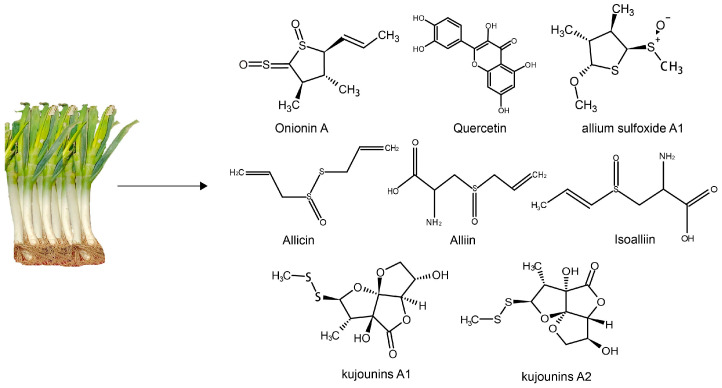
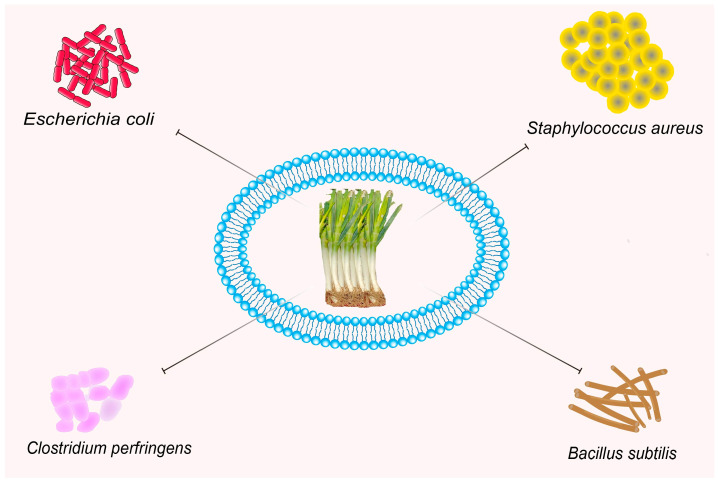
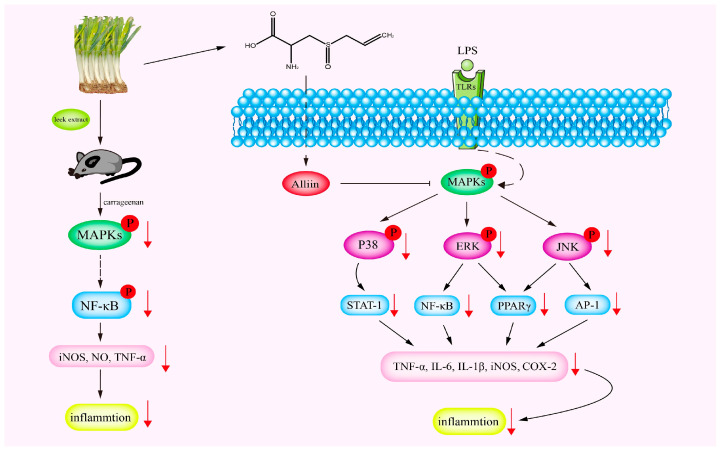
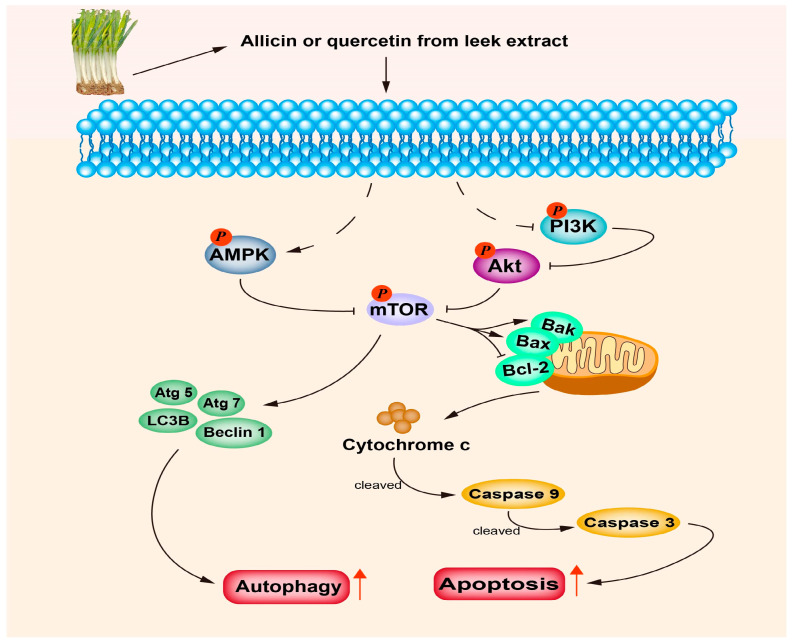
Leek ( L.), a common and widely used food ingredient, is a traditional medicine used in Asia to treat a variety of diseases. Leeks contain a variety of bioactive substances, including sulfur compounds, dietary fiber, steroid compounds and flavonoid compounds. Many studies have shown that these active ingredients produce the following effects: promotion of blood circulation, lowering of cholesterol, relief of fatigue, anti-inflammation, anti-bacteria, regulation of cell metabolism, anti-cancer, anti-oxidation, and the lowering of fat and blood sugar levels. In this paper, the main bioactive components and biological functions of leeks were systemically reviewed, and the action mechanisms of bioactive components were discussed. As a common food, the health benefits of leeks are not well known, and there is no systematic summary of leek investigations. In light of this, it is valuable to review the recent progress and provide reference to investigators in the field, which will promote future applications and investigations of leeks.
韭菜(L.)是一种常见且广泛使用的食品成分,是亚洲用于治疗多种疾病的传统药物。韭菜含有多种生物活性物质,包括硫化合物、膳食纤维、类固醇化合物和类黄酮化合物。许多研究表明,这些活性成分具有以下作用:促进血液循环、降低胆固醇、缓解疲劳、抗炎、抗菌、调节细胞代谢、抗癌、抗氧化以及降低脂肪和血糖水平。本文对韭菜的主要生物活性成分和生物学功能进行了系统综述,并探讨了生物活性成分的作用机制。作为一种常见食物,韭菜的健康益处并不为人所知,且对韭菜的研究也没有系统的总结。有鉴于此,回顾近期进展并为该领域的研究人员提供参考具有重要价值,这将促进韭菜未来的应用和研究。