Hospital for Skin Diseases, Institute of Dermatology, Chinese Academy of Medical Sciences & Peking Union Medical College, Nanjing, 210042, Jiangsu, China.
BMC Pharmacol Toxicol. 2023 Oct 12;24(1):51. doi: 10.1186/s40360-023-00690-x.
EMLA cream is a local anesthetic. The pharmacokinetics and dermal effects of a topical anesthetic formulation has not been evaluated in healthy Chinese volunteers.
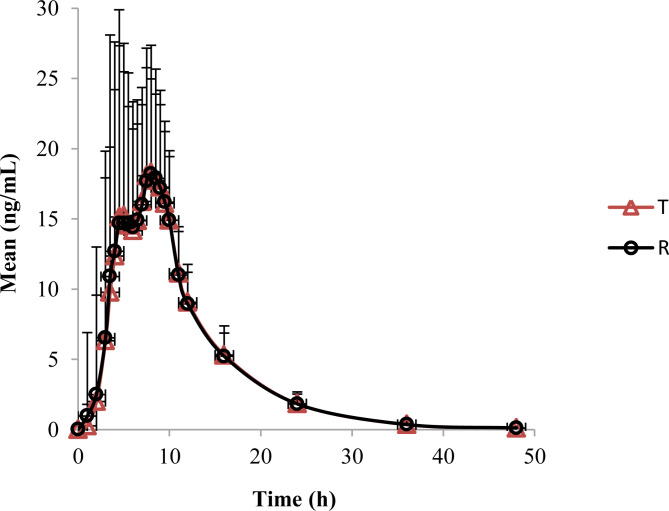
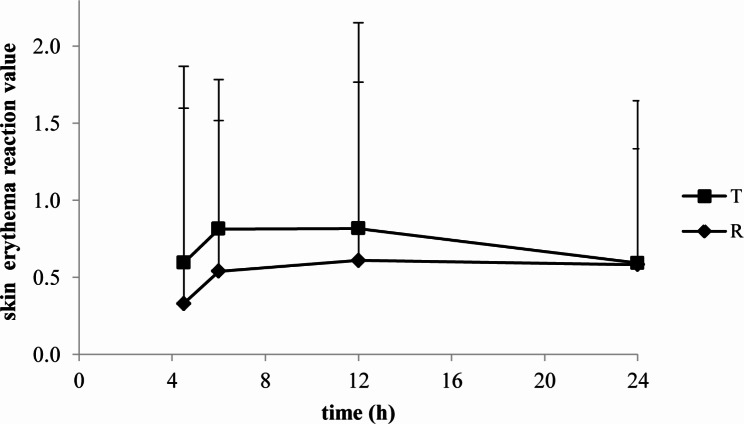
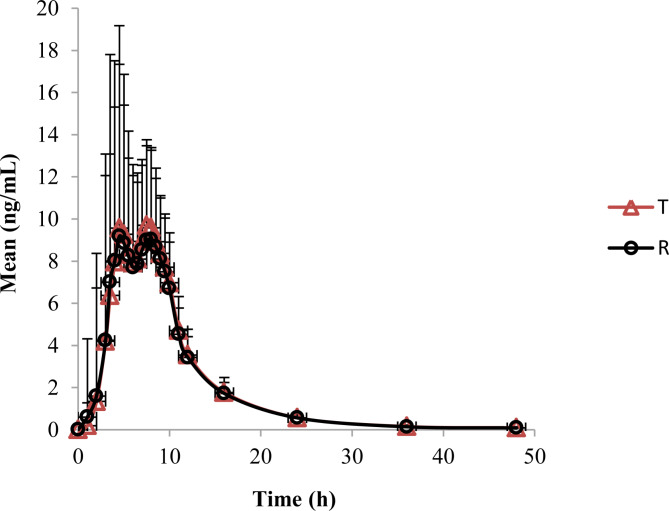
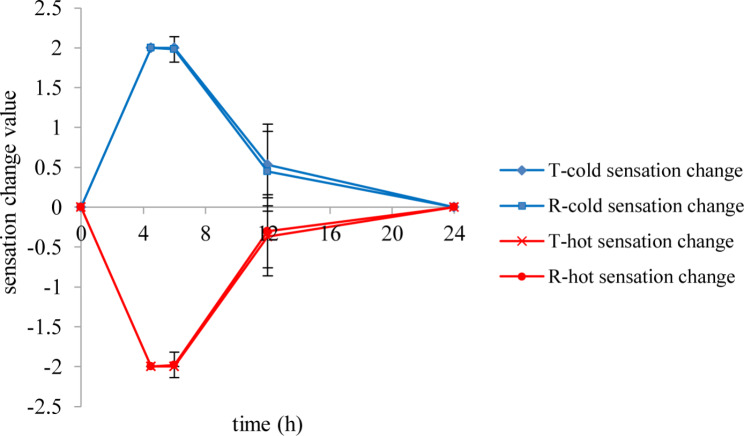
The Pharmacokinetics of the lidocaine/prilocaine test (T) or reference (R, EMLA) cream were evaluated in a fasting, single-dose, two-period crossover bioequivalent study conducted in 40 healthy Chinese volunteers. Meanwhile, the dermal effects including blanching, erythema, temperature sensation, edema, and skin rash were also evaluated during the study.
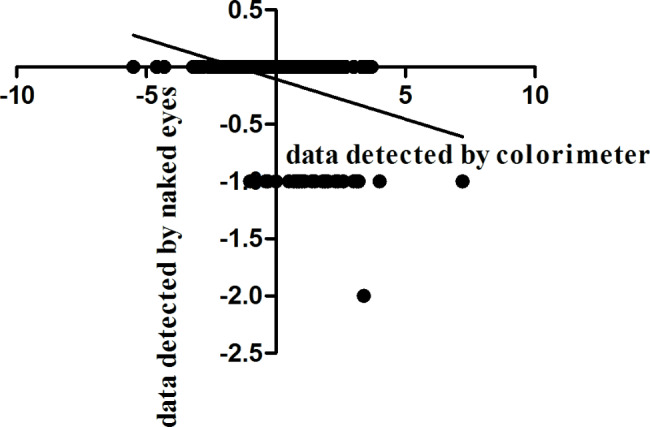
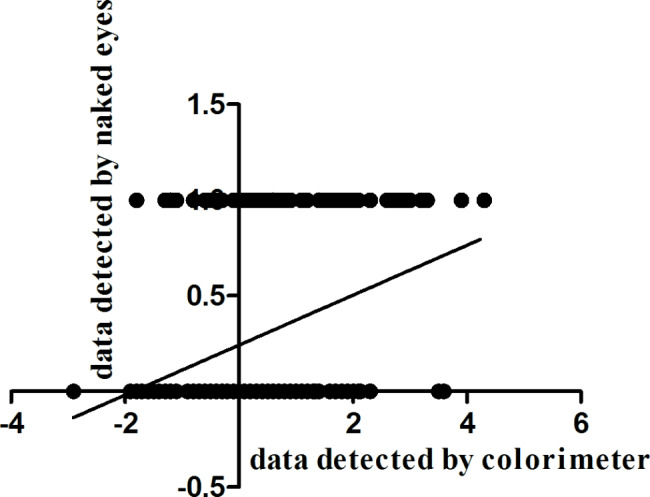
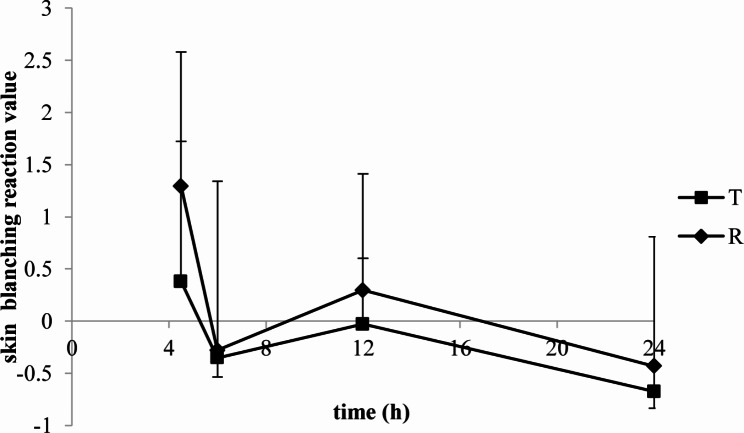
After applied 15 g of the cream for 4 h to a 100 cm area under plastic occlusive film on the skin of the thigh of healthy volunteers, the results of the pharmacokinetic study showed that the active components absorbed in skin from topical products was relatively low compared with most system absorption drugs. After the removal of the residual anesthetic cream, there was a vascular biphasic response with initial transient blanching which reaches a peak at 4.5 h and later more persisting period erythema. The change of temperature sensory sensitivity reached the peak value at 4.5-6 h.There was no statistically significant difference of the changes after application the lidocaine/prilocaine T or R cream in subjects. In general, the lidocaine/prilocaine T or R cream was well tolerated.
The method described a model for investigations of pharmacokinetics and pharmacodynamics of topical lidocaine/prilocaine cream. Except the plasma drug level indicator, these pharmacodynamics data should also be evaluated in the anesthetic transdermal pharmacokinetics study.
CTR20211544; registered in http://www.chinadrugtrials.org.cn/ at September 2021.
EMLA 乳膏是一种局部麻醉剂。尚未在健康的中国志愿者中评估局部麻醉剂制剂的药代动力学和皮肤效应。
在一项禁食、单次、两周期交叉生物等效性研究中,对 40 名健康中国志愿者应用利多卡因/丙胺卡因试验(T)或参比(R,EMLA)乳膏,评估利多卡因/丙胺卡因的药代动力学(T)或参比(R,EMLA)乳膏的药代动力学。同时,在研究过程中还评估了皮肤效应,包括变白、红斑、温度感觉、水肿和皮疹。
健康志愿者大腿皮肤用塑料密闭膜覆盖 15 g 乳膏 4 h 后,药代动力学研究结果表明,与大多数全身吸收药物相比,从局部产品吸收到皮肤的活性成分相对较低。去除残留的麻醉乳膏后,出现血管双相反应,最初短暂变白,在 4.5 h 达到峰值,随后红斑持续时间更长。温度感觉敏感性的变化在 4.5-6 h 达到峰值。应用利多卡因/丙胺卡因 T 或 R 乳膏后,受试者的变化无统计学差异。一般来说,利多卡因/丙胺卡因 T 或 R 乳膏耐受性良好。
所描述的方法为研究局部利多卡因/丙胺卡因乳膏的药代动力学和药效学提供了一种模型。除了血浆药物水平指标外,这些药效学数据也应在麻醉经皮药代动力学研究中进行评估。
CTR20211544;于 2021 年 9 月在中国临床试验注册中心(http://www.chinadrugtrials.org.cn/)注册。