Sami Waqas, Ahmad Mohammad Shakil, Shaik Riyaz Ahamed, Miraj Mohammad, Ahmad Sadiya, Molla Muhammed Hamza
Department of Pre-Clinical Affairs, College of Nursing, QU-Health, Qatar University, Doha P.O. Box 2713, Qatar.
Department of Family and Community Medicine, College of Medicine, Majmaah University, Majmaah 11952, Saudi Arabia.
J Clin Med. 2023 Dec 22;13(1):59. doi: 10.3390/jcm13010059.
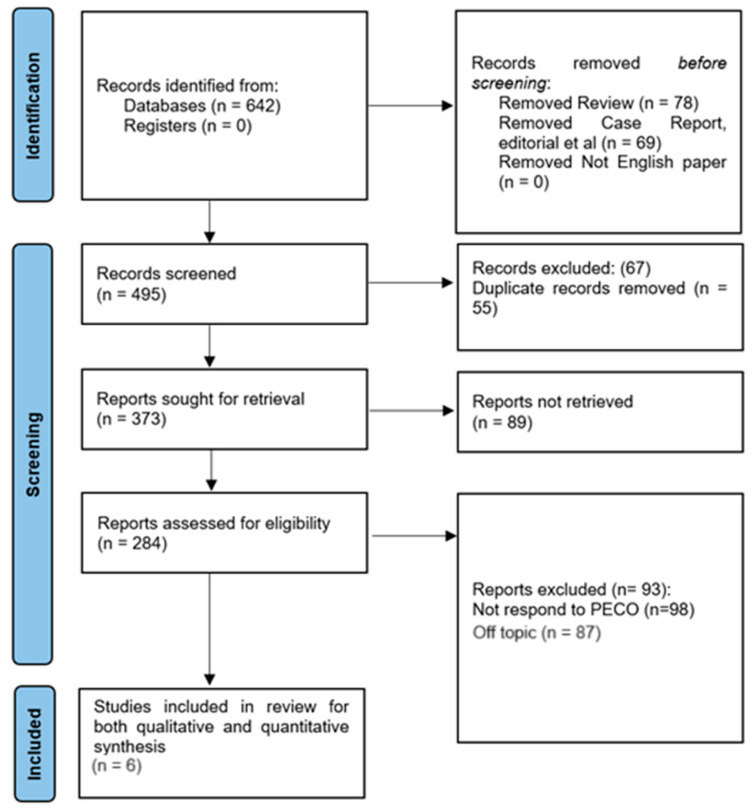
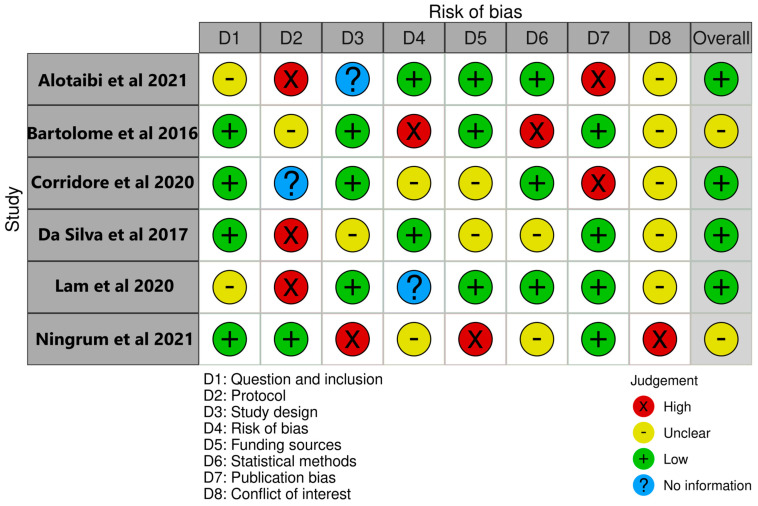
This study aimed to comprehensively evaluate the oral health statuses of children and adults within the autism spectrum disorder (ASD) population through an umbrella review approach. The prevalence of dental caries, periodontal disease, and associated variables were investigated across selected studies. A systematic search was conducted across databases including PubMed, Scopus, EMBASE, Science Citation Index, Science Direct, Web of Science, MEDLINE, and Wiley Online Library to identify relevant studies. The assessed variables included dental caries prevalence, periodontal disease prevalence, oral hygiene indicators, and the necessity of dental treatment. The pooled prevalence rates, odds ratios, and standardized mean differences were calculated where applicable. The pooled prevalence of dental caries among ASD individuals ranged from 60.6% to 67.3%, while the periodontal disease prevalence ranged from 59.8% to 69.4%. High rates of dental treatment under general anesthesia were reported. Heterogeneous dental caries and periodontal disease prevalence rates were identified, highlighting the need for collaboration and preventive care. Several studies also reported higher prevalence rates of dental trauma and self-inflicted oral injuries among individuals with ASD. However, the review also identified significant methodological limitations in the included studies, including inconsistency in oral health assessment methods and potential bias. The necessity for targeted policies due to high prevalence rates and the requirement for integrated care systems in high DMFT regions were also observed. The umbrella review synthesized diverse findings, revealing variations in dental caries and periodontal disease prevalence among ASD individuals. This review underscores the need for tailored interventions and policies to address oral health disparities. It highlights the necessity of integrated care systems, methodological improvements, and longitudinal studies to comprehensively address the multifaceted oral health challenges within the ASD population.
本研究旨在通过综合评价方法全面评估自闭症谱系障碍(ASD)人群中儿童和成人的口腔健康状况。在选定的研究中调查了龋齿、牙周疾病及相关变量的患病率。对包括PubMed、Scopus、EMBASE、科学引文索引、Science Direct、Web of Science、MEDLINE和Wiley Online Library在内的数据库进行了系统检索,以识别相关研究。评估的变量包括龋齿患病率、牙周疾病患病率、口腔卫生指标以及牙科治疗的必要性。在适用的情况下计算合并患病率、比值比和标准化平均差。ASD个体中龋齿的合并患病率在60.6%至67.3%之间,而牙周疾病患病率在59.8%至69.4%之间。报告了全身麻醉下牙科治疗的高发生率。发现龋齿和牙周疾病患病率存在异质性,突出了合作和预防保健的必要性。几项研究还报告了ASD个体中牙齿外伤和自我造成口腔损伤的较高患病率。然而,该综述还发现纳入研究中存在重大方法学局限性,包括口腔健康评估方法不一致和潜在偏倚。还观察到由于高患病率而制定针对性政策的必要性以及在高龋失补指数(DMFT)地区建立综合护理系统的要求。该综合评价综合了各种研究结果,揭示了ASD个体中龋齿和牙周疾病患病率的差异。本综述强调需要采取针对性干预措施和政策来解决口腔健康差异问题。它突出了建立综合护理系统、改进方法学以及开展纵向研究以全面应对ASD人群中多方面口腔健康挑战的必要性。