Liu Danping, Xie Li-Sheng, Lian Shitao, Li Kexin, Yang Yun, Wang Wen-Zhao, Hu Songnian, Liu Shuang-Jiang, Liu Chang, He Zilong
School of Engineering Medicine, Beihang University, Beijing, China.
Key Laboratory of Big Data-Based Precision Medicine, Beihang University, Ministry of Industry and Information Technology of the People's Republic of China, Beijing, China.
mSphere. 2024 Apr 23;9(4):e0081623. doi: 10.1128/msphere.00816-23. Epub 2024 Mar 12.
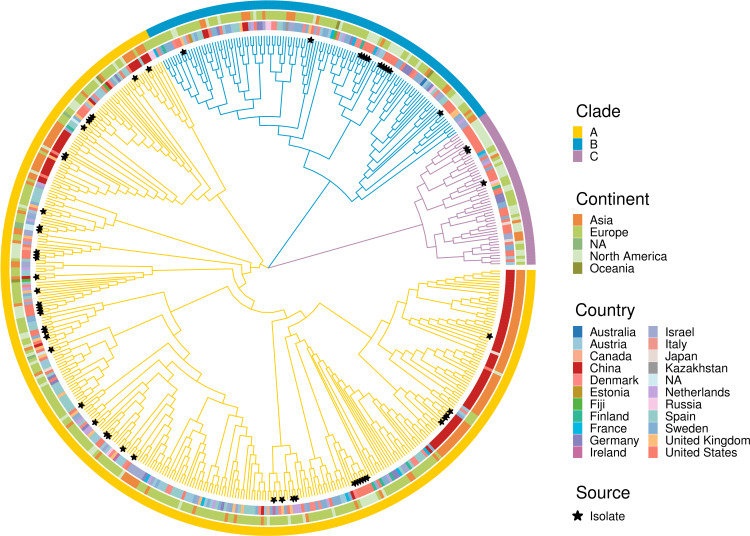
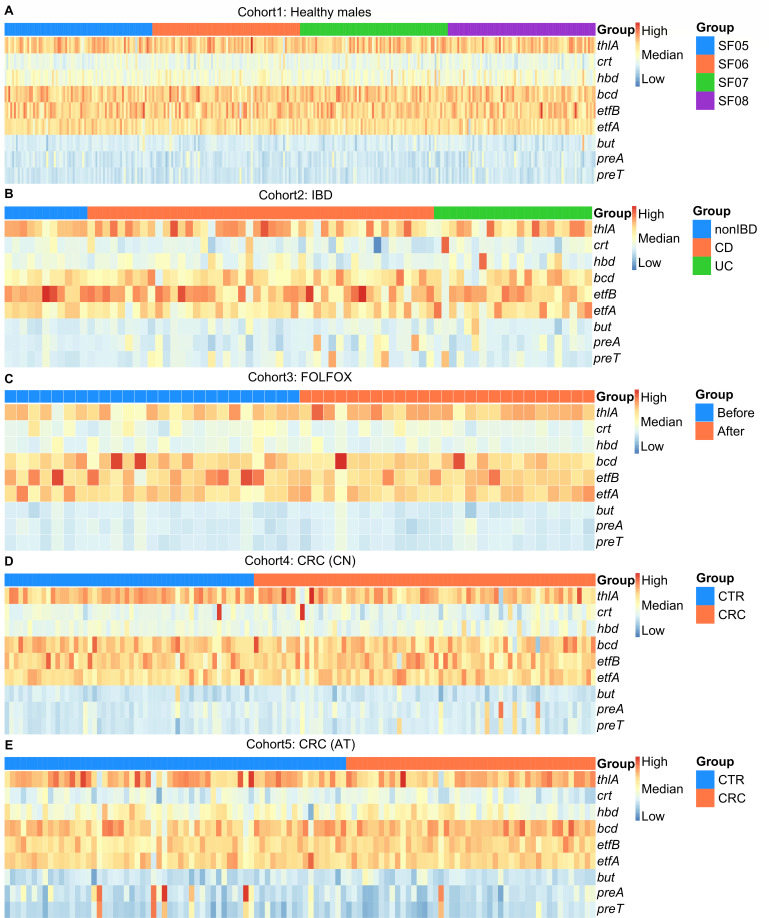
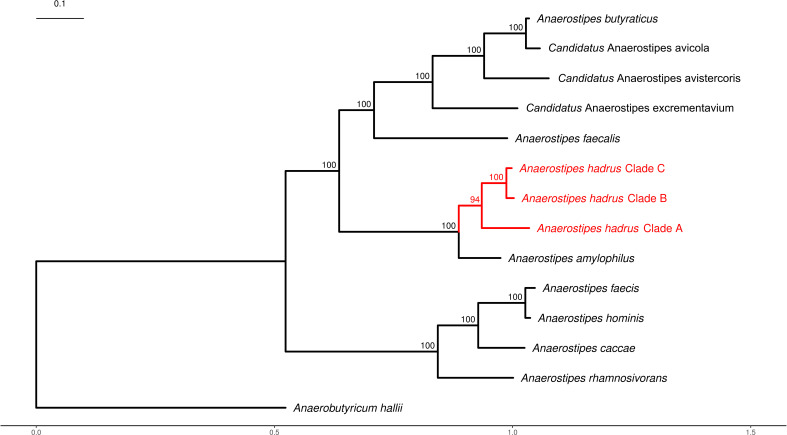
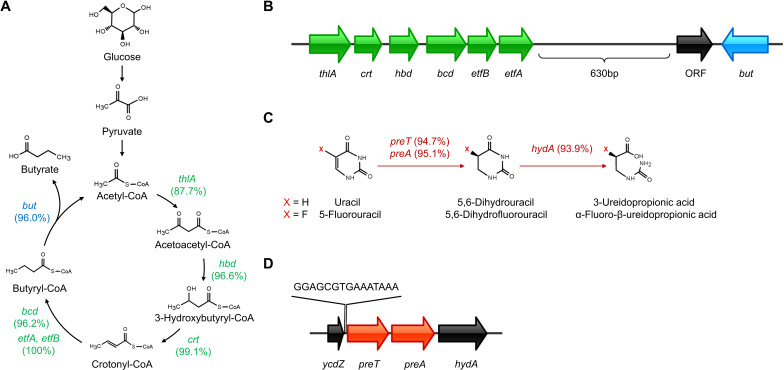
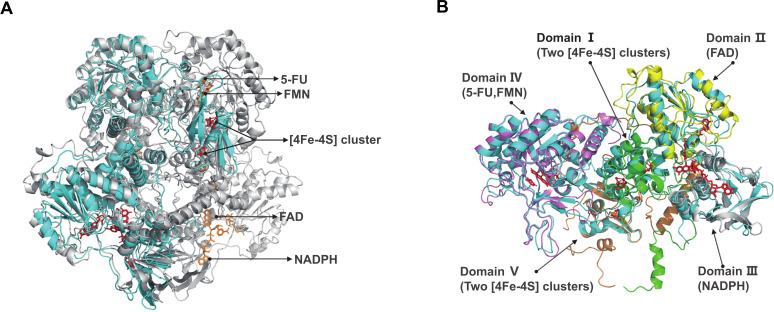
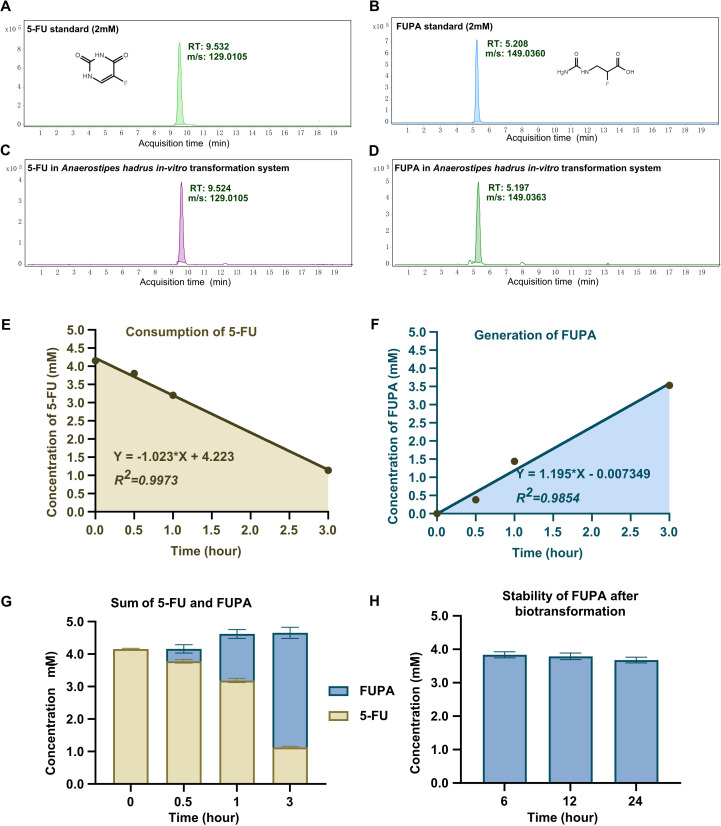
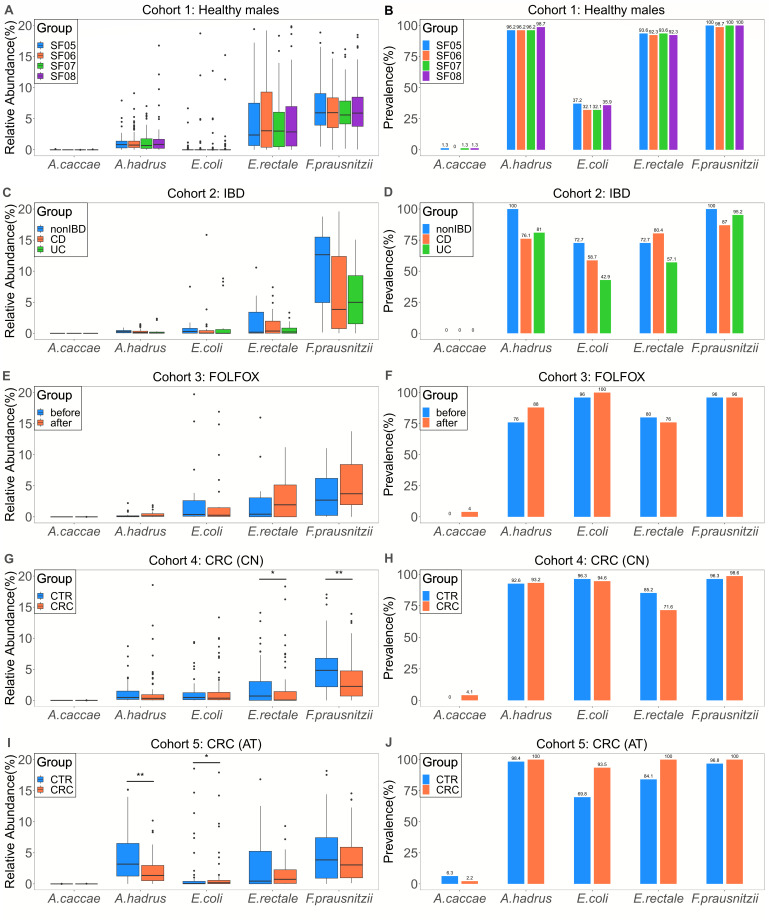
() is a dominant species in the human gut microbiota and considered a beneficial bacterium for producing probiotic butyrate. However, recent studies have suggested that may negatively affect the host through synthesizing fatty acid and metabolizing the anticancer drug 5-fluorouracil, indicating that the impact of is complex and unclear. Therefore, comprehensive genomic studies on need to be performed. We integrated 527 high-quality public genomes and five distinct metagenomic cohorts. We analyzed these data using the approaches of comparative genomics, metagenomics, and protein structure prediction. We also performed validations with culture-based assays. We constructed the first large-scale pan-genome of ( = 527) and identified 5-fluorouracil metabolism genes as ubiquitous in genomes as butyrate-producing genes. Metagenomic analysis revealed the wide and stable distribution of in healthy individuals, patients with inflammatory bowel disease, and patients with colorectal cancer, with healthy individuals carrying more . The predicted high-quality protein structure indicated that might metabolize 5-fluorouracil by producing bacterial dihydropyrimidine dehydrogenase (encoded by the operon). Through assays, we validated the short-chain fatty acid production and 5-fluorouracil metabolism abilities of . We observed for the first time that can convert 5-fluorouracil to α-fluoro-β-ureidopropionic acid, which may result from the combined action of the operon and adjacent (encoding bacterial dihydropyrimidinase). Our results offer novel understandings of , exceptionally functional features, and potential applications.
This work provides new insights into the evolutionary relationships, functional characteristics, prevalence, and potential applications of .
()是人类肠道微生物群中的优势物种,被认为是一种有益细菌,可产生益生菌丁酸盐。然而,最近的研究表明,()可能通过合成脂肪酸和代谢抗癌药物5-氟尿嘧啶对宿主产生负面影响,这表明()的影响是复杂且不明确的。因此,需要对()进行全面的基因组研究。我们整合了527个高质量的公共()基因组和五个不同的宏基因组队列。我们使用比较基因组学、宏基因组学和蛋白质结构预测方法分析了这些数据。我们还通过基于培养的()试验进行了验证。我们构建了首个大规模的()泛基因组(=527),并确定5-氟尿嘧啶代谢基因在()基因组中与丁酸盐产生基因一样普遍存在。宏基因组分析揭示了()在健康个体、炎症性肠病患者和结直肠癌患者中广泛且稳定的分布,健康个体携带的()更多。预测的高质量蛋白质结构表明,()可能通过产生细菌二氢嘧啶脱氢酶(由()操纵子编码)来代谢5-氟尿嘧啶。通过()试验,我们验证了()产生短链脂肪酸和代谢5-氟尿嘧啶的能力。我们首次观察到()可以将5-氟尿嘧啶转化为α-氟-β-脲基丙酸,这可能是由()操纵子和相邻的()(编码细菌二氢嘧啶酶)共同作用的结果。我们的结果为()提供了新的认识、独特的功能特征和潜在应用。
这项工作为()的进化关系、功能特征、流行情况和潜在应用提供了新的见解。