Wishna-Kadawarage Ramesha N, Hickey Rita M, Siwek Maria
Department of Animal Biotechnology and Genetics, Faculty of Animal Breeding and Biology, Bydgoszcz University of Science and Technology, Mazowiecka 28, Bydgoszcz, 85-084, Poland.
Teagasc Food Research Centre, Moorepark, Fermoy, Co. Cork P61 C996, Ireland.
Poult Sci. 2025 May 29;104(9):105368. doi: 10.1016/j.psj.2025.105368.
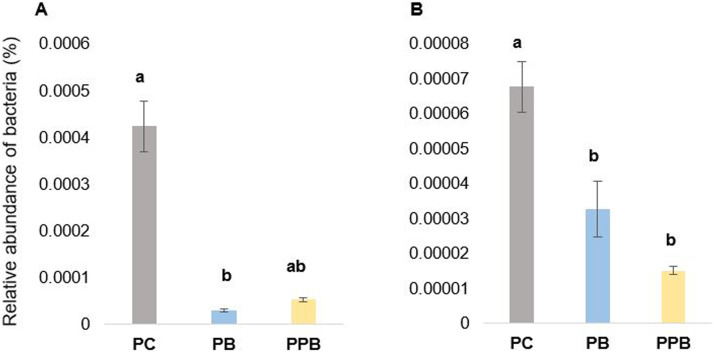
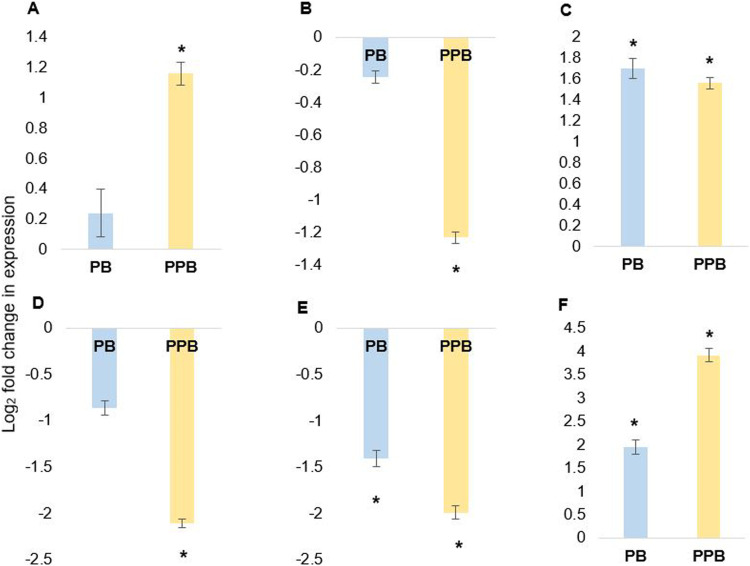
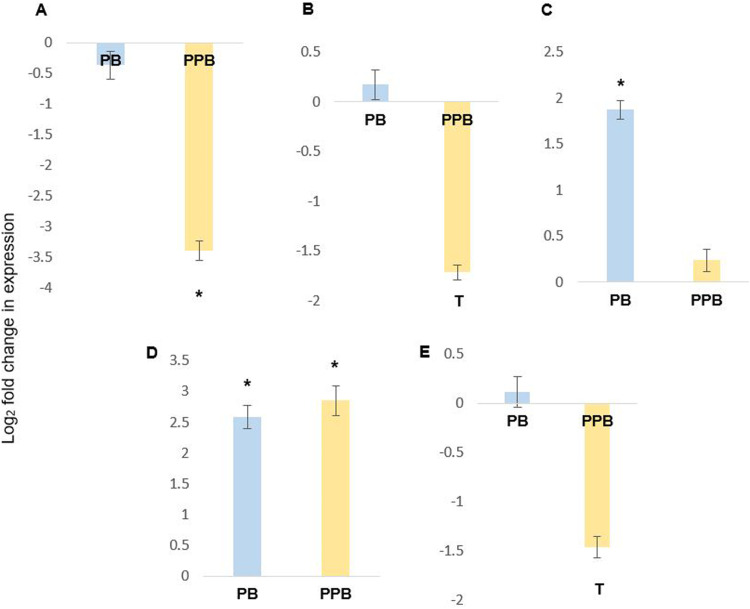
Campylobacter is the most reported zoonotic pathogen in Europe and controlling it in broiler chickens has gained much attention among the scientists especially, considering its commensalism in chicken gut. In a previous study, we demonstrated the potential of reducing Campylobacter jejuni colonization in the ceca of broiler chickens (35 days old) by in-ovo stimulation with the probiotic Leuconostoc mesenteroides B/00288 strain alone (probiotic) and in combination with garlic aqueous extract (prophybiotic). The current study further investigated the physiological and genomic responses of these birds to elucidate the potential mechanisms behind the reduction of Campylobacter observed in the ceca. The quantification of the relative abundances of selected bacterial communities in the ceca and the expression of immune-related genes in the cecal mucosa, cecal tonsils, spleen and liver was performed using qPCR. Histomorphology of the ceca was analysed by PAS staining method. The serum immunoglobulin Y (IgY) content was quantified using an ELISA method. Both treatments reduced the abundance of Akkermansia sp. and the probiotic treatment reduced Bifidobacterium sp. in the ceca of Campylobacter infected chickens when compared to the control birds (in-ovo injected with physiological saline). A higher innate immune defence response was observed through gene expression in the cecal tonsils and spleen of the in-ovo stimulated birds when compared to the control birds. The villus width and crypt depth were decreased in the in-ovo stimulated groups when compared to the control group while the serum IgY content did not differ between the groups. In conclusion, this study provides evidence that in-ovo stimulation can be an effective method in innate immunity training to control Campylobacter jejuni in broiler chickens.
弯曲杆菌是欧洲报告最多的人畜共患病原体,鉴于其在鸡肠道中的共生关系,控制肉鸡中的弯曲杆菌受到了科学家们的广泛关注。在之前的一项研究中,我们证明了通过在蛋内单独用益生菌肠系膜明串珠菌B/00288菌株(益生菌)以及与大蒜水提取物联合(预防益生菌)刺激,可降低空肠弯曲杆菌在35日龄肉鸡盲肠中的定植。本研究进一步调查了这些鸡的生理和基因组反应,以阐明在盲肠中观察到的弯曲杆菌减少背后的潜在机制。使用qPCR对盲肠中选定细菌群落的相对丰度以及盲肠黏膜、盲肠扁桃体、脾脏和肝脏中免疫相关基因的表达进行了定量。通过PAS染色法分析了盲肠的组织形态学。使用ELISA方法对血清免疫球蛋白Y(IgY)含量进行了定量。与对照鸡(蛋内注射生理盐水)相比,两种处理均降低了感染弯曲杆菌的鸡盲肠中阿克曼氏菌属的丰度,益生菌处理降低了双歧杆菌属的丰度。与对照鸡相比,在蛋内刺激的鸡的盲肠扁桃体和脾脏中,通过基因表达观察到更高的先天免疫防御反应。与对照组相比,蛋内刺激组的绒毛宽度和隐窝深度降低,而各组之间的血清IgY含量没有差异。总之,本研究提供了证据表明,蛋内刺激可以成为训练肉鸡先天免疫力以控制空肠弯曲杆菌的有效方法。