van der Hoek Lia, Pyrc Krzysztof, Jebbink Maarten F, Vermeulen-Oost Wilma, Berkhout Ron J M, Wolthers Katja C, Wertheim-van Dillen Pauline M E, Kaandorp Jos, Spaargaren Joke, Berkhout Ben
Department of Human Retrovirology, Academic Medical Center, University of Amsterdam, Meibergdreef 15, 1105 AZ, Amsterdam, The Netherlands.
Nat Med. 2004 Apr;10(4):368-73. doi: 10.1038/nm1024. Epub 2004 Mar 21.
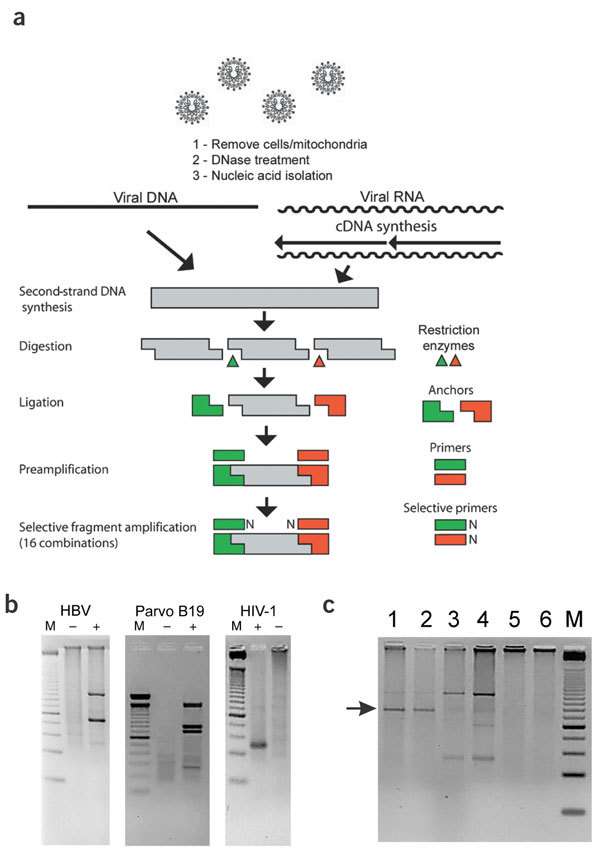
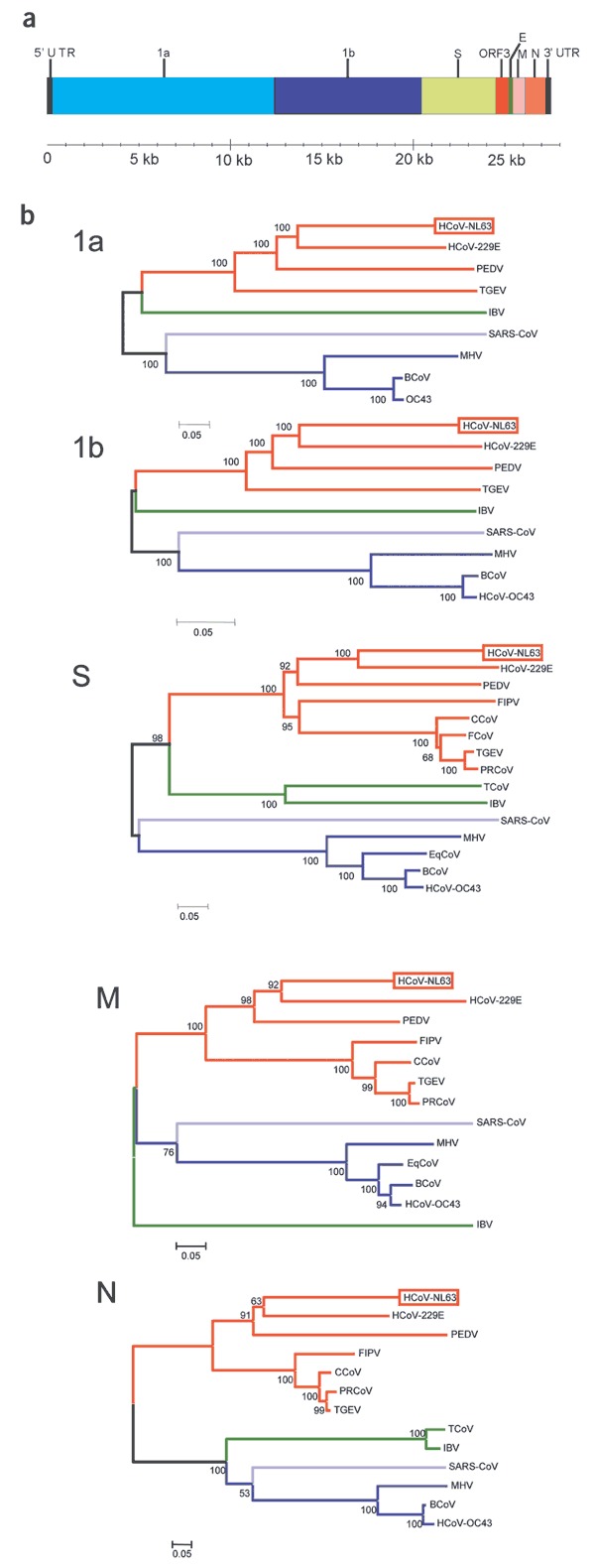
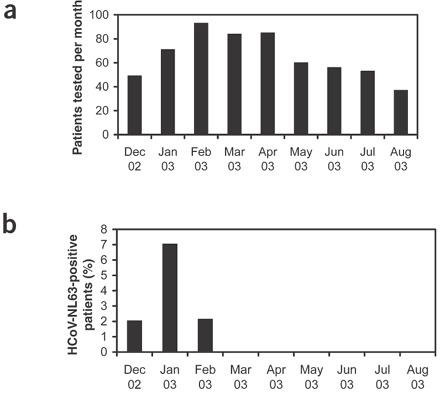
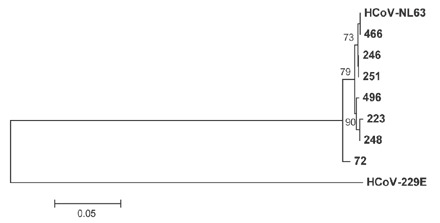
Three human coronaviruses are known to exist: human coronavirus 229E (HCoV-229E), HCoV-OC43 and severe acute respiratory syndrome (SARS)-associated coronavirus (SARS-CoV). Here we report the identification of a fourth human coronavirus, HCoV-NL63, using a new method of virus discovery. The virus was isolated from a 7-month-old child suffering from bronchiolitis and conjunctivitis. The complete genome sequence indicates that this virus is not a recombinant, but rather a new group 1 coronavirus. The in vitro host cell range of HCoV-NL63 is notable because it replicates on tertiary monkey kidney cells and the monkey kidney LLC-MK2 cell line. The viral genome contains distinctive features, including a unique N-terminal fragment within the spike protein. Screening of clinical specimens from individuals suffering from respiratory illness identified seven additional HCoV-NL63-infected individuals, indicating that the virus was widely spread within the human population.
人类冠状病毒229E(HCoV - 229E)、HCoV - OC43和严重急性呼吸综合征(SARS)相关冠状病毒(SARS-CoV)。在此,我们报告利用一种新的病毒发现方法鉴定出了第四种人类冠状病毒——HCoV - NL63。该病毒是从一名患有细支气管炎和结膜炎的7个月大儿童体内分离出来的。完整的基因组序列表明,这种病毒并非重组病毒,而是一种新的1型冠状病毒。HCoV - NL63在体外的宿主细胞范围值得关注,因为它能在三级猴肾细胞和猴肾LLC - MK2细胞系上复制。该病毒基因组具有独特特征,包括刺突蛋白内一个独特的N端片段。对患有呼吸道疾病个体的临床标本进行筛查,又发现了另外7名感染HCoV - NL63的个体,这表明该病毒在人群中广泛传播。