Department of Cytokine Biology, The Forsyth Institute, Boston, MA, USA Pulp Biology and Endodontics, Graduate School, Tokyo Medical and Dental University, Bunkyo-ku, Tokyo, Japan.
J Periodontal Res. 2010 Dec;45(6):757-63. doi: 10.1111/j.1600-0765.2010.01296.x.
18β-Glycyrrhetinic acid (GA) is a natural anti-inflammatory compound derived from licorice root extract (Glycyrrhiza glabra). The effect of GA on experimental periodontitis and its mechanism of action were determined in the present study.
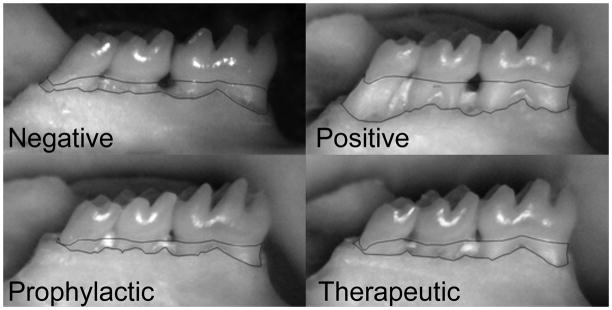
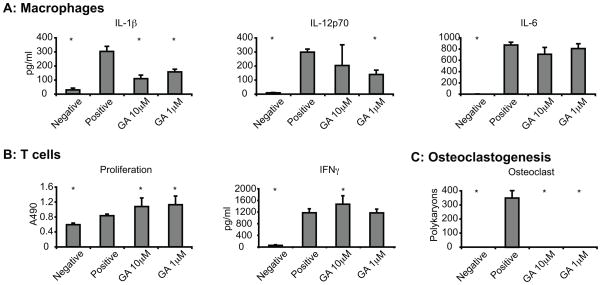
Periodontitis was induced by oral infection with Porphyromonas gingivalis W83 in interleukin-10-deficient mice. The effect of GA, which was delivered by subcutaneous injections in either prophylactic or therapeutic regimens, on alveolar bone loss and gingival gene expressions was determined on day 42 after initial infection. The effect of GA on lipopolysaccharide (LPS)-stimulated macrophages, T cell proliferation and osteoclastogenesis was also examined in vitro.
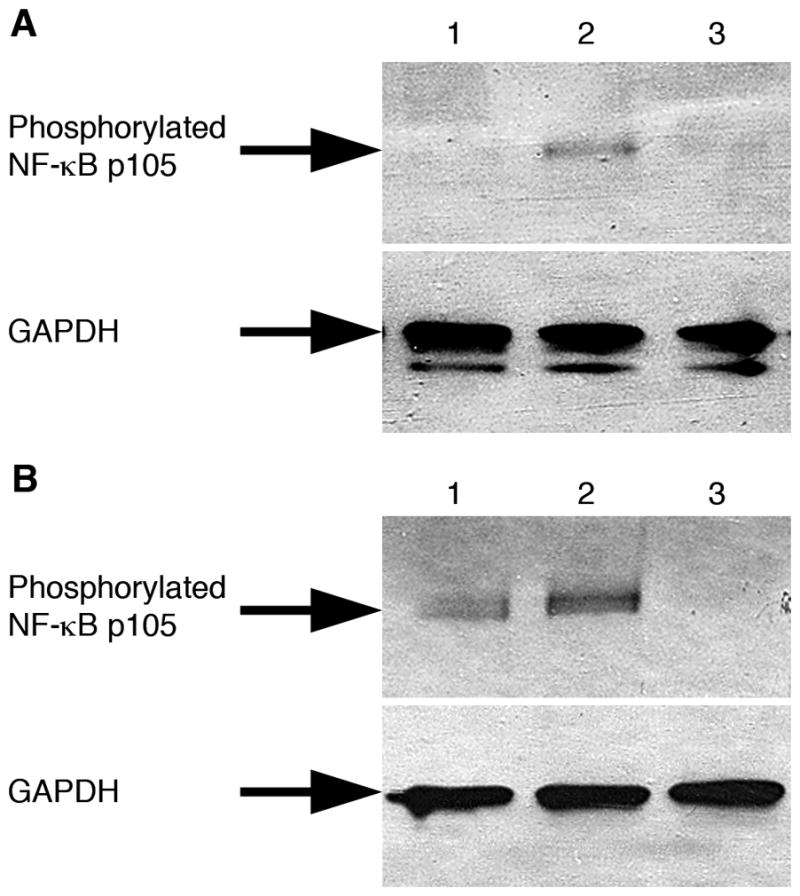
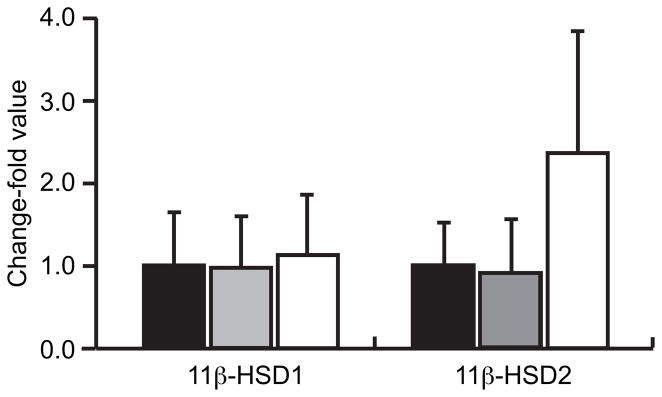
18β-Glycyrrhetinic acid administered either prophylactically or therapeutically resulted in a dramatic reduction of infection-induced bone loss in interleukin-10-deficient mice, which are highly disease susceptible. Although GA has been reported to exert its anti-inflammatory activity via downregulation of 11β-hydroxysteroid dehydrogenase-2 (HSD2), which converts active glucocorticoids to their inactive forms, GA did not reduce HSD2 gene expression in gingival tissue. Rather, in glucocorticoid-free conditions, GA potently inhibited LPS-stimulated proinflammatory cytokine production and RANKL-stimulated osteoclastogenesis, both of which are dependent on nuclear factor-κB. Furthermore, GA suppressed LPS- and RANKL-stimulated phosphorylation of nuclear factor-κB p105 in vitro.
These findings indicate that GA inhibits periodontitis by inactivation of nuclear factor-κB in an interleukin-10- and glucocorticoid-independent fashion.
18β-甘草次酸(GA)是一种天然抗炎化合物,来源于甘草根提取物(Glycyrrhiza glabra)。本研究旨在确定 GA 对实验性牙周炎的作用及其作用机制。
通过口腔感染牙龈卟啉单胞菌 W83 诱导白细胞介素-10 缺陷型小鼠发生牙周炎。通过皮下注射预防性或治疗性方案给予 GA,观察其对第 42 天初始感染后牙槽骨丧失和牙龈基因表达的影响。还在体外研究了 GA 对脂多糖(LPS)刺激的巨噬细胞、T 细胞增殖和破骨细胞形成的影响。
预防性或治疗性给予 GA 可显著减少白细胞介素-10 缺陷型小鼠(高度易感疾病)感染引起的骨丢失。尽管 GA 已被报道通过下调 11β-羟类固醇脱氢酶-2(HSD2)发挥其抗炎活性,HSD2 将活性糖皮质激素转化为无活性形式,但 GA 并未降低牙龈组织中的 HSD2 基因表达。相反,在无糖皮质激素的条件下,GA 可强烈抑制 LPS 刺激的促炎细胞因子产生和 RANKL 刺激的破骨细胞形成,这两者均依赖于核因子-κB。此外,GA 抑制 LPS 和 RANKL 刺激的核因子-κB p105 体外磷酸化。
这些发现表明,GA 通过非白细胞介素-10 和糖皮质激素依赖的方式使核因子-κB 失活来抑制牙周炎。