Saraswat Megha, Suryanarayana Palla, Reddy Paduru Yadagiri, Patil Madhoosudan A, Balakrishna Nagalla, Reddy Geereddy Bhanuprakash
Biochemistry Division, National Institute of Nutrition, Hyderabad, India.
Mol Vis. 2010 Aug 10;16:1525-37.
Advanced glycation end products (AGE) are associated in the development of several pathophysiologies including diabetic cataract. Earlier we have reported that some common dietary agents have antiglycating activity and ginger (Zingiber officinalis) was one of the few prominent agents that effectively prevented AGE formation in vitro. In this study we investigated the potential of ginger to prevent diabetic cataract in rats.
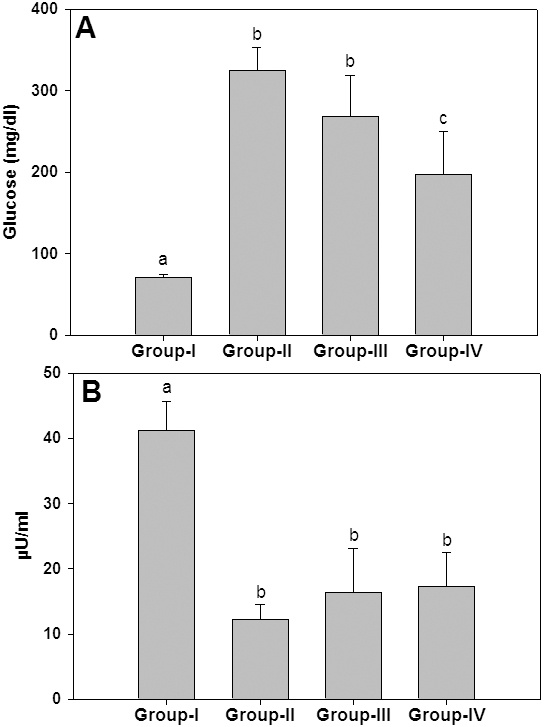
Diabetes was induced in Wistar-NIN rats by intraperitoneal injection of streptozotocin (35 mg/kg bodyweight) and the control rats received vehicle alone. While a set of diabetic animals received AIN-93 diet, another set received either 0.5 or 3% ginger in their diet for a period of two months. Cataract progression was monitored by slit-lamp biomicroscope. At the end of two months, the animals were sacrificed to evaluate non-enzymatic glycation and osmotic stress in the eye lens.
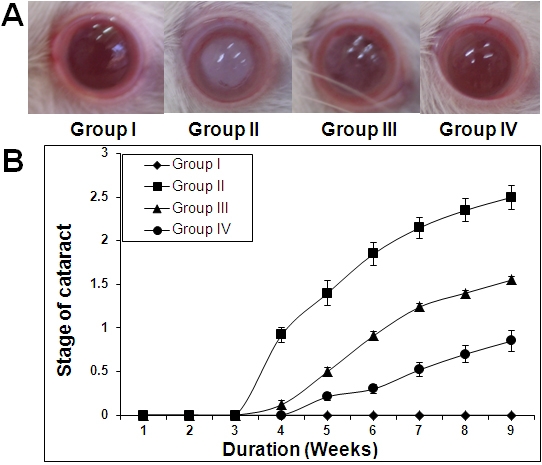
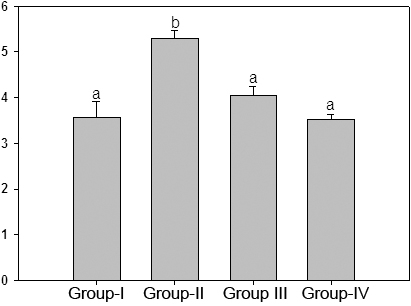
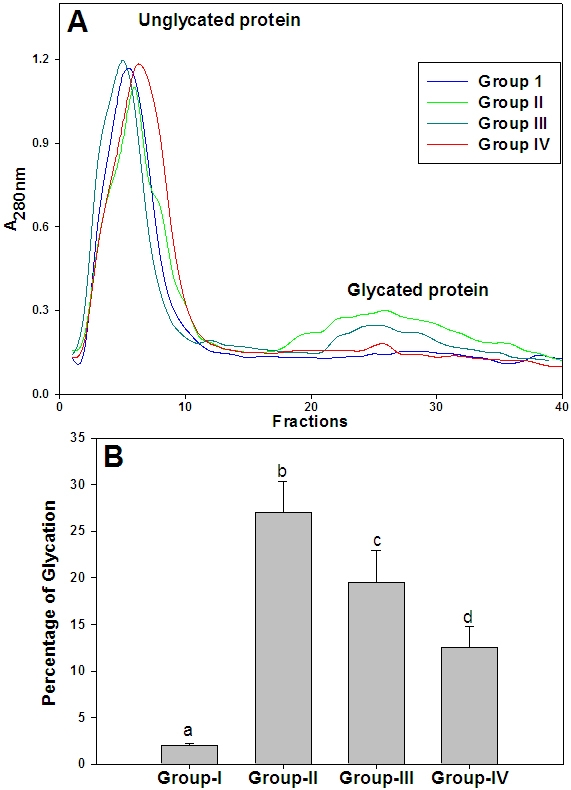
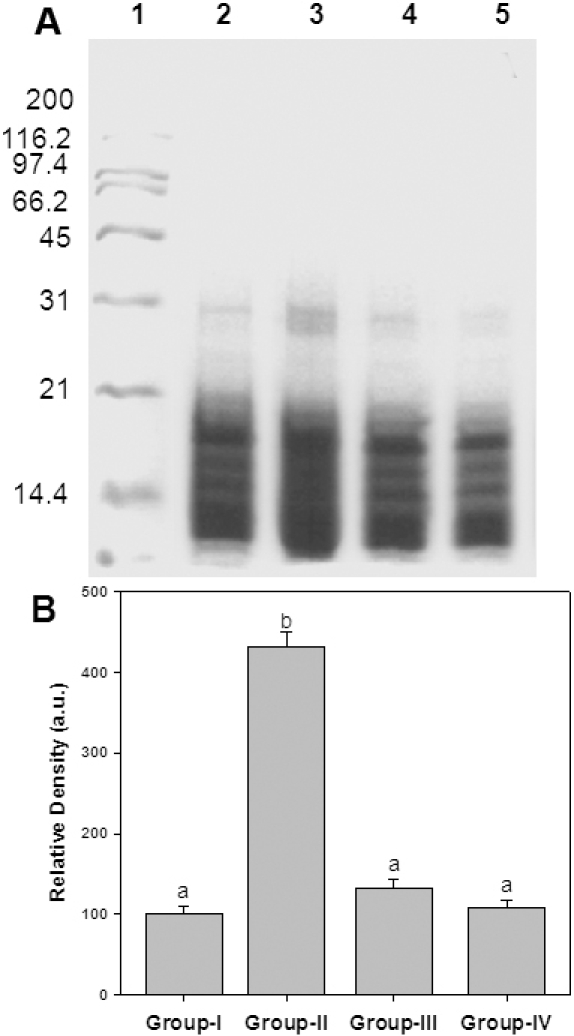
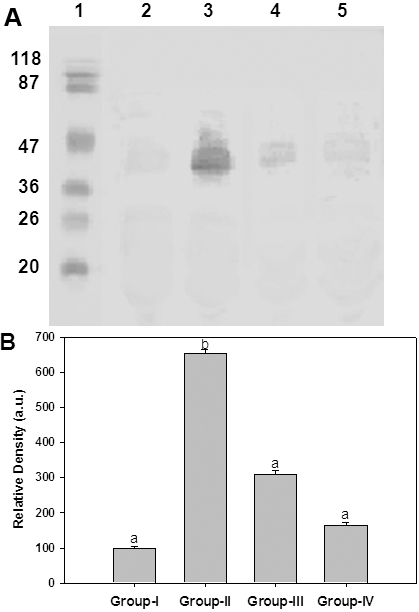
Slit-lamp examination revealed that feeding of ginger not only delayed the onset but also the progression of cataract in rats. Molecular analyses indicated that feeding of ginger significantly inhibited the formation of various AGE products including carboxymethyl lysine in the eye lens. In addition, ginger also countered hyperglycemia-induced osmotic stress in the lens.
The results indicated that ginger was effective against the development of diabetic cataract in rats mainly through its antiglycating potential and to a lesser extent by inhibition of the polyol pathway. Thus, ingredients of dietary sources, such as ginger, may be explored for the prevention or delay of diabetic complications.
晚期糖基化终产物(AGE)与包括糖尿病性白内障在内的多种病理生理过程的发生有关。我们之前报道过一些常见的膳食成分具有抗糖化活性,生姜(姜科植物)是少数几种在体外能有效预防AGE形成的显著成分之一。在本研究中,我们探究了生姜预防大鼠糖尿病性白内障的潜力。
通过腹腔注射链脲佐菌素(35毫克/千克体重)诱导Wistar-NIN大鼠患糖尿病,对照大鼠仅接受溶剂。一组糖尿病动物接受AIN-93饮食,另一组在其饮食中添加0.5%或3%的生姜,持续两个月。用裂隙灯生物显微镜监测白内障进展。两个月结束时,处死动物以评估晶状体中的非酶糖基化和渗透应激。
裂隙灯检查显示,给大鼠喂食生姜不仅延迟了白内障的发病,还延缓了其进展。分子分析表明,给大鼠喂食生姜显著抑制了晶状体中包括羧甲基赖氨酸在内的各种AGE产物的形成。此外,生姜还对抗了高血糖诱导的晶状体渗透应激。
结果表明,生姜对大鼠糖尿病性白内障的发展有效,主要是通过其抗糖化潜力,在较小程度上是通过抑制多元醇途径。因此,可探索膳食来源的成分,如生姜,用于预防或延缓糖尿病并发症。