Department of Pathogenobiology, Norman Bethune College of Medicine, Jilin University Mycology Research Center, Jilin University, Changchun 130021, China; E-Mails:
Int J Mol Sci. 2012;13(1):466-76. doi: 10.3390/ijms13010466. Epub 2011 Dec 29.
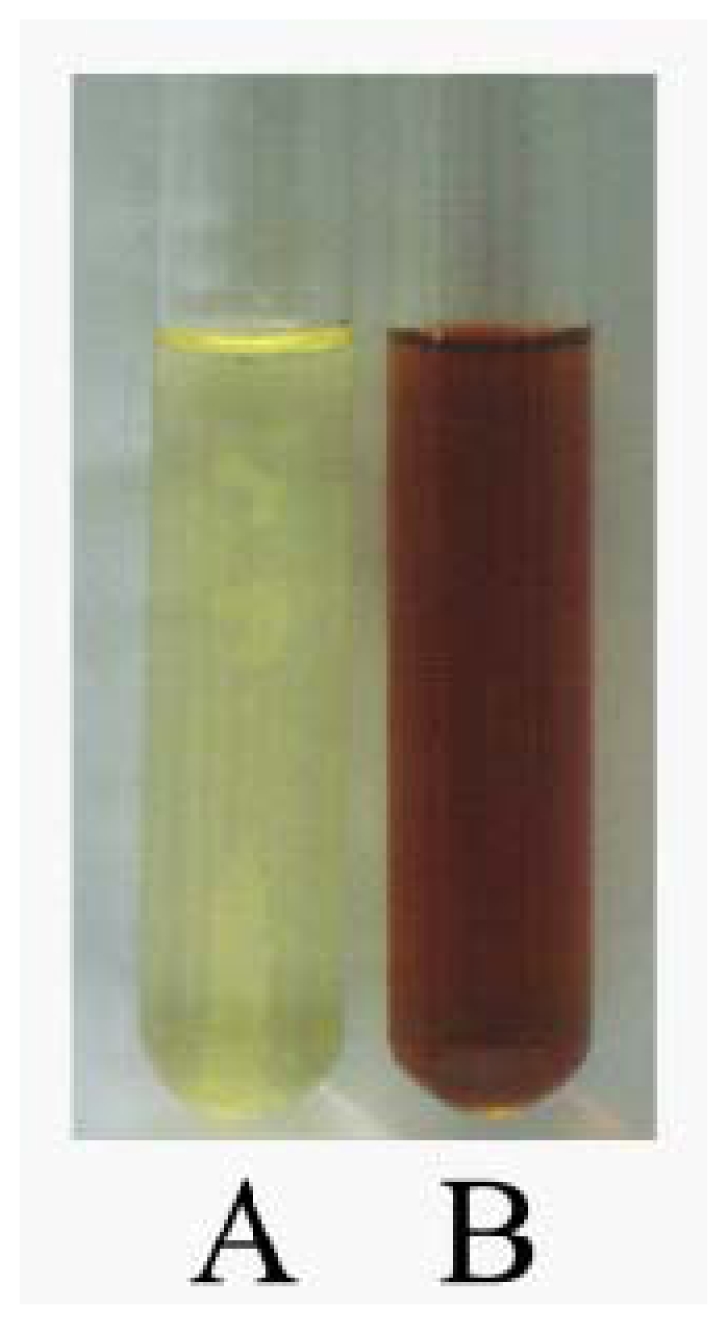
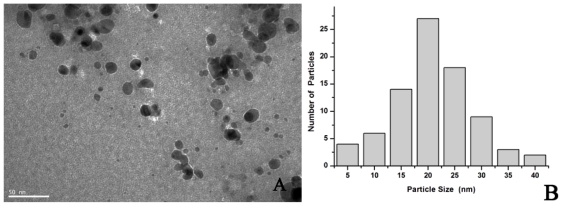
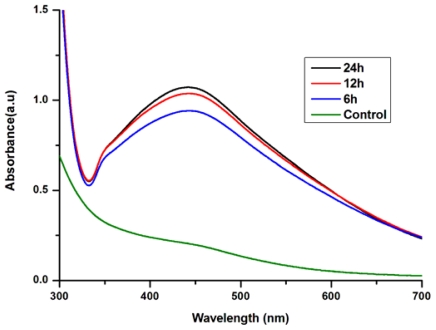
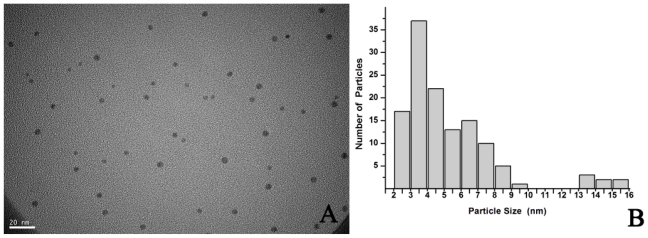
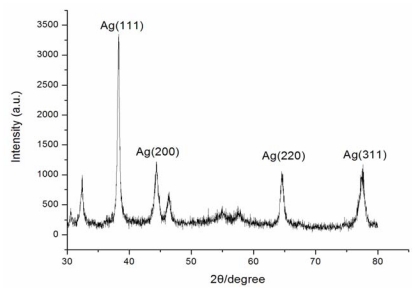
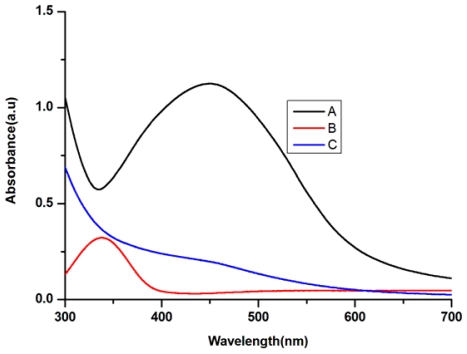
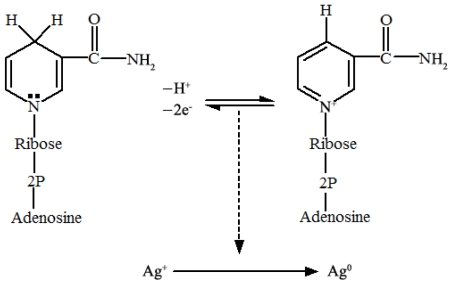
The biosynthesis of nanoparticles has received increasing attention due to the growing need to develop safe, cost-effective and environmentally friendly technologies for nano-materials synthesis. In this report, silver nanoparticles (AgNPs) were synthesized using a reduction of aqueous Ag(+) ion with the culture supernatants of Aspergillus terreus. The reaction occurred at ambient temperature and in a few hours. The bioreduction of AgNPs was monitored by ultraviolet-visible spectroscopy, and the AgNPs obtained were characterized by transmission electron microscopy and X-ray diffraction. The synthesized AgNPs were polydispersed spherical particles ranging in size from 1 to 20 nm and stabilized in the solution. Reduced nicotinamide adenine dinucleotide (NADH) was found to be an important reducing agent for the biosynthesis, and the formation of AgNPs might be an enzyme-mediated extracellular reaction process. Furthermore, the antimicrobial potential of AgNPs was systematically evaluated. The synthesized AgNPs could efficiently inhibit various pathogenic organisms, including bacteria and fungi. The current research opens a new avenue for the green synthesis of nano-materials.
由于对开发安全、经济高效和环保的纳米材料合成技术的需求不断增长,纳米粒子的生物合成受到了越来越多的关注。在本报告中,使用土曲霉培养上清液还原水溶液中的银(+)离子合成了银纳米粒子(AgNPs)。反应在环境温度下进行,只需几个小时。通过紫外-可见光谱监测生物还原过程,并用透射电子显微镜和 X 射线衍射对得到的 AgNPs 进行了表征。合成的 AgNPs 是尺寸在 1 至 20nm 之间的多分散球形颗粒,并在溶液中稳定存在。发现还原型烟酰胺腺嘌呤二核苷酸(NADH)是生物合成的重要还原剂,AgNPs 的形成可能是一种酶介导的细胞外反应过程。此外,还系统评估了 AgNPs 的抗菌潜力。合成的 AgNPs 可以有效抑制各种致病生物,包括细菌和真菌。本研究为纳米材料的绿色合成开辟了新途径。