College of Pharmacy, Fujian University of Traditional Chinese Medicine, Fuzhou, Fujian 350108, China ; Center for Translational Biomedical Research, University of North Carolina at Greensboro, North Carolina Research Campus, Kannapolis, NC 28081, USA.
Evid Based Complement Alternat Med. 2013;2013:836179. doi: 10.1155/2013/836179. Epub 2013 Jan 20.
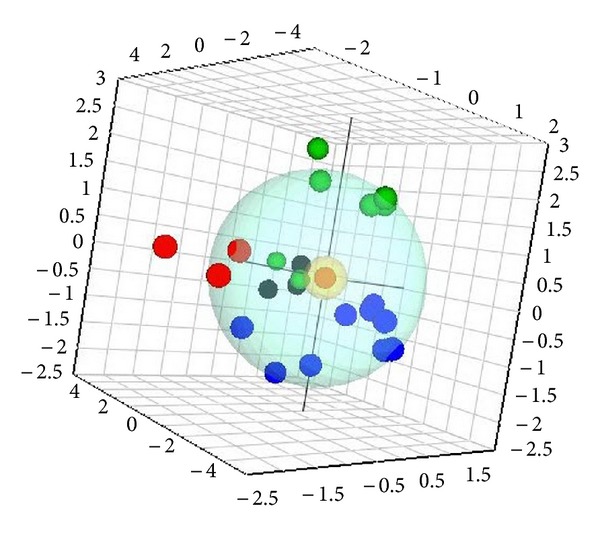
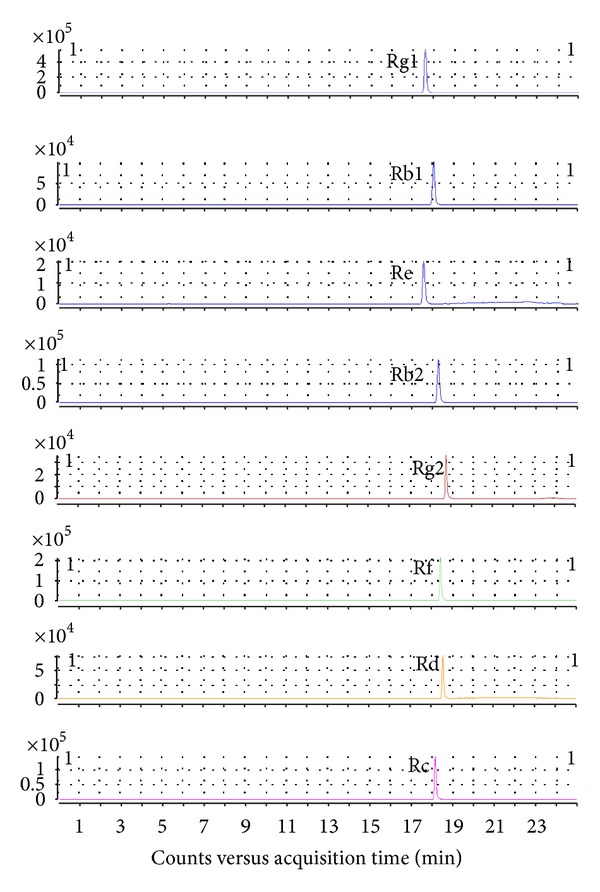
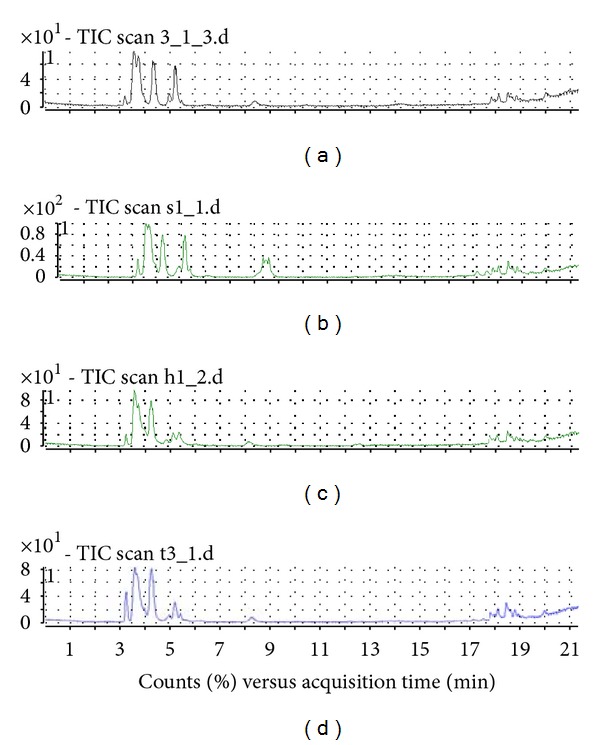
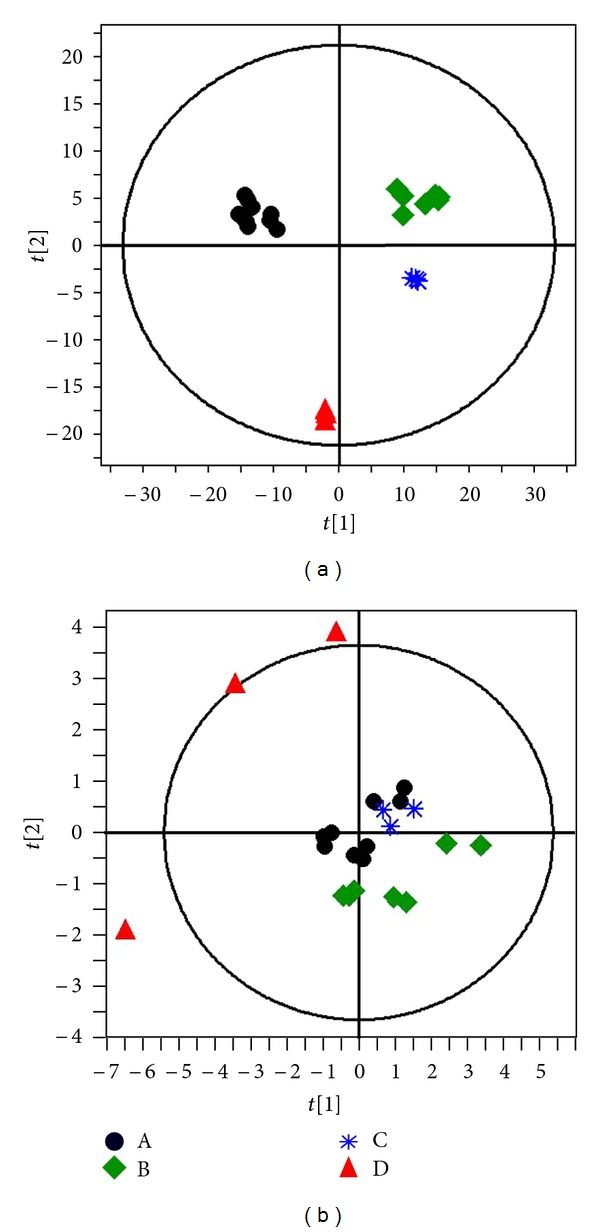
Quality control of traditional Chinese medicines (TCMs) used clinically is becoming a challenge and has limited the development of TCM due to the high variability in concentration levels of active ingredients and markers as well as the lack of well-established criteria. Using Shengmai injection, which is a well-established TCM, as an example, we developed an integrated profiling approach that simultaneously captures the entire spectrum of ingredients and quantitatively determines the levels of seven key ingredients in the TCM product. A multivariate statistical model was constructed to establish a "seven-marker-" based quality standard that qualified the majority of samples in this study. This newly developed strategy showed that a panel of key ingredients or markers in the TCM product were relatively consistent within a statistically acceptable range. Therefore, this metabolomics-based approach will complement the current quality control standard using the concentration of several key ingredients or their total content and help improve the consistency and clinic efficacy of TCM products.
临床使用的中药(TCM)的质量控制正成为一个挑战,由于活性成分和标志物浓度水平的高度变异性以及缺乏完善的标准,限制了 TCM 的发展。本文以生脉注射液(一种成熟的 TCM)为例,开发了一种综合分析方法,该方法可以同时捕捉到中药产品的全部成分,并定量确定该中药产品中七种关键成分的水平。构建了一个多变量统计模型,以建立一个基于“七种标志物”的质量标准,该标准可以鉴定本研究中大多数样品。这种新开发的策略表明,TCM 产品中的一组关键成分或标志物在统计上可接受的范围内相对一致。因此,这种基于代谢组学的方法将补充使用几种关键成分或其总含量的浓度来进行当前的质量控制标准,并有助于提高 TCM 产品的一致性和临床疗效。