Lund University Cognitive Science, Lund University, Lund, Sweden.
PLoS One. 2013 Apr 10;8(4):e60554. doi: 10.1371/journal.pone.0060554. Print 2013.
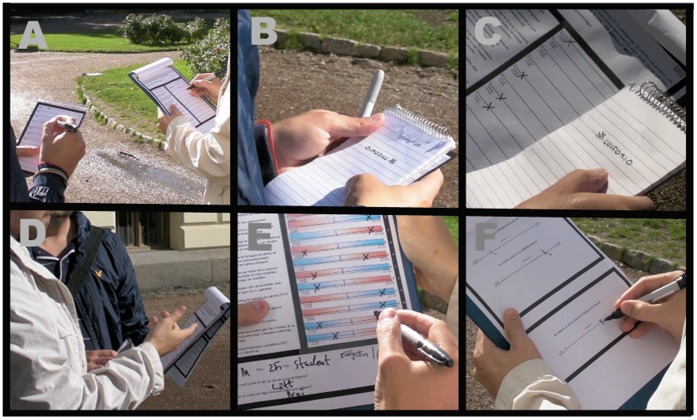
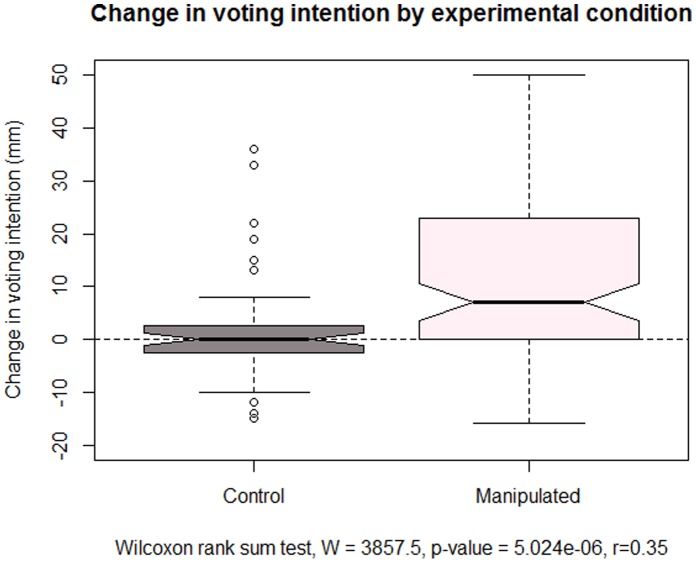
Political candidates often believe they must focus their campaign efforts on a small number of swing voters open for ideological change. Based on the wisdom of opinion polls, this might seem like a good idea. But do most voters really hold their political attitudes so firmly that they are unreceptive to persuasion? We tested this premise during the most recent general election in Sweden, in which a left- and a right-wing coalition were locked in a close race. We asked our participants to state their voter intention, and presented them with a political survey of wedge issues between the two coalitions. Using a sleight-of-hand we then altered their replies to place them in the opposite political camp, and invited them to reason about their attitudes on the manipulated issues. Finally, we summarized their survey score, and asked for their voter intention again. The results showed that no more than 22% of the manipulated replies were detected, and that a full 92% of the participants accepted and endorsed our altered political survey score. Furthermore, the final voter intention question indicated that as many as 48% (±9.2%) were willing to consider a left-right coalition shift. This can be contrasted with the established polls tracking the Swedish election, which registered maximally 10% voters open for a swing. Our results indicate that political attitudes and partisan divisions can be far more flexible than what is assumed by the polls, and that people can reason about the factual issues of the campaign with considerable openness to change.
政治候选人通常认为,他们必须将竞选活动的重点集中在少数对意识形态变化持开放态度的摇摆选民身上。基于民意调查的智慧,这似乎是一个好主意。但是,大多数选民真的如此坚定地持有自己的政治态度,以至于对说服无动于衷吗?在最近的瑞典大选中,我们检验了这一前提,当时一个左翼和右翼联盟陷入了一场势均力敌的竞选。我们要求参与者表明自己的选民意向,并向他们展示了两个联盟之间的分歧问题的政治调查。然后,我们巧妙地改变了他们的回答,将他们置于相反的政治阵营,并邀请他们就操纵问题的态度进行推理。最后,我们总结了他们的调查得分,并再次询问他们的选民意向。结果表明,只有不超过 22%的操纵回答被发现,并且多达 92%的参与者接受并认可了我们改变后的政治调查得分。此外,最终的选民意向问题表明,多达 48%(±9.2%)的人愿意考虑左右翼联盟的转变。这与跟踪瑞典选举的既定民意调查形成鲜明对比,后者最多记录了 10%的愿意转向的选民。我们的结果表明,政治态度和党派分歧可能比民意调查所假设的更为灵活,人们可以以相当开放的态度考虑竞选活动的实际问题。