The Faculty of Dental Medicine, Institute for Dental Sciences, Hebrew University, Hadassah Medical Center, Jerusalem, Israel.
PLoS One. 2013 May 2;8(5):e63062. doi: 10.1371/journal.pone.0063062. Print 2013.
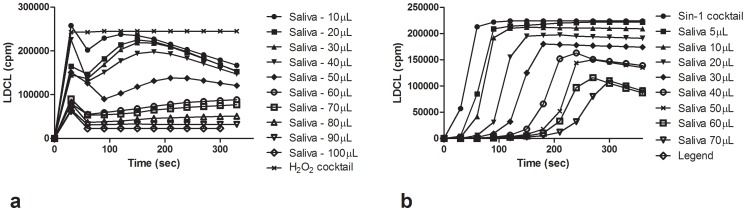
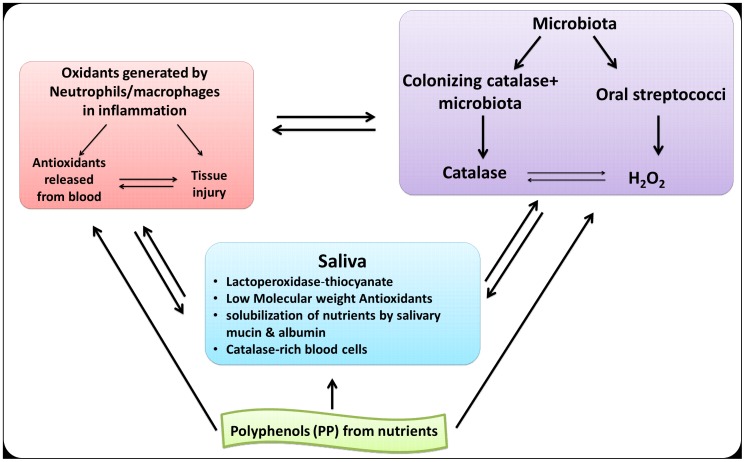
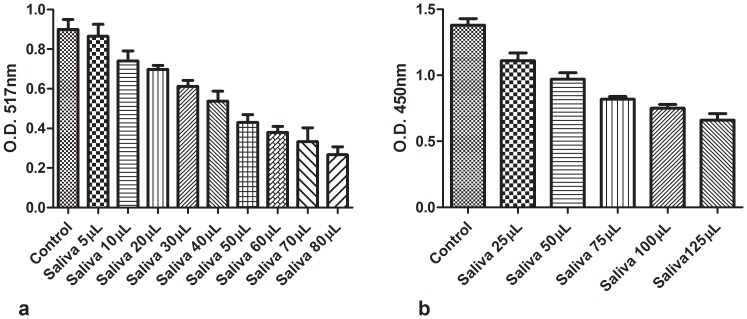
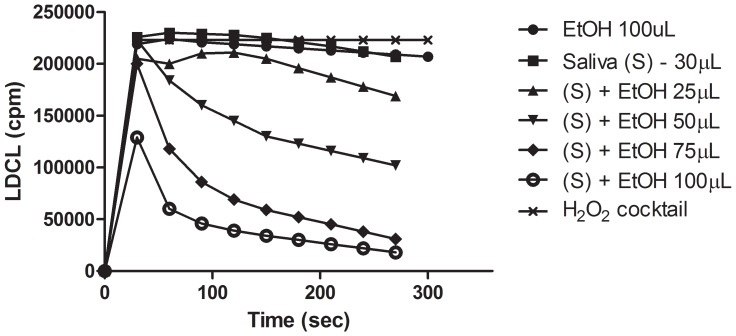
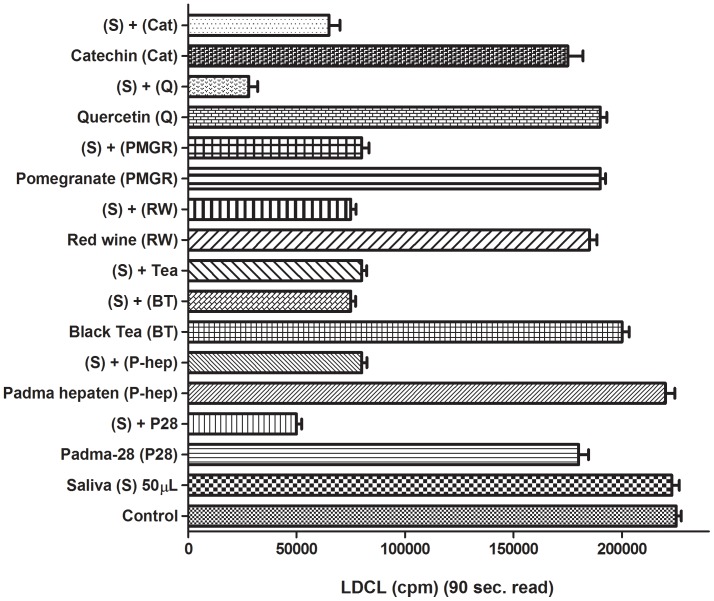
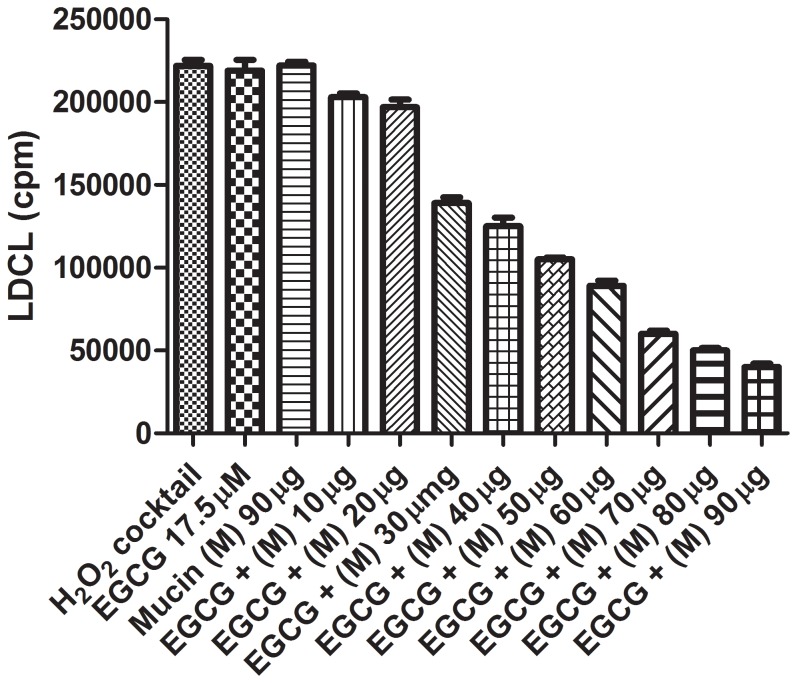
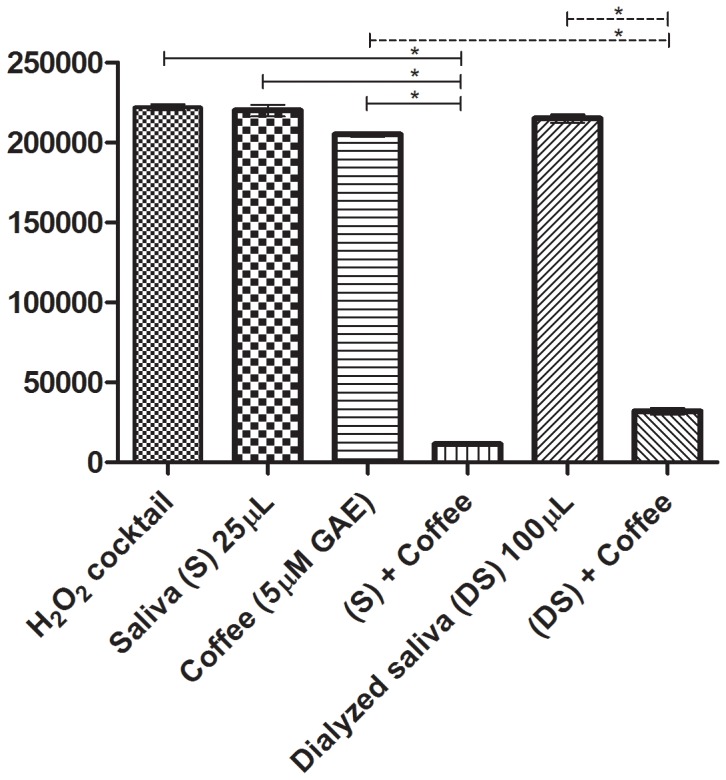
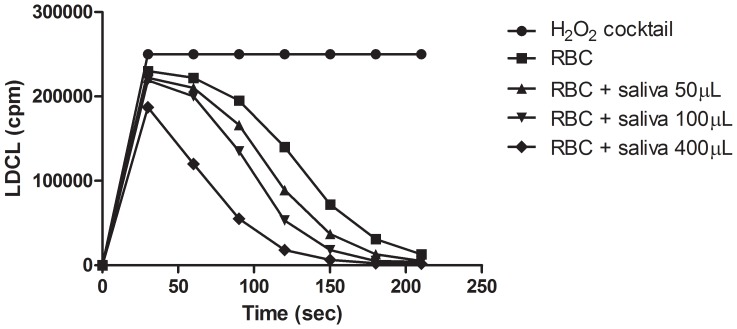
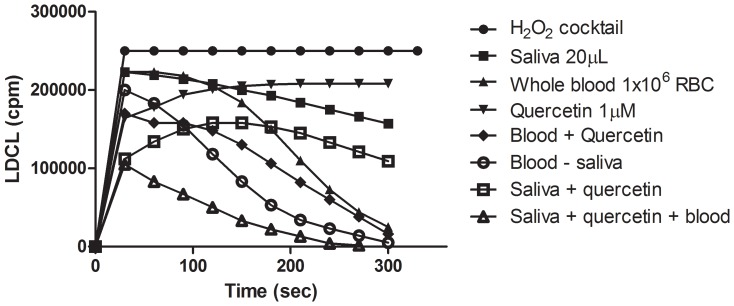
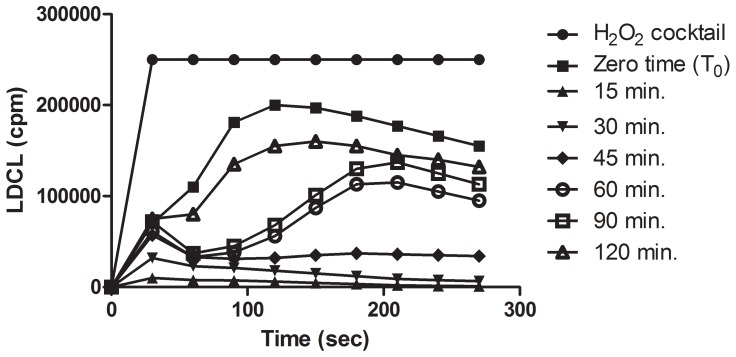
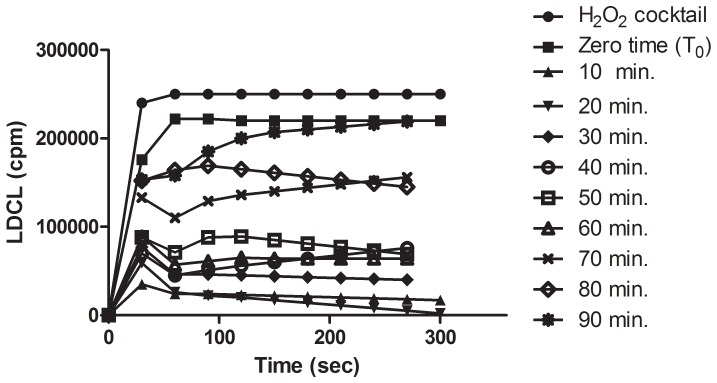
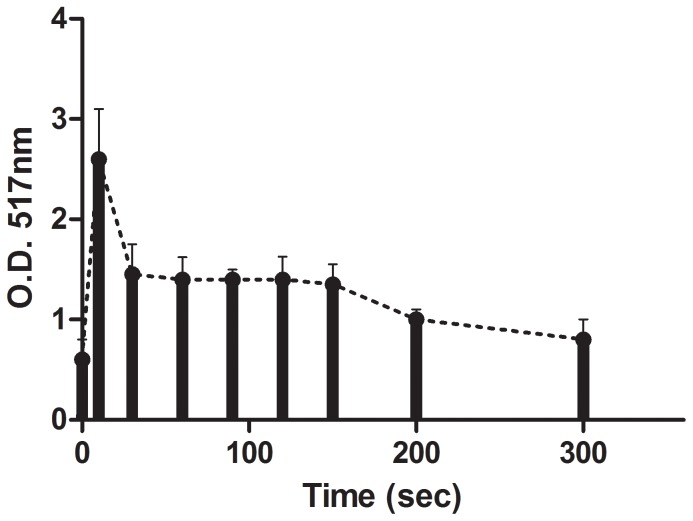
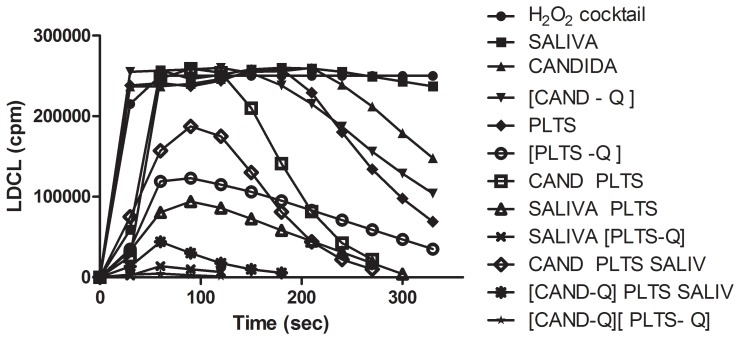
Saliva has become a central research issue in oral physiology and pathology. Over the evolution, the oral cavity has evolved the antioxidants uric acid, ascorbate reduced glutathione, plasma-derived albumin and antioxidants polyphenols from nutrients that are delivered to the oral cavity. However, blood cells extravasated from injured capillaries in gingival pathologies, or following tooth brushing and use of tooth picks, may attenuate the toxic activities of H2O2 generated by oral streptococci and by oxidants generated by activated phagocytes. Employing a highly sensitive luminol-dependent chemiluminescence, the DPPH radical and XTT assays to quantify oxidant-scavenging abilities (OSA), we show that saliva can strongly decompose both oxygen and nitrogen species. However, lipophilic antioxidant polyphenols in plants, which are poorly soluble in water and therefore not fully available as effective antioxidants, can nevertheless be solubilized either by small amounts of ethanol, whole saliva or also by salivary albumin and mucin. Plant-derived polyphenols can also act in collaboration with whole saliva, human red blood cells, platelets, and also with catalase-positive microorganisms to decompose reactive oxygen species (ROS). Furthermore, polyphenols from nutrient can avidly adhere to mucosal surfaces, are retained there for long periods and may function as a "slow-release devises" capable of affecting the redox status in the oral cavity. The OSA of saliva is due to the sum result of low molecular weight antioxidants, albumin, polyphenols from nutrients, blood elements and microbial antioxidants. Taken together, saliva and its antioxidants are considered regulators of the redox status in the oral cavity under physiological and pathological conditions.
唾液已成为口腔生理学和病理学的研究重点。在进化过程中,口腔从输送到口腔的营养物质中产生了抗氧化剂尿酸、还原型抗坏血酸、谷胱甘肽、血浆衍生白蛋白和多酚类抗氧化剂。然而,牙龈病患者毛细血管受损时会有血细胞渗出,或者在刷牙和使用牙签后,这些血细胞会减弱口腔链球菌和被激活的吞噬细胞产生的 H2O2 的毒性作用。我们采用高度敏感的鲁米诺依赖化学发光法、DPPH 自由基和 XTT 测定法来定量检测抗氧化能力(OSA),结果表明唾液可以强烈分解氧和氮物种。然而,植物中的亲脂性抗氧化多酚类物质在水中的溶解度较差,因此不能作为有效的抗氧化剂充分发挥作用,但少量乙醇、全唾液或唾液白蛋白和粘蛋白也可以将其溶解。植物来源的多酚类物质还可以与全唾液、人红细胞、血小板协同作用,分解活性氧物质(ROS)。此外,来自营养物质的多酚类物质可以强烈黏附在黏膜表面,在那里保留很长时间,并可作为能够影响口腔氧化还原状态的“缓效释放装置”。唾液的 OSA 是由于低分子量抗氧化剂、白蛋白、来自营养物质的多酚类物质、血液成分和微生物抗氧化剂的总和。总之,唾液及其抗氧化剂被认为是在生理和病理条件下调节口腔氧化还原状态的调节剂。