Bahar-Fuchs Alex, Clare Linda, Woods Bob
Centre for Research on Ageing, Health, and Wellbeing, Australian National University, 62A Eggleston Road, Canberra, Acton 0200, Australia.
School of Psychology, Bangor University, Bangor, Gwynedd LL57 2AS, UK.
Alzheimers Res Ther. 2013 Aug 7;5(4):35. doi: 10.1186/alzrt189. eCollection 2013.
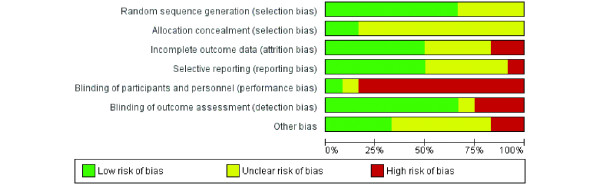
Cognitive impairments, and particularly memory deficits, are a defining feature of the early stages of Alzheimer's disease and vascular dementia. Interventions that target these cognitive deficits and the associated difficulties with activities of daily living are the subject of ever-growing interest. Cognitive training and cognitive rehabilitation are specific forms of non-pharmacological intervention to address cognitive and non-cognitive outcomes. The present review is an abridged version of a Cochrane Review and aims to systematically evaluate the evidence for these forms of intervention in people with mild Alzheimer's disease or vascular dementia. Randomized controlled trials (RCTs), published in English, comparing cognitive rehabilitation or cognitive training interventions with control conditions and reporting relevant outcomes for the person with dementia or the family caregiver (or both), were considered for inclusion. Eleven RCTs reporting cognitive training interventions were included in the review. A large number of measures were used in the different studies, and meta-analysis could be conducted for several primary and secondary outcomes of interest. Several outcomes were not measured in any of the studies. Overall estimates of the treatment effect were calculated by using a fixed-effects model, and statistical heterogeneity was measured by using a standard chi-squared statistic. One RCT of cognitive rehabilitation was identified, allowing the examination of effect sizes, but no meta-analysis could be conducted. Cognitive training was not associated with positive or negative effects in relation to any of the reported outcomes. The overall quality of the trials was low to moderate. The single RCT of cognitive rehabilitation found promising results in relation to some patient and caregiver outcomes and was generally of high quality. The available evidence regarding cognitive training remains limited, and the quality of the evidence needs to improve. However, there is still no indication of any significant benefits from cognitive training. Trial reports indicate that some gains resulting from intervention may not be captured adequately by available standardized outcome measures. The results of the single RCT of cognitive rehabilitation show promise but are preliminary in nature. Further well-designed studies of cognitive training and cognitive rehabilitation are required to provide more definitive evidence. Researchers should describe and classify their interventions appropriately by using the available terminology.
认知障碍,尤其是记忆缺陷,是阿尔茨海默病和血管性痴呆早期阶段的一个决定性特征。针对这些认知缺陷以及与之相关的日常生活活动困难的干预措施,正受到越来越多的关注。认知训练和认知康复是针对认知和非认知结果的特定形式的非药物干预。本综述是Cochrane系统评价的节略版,旨在系统评价针对轻度阿尔茨海默病或血管性痴呆患者的这些干预形式的证据。纳入的研究为以英文发表的随机对照试验(RCT),比较认知康复或认知训练干预与对照条件,并报告痴呆患者或家庭照顾者(或两者)的相关结果。本综述纳入了11项报告认知训练干预的RCT。不同研究中使用了大量测量方法,并且可以对多个感兴趣的主要和次要结果进行荟萃分析。有几个结果在任何研究中都未测量。使用固定效应模型计算治疗效果的总体估计值,并使用标准卡方统计量测量统计异质性。确定了一项认知康复的RCT,可用于检查效应大小,但无法进行荟萃分析。认知训练与任何报告的结果均无正相关或负相关。试验的总体质量为低到中等。唯一一项认知康复的RCT在一些患者和照顾者结果方面发现了有前景的结果,并且总体质量较高。关于认知训练的现有证据仍然有限,证据质量需要提高。然而,仍然没有迹象表明认知训练有任何显著益处。试验报告表明,干预产生的一些收益可能无法通过现有的标准化结局测量充分体现。唯一一项认知康复RCT的结果显示出前景,但本质上是初步的。需要进一步设计良好的认知训练和认知康复研究,以提供更确凿的证据。研究人员应使用现有术语对其干预措施进行适当的描述和分类。