Zhou Ping, Deng Yi, Lyu Beier, Zhang Ranran, Zhang Hai, Ma Hongwei, Lyu Yalin, Wei Shicheng
Department of Oral and Maxillofacial Surgery, School and Hospital of Stomatology, Peking University, Beijing, China; Center for Biomedical Materials and Tissue Engineering, Academy for Advanced Interdisciplinary Studies, Peking University, Beijing, China.
Suzhou Institute of Nano-Tech and Nano-Bionics, Chinese Academy of Sciences, Suzhou, China.
PLoS One. 2014 Nov 21;9(11):e113087. doi: 10.1371/journal.pone.0113087. eCollection 2014.
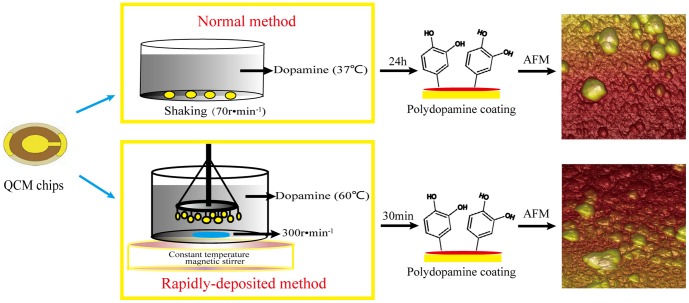
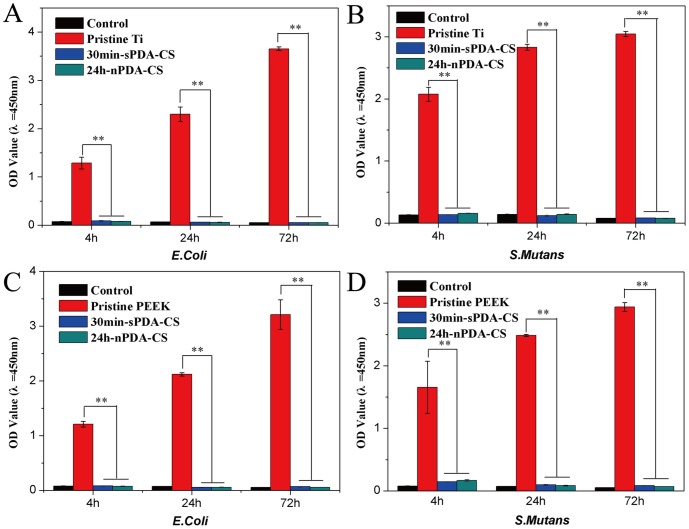
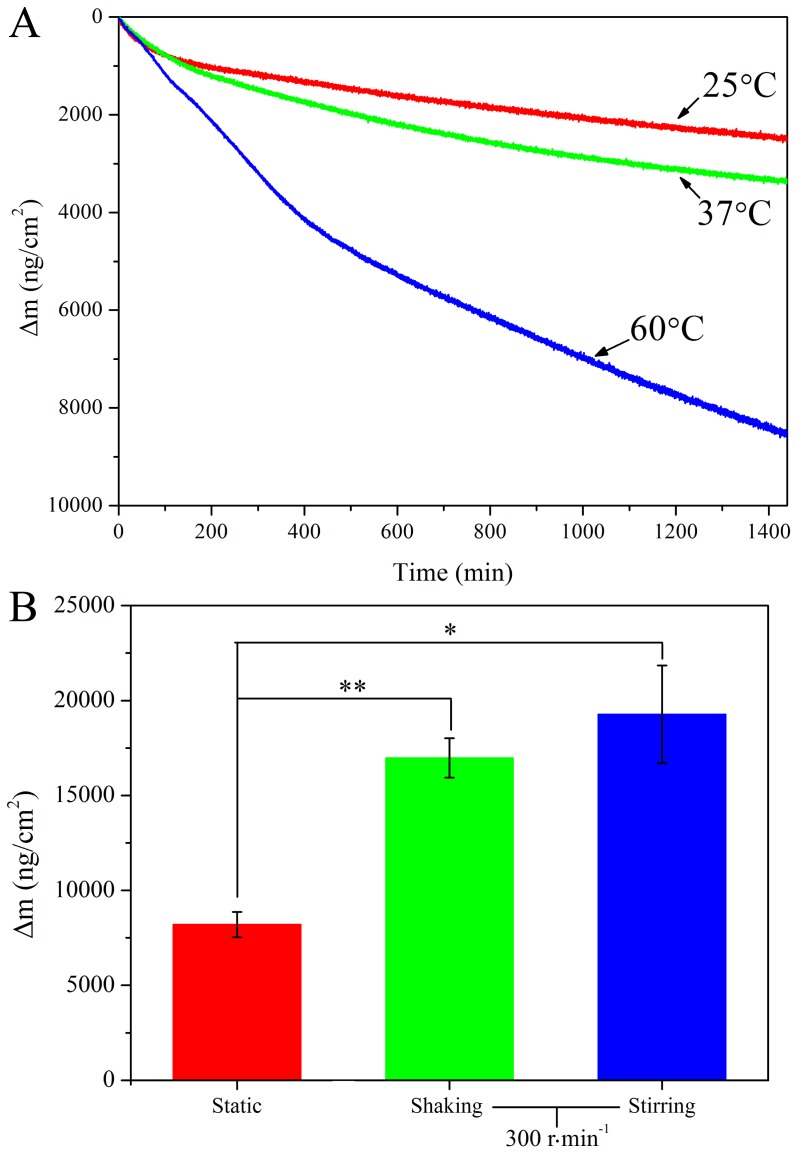
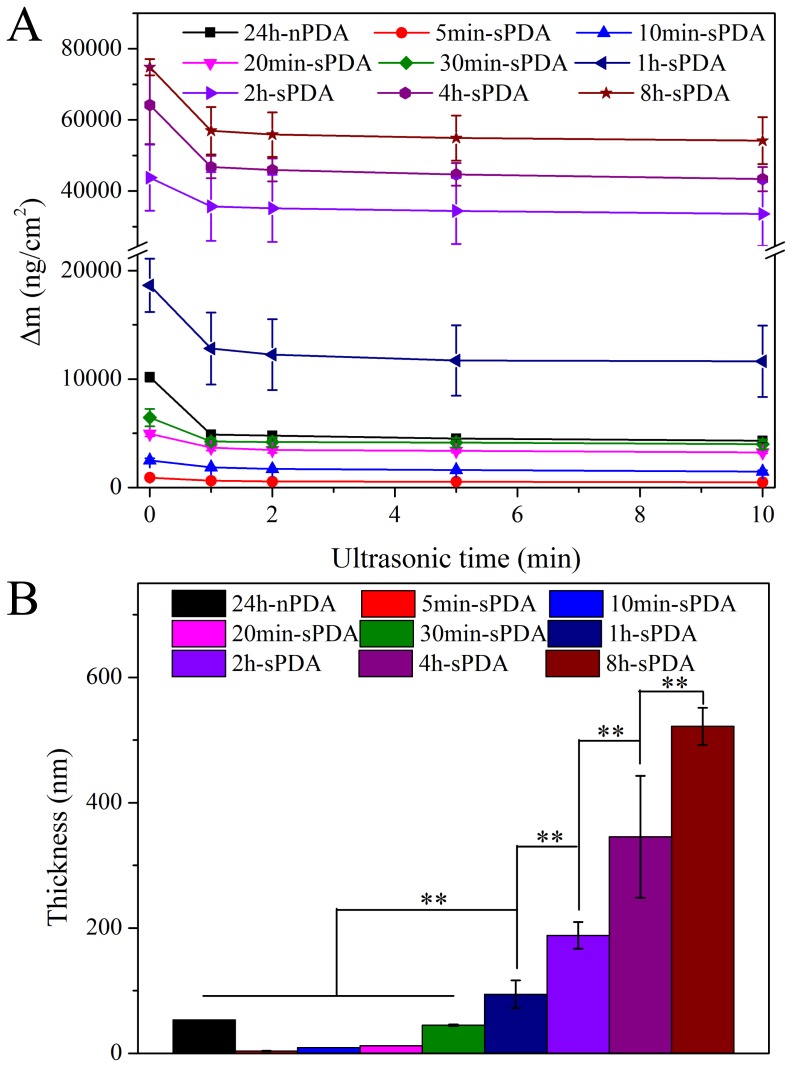
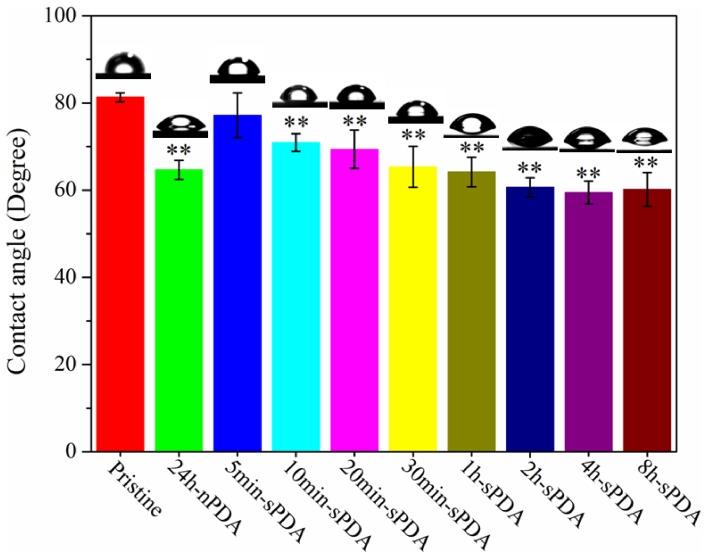
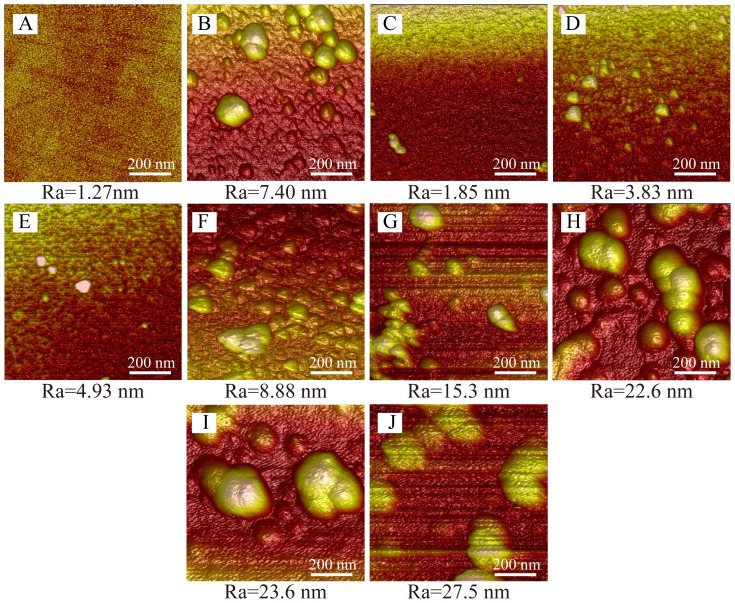
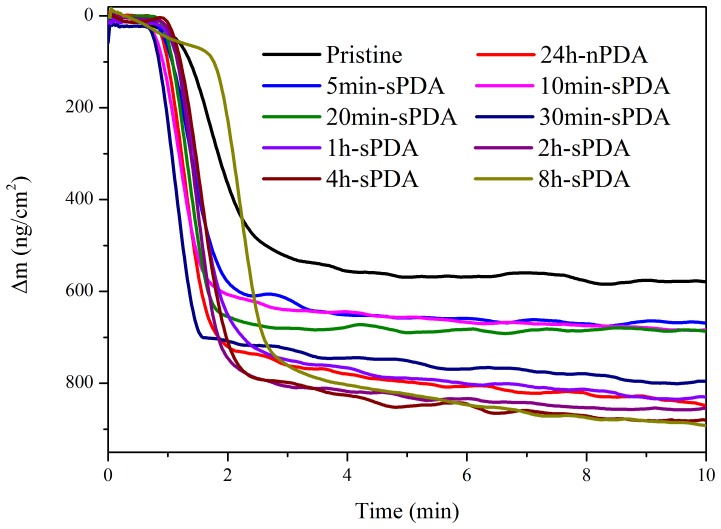
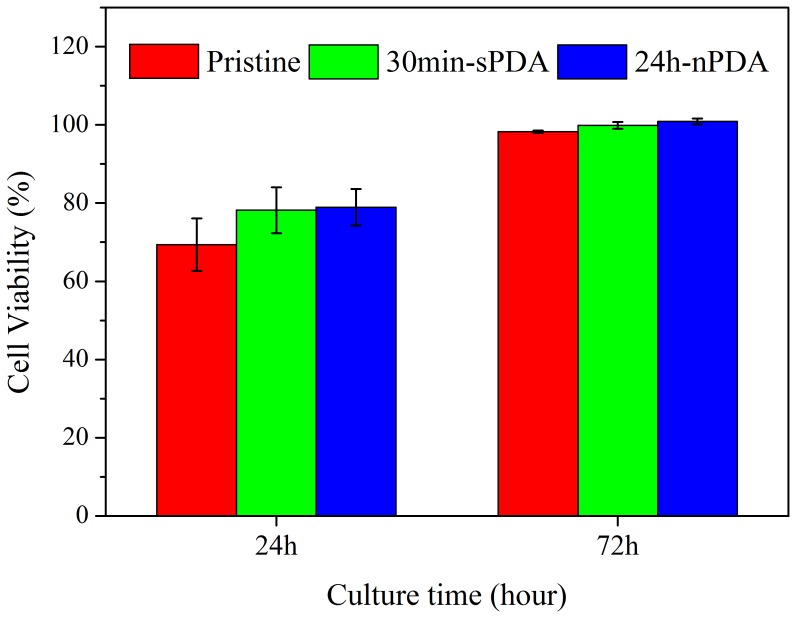
Polydopamine (PDA) coating provides a promising approach for immobilization of biomolecules onto almost all kinds of solid substrates. However, the deposition kinetics of PDA coating as a function of temperature and reaction method is not well elucidated. Since dopamine self-polymerization usually takes a long time, therefore, rapid-formation of PDA film becomes imperative for surface modification of biomaterials and medical devices. In the present study, a practical method for preparation of rapidly-deposited PDA coating was developed using a uniquely designed device, and the kinetics of dopamine self-polymerization was investigated by QCM sensor system. It was found that high temperature and vigorous stirring could dramatically speed up the formation of PDA film on QCM chip surface. Surface characterization, BSA binding study, cell viability assay and antibacterial test demonstrates that the polydopamine coating after polymerization for 30 min by our approach exhibits similar properties to those of 24 h counterpart. The method has a great potential for rapid-deposition of polydopamine films to modify biomaterial surfaces.
聚多巴胺(PDA)涂层为将生物分子固定在几乎所有类型的固体基质上提供了一种很有前景的方法。然而,PDA涂层的沉积动力学作为温度和反应方法的函数尚未得到很好的阐明。由于多巴胺自聚合通常需要很长时间,因此,快速形成PDA膜对于生物材料和医疗器械的表面改性变得至关重要。在本研究中,使用独特设计的装置开发了一种制备快速沉积PDA涂层的实用方法,并通过QCM传感器系统研究了多巴胺自聚合的动力学。结果发现,高温和剧烈搅拌可以显著加速QCM芯片表面PDA膜的形成。表面表征、牛血清白蛋白结合研究、细胞活力测定和抗菌测试表明,通过我们的方法聚合30分钟后的聚多巴胺涂层表现出与24小时对应物相似的性能。该方法在快速沉积聚多巴胺膜以修饰生物材料表面方面具有很大的潜力。