Cao Jun, Luo Zhengyu, Cheng Qingyu, Xu Qianlan, Zhang Yan, Wang Fei, Wu Yan, Song Xiaoyuan
CAS Key Laboratory of Brain Function and Disease and School of Life Sciences, University of Science and Technology of China, Hefei, 230027, China.
Protein Cell. 2015 Apr;6(4):241-53. doi: 10.1007/s13238-015-0135-7. Epub 2015 Feb 12.
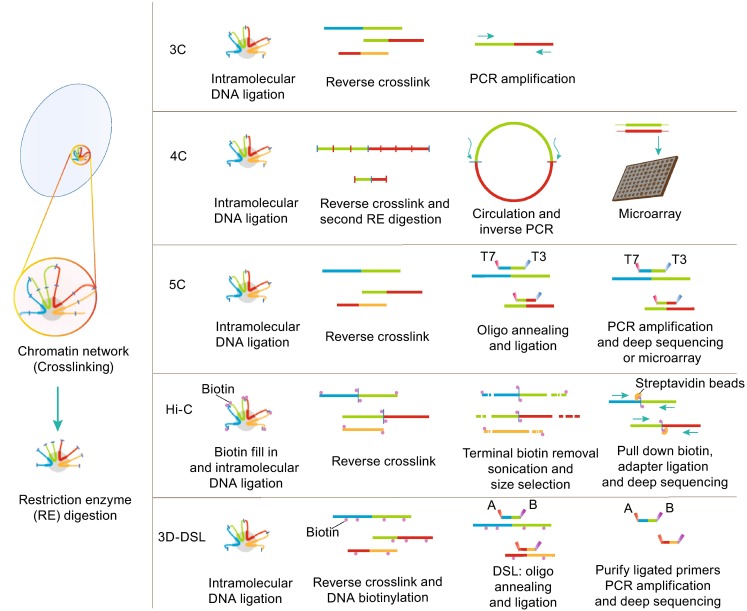
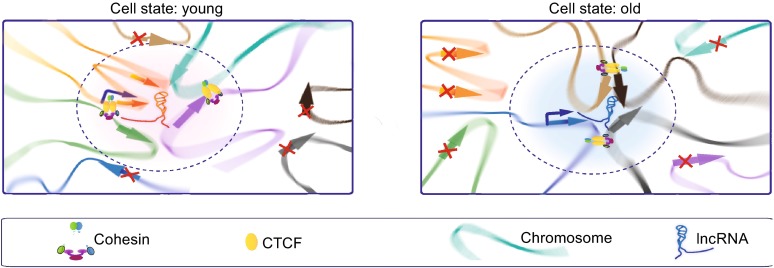
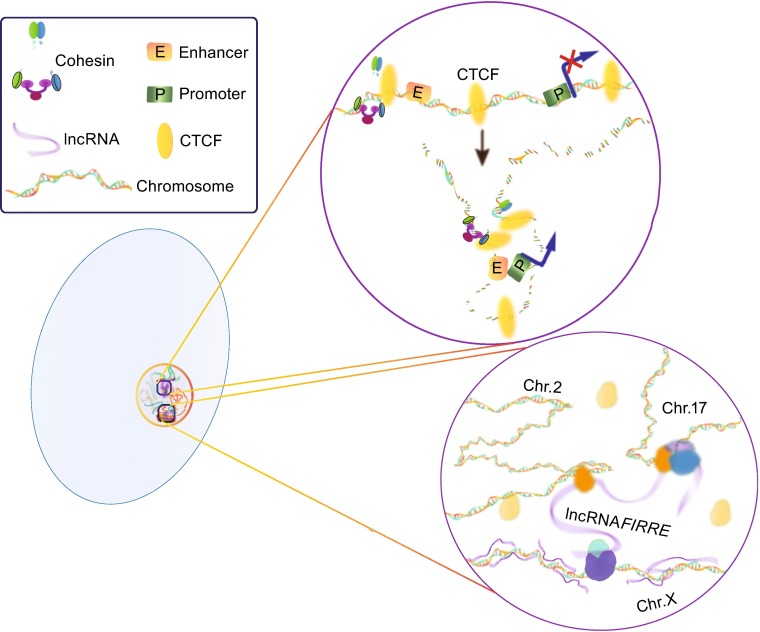
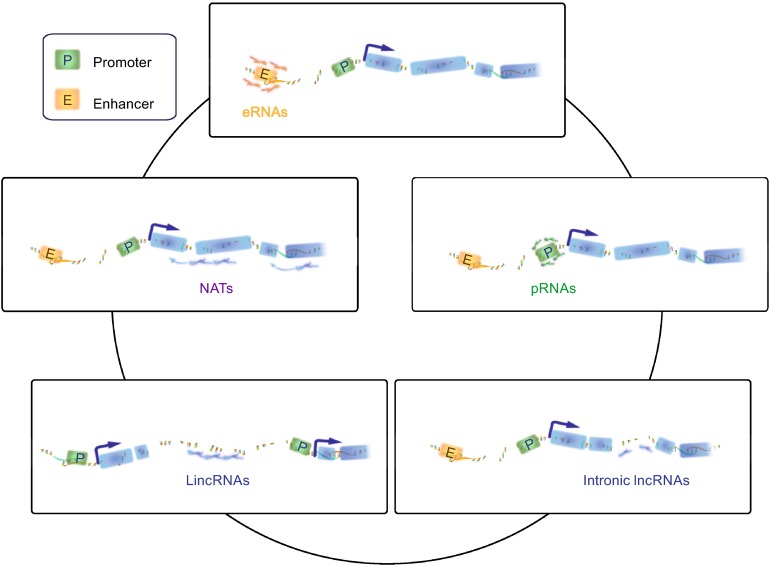
Cells can adapt to environment and development by reconstructing their transcriptional networks to regulate diverse cellular processes without altering the underlying DNA sequences. These alterations, namely epigenetic changes, occur during cell division, differentiation and cell death. Numerous evidences demonstrate that epigenetic changes are governed by various types of determinants, including DNA methylation patterns, histone posttranslational modification signatures, histone variants, chromatin remodeling, and recently discovered chromosome conformation characteristics and non-coding RNAs (ncRNAs). Here, we highlight recent efforts on how the two latter epigenetic factors participate in the sophisticated transcriptional process and describe emerging techniques which permit us to uncover and gain insights into the fascinating genomic regulation.
细胞可以通过重建其转录网络来适应环境和发育,从而在不改变基础DNA序列的情况下调节多种细胞过程。这些改变,即表观遗传变化,发生在细胞分裂、分化和细胞死亡过程中。大量证据表明,表观遗传变化受多种类型的决定因素控制,包括DNA甲基化模式、组蛋白翻译后修饰特征、组蛋白变体、染色质重塑,以及最近发现的染色体构象特征和非编码RNA(ncRNA)。在这里,我们重点介绍了关于后两种表观遗传因素如何参与复杂转录过程的最新研究,并描述了一些新兴技术,这些技术使我们能够揭示并深入了解这一迷人的基因组调控机制。