Douros Antonios, Bronder Elisabeth, Andersohn Frank, Klimpel Andreas, Kreutz Reinhold, Garbe Edeltraut, Bolbrinker Juliane
Institute of Clinical Pharmacology and Toxicology, Charité-Universitätsmedizin Berlin, 10117 Berlin, Germany.
Institute for Social Medicine, Epidemiology and Health Economy, Charité-Universitätsmedizin Berlin, 10117 Berlin, Germany.
Int J Mol Sci. 2016 Jan 15;17(1):114. doi: 10.3390/ijms17010114.
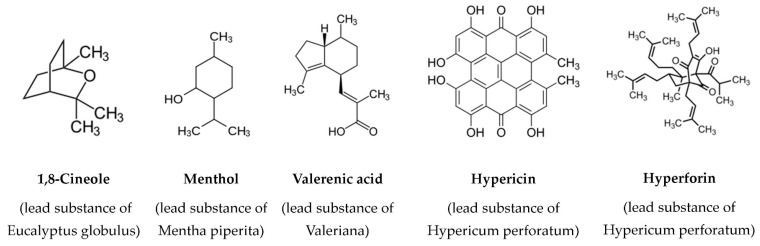
Herb-induced liver injury (HILI) has recently attracted attention due to increasing reports of hepatotoxicity associated with use of phytotherapeutics. Here, we present data on HILI from the Berlin Case-Control Surveillance Study. The study was initiated in 2000 to investigate the serious toxicity of drugs including herbal medicines. Potential cases of liver injury were ascertained in more than 180 Departments of all 51 Berlin hospitals from October 2002 to December 2011. Drug or herb intake was assessed through a standardized face-to-face interview. Drug or herbal aetiology was assessed based on the updated Council for International Organizations of Medical Sciences scale. In ten of all 198 cases of hepatotoxicity included in the study, herbal aetiology was assessed as probable (once ayurvedic herb) or possible (Valeriana five times, Mentha piperita once, Pelargonium sidoides once, Hypericum perforatum once, Eucalyptus globulus once). Mean age was 56.4 ± 9.7 years, and the predominant pattern of liver injury was hepatocellular. No cases of acute liver failure or death were observed. This case series corroborates known risks for ayurvedic herbs, supports the suspected association between Valeriana use and liver injury, and indicates a hepatotoxic potential for herbs such as Pelargonium sidoides, Hypericum perforatum or Mentha piperita that were rarely associated with liver injury before. However, given that possible causality does not prove clinical significance, further studies in this field are needed.
由于与植物疗法使用相关的肝毒性报告不断增加,草药性肝损伤(HILI)最近受到了关注。在此,我们展示来自柏林病例对照监测研究的HILI数据。该研究于2000年启动,旨在调查包括草药在内的药物的严重毒性。2002年10月至2011年12月期间,在柏林所有51家医院的180多个科室确定了潜在的肝损伤病例。通过标准化的面对面访谈评估药物或草药的摄入量。基于更新后的国际医学科学组织理事会标准评估药物或草药病因。在该研究纳入的所有198例肝毒性病例中,有10例被评估为草药病因可能(1例阿育吠陀草药)或可能(缬草5例、薄荷5例、南非天竺葵1例、贯叶连翘1例、蓝桉1例)。平均年龄为56.4±9.7岁,肝损伤的主要类型为肝细胞型。未观察到急性肝衰竭或死亡病例。该病例系列证实了阿育吠陀草药已知的风险,支持了缬草使用与肝损伤之间的疑似关联,并表明南非天竺葵、贯叶连翘或薄荷等草药具有肝毒性潜力,而这些草药此前很少与肝损伤相关。然而,鉴于可能的因果关系并不证明具有临床意义,该领域需要进一步研究。