Chae Sang Hoon, Lee Young Hee
Center for Integrated Nanostructure Physics (CINAP), Institute for Basic Science (IBS), Suwon, 440-746 Republic of Korea.
Department of Energy Science, Department of Physics, Sungkyunkwan University (SKKU), Suwon, 440-746 Republic of Korea.
Nano Converg. 2014;1(1):15. doi: 10.1186/s40580-014-0015-5. Epub 2014 Apr 25.
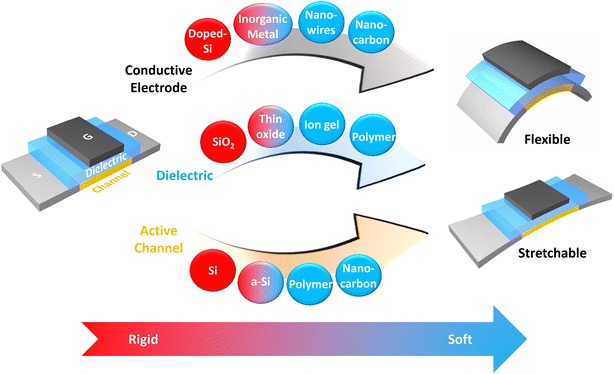
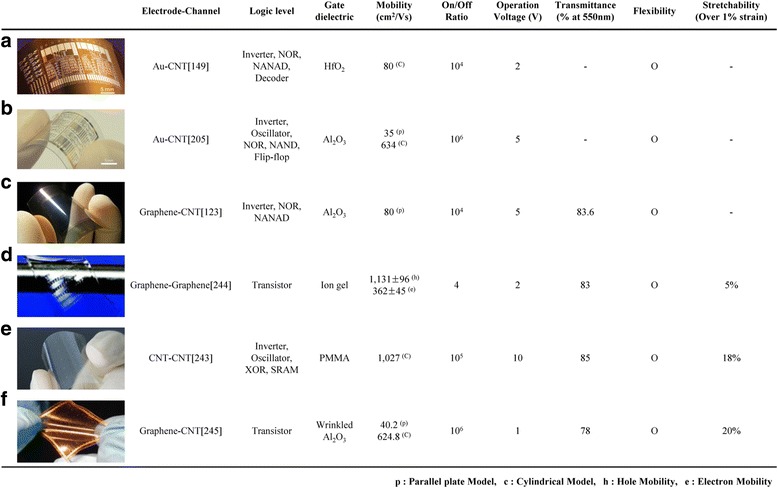
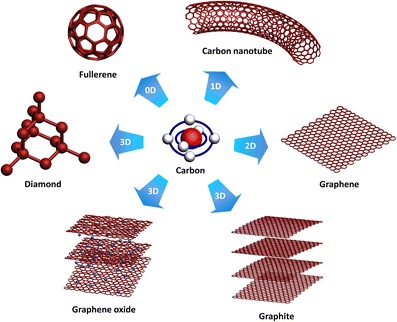
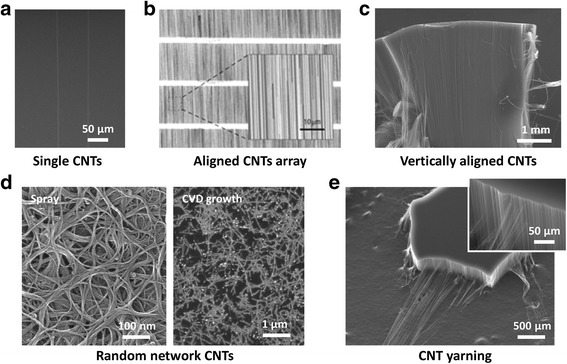
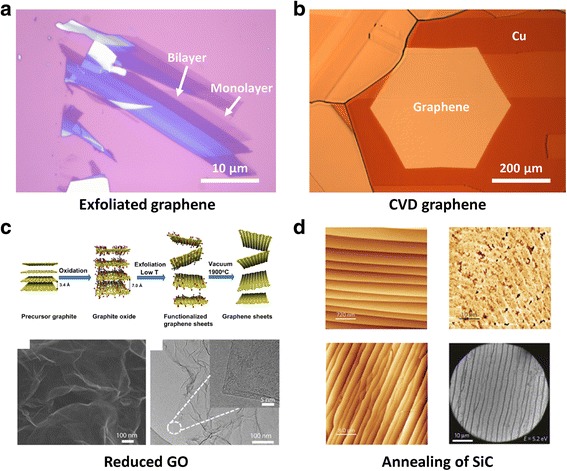
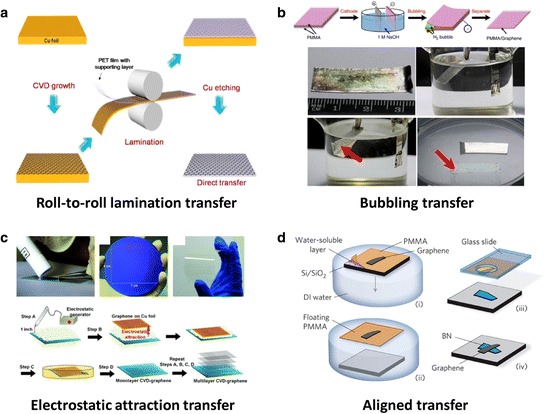
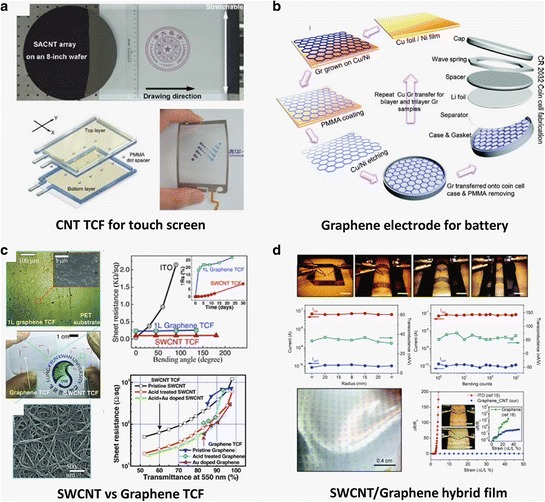
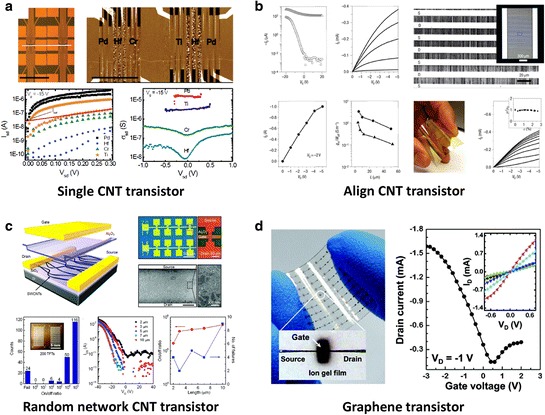
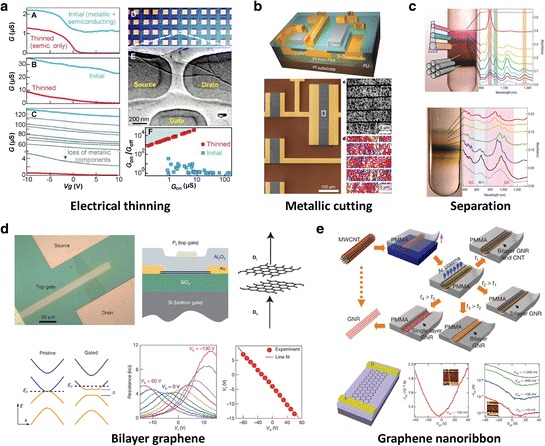
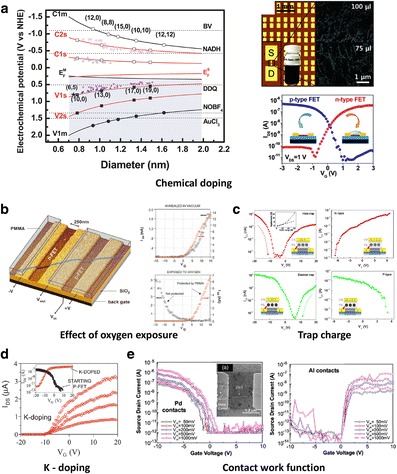
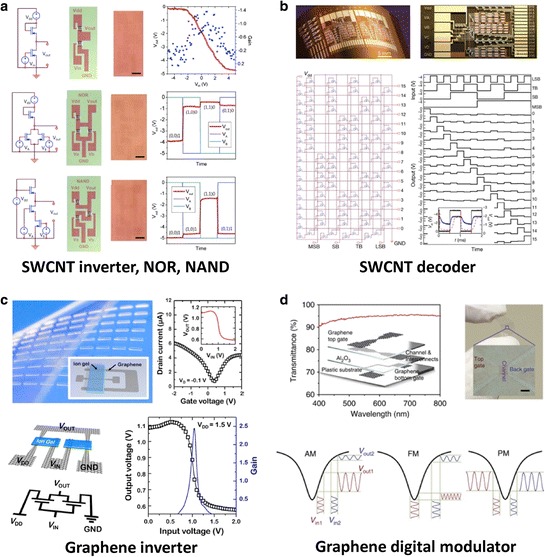
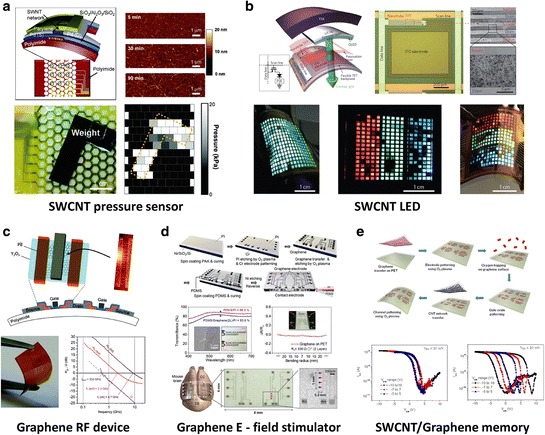
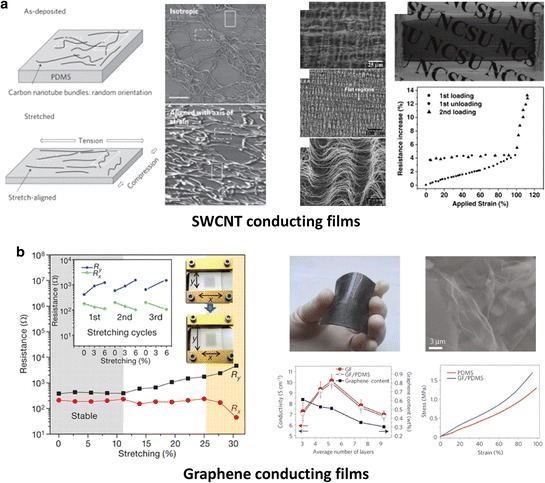
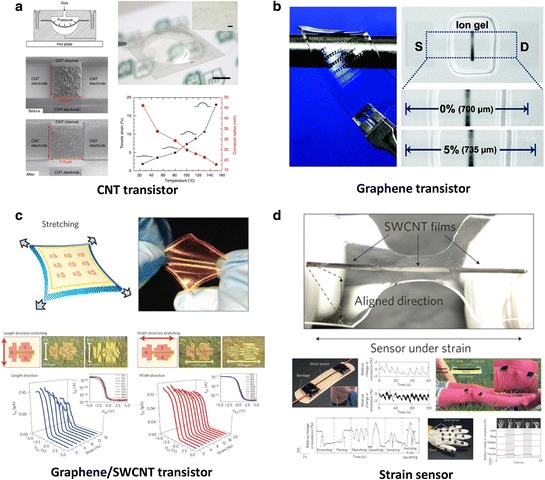
Although silicon technology has been the main driving force for miniaturizing device dimensions to improve cost and performance, the current application of Si to soft electronics (flexible and stretchable electronics) is limited due to material rigidity. As a result, various prospective materials have been proposed to overcome the rigidity of conventional Si technology. In particular, nano-carbon materials such as carbon nanotubes (CNTs) and graphene are promising due to outstanding elastic properties as well as an excellent combination of electronic, optoelectronic, and thermal properties compared to conventional rigid silicon. The uniqueness of these nano-carbon materials has opened new possibilities for soft electronics, which is another technological trend in the market. This review covers the recent progress of soft electronics research based on CNTs and graphene. We discuss the strategies for soft electronics with nano-carbon materials and their preparation methods (growth and transfer techniques) to devices as well as the electrical characteristics of transparent conducting films (transparency and sheet resistance) and device performances in field effect transistor (FET) (structure, carrier type, on/off ratio, and mobility). In addition to discussing state of the art performance metrics, we also attempt to clarify trade-off issues and methods to control the trade-off on/off versus mobility). We further demonstrate accomplishments of the CNT network in flexible integrated circuits on plastic substrates that have attractive characteristics. A future research direction is also proposed to overcome current technological obstacles necessary to realize commercially feasible soft electronics.
尽管硅技术一直是缩小器件尺寸以提高成本和性能的主要驱动力,但由于材料的刚性,目前硅在软电子学(柔性和可拉伸电子学)中的应用受到限制。因此,人们提出了各种有前景的材料来克服传统硅技术的刚性。特别是,碳纳米管(CNT)和石墨烯等纳米碳材料因其出色的弹性性能以及与传统刚性硅相比在电子、光电和热性能方面的优异组合而备受关注。这些纳米碳材料的独特性为软电子学开辟了新的可能性,这也是市场上的另一个技术趋势。本文综述了基于碳纳米管和石墨烯的软电子学研究的最新进展。我们讨论了使用纳米碳材料的软电子学策略及其制备方法(生长和转移技术)到器件上,以及透明导电薄膜的电学特性(透明度和方块电阻)和场效应晶体管(FET)中的器件性能(结构、载流子类型、开/关比和迁移率)。除了讨论当前的性能指标外,我们还试图阐明权衡问题以及控制开/关与迁移率之间权衡的方法。我们进一步展示了碳纳米管网络在具有吸引人特性的塑料基板上的柔性集成电路中的成就。还提出了未来的研究方向,以克服实现商业上可行的软电子学所需的当前技术障碍。