Tanvir Fouzia, Yaqub Atif, Tanvir Shazia, Anderson William A
Department of Zoology, Government College University, Lahore 54000, Pakistan.
Department of Chemical Engineering, University of Waterloo, Waterloo, ON N2L 3G1, Canada.
Nanomaterials (Basel). 2017 Sep 27;7(10):296. doi: 10.3390/nano7100296.
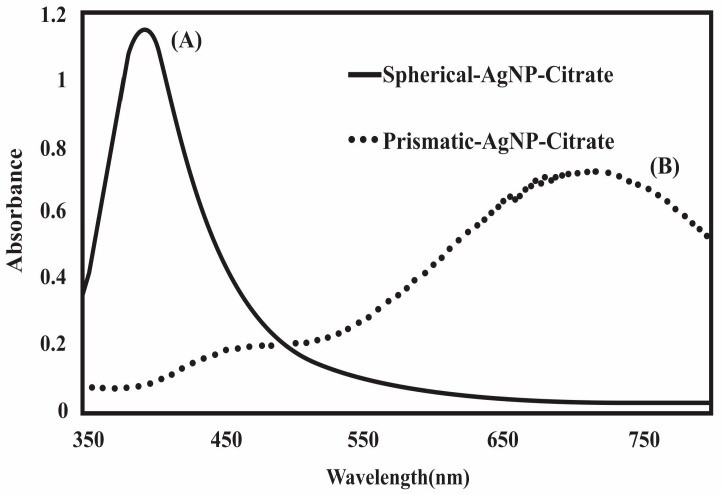
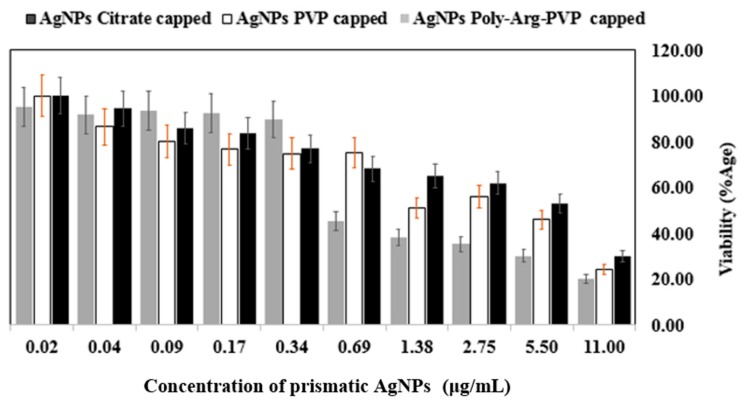
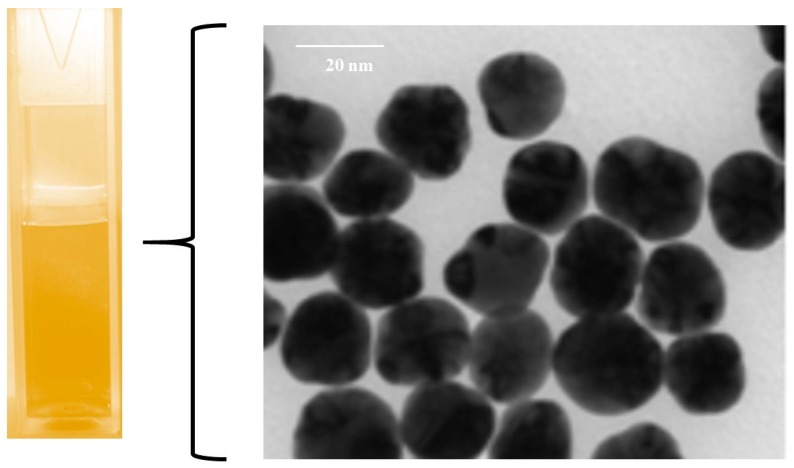
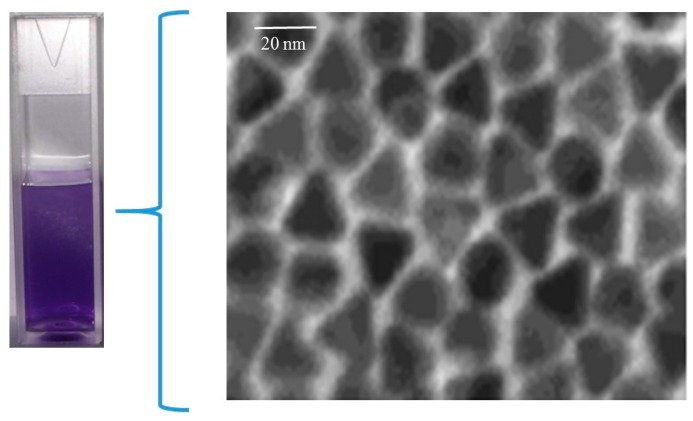
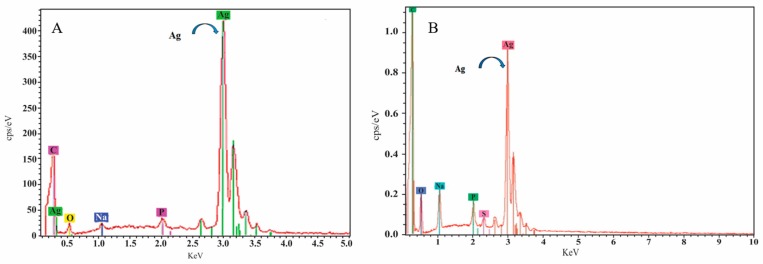
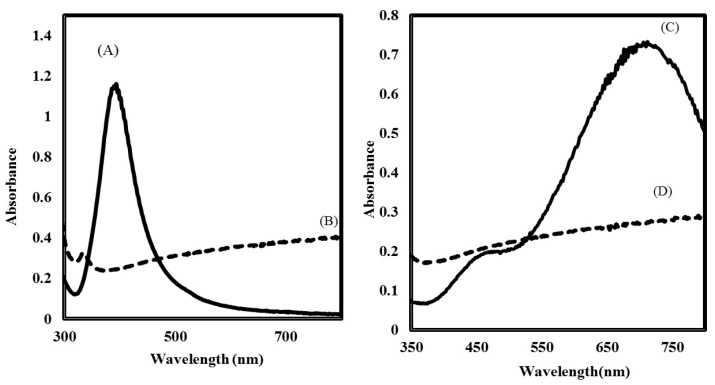
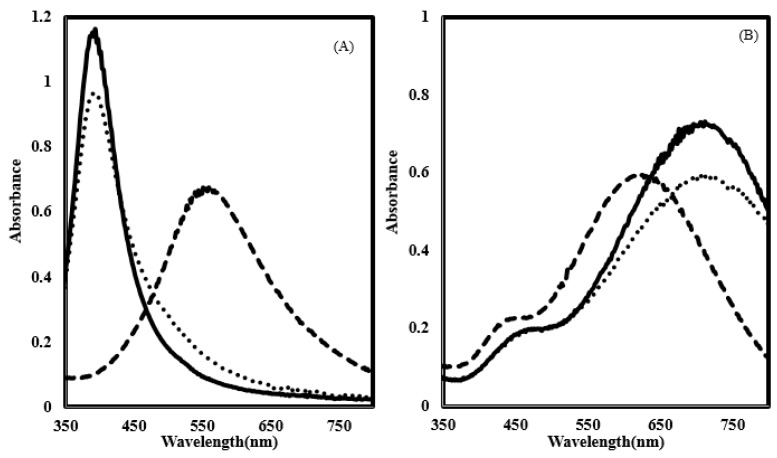
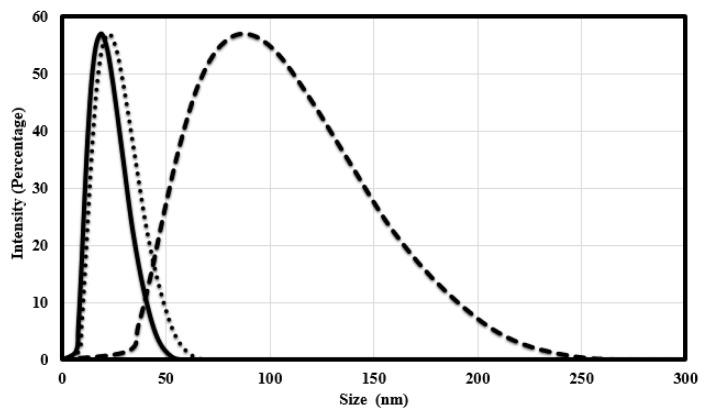
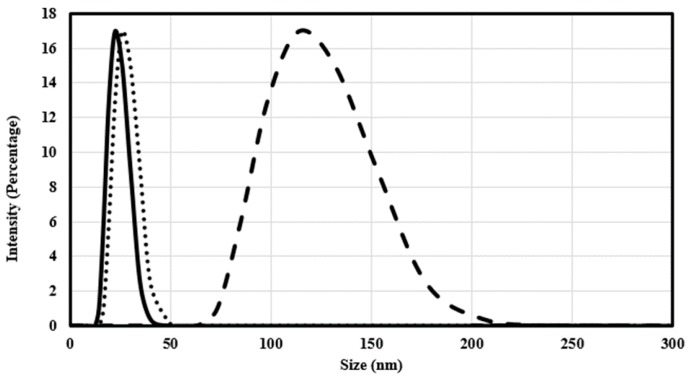
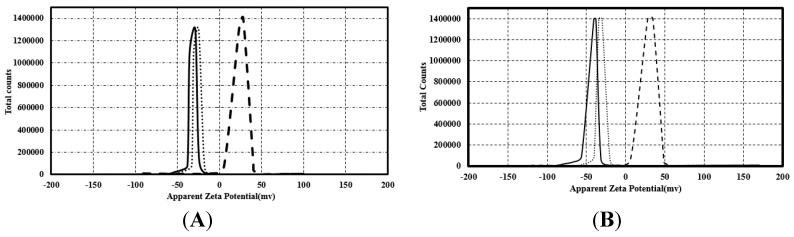
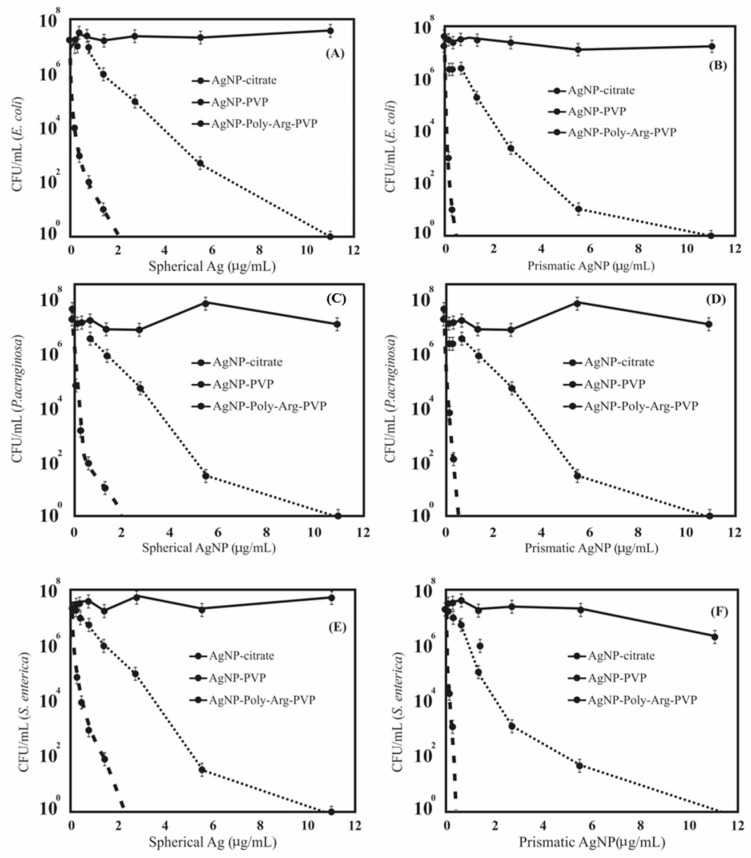
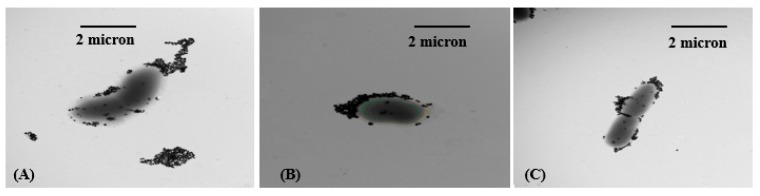
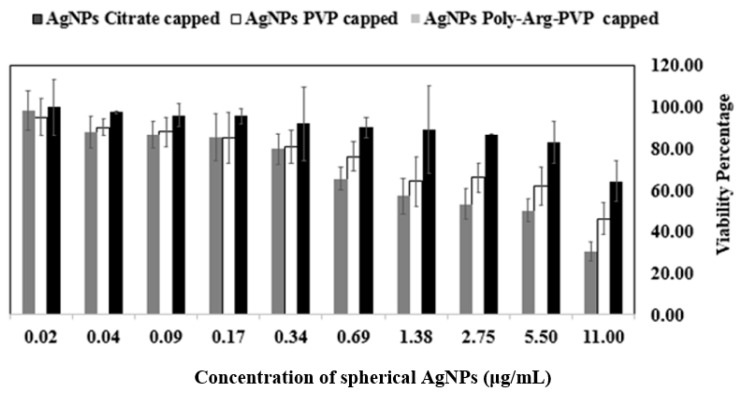
The aim of this study was to test the effect of two different morphologies of silver nanoparticles, spheres, and prisms, on their antibacterial properties when coated with poly-L-arginine (poly-Arg) to enhance the interactions with cells. Silver nanoparticle solutions were characterized by UV-visible spectroscopy, transmission electron microscopy, dynamic light scattering, zeta potential, as well as antimicrobial tests. These ultimately showed that a prismatic morphology exhibited stronger antimicrobial effects against , and . The minimum bactericidal concentration was found to be 0.65 μg/mL in the case of a prismatic AgNP-poly-Arg-PVP (silver nanoparticle-poly-L-arginine-polyvinylpyrrolidone) nanocomposite. The anticancer cell activity of the silver nanoparticles was also studied, where the maximum effect against a HeLa cell line was 80% mortality with a prismatic AgNP-poly-Arg-PVP nanocomposite at a concentration of 11 μg/mL. The antimicrobial activity of these silver nanocomposites demonstrates the potential of such coated silver nanoparticles in the area of nano-medicine.
本研究的目的是测试两种不同形态的银纳米颗粒(球形和棱柱形)在包覆聚-L-精氨酸(聚-Arg)以增强与细胞相互作用时的抗菌性能。通过紫外可见光谱、透射电子显微镜、动态光散射、zeta电位以及抗菌测试对银纳米颗粒溶液进行了表征。这些最终表明,棱柱形形态对[具体细菌名称未给出]、[具体细菌名称未给出]和[具体细菌名称未给出]表现出更强的抗菌效果。对于棱柱形AgNP-聚-Arg-聚乙烯吡咯烷酮(银纳米颗粒-聚-L-精氨酸-聚乙烯吡咯烷酮)纳米复合材料,最低杀菌浓度为0.65μg/mL。还研究了银纳米颗粒的抗癌细胞活性,其中在浓度为11μg/mL的棱柱形AgNP-聚-Arg-聚乙烯吡咯烷酮纳米复合材料作用下,对HeLa细胞系的最大杀伤效果为80%死亡率。这些银纳米复合材料的抗菌活性证明了这种包覆银纳米颗粒在纳米医学领域的潜力。