Department of Biomedical Laboratory Science, College of Health Science, Eulji University, Seongnam 461-713, Korea.
Fermentation Science Program, School of Agribusiness and Agriscience, College of Basic and Applied Sciences, Middle Tennessee State University, Murfreesboro, TN 37132, USA.
Int J Mol Sci. 2017 Sep 30;18(10):2078. doi: 10.3390/ijms18102078.
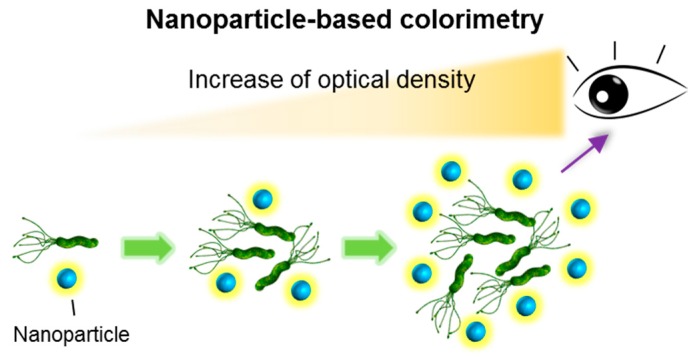
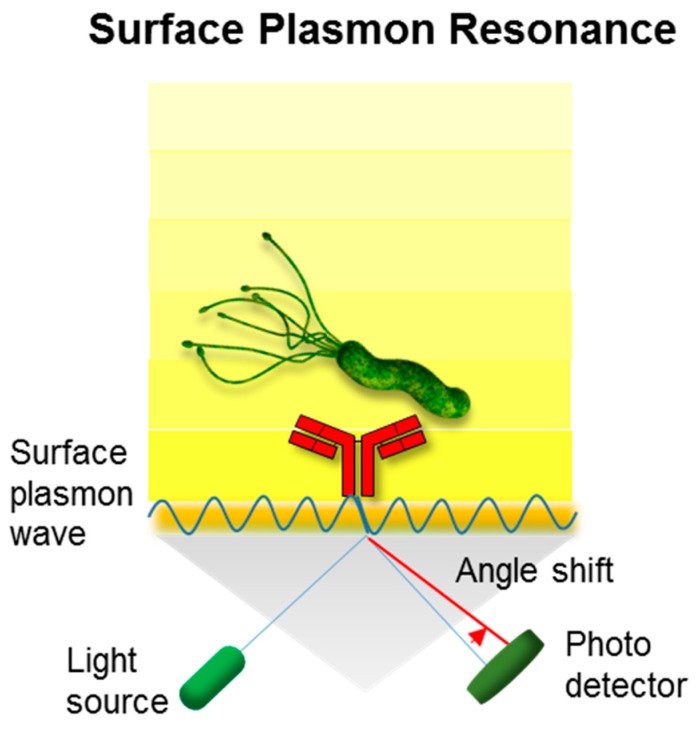
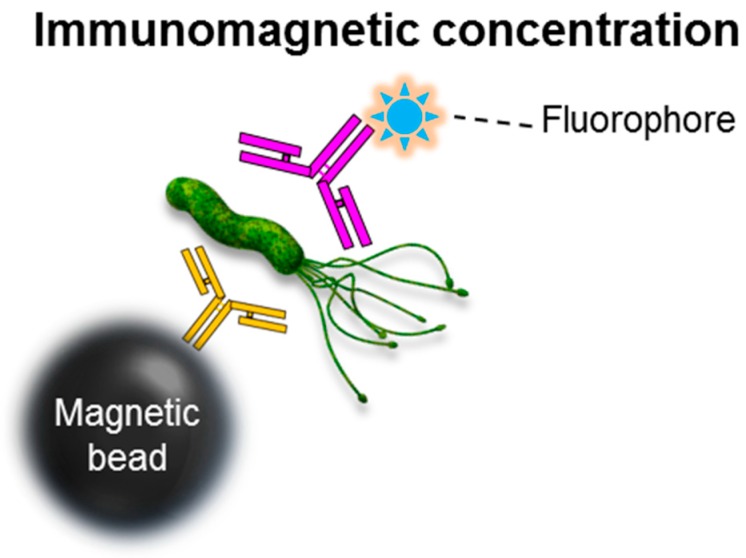
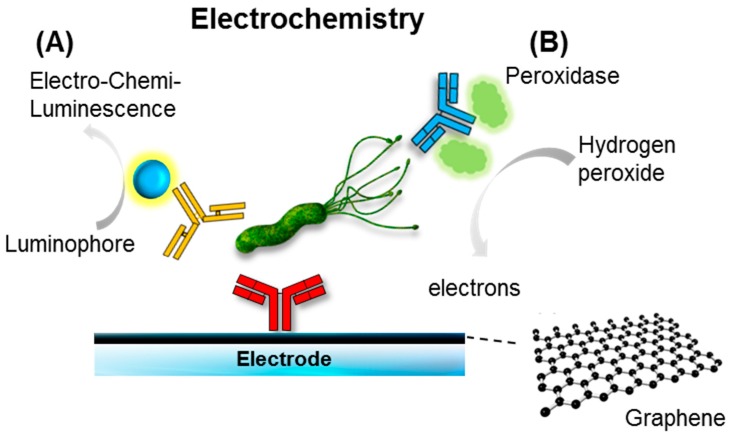
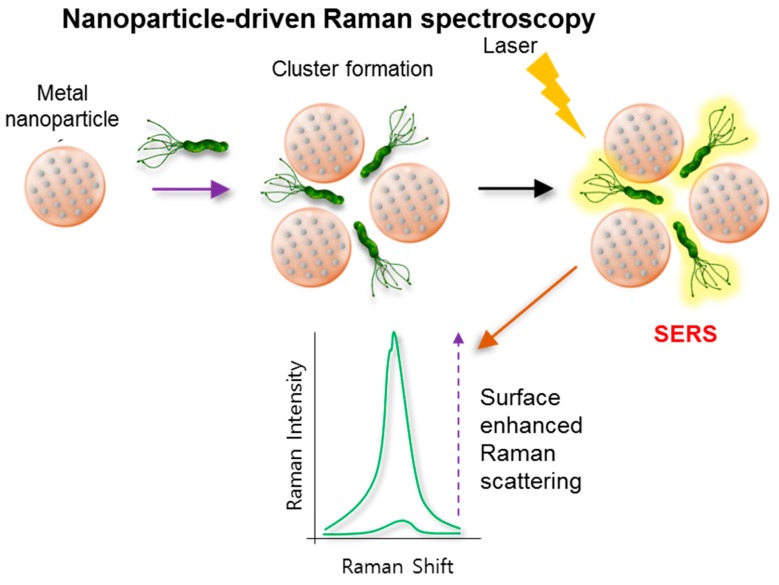
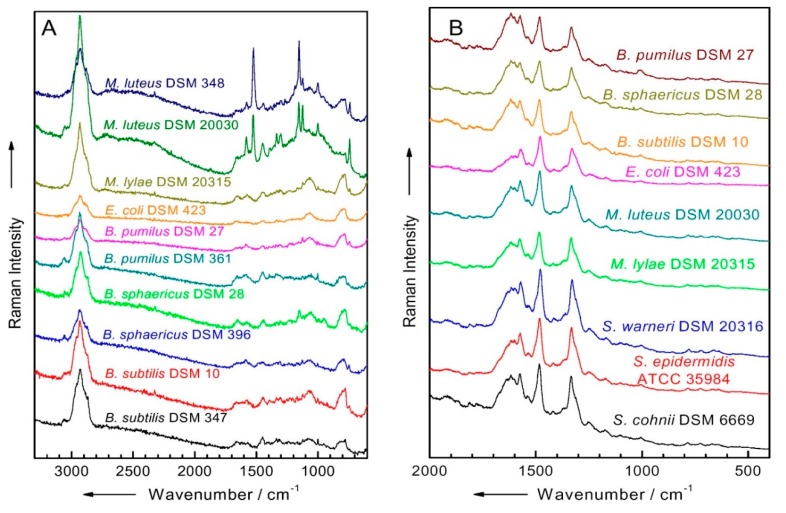
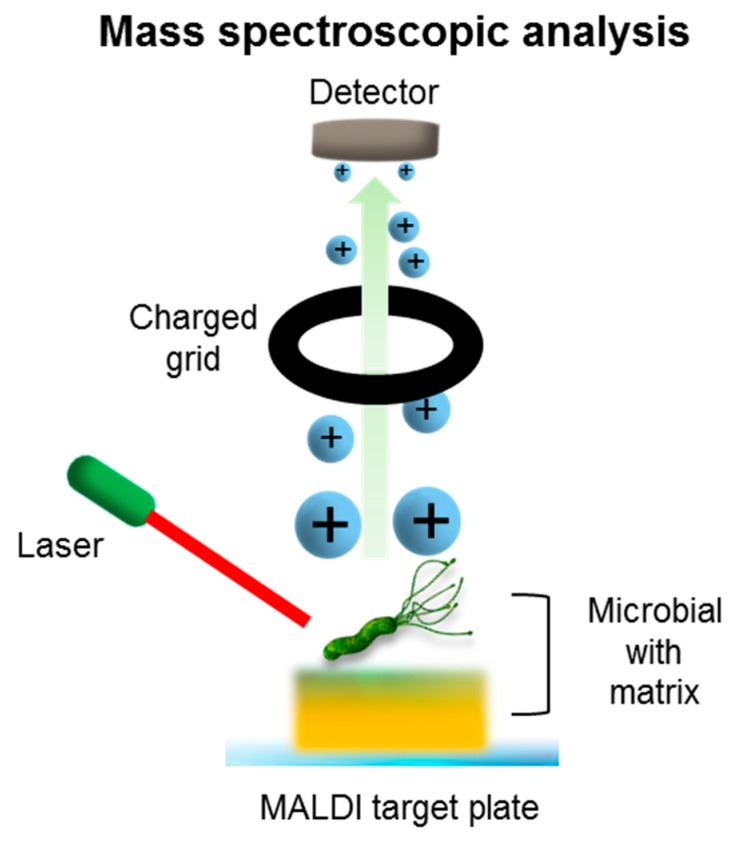
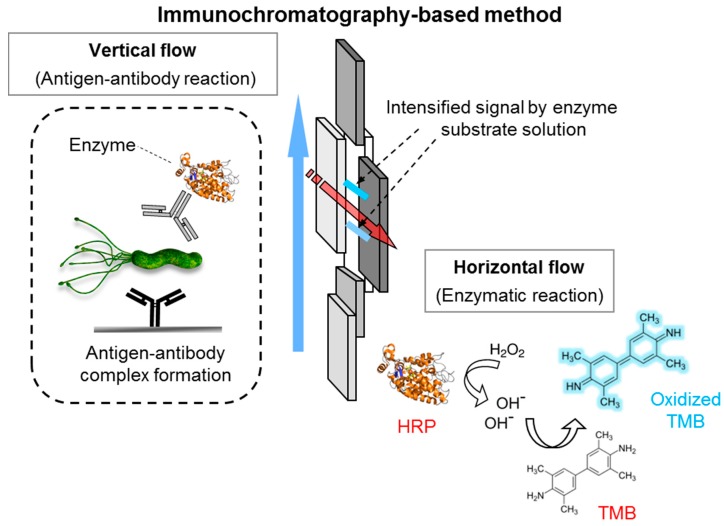
The development of novel and high-tech solutions for rapid, accurate, and non-laborious microbial detection methods is imperative to improve the global food supply. Such solutions have begun to address the need for microbial detection that is faster and more sensitive than existing methodologies (e.g., classic culture enrichment methods). Multiple reviews report the technical functions and structures of conventional microbial detection tools. These tools, used to detect pathogens in food and food homogenates, were designed via qualitative analysis methods. The inherent disadvantage of these analytical methods is the necessity for specimen preparation, which is a time-consuming process. While some literature describes the challenges and opportunities to overcome the technical issues related to food industry legal guidelines, there is a lack of reviews of the current trials to overcome technological limitations related to sample preparation and microbial detection via nano and micro technologies. In this review, we primarily explore current analytical technologies, including metallic and magnetic nanomaterials, optics, electrochemistry, and spectroscopy. These techniques rely on the early detection of pathogens via enhanced analytical sensitivity and specificity. In order to introduce the potential combination and comparative analysis of various advanced methods, we also reference a novel sample preparation protocol that uses microbial concentration and recovery technologies. This technology has the potential to expedite the pre-enrichment step that precedes the detection process.
为了改善全球食品供应,开发新型高科技解决方案以实现快速、准确且不费力的微生物检测方法至关重要。这些解决方案已经开始满足比现有方法(例如经典的培养富集方法)更快、更灵敏的微生物检测需求。多篇综述报告了传统微生物检测工具的技术功能和结构。这些工具用于检测食品和食品匀浆中的病原体,是通过定性分析方法设计的。这些分析方法的固有缺点是需要进行样本制备,这是一个耗时的过程。虽然有些文献描述了克服与食品行业法规相关的技术问题的挑战和机遇,但缺乏克服与纳米和微技术相关的样本制备和微生物检测的技术限制的当前试验的综述。在这篇综述中,我们主要探讨了当前的分析技术,包括金属和磁性纳米材料、光学、电化学和光谱学。这些技术依赖于通过提高分析灵敏度和特异性来早期检测病原体。为了介绍各种先进方法的潜在组合和比较分析,我们还参考了一种新的样本制备方案,该方案使用微生物浓缩和回收技术。该技术有可能加快检测前的预富集步骤。