
用于多功能生物成像和药物递送的白蛋白纳米颗粒的制备策略。
Strategies for Preparing Albumin-based Nanoparticles for Multifunctional Bioimaging and Drug Delivery.
机构信息
Institute of Functional Nano and Soft Materials (FUNSOM), Jiangsu Key Laboratory of Carbon-based Functional Materials and Devices, Soochow University, Suzhou, Jiangsu, 215123, P.R. China.
Department of Radiology, Molecular Imaging Innovations Institute (MI3), Weill Cornell Medicine, 413 E 69th St, New York, NY, 10065.
出版信息
Theranostics. 2017 Aug 23;7(15):3667-3689. doi: 10.7150/thno.19365. eCollection 2017.
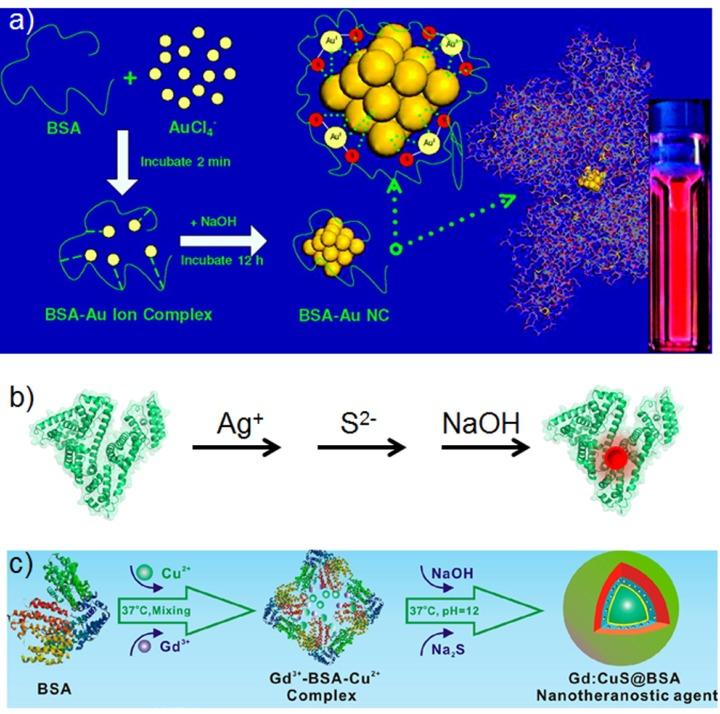
Biosafety is the primary concern in clinical translation of nanomedicine. As an intrinsic ingredient of human blood without immunogenicity and encouraged by its successful clinical application in Abraxane, albumin has been regarded as a promising material to produce nanoparticles for bioimaging and drug delivery. The strategies for synthesizing albumin-based nanoparticles could be generally categorized into five classes: template, nanocarrier, scaffold, stabilizer and albumin-polymer conjugate. This review introduces approaches utilizing albumin in the preparation of nanoparticles and thereby provides scientists with knowledge of goal-driven design on albumin-based nanomedicine.
生物安全性是纳米医学临床转化中首要关注的问题。白蛋白作为人血液的固有成分,无免疫原性,并且在 Abraxane 中的成功临床应用得到了鼓励,因此被视为生产用于生物成像和药物输送的纳米颗粒的有前途的材料。基于白蛋白的纳米颗粒的合成策略通常可分为五类:模板、纳米载体、支架、稳定剂和白蛋白-聚合物缀合物。本综述介绍了利用白蛋白制备纳米颗粒的方法,从而为科学家提供了基于白蛋白的纳米医学的目标驱动设计的知识。




 Zotero 插件