Department of Bioprocess Development, Genetic Engineering and Biotechnology Research Institute, City of Scientific Research and Technological Applications, Alexandria, Egypt.
Botany Department, Faculty of Science, Mansoura University, Mansoura, Egypt.
Sci Rep. 2018 Jun 12;8(1):8925. doi: 10.1038/s41598-018-27276-6.
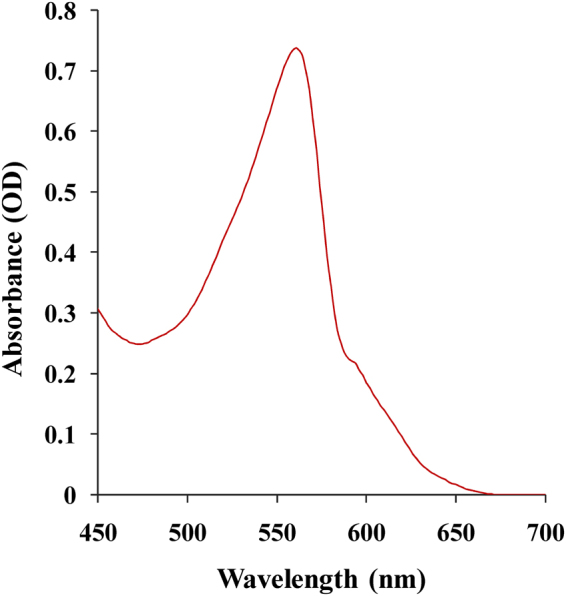
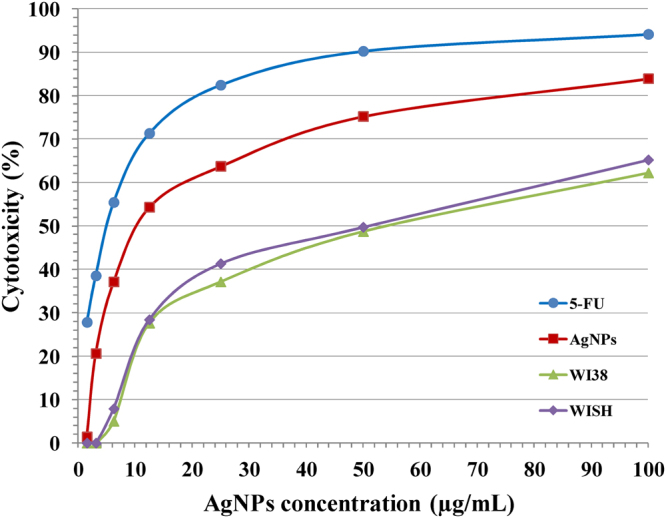
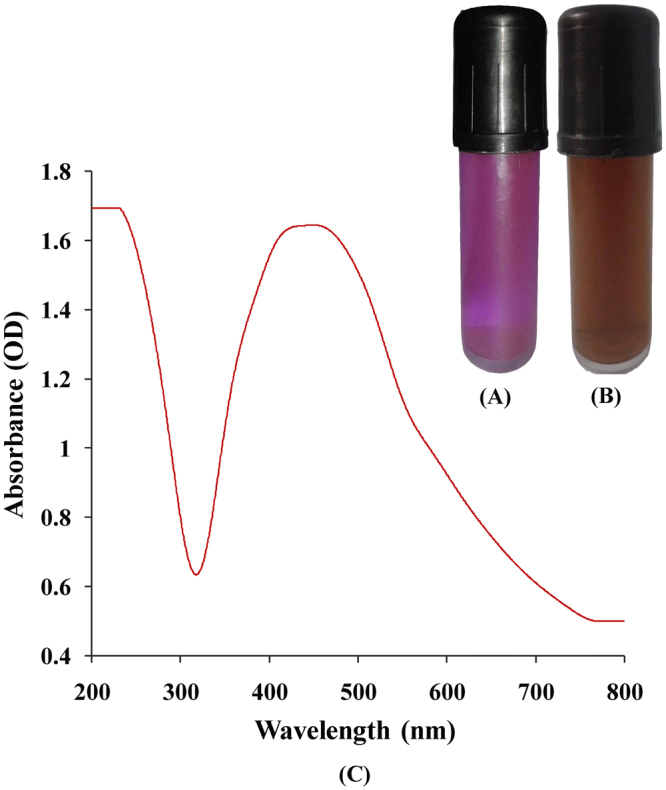
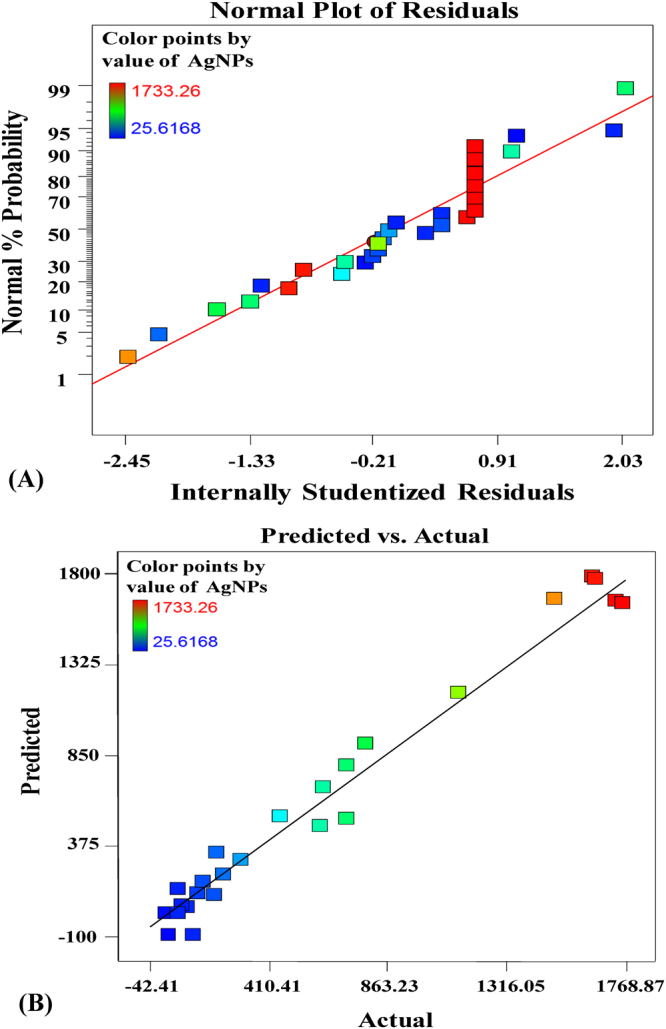
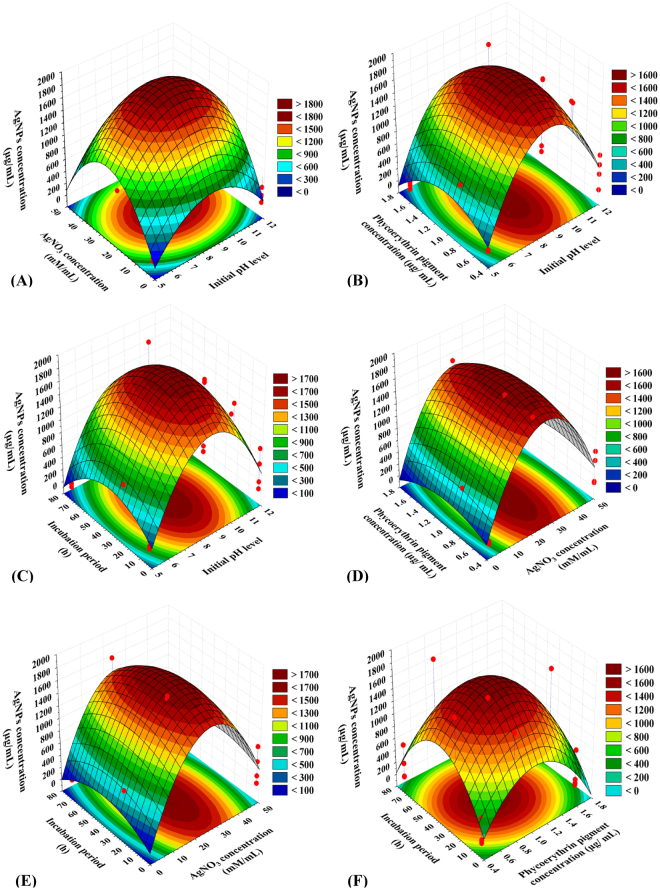
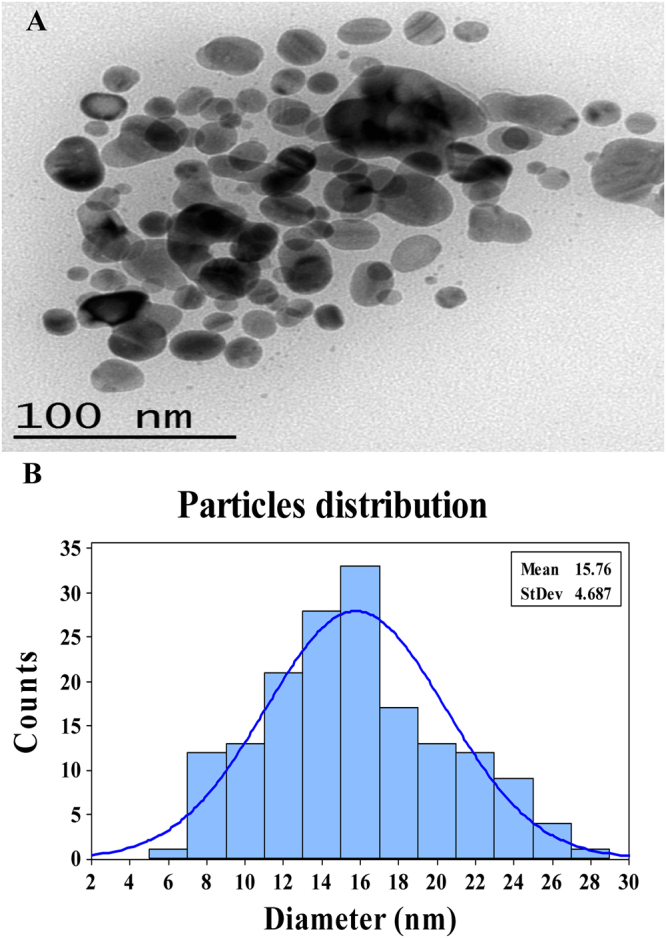
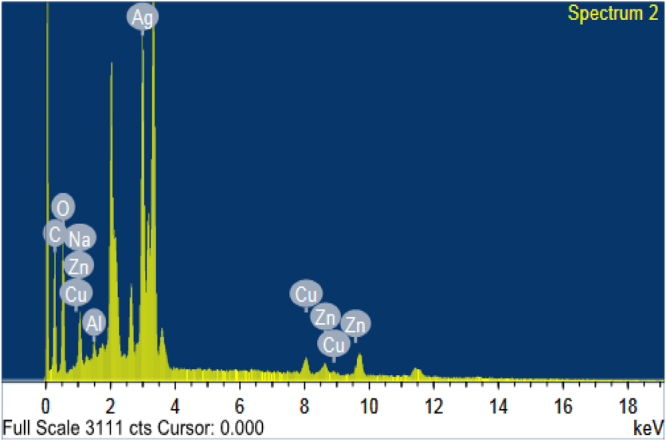
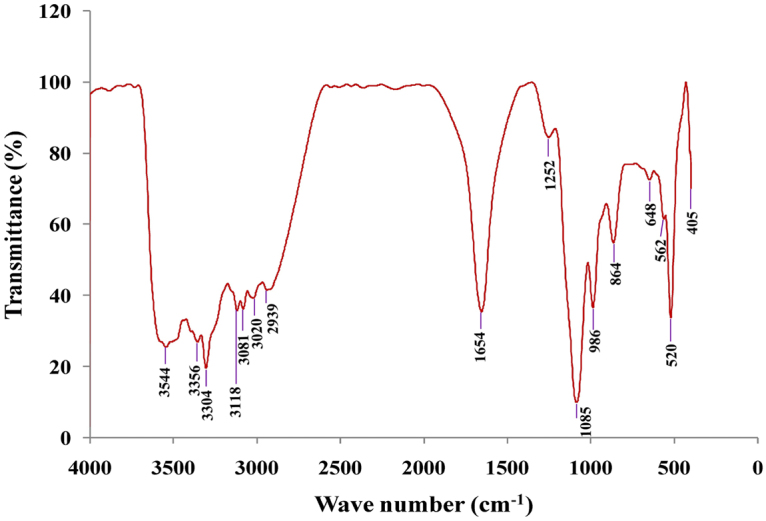
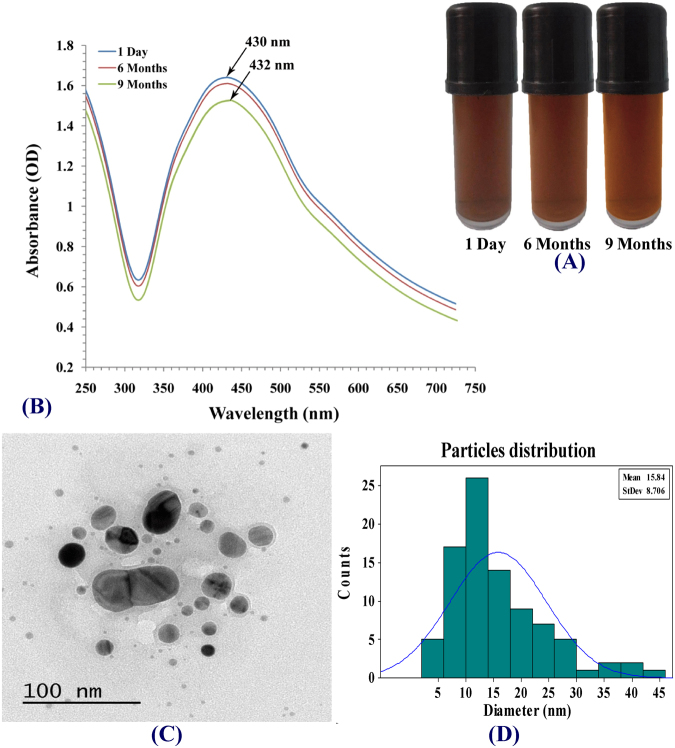
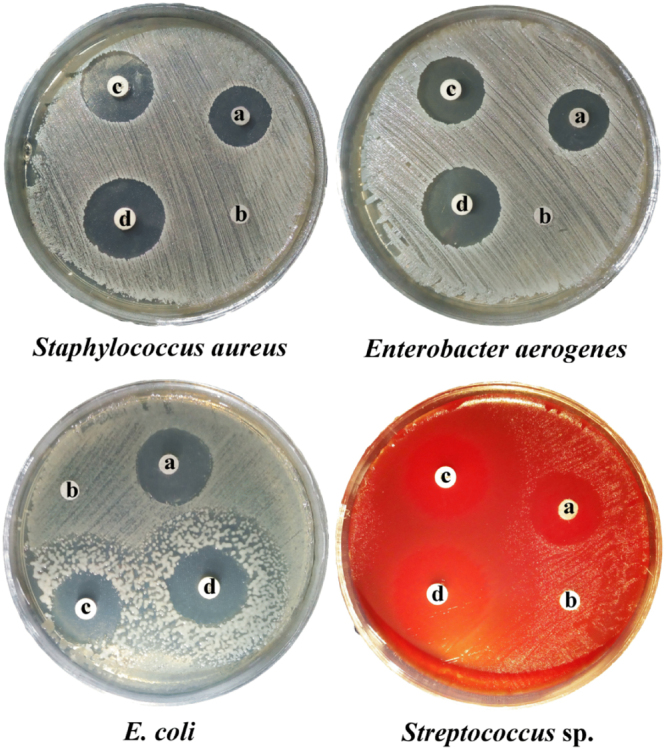
Phycoerythrin is the main phycobiliprotein that responsible for harvesting light for photosynthesis in cyanobacteria. In this research, phycoerythrin extracted from the cyanobacterium Nostoc carneum has been used to reduce silver nitrate for silver nanoparticles (AgNPs) biosynthesis. UV-visible spectrophotometry for measuring surface plasmon resonance showed a single absorption peak at 430 nm, which confirmed the presence of AgNPs. The face-centered central composite design was chosen to evaluate the interaction effects between four process variables and also to determine their optimal levels which influence the AgNPs biosynthesis using phycoerythrin. The maximum silver nanoparticles biosynthesis (1733.260 ± 21 µg/mL) was achieved in the central runs under the conditions of initial pH 10, incubation period of the 24 h, phycoerythrin concentration of the 0.8 mg/mL and 20 mM of AgNO. The biosynthesized AgNPs were characterized using TEM which revealed the formation of spherical shape nanoparticles with size ranged between 7.1‒26.68 nm. EDX analysis confirmed silver as the major constituent element. FTIR spectrum indicates the presence of proteinaceous capping agent that prevents silver nanoparticles agglomeration. The IC of cell inhibition by AgNPs was observed at 13.07 ± 1.1 µg/mL. Treatment of mice bearing Ehrlich ascites carcinoma with 5 mg AgNPs/kg of mice body weight significantly decreased tumor volume, tumor cells count, white blood cells count and body weight. It was concluded that the phycoerythrin protein has the ability to synthesize AgNPs, which have antibacterial, antihemolytic, in vitro and in vivo cytotoxic activities.
藻红蛋白是负责在蓝藻中进行光合作用的主要藻胆蛋白。在这项研究中,从念珠藻中提取的藻红蛋白被用于还原硝酸银,以合成银纳米粒子(AgNPs)。用于测量表面等离子体共振的紫外-可见分光光度法显示出 430nm 的单一吸收峰,证实了 AgNPs 的存在。选择面心中央组合设计来评估四个工艺变量之间的相互作用效应,并确定它们的最佳水平,这些水平会影响使用藻红蛋白进行的 AgNPs 生物合成。在中央运行中,初始 pH 值为 10、孵育时间为 24 小时、藻红蛋白浓度为 0.8mg/mL 和 20mM 的 AgNO 条件下,实现了最大的银纳米粒子生物合成(1733.260±21μg/mL)。使用 TEM 对生物合成的 AgNPs 进行了表征,结果表明形成了球形纳米粒子,尺寸范围在 7.1‒26.68nm 之间。EDX 分析证实银是主要的组成元素。FTIR 光谱表明存在蛋白质封端剂,可防止银纳米粒子团聚。AgNPs 对细胞的抑制 IC 观察到为 13.07±1.1μg/mL。用 5mg AgNPs/kg 体重的小鼠处理荷 Ehrlich 腹水癌的小鼠,可显著降低肿瘤体积、肿瘤细胞计数、白细胞计数和体重。结论是藻红蛋白具有合成 AgNPs 的能力,AgNPs 具有抗菌、抗溶血、体外和体内细胞毒性活性。