Department of Information Technology and Engineering, Chengdu University, Chengdu, 610106, China.
The Clinical Hospital of Chengdu Brain Science Institute, MOE Key Lab for Neuroinformation, Center for Information in Medicine, University of Electronic Science and Technology of China, Chengdu, 610054, China.
Biomed Eng Online. 2018 Aug 25;17(1):114. doi: 10.1186/s12938-018-0546-9.
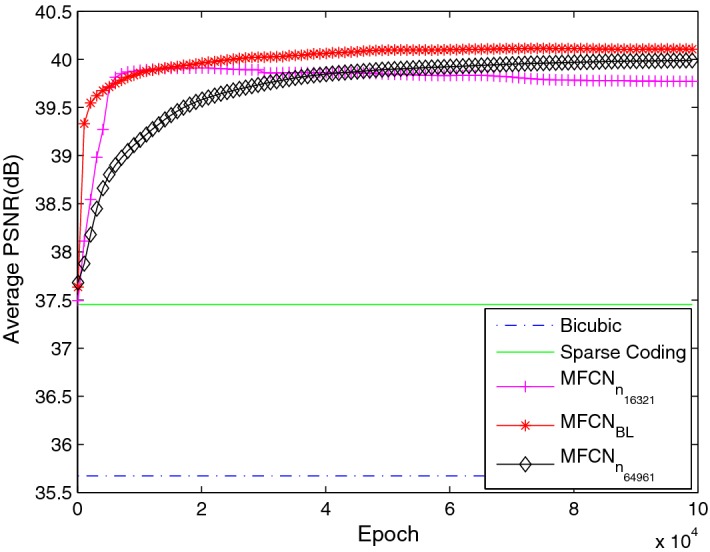
Magnetic resonance (MR) images are usually limited by low spatial resolution, which leads to errors in post-processing procedures. Recently, learning-based super-resolution methods, such as sparse coding and super-resolution convolution neural network, have achieved promising reconstruction results in scene images. However, these methods remain insufficient for recovering detailed information from low-resolution MR images due to the limited size of training dataset.
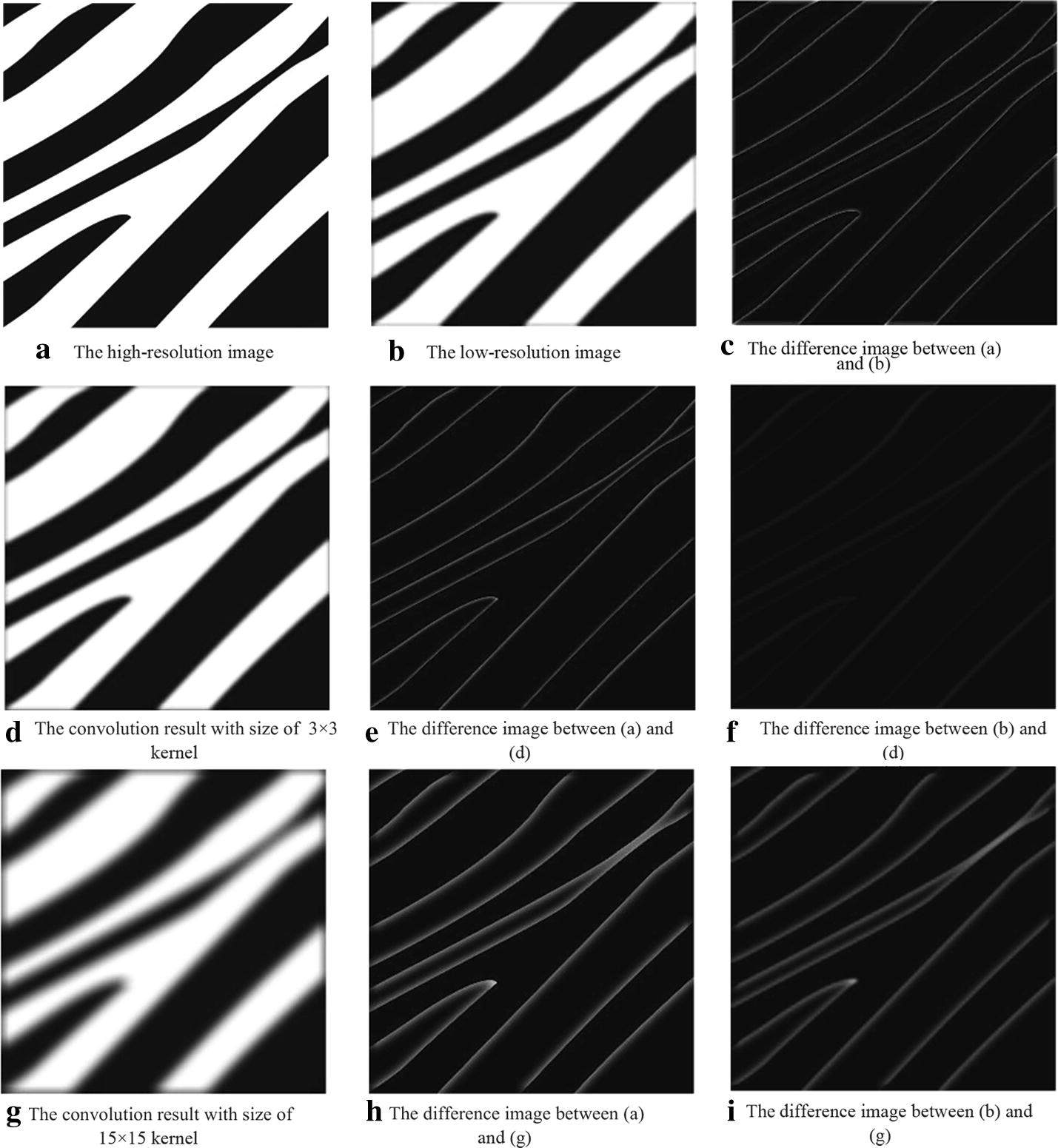
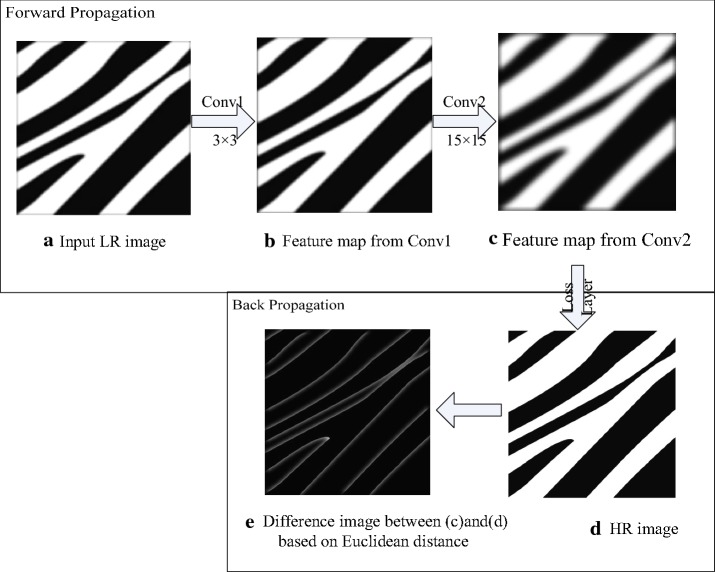
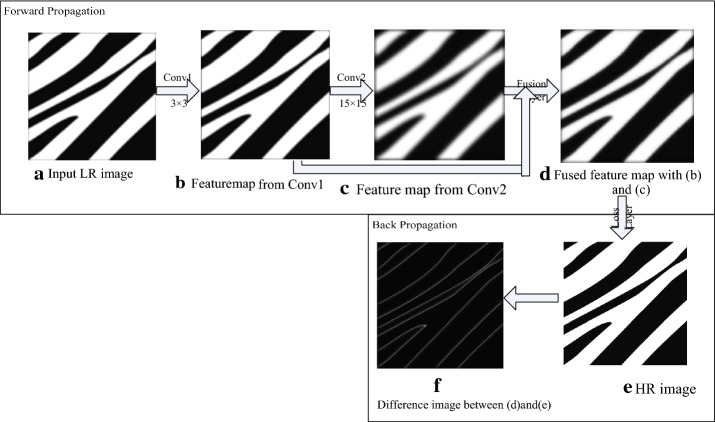
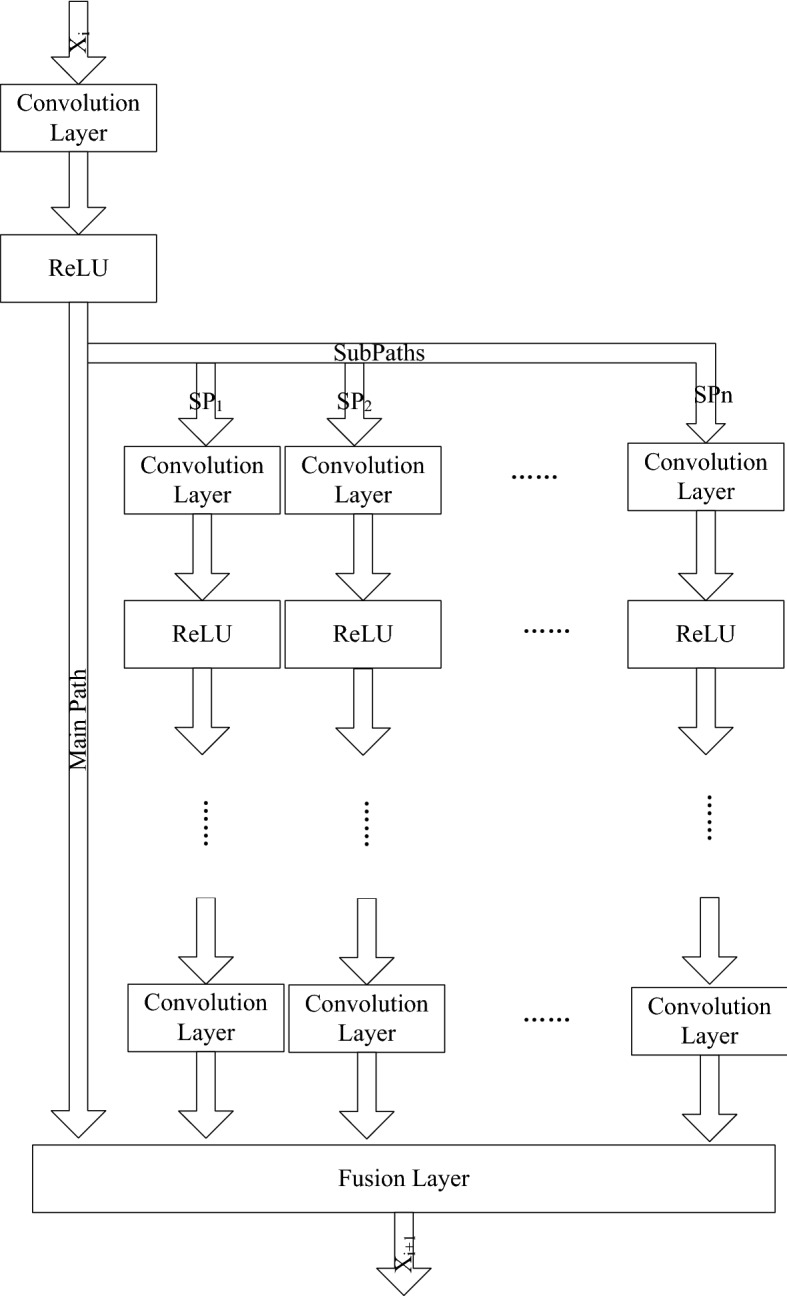
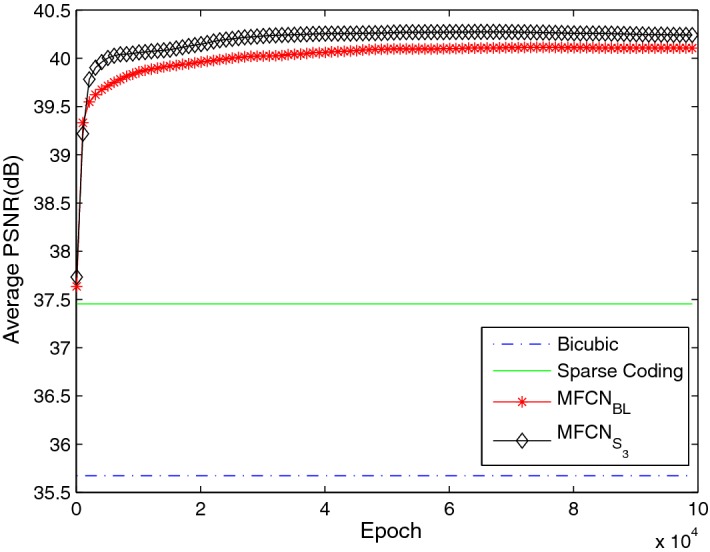
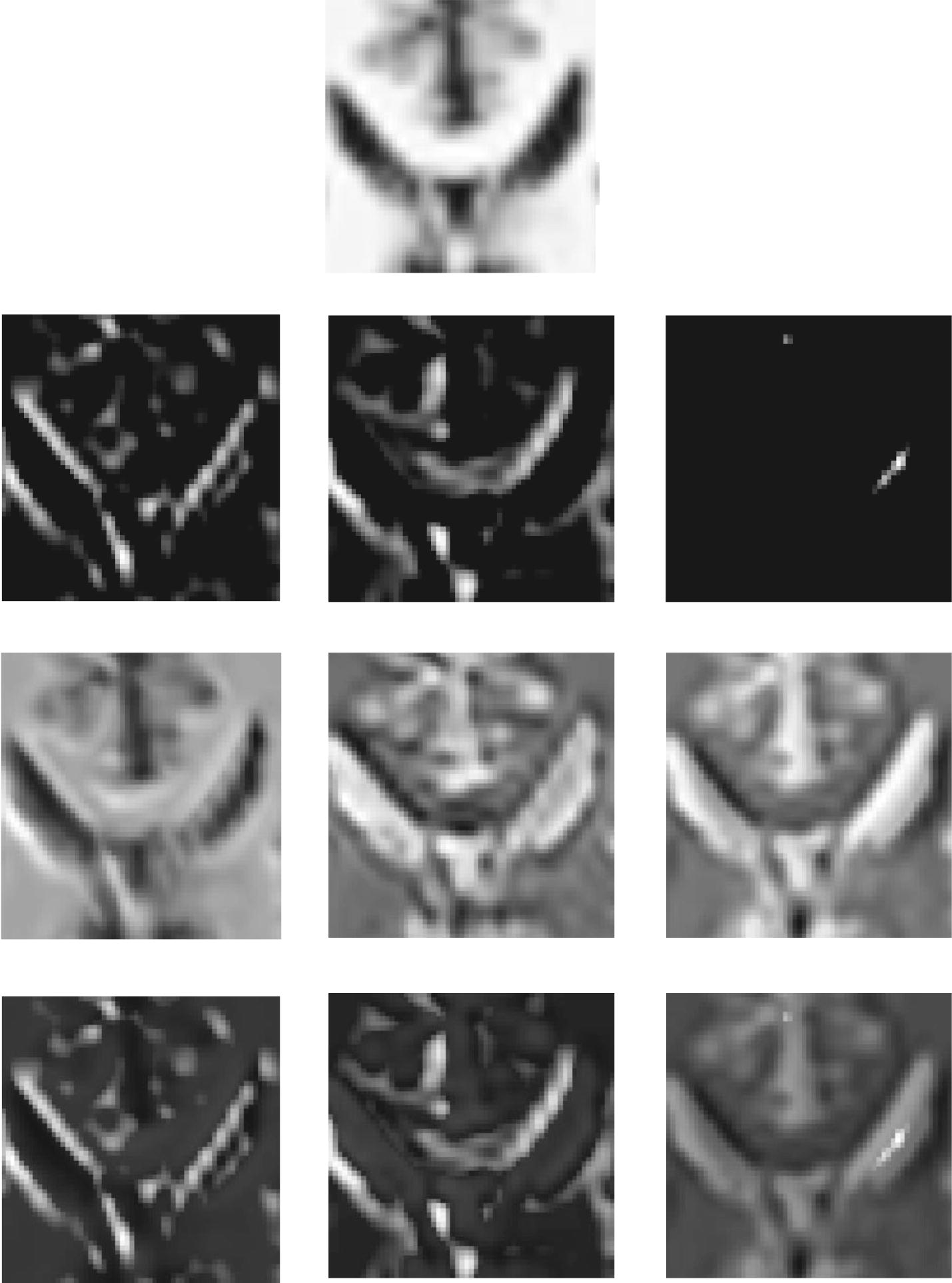
To investigate the different edge responses using different convolution kernel sizes, this study employs a multi-scale fusion convolution network (MFCN) to perform super-resolution for MRI images. Unlike traditional convolution networks that simply stack several convolution layers, the proposed network is stacked by multi-scale fusion units (MFUs). Each MFU consists of a main path and some sub-paths and finally fuses all paths within the fusion layer.
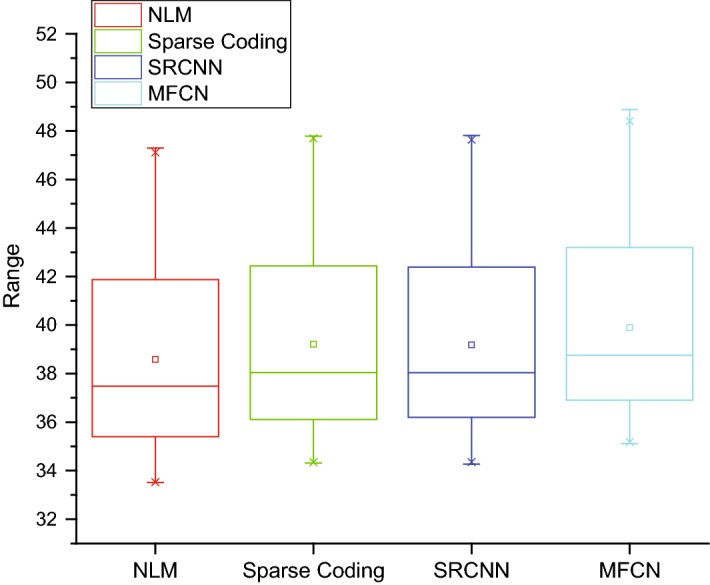
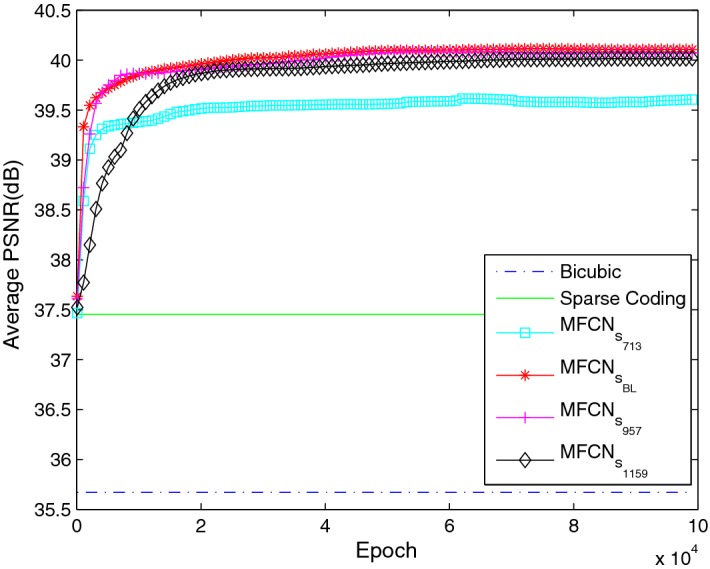
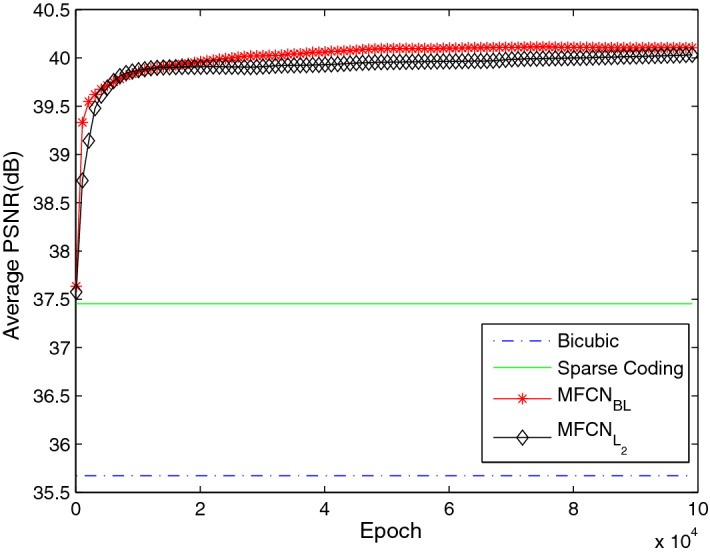
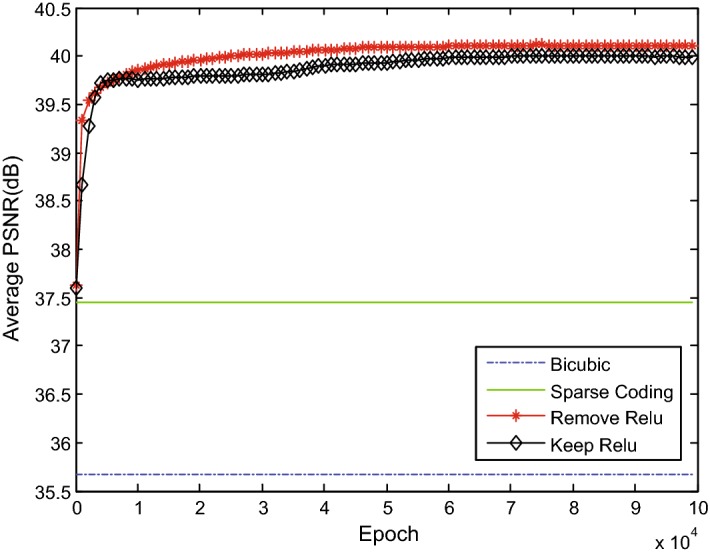
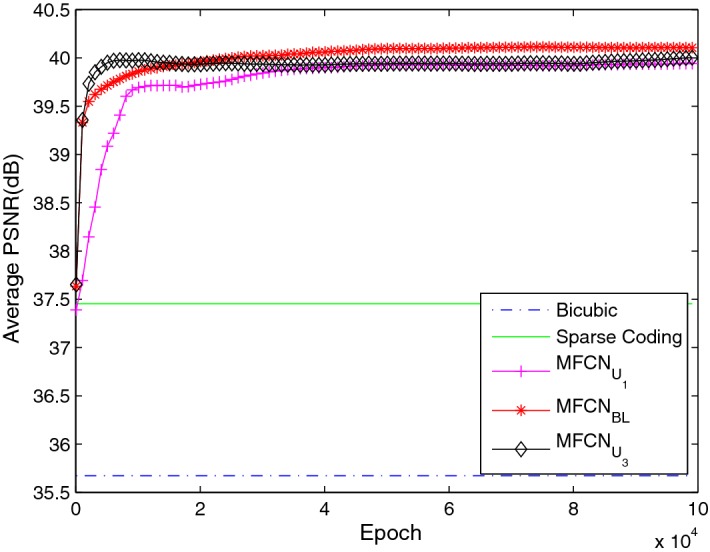
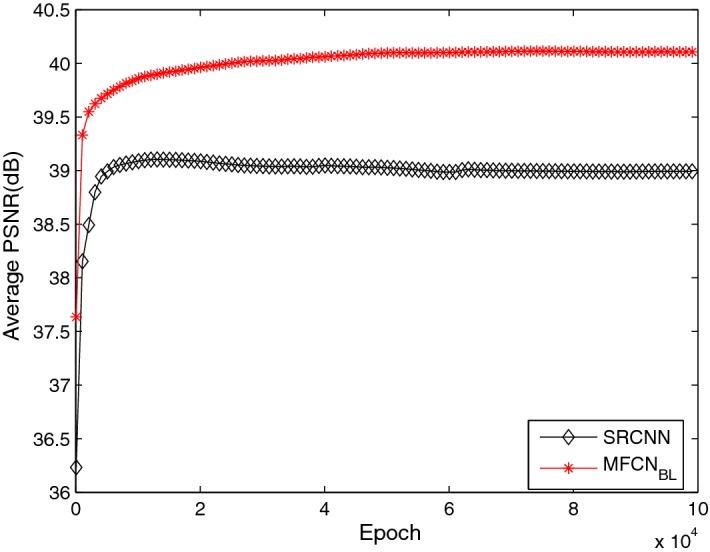
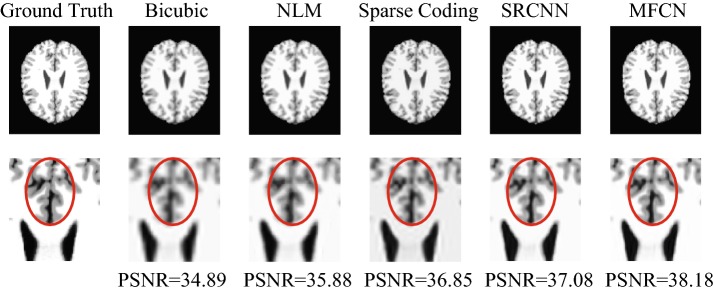
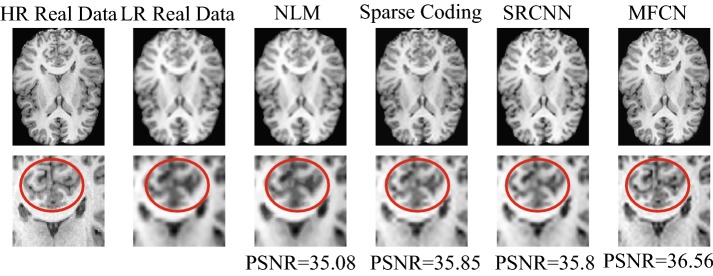
We discussed our experimental network parameters setting using simulated data to achieve trade-offs between the reconstruction performance and computational efficiency. We also conducted super-resolution reconstruction experiments using real datasets of MR brain images and demonstrated that the proposed MFCN has achieved a remarkable improvement in recovering detailed information from MR images and outperforms state-of-the-art methods.
We have proposed a multi-scale fusion convolution network based on MFUs which extracts different scales features to restore the detail information. The structure of the MFU is helpful for extracting multi-scale information and making full-use of prior knowledge from a few training samples to enhance the spatial resolution.
磁共振(MR)图像通常受到空间分辨率低的限制,这导致在后处理过程中出现误差。最近,基于学习的超分辨率方法,如稀疏编码和超分辨率卷积神经网络,在场景图像的重建结果方面取得了有希望的结果。然而,由于训练数据集的大小有限,这些方法仍然不足以从低分辨率 MR 图像中恢复详细信息。
为了研究不同卷积核大小的不同边缘响应,本研究采用多尺度融合卷积网络(MFCN)对 MRI 图像进行超分辨率处理。与简单堆叠几个卷积层的传统卷积网络不同,所提出的网络由多尺度融合单元(MFU)堆叠而成。每个 MFU 由主路径和一些子路径组成,最后在融合层中融合所有路径。
我们使用模拟数据讨论了我们的实验网络参数设置,以在重建性能和计算效率之间取得折衷。我们还使用 MR 脑图像的真实数据集进行了超分辨率重建实验,结果表明,所提出的 MFCN 在从 MR 图像中恢复详细信息方面取得了显著的改进,优于最新方法。
我们提出了一种基于 MFU 的多尺度融合卷积网络,该网络提取不同尺度的特征来恢复细节信息。MFU 的结构有助于提取多尺度信息,并充分利用来自少量训练样本的先验知识,以提高空间分辨率。