School and Hospital of Stomatology, Tianjin Medical University, Tianjin 300070, China,
Department of Esophageal Cancer, Tianjin's Clinical Research Center for Cancer and Key Laboratory of Cancer Prevention and Therapy, National Clinical Research Center for Cancer, Tianjin Medical University Cancer Institute and Hospital, Tianjin 300070, China.
Int J Nanomedicine. 2018 Sep 12;13:5361-5375. doi: 10.2147/IJN.S170819. eCollection 2018.
Prevention of bacterial colonization remains a major challenge in the field of oral implant devices. Chimeric peptides with binding, antimicrobial, and osteogenesis motifs may provide a promising alternative for the inhibition of biofilm formation on titanium (Ti) surfaces.
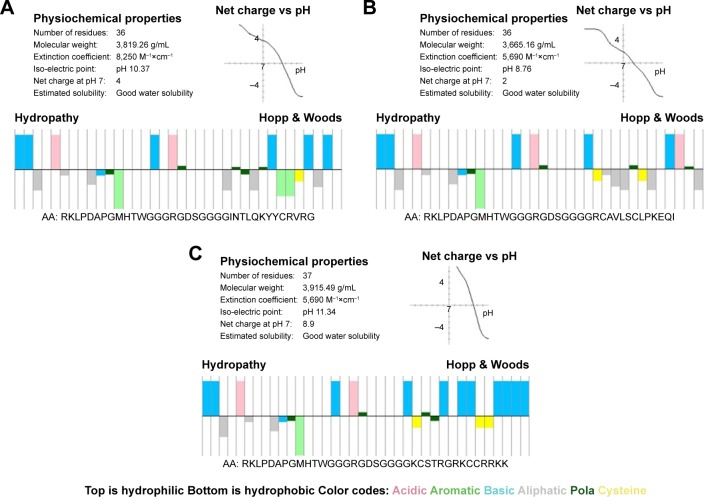
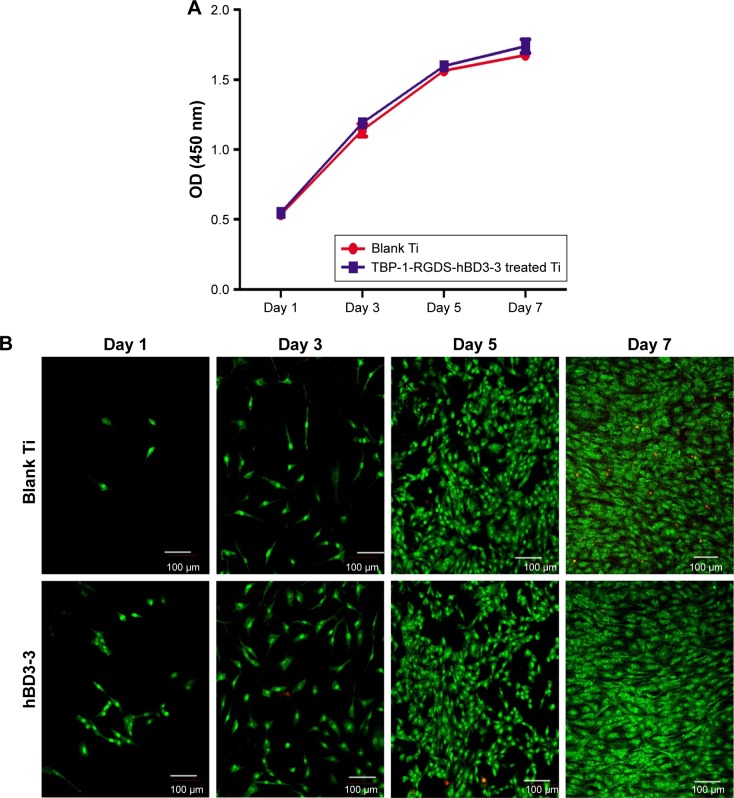
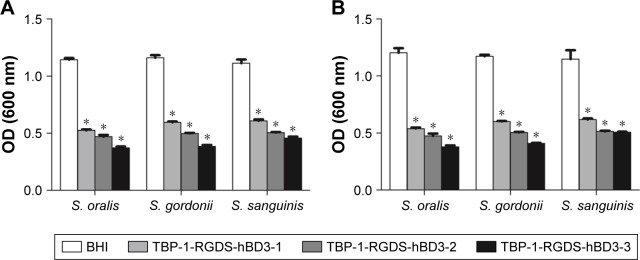
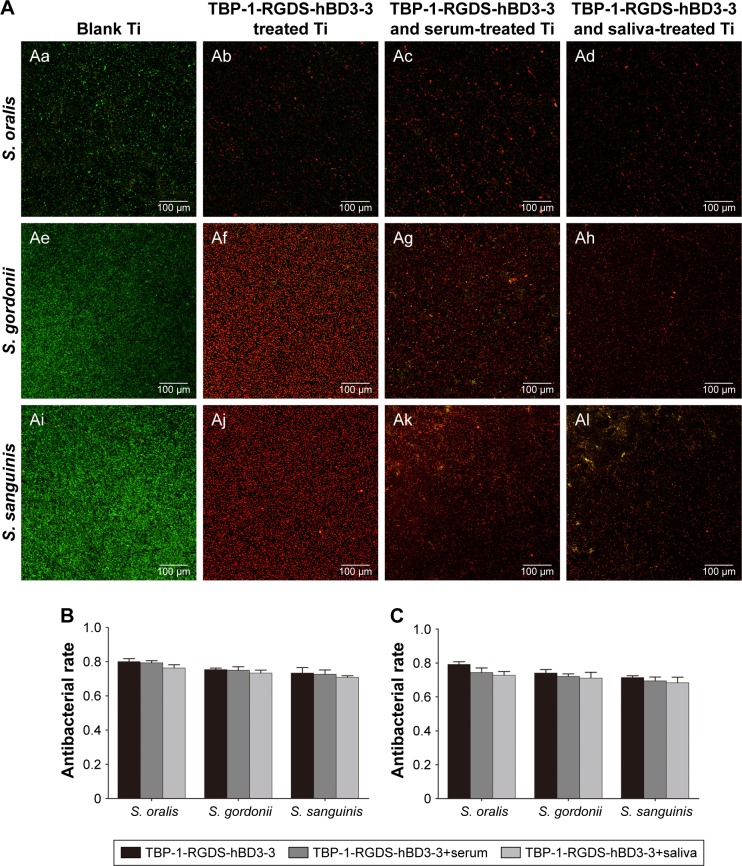
In this study, chimeric peptides were designed by connecting an antimicrobial sequence from human β-defensin-3 with a Ti-binding sequence and arginine-glycine-aspartic acid using a glycine-glycine-glycine linker. Binding to the Ti substrate and antimicrobial properties against streptococci were evaluated. Significant improvement in reduction of bacterial colonization onto the Ti surface was observed, with or without the presence of saliva or serum. The MC3T3-E1 cells grew well on the modified Ti surfaces compared with the control group.
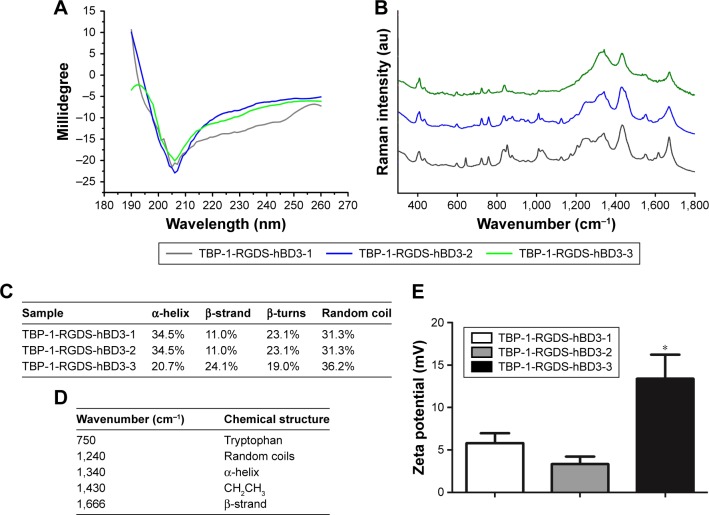
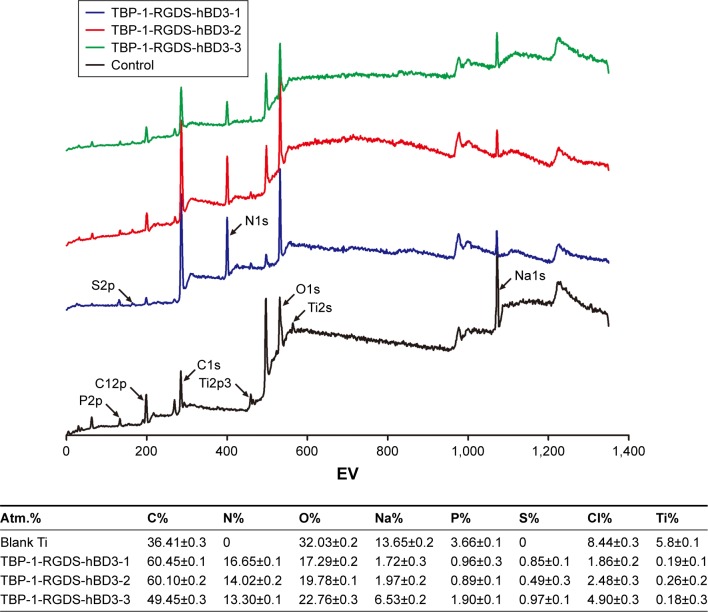
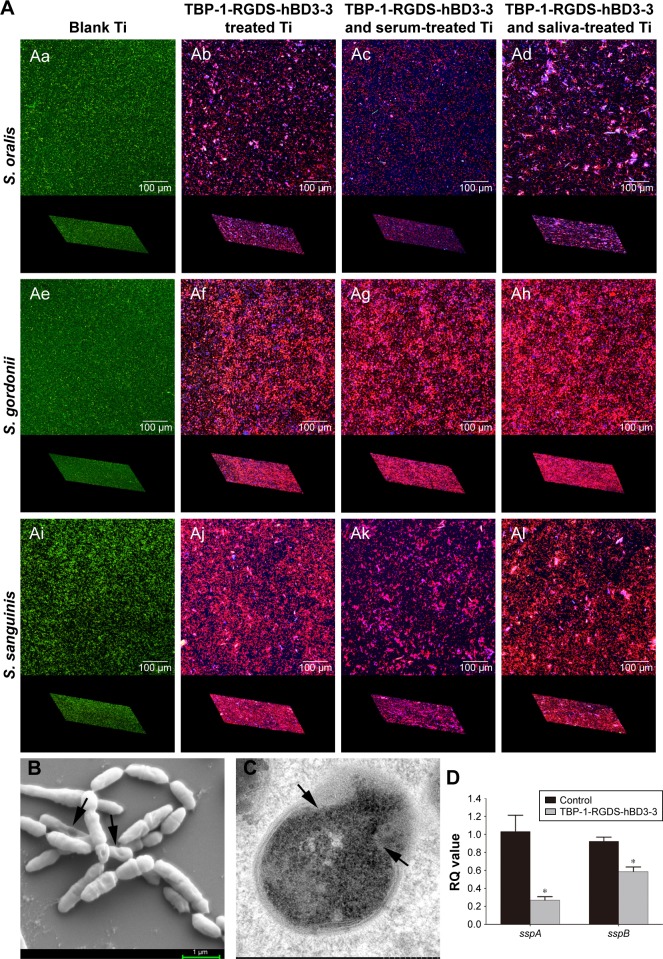
The data showed that the three peptide functional motifs maintained their respective functions, and that the antibiofilm mechanism of the chimeric peptide was via suppression of and gene expression.
These results indicated that the endogenous peptide fragments engineered on the Ti surface could provide an environmentally friendly approach for improving the biocompatibility of oral implants.
预防细菌定植仍然是口腔种植体领域的主要挑战。具有结合、抗菌和成骨作用的嵌合肽可能为抑制钛 (Ti) 表面生物膜形成提供了一种有前途的替代方法。
在这项研究中,通过使用甘氨酸-甘氨酸-甘氨酸接头将来自人β-防御素-3 的抗菌序列与 Ti 结合序列和精氨酸-甘氨酸-天冬氨酸连接起来,设计了嵌合肽。评估了与 Ti 基底的结合和对链球菌的抗菌特性。与对照组相比,在存在或不存在唾液或血清的情况下,观察到对 Ti 表面细菌定植的减少有明显改善。与对照组相比,MC3T3-E1 细胞在改性 Ti 表面上生长良好。
数据表明,三个肽功能基序保持各自的功能,并且嵌合肽的抗生物膜机制是通过抑制 和 基因表达。
这些结果表明,在 Ti 表面上设计的内源性肽片段可为改善口腔种植体的生物相容性提供一种环保方法。