Vector Management Division, Defence Research and Development Establishment, Gwalior, Madhya Pradesh, 474002, India.
Infect Dis Poverty. 2019 Feb 13;8(1):14. doi: 10.1186/s40249-019-0524-x.
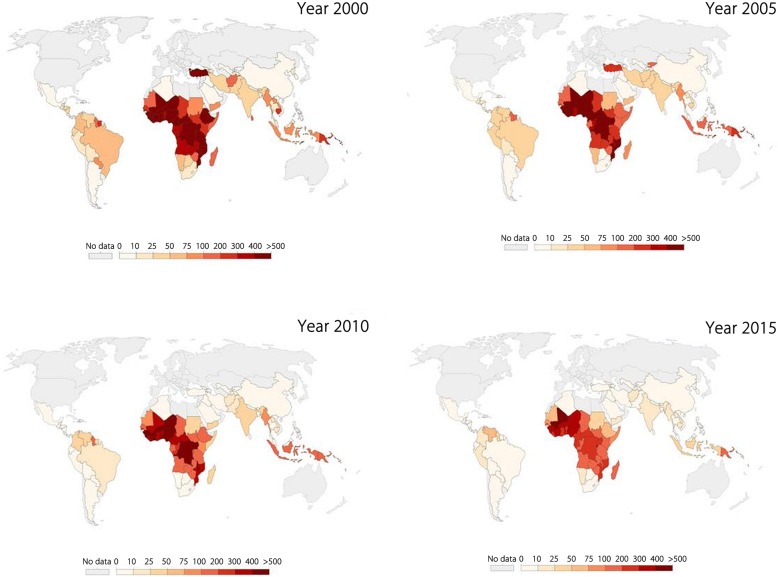
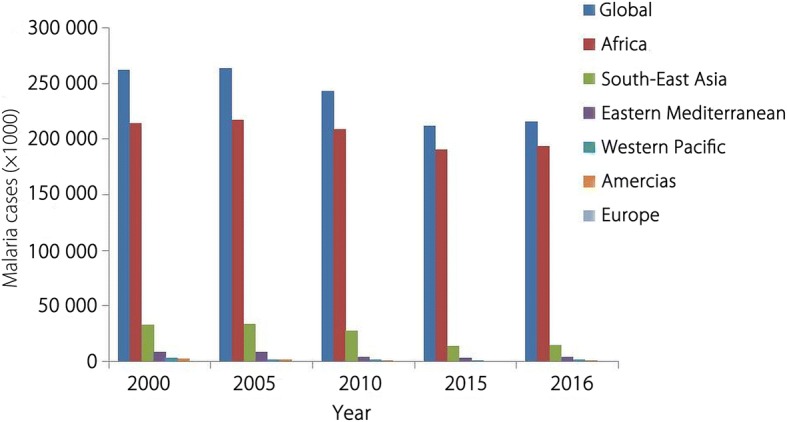
Malaria causes significant morbidity and mortality each year. In the past few years, the global malaria cases have been declining and many endemic countries are heading towards malaria elimination. Nevertheless, reducing the number of cases seems to be easy than sustained elimination. Therefore to achieve the objective of complete elimination and maintaining the elimination status, it is necessary to assess the gains made during the recent years.
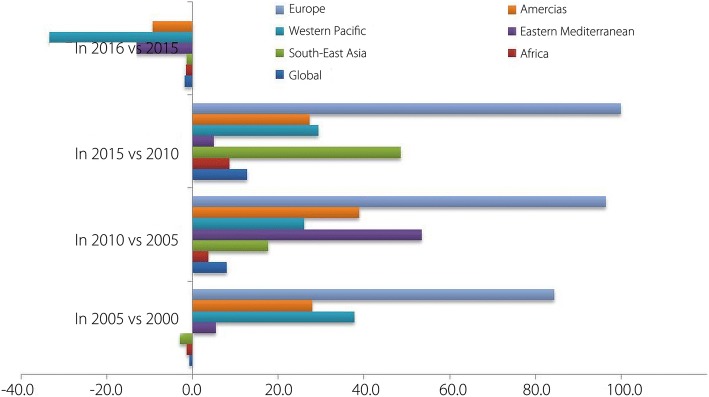
With inclining global support and World Health Organisation (WHO) efforts, the control programmes have been implemented effectively in many endemic countries. Given the aroused interest and investments into malaria elimination programmes at global level, the ambitious goal of elimination appears feasible. Sustainable interventions have played a pivotal role in malaria contraction, however drug and insecticide resistance, social, demographic, cultural and behavioural beliefs and practices, and unreformed health infrastructure could drift back the progress attained so far. Ignoring such impeding factors coupled with certain region specific factors may jeopardise our ability to abide righteous track to achieve global elimination of malaria parasite. Although support beyond the territories is important, but well managed integrated vector management approach at regional and country level using scrupulously selected area specific interventions targeting both vector and parasite along with the community involvement is necessary. A brief incline in malaria during 2016 has raised fresh perturbation on whether elimination could be achieved on time or not.
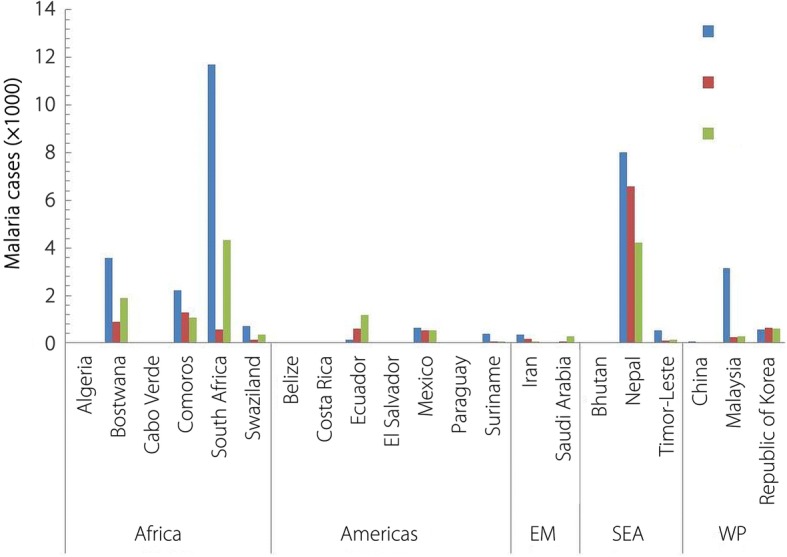
The intervention tools available currently can most likely reduce transmission but clearing of malaria epicentres from where the disease can flare up any time, is not possible without involving local population. Nevertheless maintaining zero malaria transmission and checks on malaria import in declared malaria free countries, and further speeding up of interventions to stop transmission in elimination countries is most desirable. Strong collaboration backed by adequate political and financial support among the countries with a common objective to eliminate malaria must be on top priority. The present review attempts to assess the progress gained in malaria elimination during the past few years and highlights some issues that could be important in successful malaria elimination.
疟疾每年都会导致大量发病和死亡。在过去几年中,全球疟疾病例一直在减少,许多流行国家正在朝着消除疟疾的方向努力。然而,减少病例数量似乎比持续消除疟疾更容易。因此,要实现完全消除疟疾的目标并保持消除状态,有必要评估近年来取得的成果。
随着全球支持力度的加大和世界卫生组织(WHO)的努力,许多流行国家的控制规划得到了有效实施。鉴于全球对消除疟疾规划的浓厚兴趣和投资,消除疟疾的雄心勃勃目标似乎是可行的。可持续干预措施在疟疾控制方面发挥了关键作用,然而,药物和杀虫剂耐药性、社会、人口、文化和行为信仰和做法以及不完善的卫生基础设施可能会使迄今为止取得的进展倒退。忽视这些阻碍因素以及某些特定区域的因素,可能会危及我们实现全球消除疟原虫的能力。尽管境外支持很重要,但在区域和国家一级,使用经过精心挑选的针对媒介和寄生虫的具体区域干预措施,并结合社区参与,实施良好管理的综合媒介管理方法是必要的。2016 年疟疾短暂上升,引发了人们对是否能够按时实现消除疟疾的新的担忧。
目前可用的干预工具很可能会减少疟疾的传播,但如果不动员当地居民,就不可能清除疟疾中心,这些中心随时都有可能爆发疟疾。然而,在宣布无疟疾的国家,必须保持零疟疾传播并监测疟疾输入,在消除疟疾的国家进一步加快干预措施以阻止传播,这是最理想的。各国之间必须建立强有力的合作关系,得到充分的政治和财政支持,共同实现消除疟疾的目标。本综述试图评估近年来在消除疟疾方面取得的进展,并强调一些在成功消除疟疾方面可能很重要的问题。