Triticeae Research Institute, Sichuan Agricultural University, Wenjiang, Chengdu, Sichuan, 611130, People's Republic of China.
College of Agronomy, Sichuan Agricultural University, Wenjiang, Chengdu, Sichuan, 611130, People's Republic of China.
BMC Plant Biol. 2019 Apr 16;19(1):147. doi: 10.1186/s12870-019-1764-4.
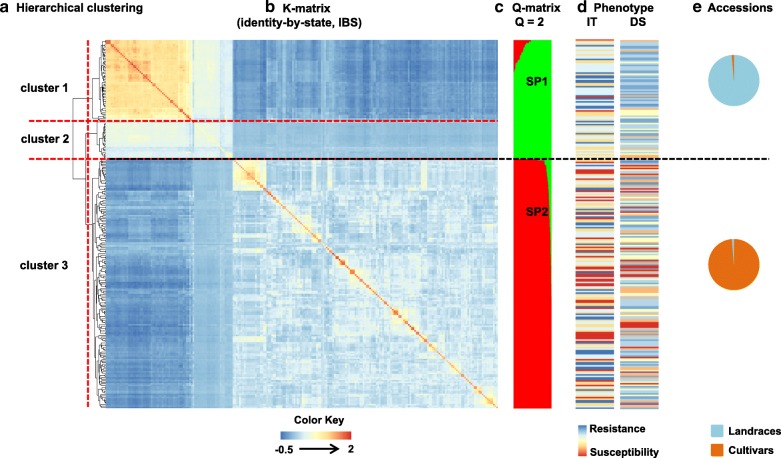
Stripe rust (also called yellow rust) is a common and serious fungal disease of wheat (Triticum aestivum L.) caused by Puccinia striiformis f. sp. tritici. The narrow genetic basis of modern wheat cultivars and rapid evolution of the rust pathogen have been responsible for periodic and devastating epidemics of wheat rust diseases. In this study, we conducted a genome-wide association study with 44,059 single nucleotide polymorphism markers to identify loci associated with resistance to stripe rust in 244 Sichuan wheat accessions, including 79 landraces and 165 cultivars, in six environments.
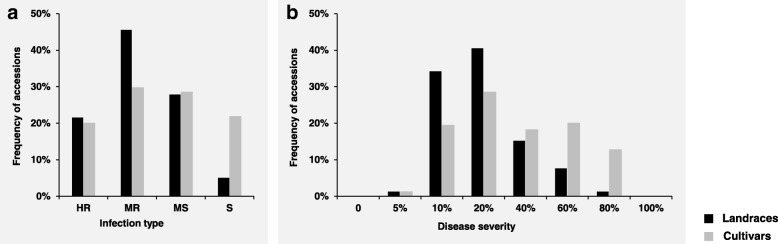
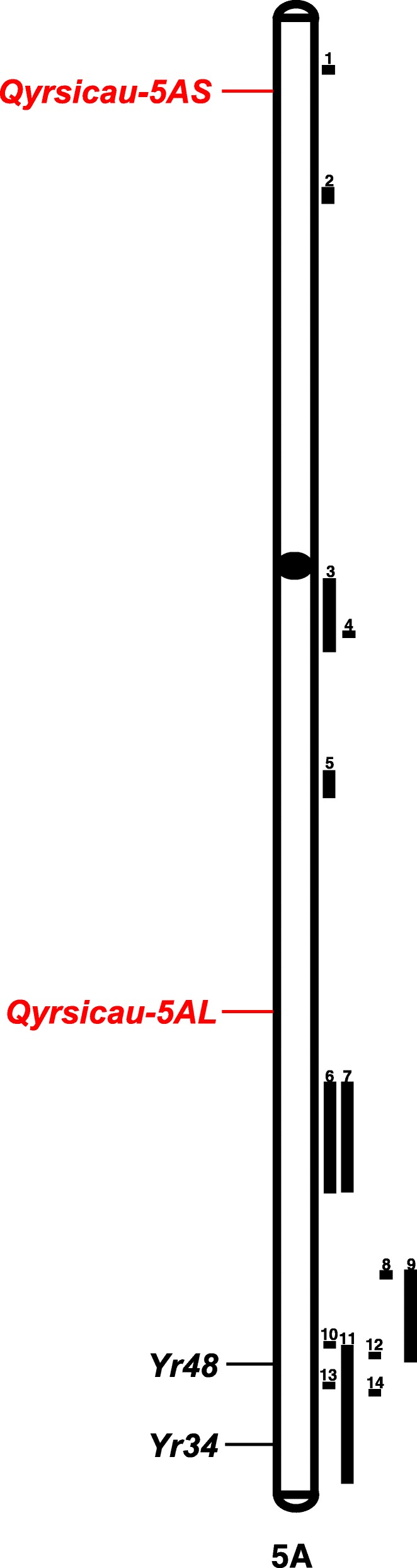
In all the field assessments, 24 accessions displayed stable high resistance to stripe rust. Significant correlations among environments were observed for both infection (IT) and disease severity (DS), and high heritability levels were found for both IT and DS. Using mixed linear models, 12 quantitative trait loci (QTLs) significantly associated with IT and/or DS were identified. Two QTLs were mapped on chromosomes 5AS and 5AL and were distant from previously identified stripe rust resistance genes or QTL regions, indicating that they may be novel resistance loci.
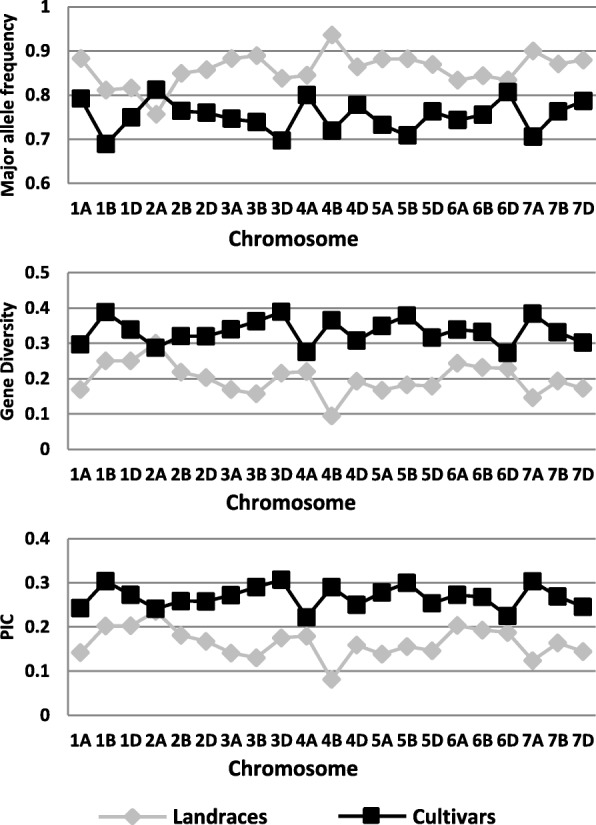
Our results revealed that resistance alleles to stripe rust were accumulated in Sichuan wheat germplasm, implying direct or indirect selection for improved stripe rust resistance in elite wheat breeding programs. The identified stable QTLs or favorable alleles could be important chromosome regions in Sichuan wheat that controlled the resistance to stripe rust. These markers can be used molecular marker-assisted breeding of Sichuan wheat cultivars, and will be useful in the ongoing effort to develop new wheat cultivars with strong resistance to stripe rust.
条锈病(又称黄锈病)是由条形柄锈菌引起的小麦(Triticum aestivum L.)的一种常见且严重的真菌病害。现代小麦品种的遗传基础狭窄和锈病病原体的快速进化是导致小麦锈病周期性和毁灭性流行的原因。在这项研究中,我们使用 44059 个单核苷酸多态性标记进行了全基因组关联研究,以鉴定与 244 份四川小麦品系(包括 79 份地方品种和 165 份品种)对条锈病的抗性相关的基因座,这些品系在六个环境中进行了评估。
在所有田间评估中,24 个品系表现出对条锈病的稳定高抗性。IT 和 DS 在所有环境中均表现出显著相关性,并且 IT 和 DS 均表现出高遗传力水平。使用混合线性模型,鉴定出与 IT 和/或 DS 显著相关的 12 个数量性状基因座(QTL)。两个 QTL 被定位在 5AS 和 5AL 染色体上,与先前鉴定的条锈病抗性基因或 QTL 区域相距较远,表明它们可能是新的抗性基因座。
我们的研究结果表明,四川小麦种质中积累了对条锈病的抗性等位基因,这意味着在优良小麦育种计划中直接或间接选择了改良的条锈病抗性。鉴定出的稳定 QTL 或有利等位基因可能是四川小麦控制条锈病抗性的重要染色体区域。这些标记可用于四川小麦品种的分子标记辅助育种,并将有助于开发对条锈病具有强抗性的新小麦品种。