Tihan Graţiela Teodora, Rău Ileana, Zgârian Roxana Gabriela, Ungureanu Camelia, Barbaresso Răzvan Constantin, Kaya Mădălina Georgiana Albu, Dinu-Pîrvu Cristina, Ghica Mihaela Violeta
Faculty of Applied Chemistry and Materials Science, University Politehnica of Bucharest, Polizu Street No. 1, 011061 Bucharest, Romania.
Department of Collagen, Division Leather and Footwear Research Institute, National Research and Development Institute for Textile and Leather, 031215 Bucharest, Romania.
Pharmaceutics. 2019 Jul 24;11(8):363. doi: 10.3390/pharmaceutics11080363.
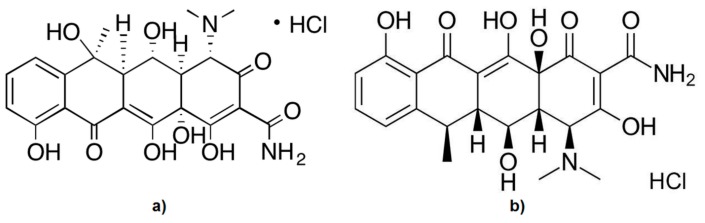
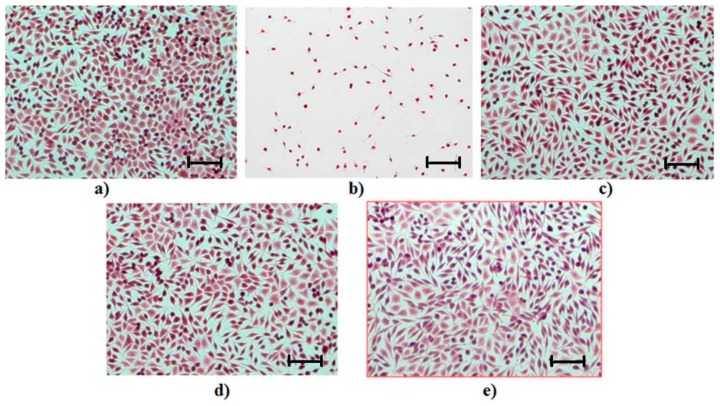
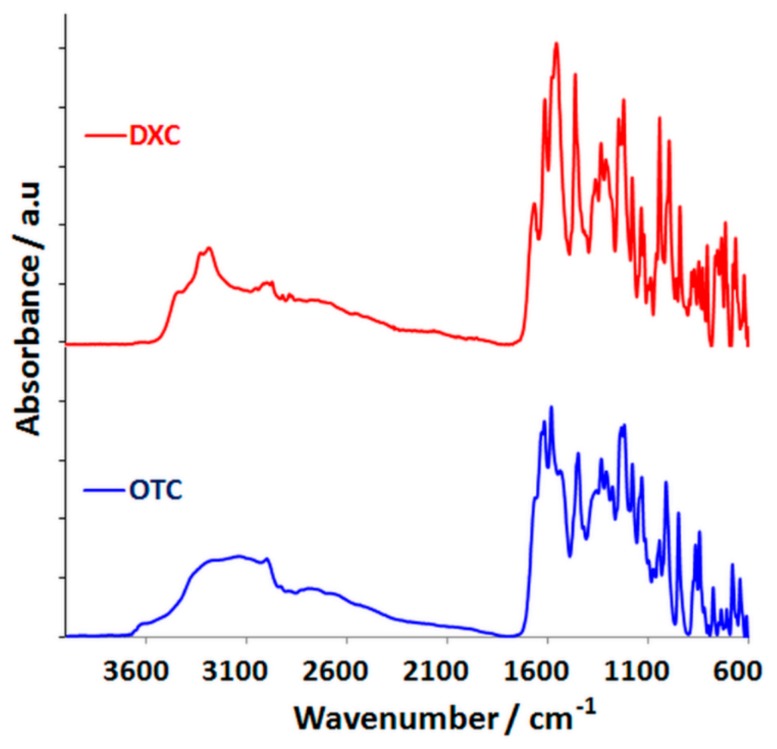
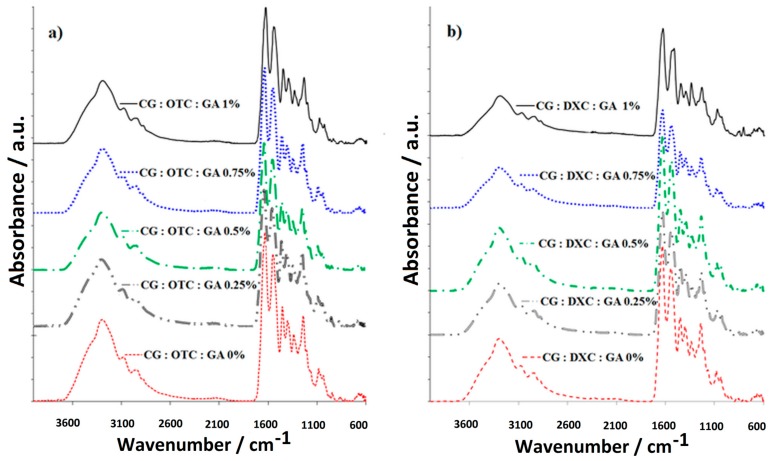
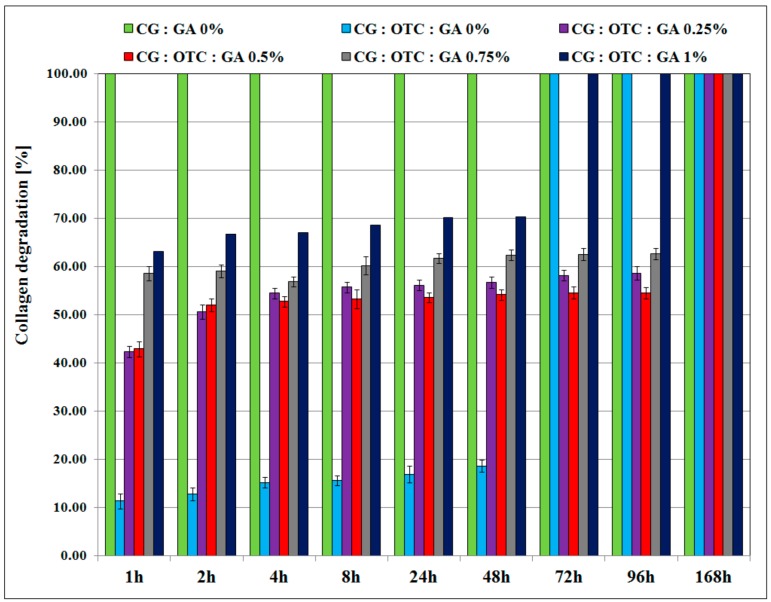
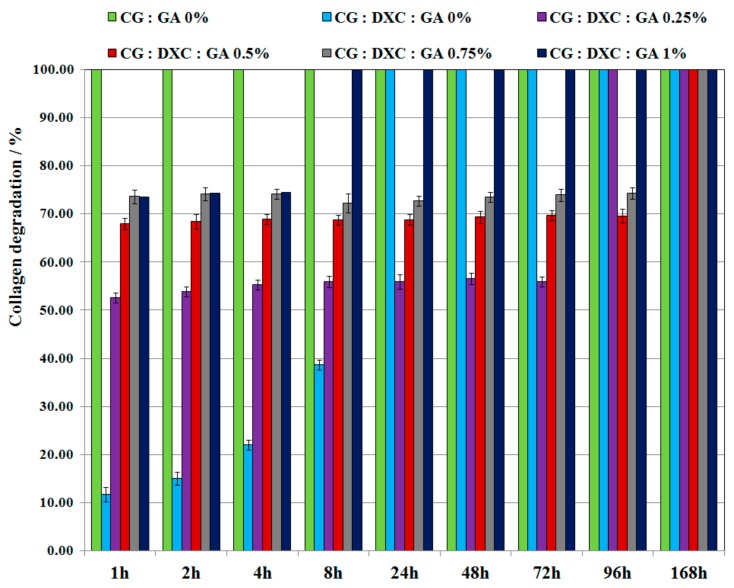
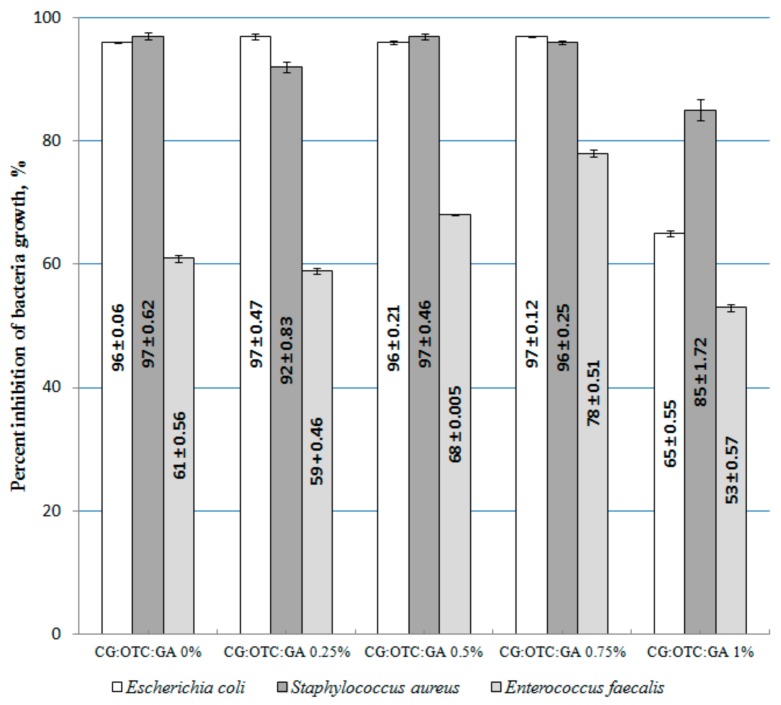
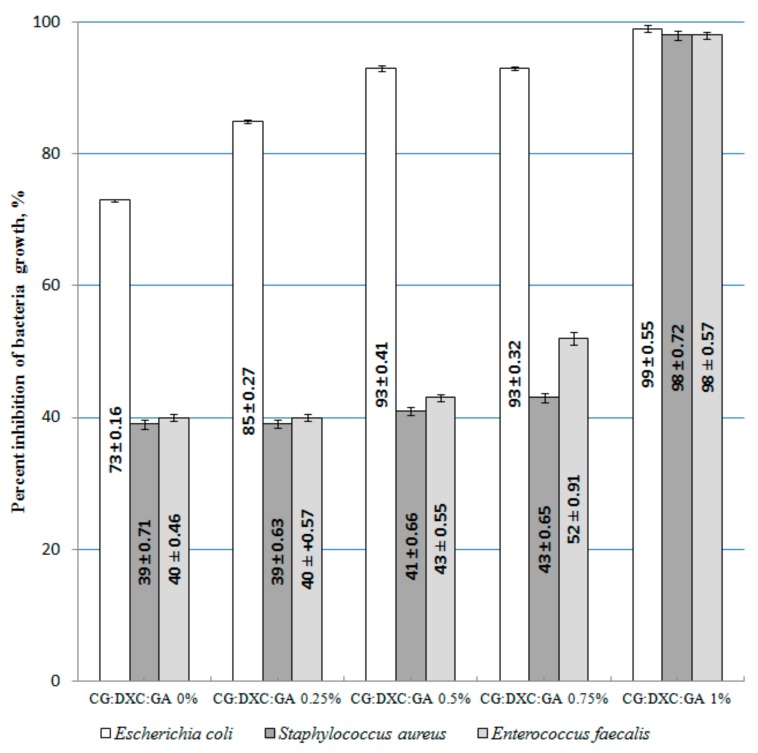
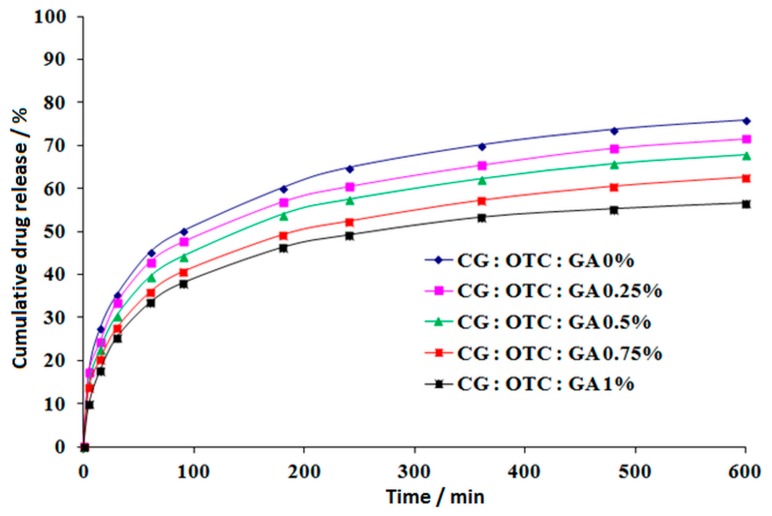
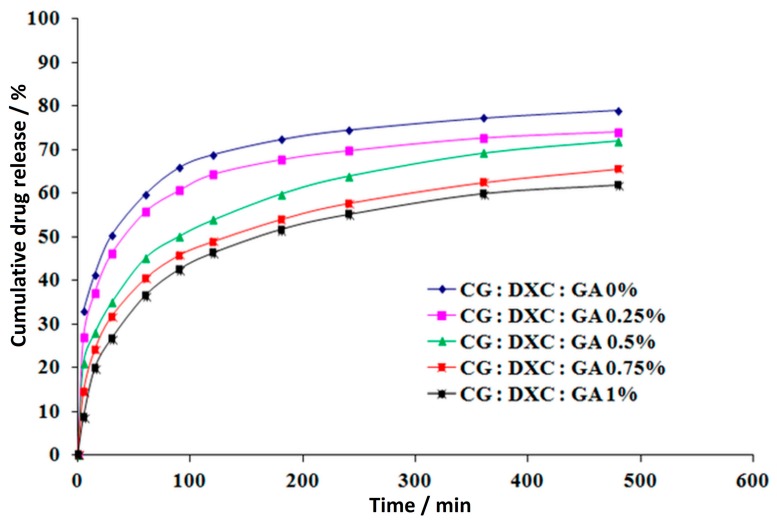
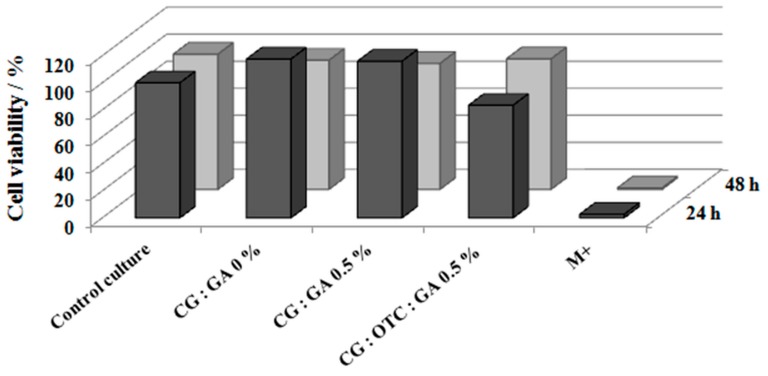
Many research studies are directed toward developing safe and efficient collagen-based biomaterials as carriers for drug delivery systems. This article presents a comparative study of the properties of new collagen sponges prepared and characterized by different methods intended for biomedical applications. The structural integrity is one of the main properties for a biomaterial in order for it to be easily removed from the treated area. Thus, the effect of combining a natural polymer such as collagen with an antimicrobial drug such as oxytetracycline or doxycycline and glutaraldehyde as the chemical cross-linking agent influences the cross-linking degree of the material, which is in direct relation to its resistance to collagenase digestion, the drug kinetic release profile, and in vitro biocompatibility. The enzymatic degradation results identified oxytetracycline as the best inhibitor of collagenase when the collagen sponge was cross-linked with 0.5% glutaraldehyde. The drug release kinetics revealed an extended release of the antibiotic for oxytetracycline-loaded collagen sponges compared with doxycycline-loaded collagen sponges. Considering the behavior of differently prepared sponges, the collagen sponge with oxytetracycline and 0.5% glutaraldehyde could represent a viable polymeric support for the prevention/treatment of infections at the application site, favoring tissue regeneration.
许多研究致力于开发安全有效的基于胶原蛋白的生物材料,作为药物递送系统的载体。本文对通过不同方法制备并表征的用于生物医学应用的新型胶原海绵的性能进行了比较研究。结构完整性是生物材料的主要性能之一,以便它能够容易地从治疗区域移除。因此,将天然聚合物(如胶原蛋白)与抗菌药物(如土霉素或强力霉素)以及戊二醛作为化学交联剂相结合的效果,会影响材料的交联程度,这与其对胶原酶消化的抗性、药物动力学释放曲线以及体外生物相容性直接相关。当胶原海绵与0.5%戊二醛交联时,酶促降解结果表明土霉素是胶原酶的最佳抑制剂。药物释放动力学显示,与载有强力霉素的胶原海绵相比,载有土霉素的胶原海绵中抗生素的释放具有缓释特性。考虑到不同制备海绵的性能表现,含有土霉素和0.5%戊二醛的胶原海绵可能是预防/治疗应用部位感染、促进组织再生的一种可行的聚合物载体。