The Department of Experimental Biology, University of Environmental and Life Sciences Wroclaw, Norwida 27B, 50-375, Wrocław, Poland.
Faculty of Veterinary Medicine, Equine Clinic-Equine Surgery, Justus-Liebig-University, Frankfurter 108, 35392, Giessen, Lahn, Germany.
J Nanobiotechnology. 2020 Feb 18;18(1):33. doi: 10.1186/s12951-020-00590-w.
Prevalence of osteoporosis is rapidly growing and so searching for novel therapeutics. Yet, there is no drug on the market available to modulate osteoclasts and osteoblasts activity simultaneously. Thus in presented research we decided to fabricate nanocomposite able to: (i) enhance osteogenic differentiation of osteoblast, (i) reduce osteoclasts activity and (iii) reduce pro-inflammatory microenvironment. As a consequence we expect that fabricated material will be able to inhibit bone loss during osteoporosis.
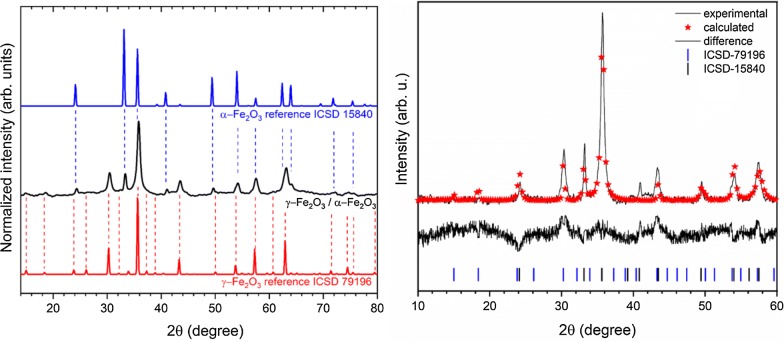
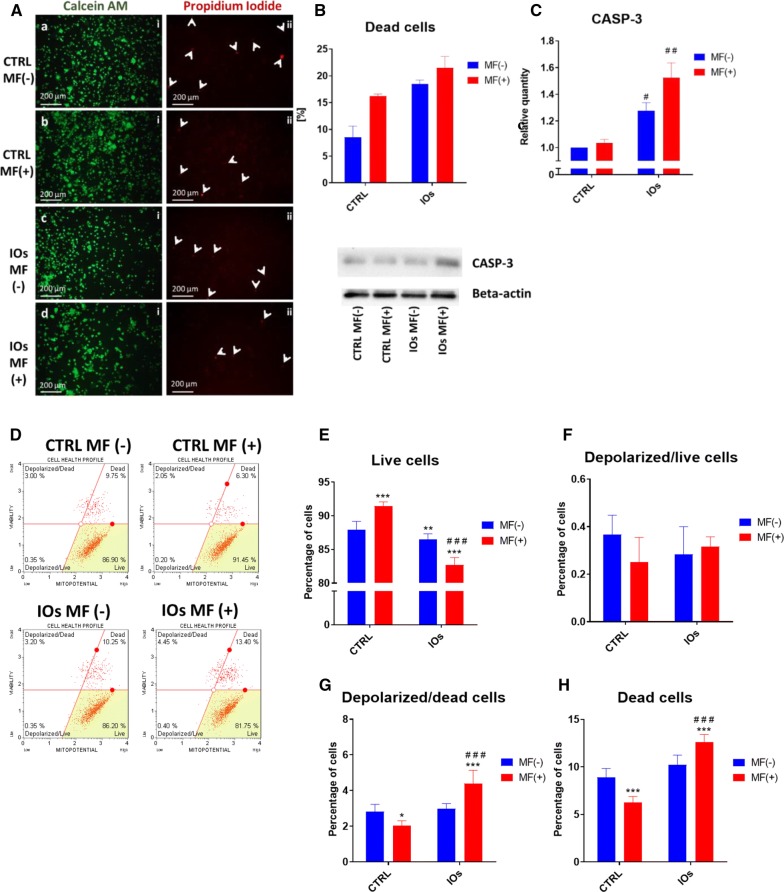
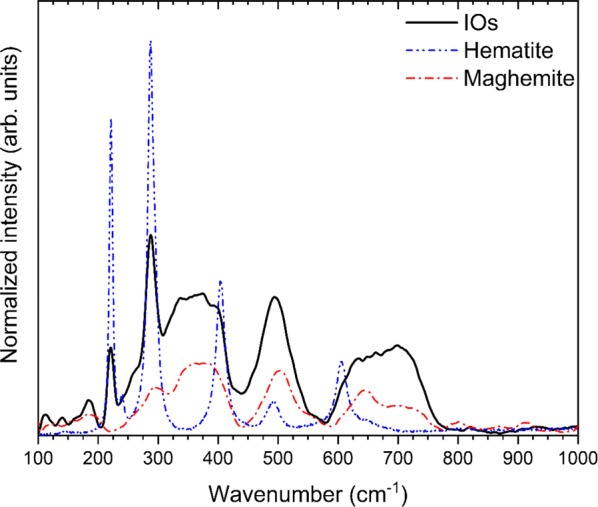
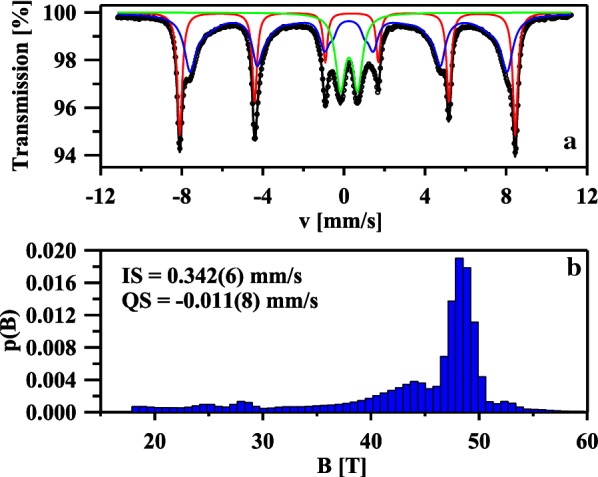
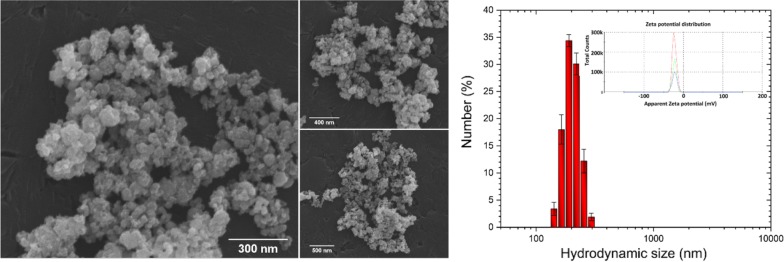
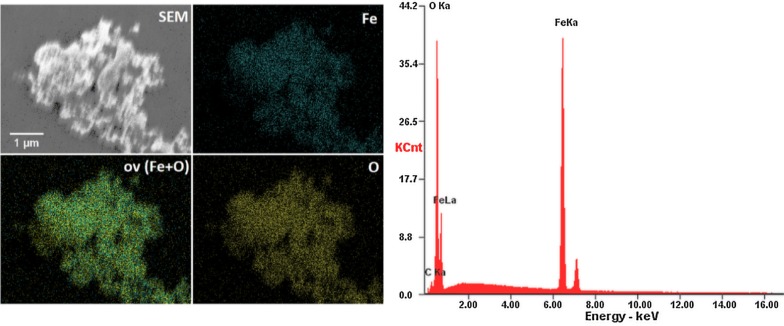
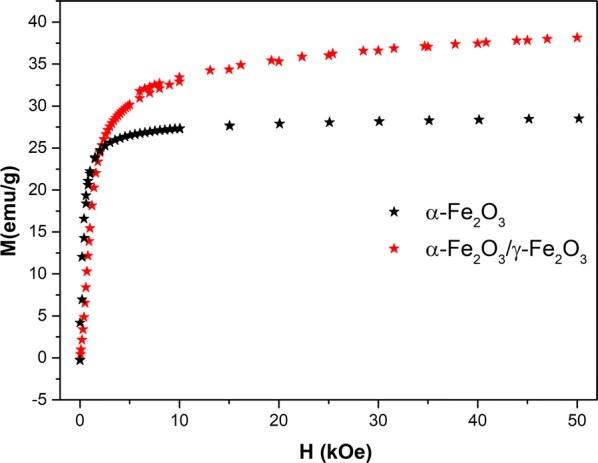
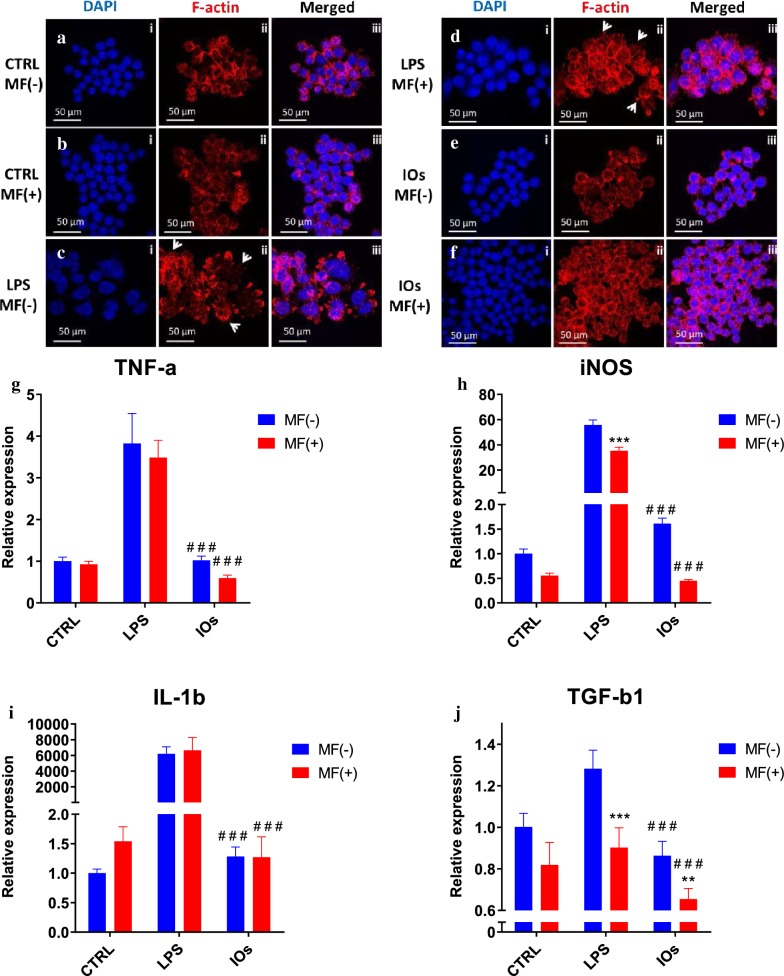
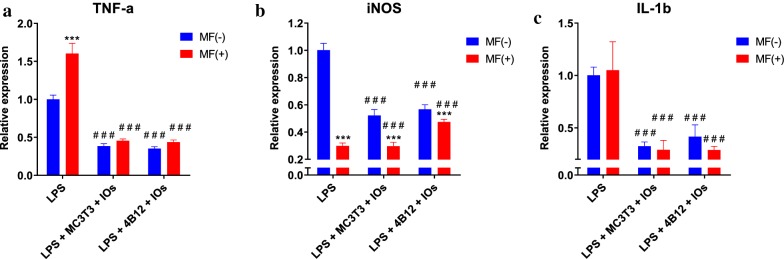
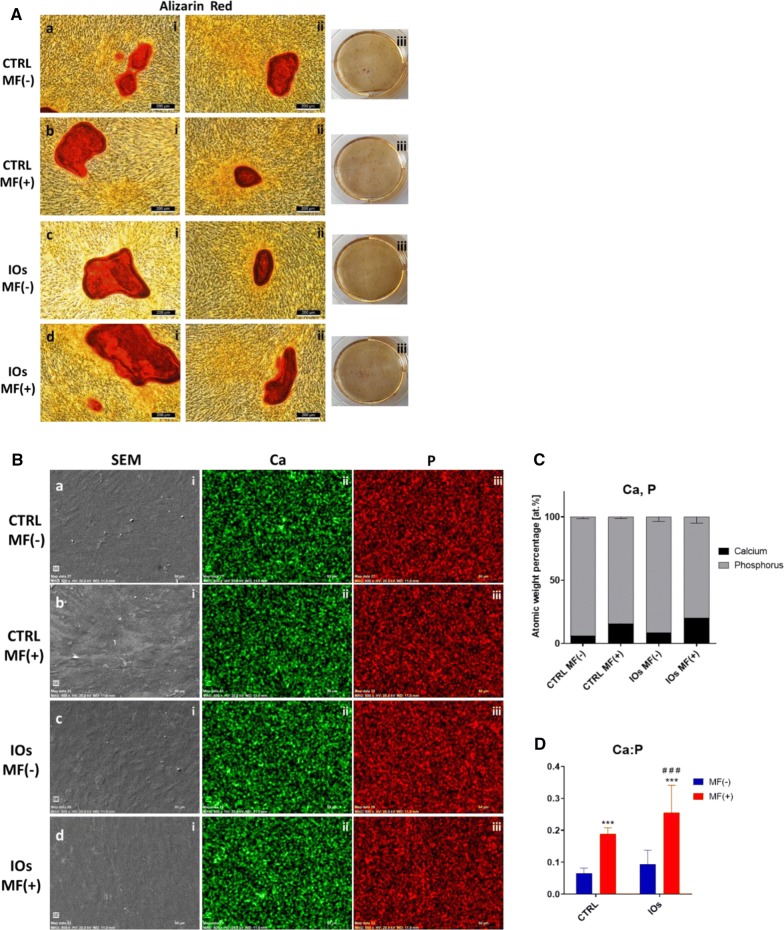
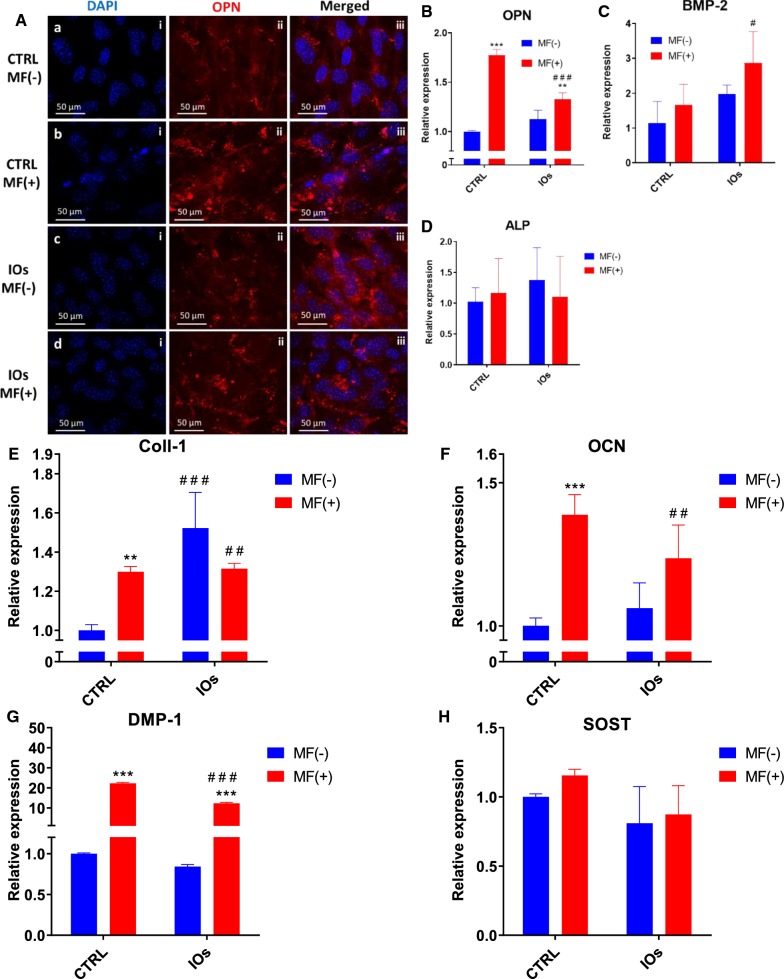
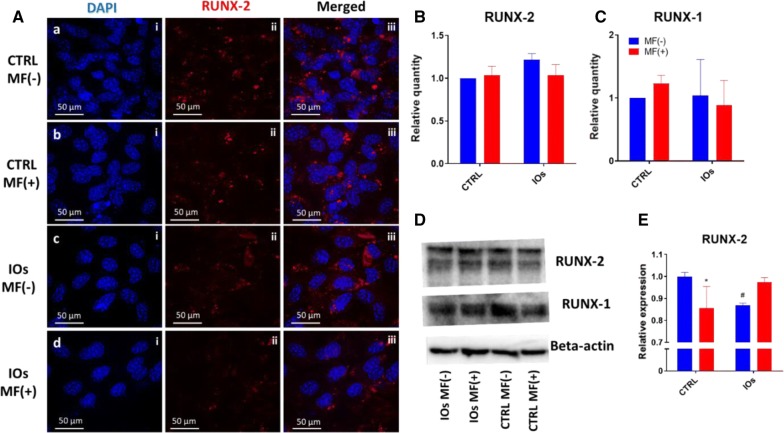
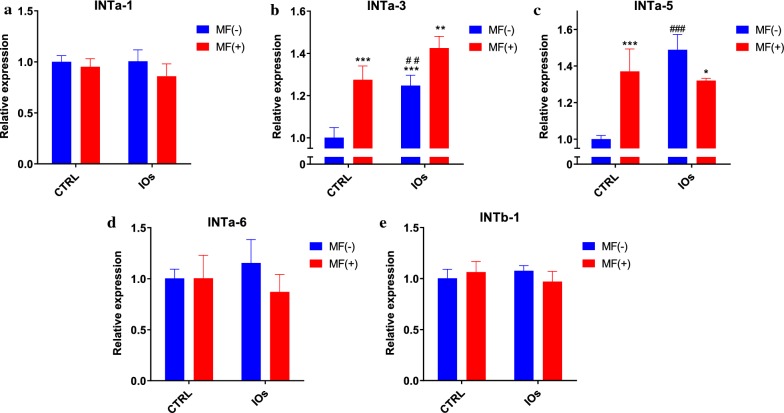
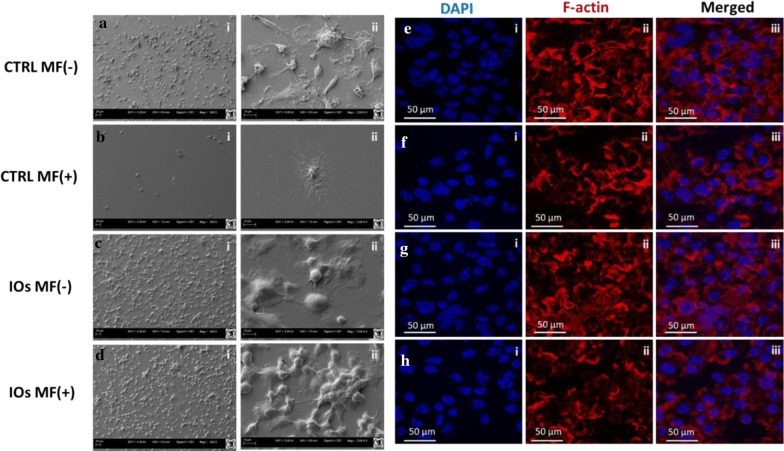
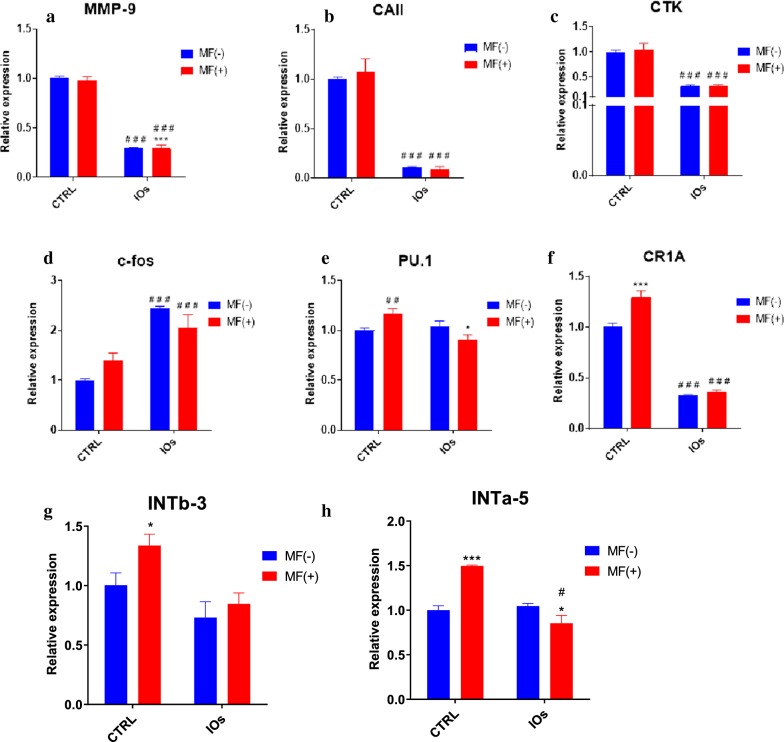
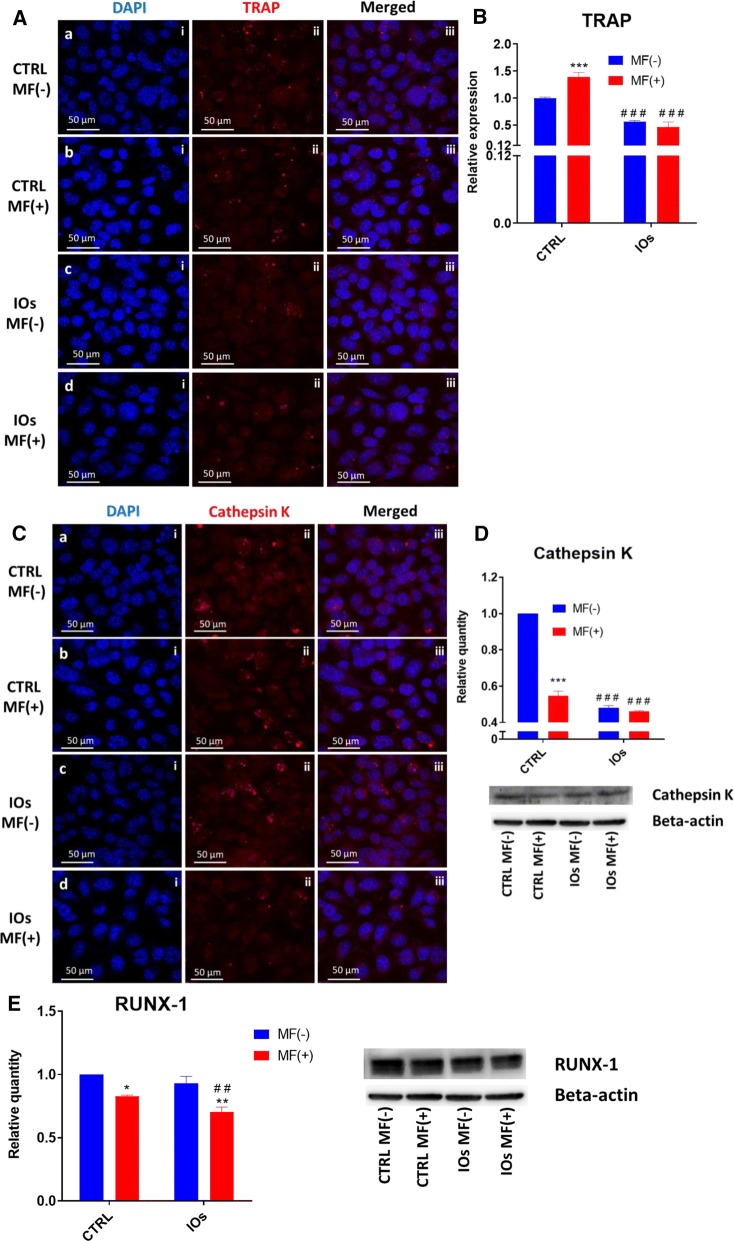
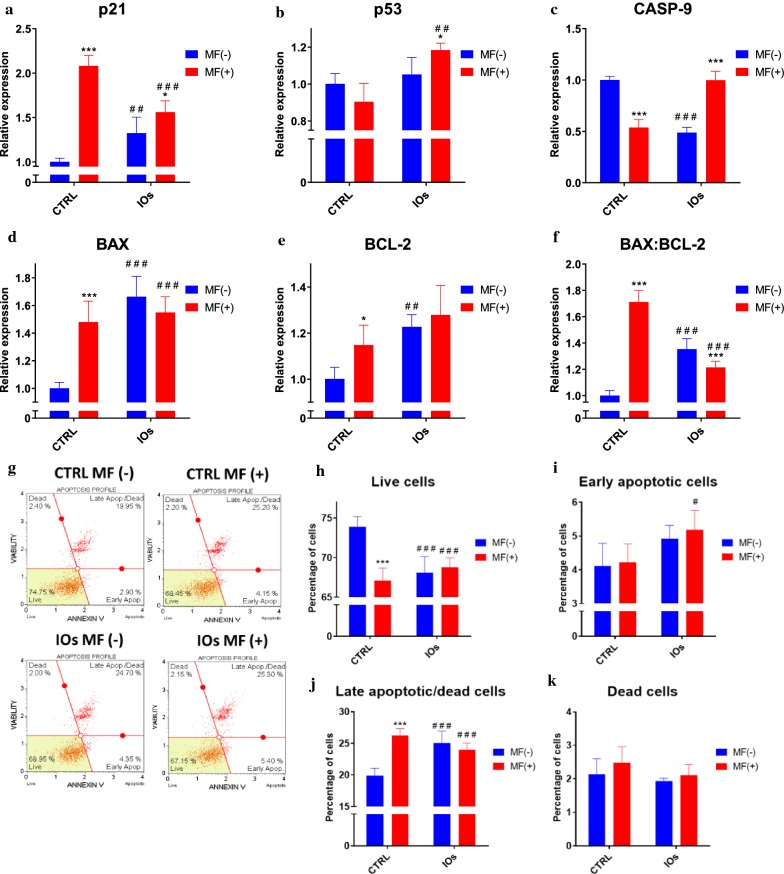
The α-FeO/γ-FeO nanocomposite (IOs) was prepared using the modified sol-gel method. The structural properties, size, morphology and Zeta-potential of the particles were studied by means of XRPD (X-ray powder diffraction), SEM (Scanning Electron Microscopy), PALS and DLS techniques. The identification of both phases was checked by the use of Raman spectroscopy and Mössbauer measurement. Moreover, the magnetic properties of the obtained IOs nanoparticles were determined. Then biological properties of material were investigated with osteoblast (MC3T3), osteoclasts (4B12) and macrophages (RAW 264.7) in the presence or absence of magnetic field, using confocal microscope, RT-qPCR, western blot and cell analyser. Here we have found that fabricated IOs: (i) do not elicit immune response; (ii) reduce inflammation; (iii) enhance osteogenic differentiation of osteoblasts; (iv) modulates integrin expression and (v) triggers apoptosis of osteoclasts.
Fabricated by our group α-FeO/γ-FeO nanocomposite may become an justified and effective therapeutic intervention during osteoporosis treatment.
骨质疏松症的患病率正在迅速增长,因此人们正在寻找新的治疗方法。然而,目前市场上还没有一种药物能够同时调节破骨细胞和成骨细胞的活性。因此,在本研究中,我们决定制备一种能够:(i)增强成骨细胞的成骨分化,(ii)降低破骨细胞的活性,(iii)减少促炎微环境的纳米复合材料。因此,我们预计制备的材料将能够抑制骨质疏松症期间的骨质流失。
采用改进的溶胶-凝胶法制备了α-FeO/γ-FeO 纳米复合材料(IOs)。采用 X 射线粉末衍射(XRPD)、扫描电子显微镜(SEM)、PALS 和 DLS 技术研究了颗粒的结构特性、尺寸、形态和 Zeta 电位。通过拉曼光谱和穆斯堡尔测量检查了两种相的鉴定。此外,还确定了所获得的 IOs 纳米颗粒的磁性能。然后,在存在或不存在磁场的情况下,使用共聚焦显微镜、RT-qPCR、western blot 和细胞分析仪,用成骨细胞(MC3T3)、破骨细胞(4B12)和巨噬细胞(RAW 264.7)研究了材料的生物学特性。在这里,我们发现制备的 IOs:(i)不会引起免疫反应;(ii)减少炎症;(iii)增强成骨细胞的成骨分化;(iv)调节整合素表达;(v)触发破骨细胞凋亡。
我们小组制备的α-FeO/γ-FeO 纳米复合材料可能成为骨质疏松症治疗的一种合理有效的治疗干预措施。