Jinga Sorin-Ion, Costea Claudiu-Constantin, Zamfirescu Andreea-Ioana, Banciu Adela, Banciu Daniel-Dumitru, Busuioc Cristina
Faculty of Applied Chemistry and Materials Science, University POLITEHNICA of Bucharest, RO-011061 Bucharest, Romania.
Faculty of Medical Engineering, University POLITEHNICA of Bucharest, RO-011061 Bucharest, Romania.
Polymers (Basel). 2020 Aug 12;12(8):1806. doi: 10.3390/polym12081806.
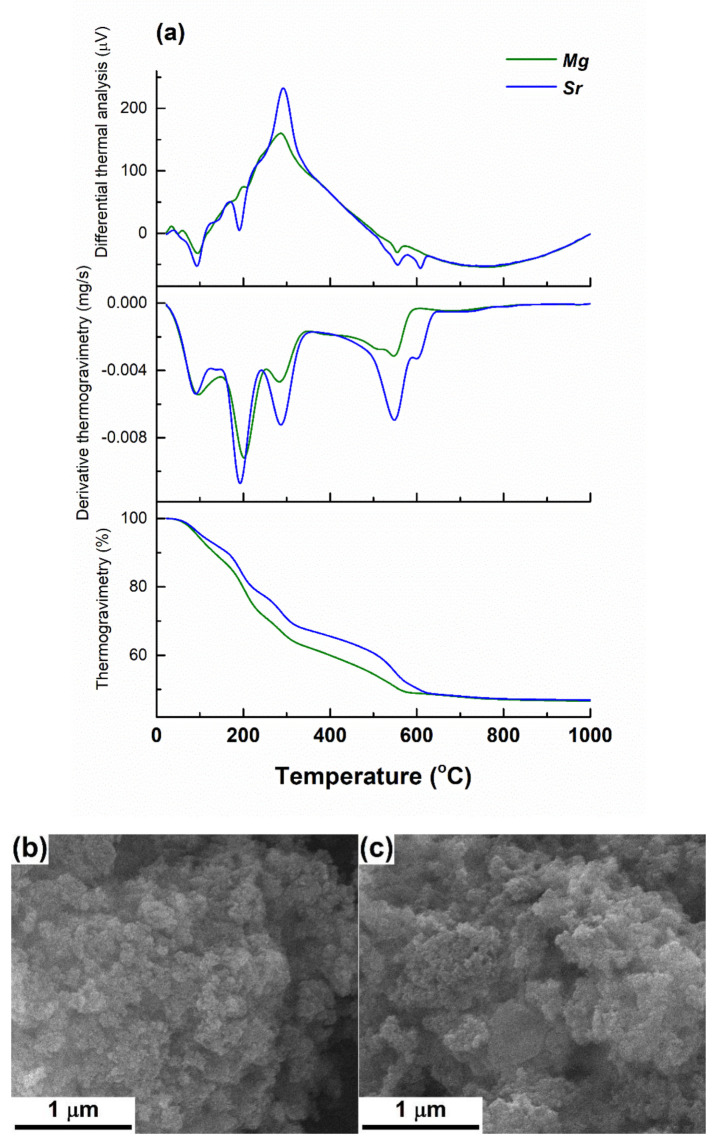
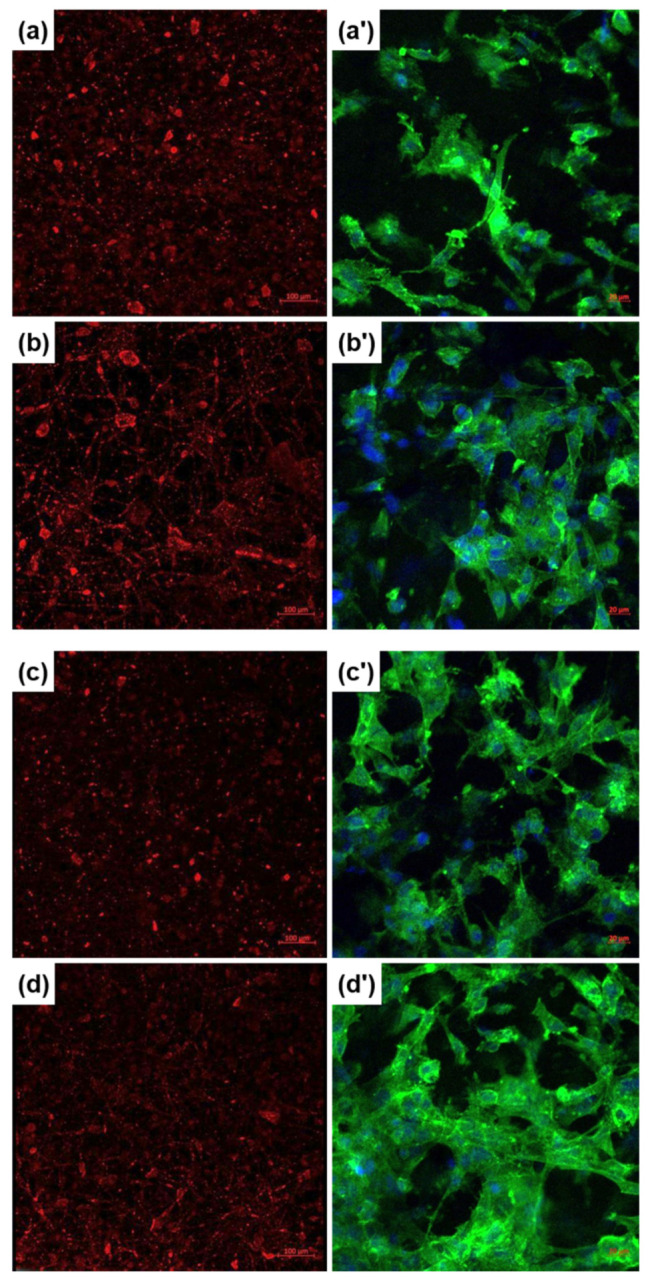
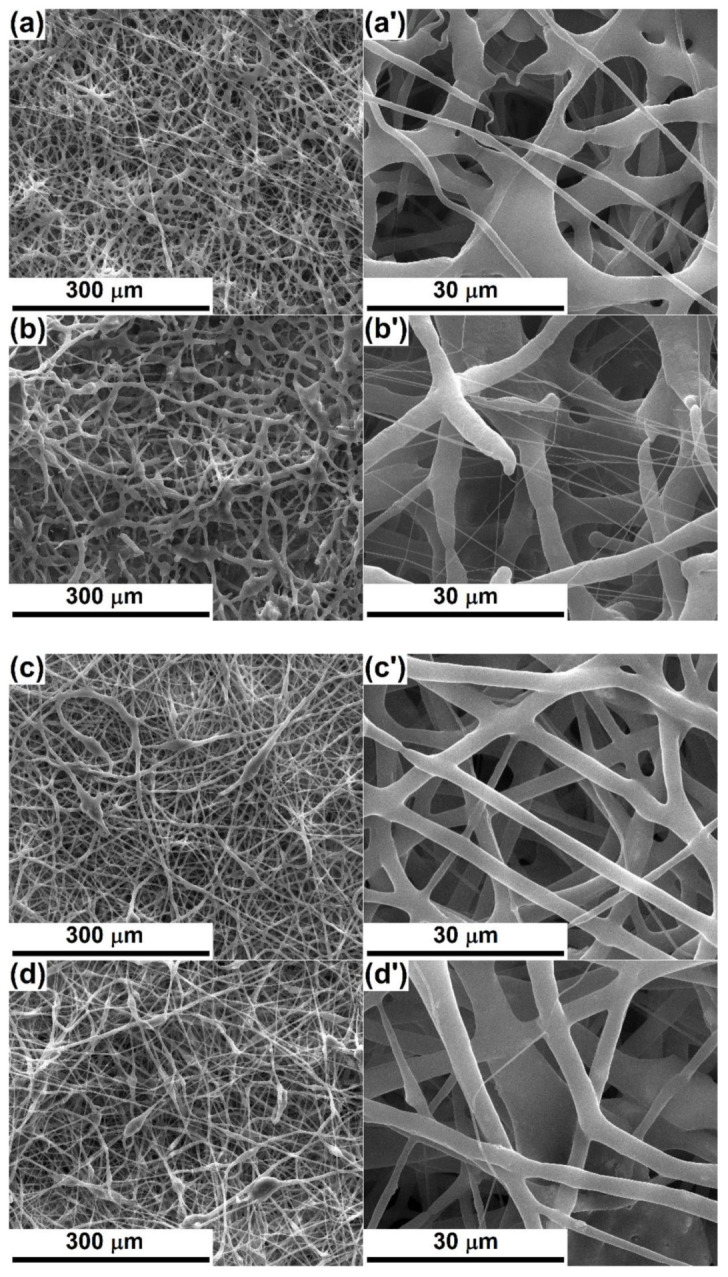
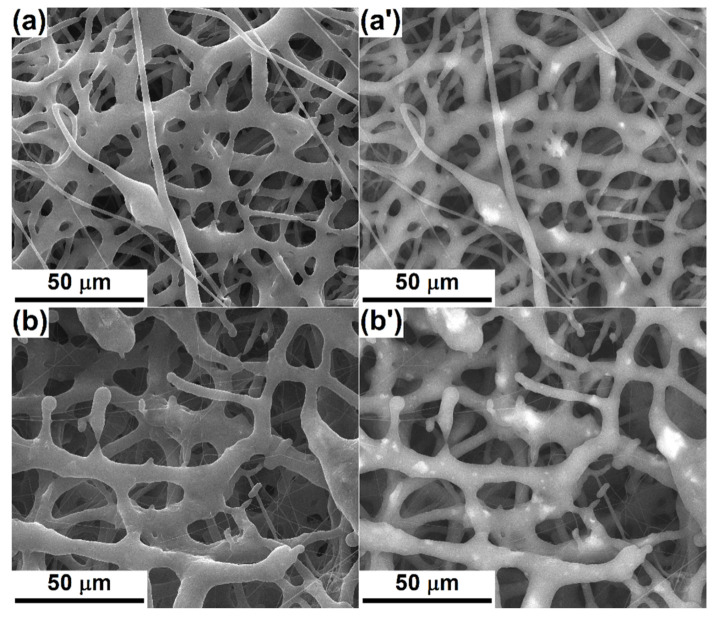
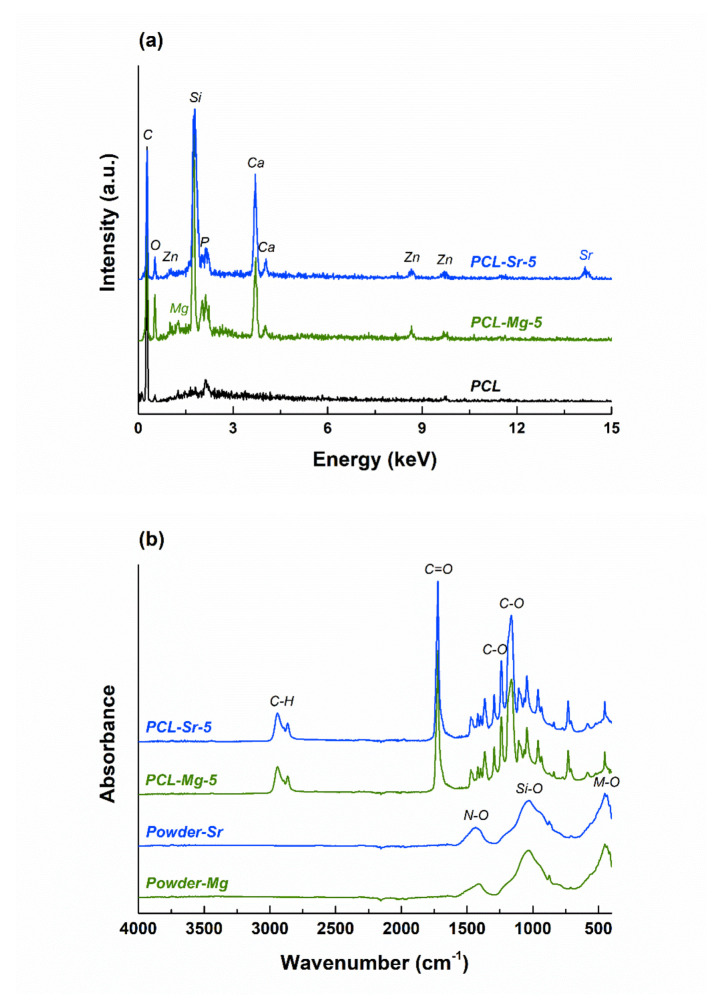
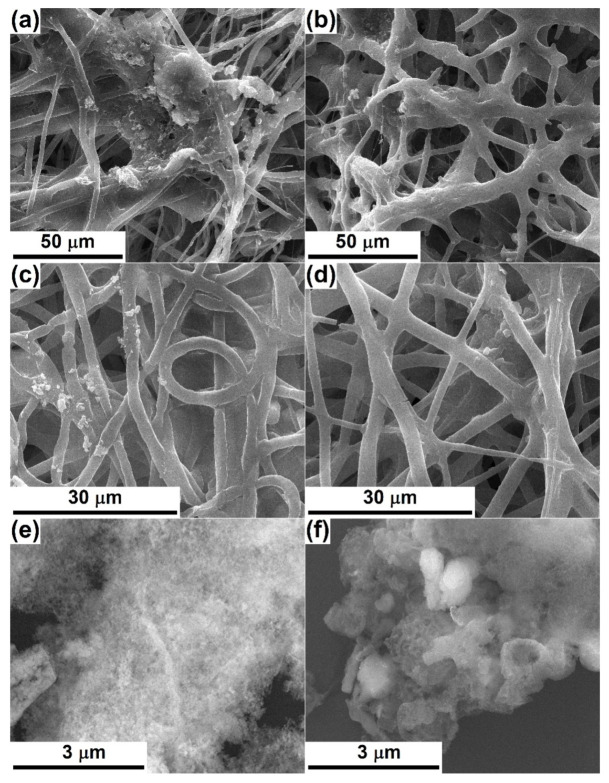
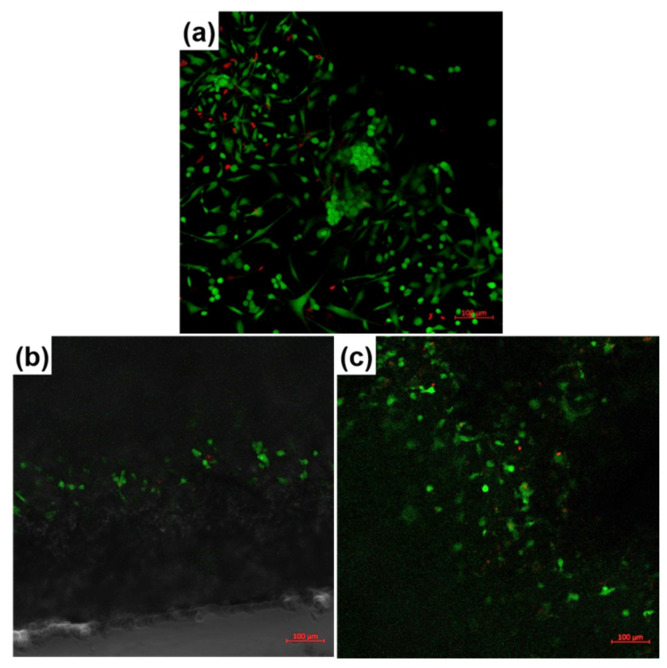
In this work, composite fibers connected in three-dimensional porous scaffolds were fabricated by electrospinning, starting from polycaprolactone and inorganic powders synthesized by the sol-gel method. The aim was to obtain materials dedicated to the field of bone regeneration, with controllable properties of bioresorbability and bioactivity. The employed powders were nanometric and of a glass-ceramic type, a fact that constitutes the premise of a potential attachment to living tissue in the physiological environment. The morphological characterization performed on the composite materials validated both the fibrous character and oxide powder distribution within the polymer matrix. Regarding the biological evaluation, the period of immersion in simulated body fluid led to the initiation of polymer degradation and a slight mineralization of the embedded particles, while the osteoblast cells cultured in the presence of these scaffolds revealed a spatial distribution at different depths and a primary networking tendency, based on the composites' geometrical and dimensional features.
在这项工作中,从聚己内酯和通过溶胶 - 凝胶法合成的无机粉末出发,通过静电纺丝制备了连接在三维多孔支架中的复合纤维。目的是获得专用于骨再生领域的材料,具有可控的生物可吸收性和生物活性。所使用的粉末是纳米级的玻璃陶瓷类型,这一事实构成了在生理环境中与活组织潜在附着的前提。对复合材料进行的形态表征证实了聚合物基质内的纤维特性和氧化物粉末分布。关于生物学评估,在模拟体液中的浸泡期导致聚合物降解的开始和嵌入颗粒的轻微矿化,而在这些支架存在下培养的成骨细胞基于复合材料的几何和尺寸特征显示出在不同深度的空间分布和初级网络化趋势。