Institute of Photonics and Nanotechnologies (IFN-CNR) CSMFO Laboratory and Fondazione Bruno Kessler (FBK) Photonics Unit, via alla Cascata 56/C, 38123 Povo Trento, Italy.
Indivenire Srl, via Alla Cascata 56/C, 38123 Povo Trento, Italy.
Sensors (Basel). 2020 Sep 7;20(18):5069. doi: 10.3390/s20185069.
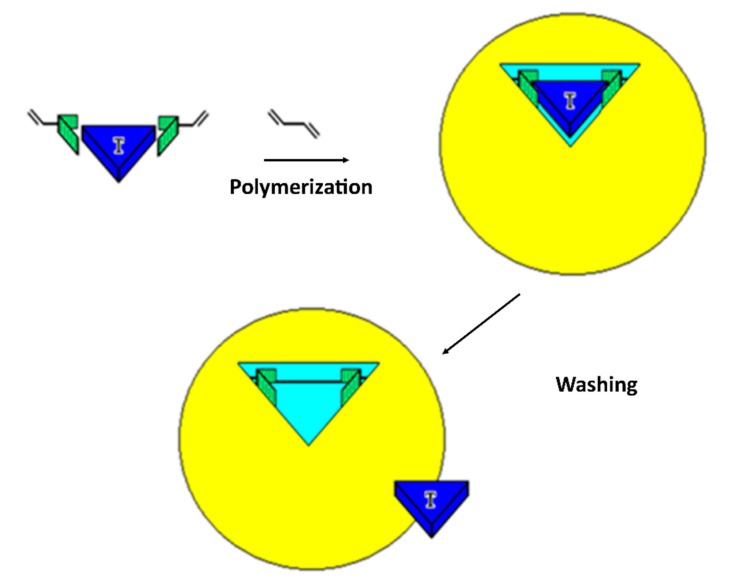
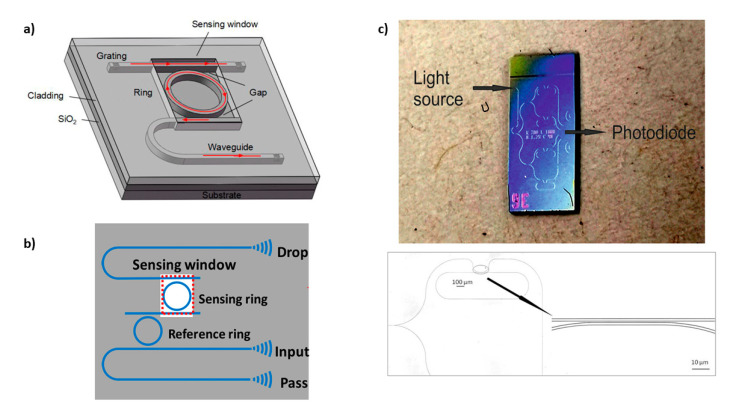
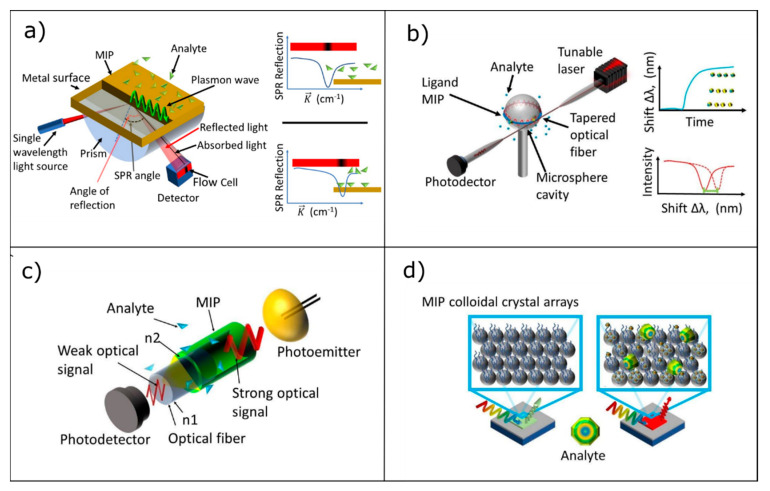
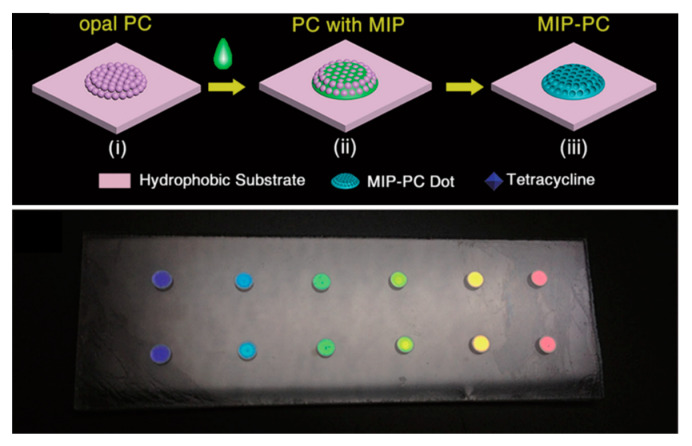
Optical sensing, taking advantage of the variety of available optical structures, is a rapidly expanding area. Over recent years, whispering gallery mode resonators, photonic crystals, optical waveguides, optical fibers and surface plasmon resonance have been exploited to devise different optical sensing configurations. In the present review, we report on the state of the art of optical sensing devices based on the aforementioned optical structures and on synthetic receptors prepared by means of the molecular imprinting technology. Molecularly imprinted polymers (MIPs) are polymeric receptors, cheap and robust, with high affinity and selectivity, prepared by a template assisted synthesis. The state of the art of the MIP functionalized optical structures is critically discussed, highlighting the key progresses that enabled the achievement of improved sensing performances, the merits and the limits both in MIP synthetic strategies and in MIP coupling.
光学传感利用各种可用的光学结构,是一个快速发展的领域。近年来, whispering gallery mode 谐振器、光子晶体、光波导、光纤和表面等离子体共振已被用于设计不同的光学传感配置。在本综述中,我们报告了基于上述光学结构和通过分子印迹技术制备的合成受体的光学传感器件的最新进展。分子印迹聚合物 (MIPs) 是一种通过模板辅助合成制备的具有高亲和力和选择性的廉价且坚固的聚合物受体。本文批判性地讨论了功能化光学结构的 MIP 最新进展,强调了实现改进的传感性能的关键进展,以及在 MIP 合成策略和 MIP 偶联方面的优点和限制。