Water Utilization and Environmental Engineering Division, Department of Chemical Engineering, University of Pretoria, Pretoria, 0002, South Africa.
Sci Rep. 2020 Oct 7;10(1):16680. doi: 10.1038/s41598-020-73497-z.
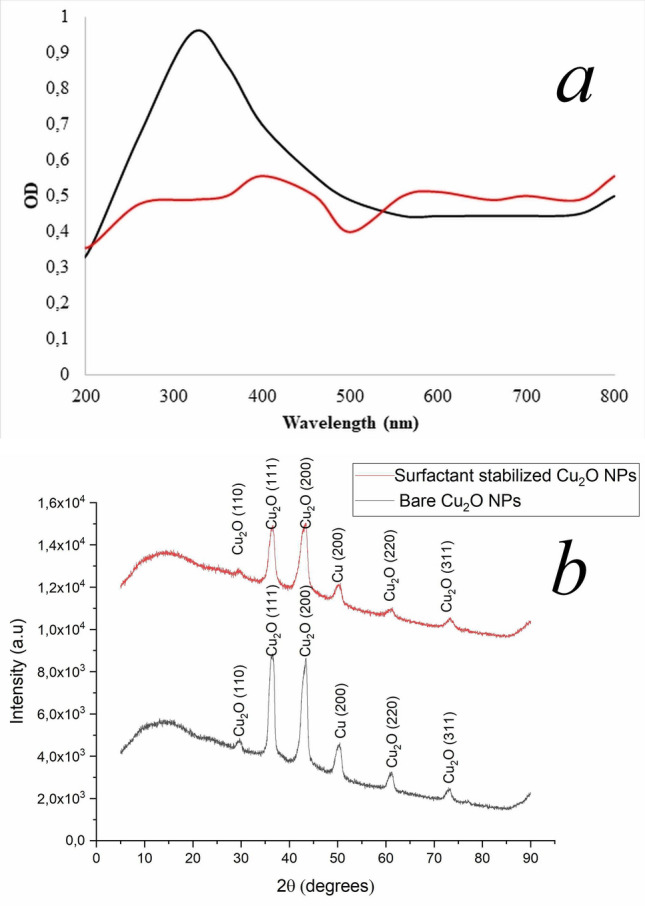
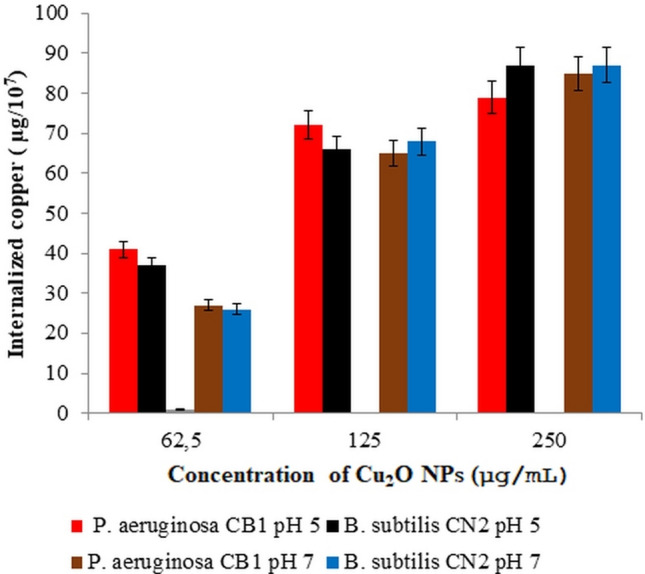
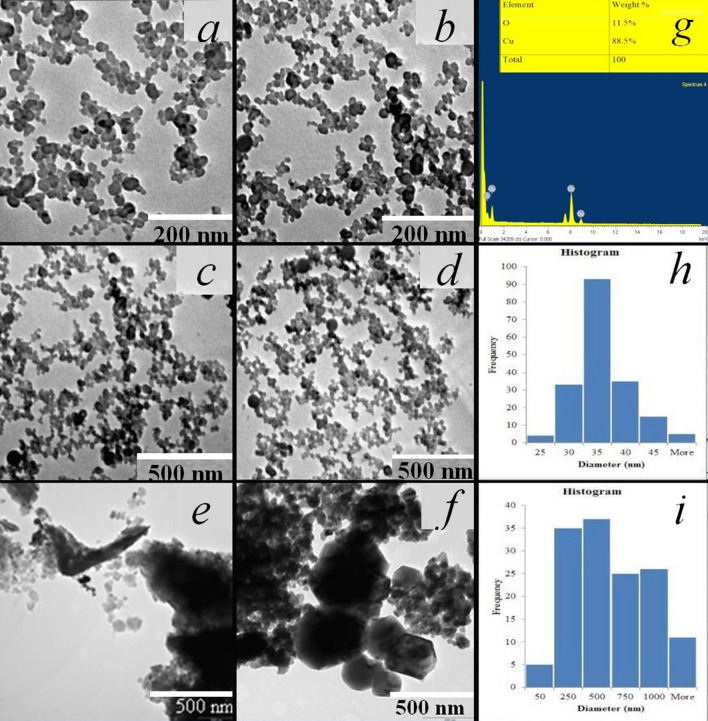
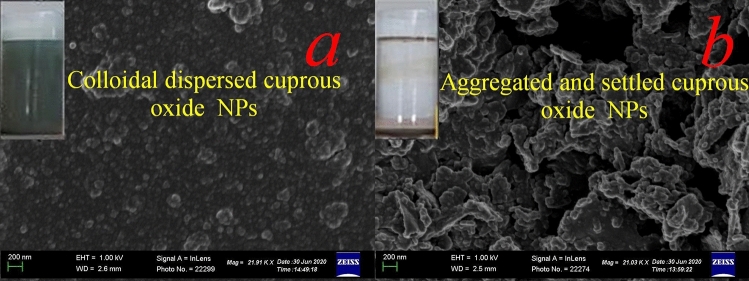
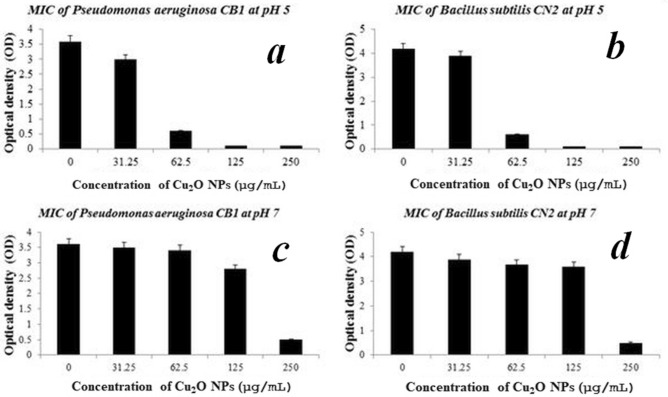
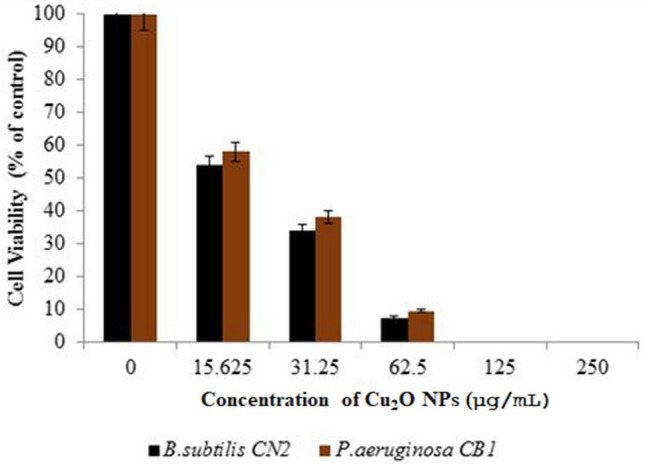
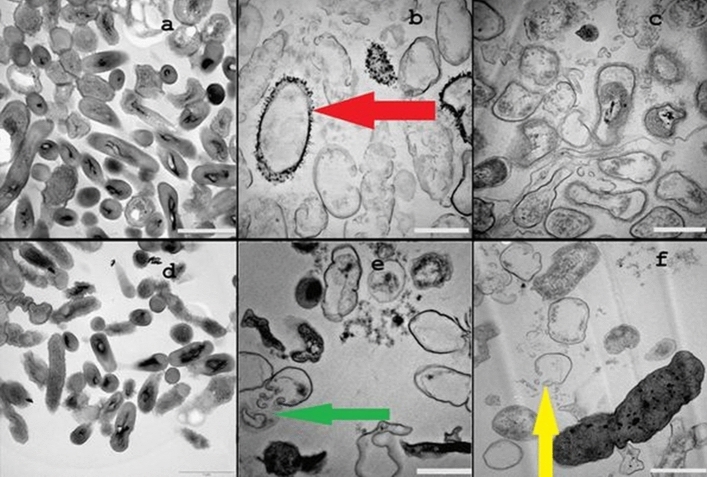
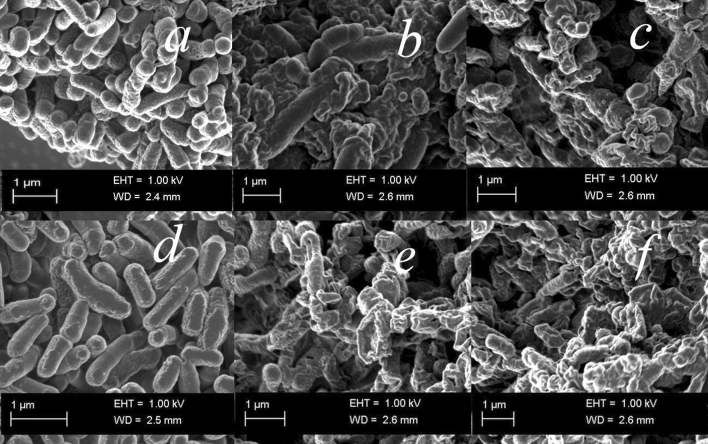
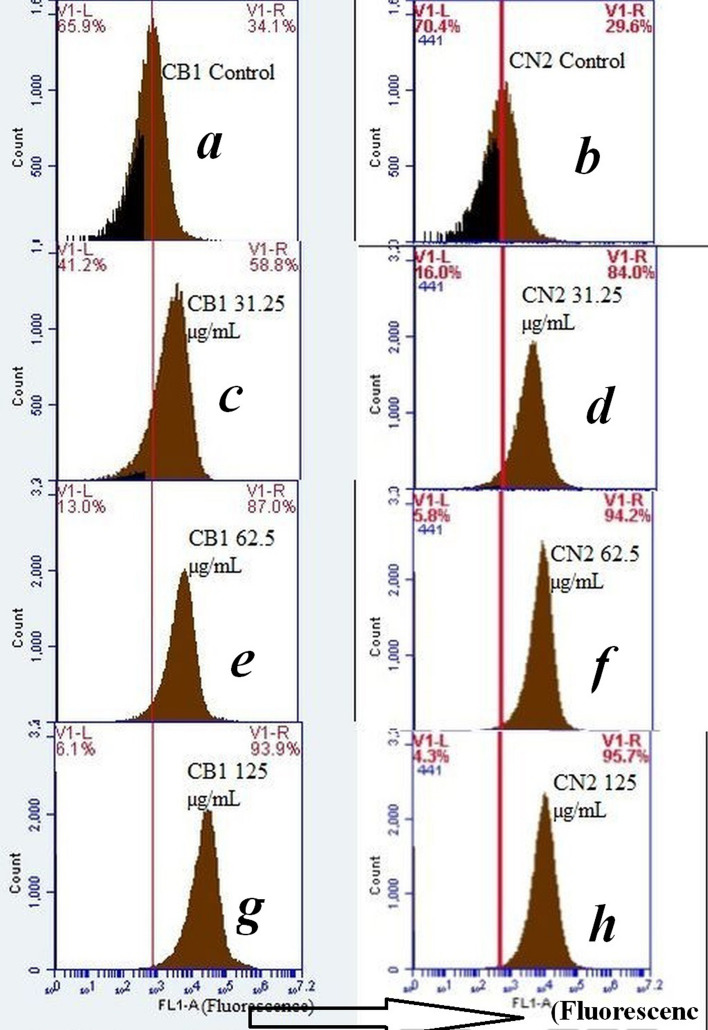
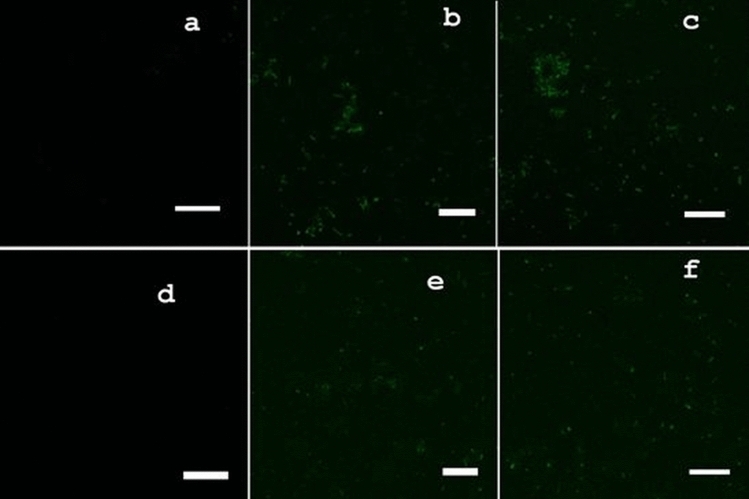
Cuprous oxide nanoparticles (CuO NPs) were fabricated in reverse micellar templates by using lipopeptidal biosurfactant as a stabilizing agent. Scanning electron microscopy (SEM), transmission electron microscopy (TEM), energy dispersive x-ray spectrum (EDX) and UV-Vis analysis were carried out to investigate the morphology, size, composition and stability of the nanoparticles synthesized. The antibacterial activity of the as-synthesized CuO NPs was evaluated against Gram-positive B. subtilis CN2 and Gram-negative P. aeruginosa CB1 strains, based on cell viability, zone of inhibition and minimal inhibitory concentration (MIC) indices. The lipopeptide stabilized CuO NPs with an ultra-small size of 30 ± 2 nm diameter exhibited potent antimicrobial activity against both Gram-positive and Gram-negative bacteria with a minimum inhibitory concentration of 62.5 µg/mL at pH5. MTT cell viability assay displayed a median inhibition concentration (IC) of 21.21 μg/L and 18.65 μg/mL for P. aeruginosa and B. subtilis strains respectively. Flow cytometric quantification of intracellular reactive oxygen species (ROS) using 2,7-dichlorodihydrofluorescein diacetate staining revealed a significant ROS generation up to 2.6 to 3.2-fold increase in the cells treated with 62.5 µg/mL CuO NPs compared to the untreated controls, demonstrating robust antibacterial activity. The results suggest that lipopeptide biosurfactant stabilized CuO NPs could have promising potential for biocompatible bactericidal and therapeutic applications.
采用脂肽类生物表面活性剂作为稳定剂,在反胶束模板中制备了氧化亚铜纳米颗粒(CuO NPs)。通过扫描电子显微镜(SEM)、透射电子显微镜(TEM)、能谱(EDX)和紫外-可见分析研究了所合成纳米颗粒的形貌、尺寸、组成和稳定性。基于细胞活力、抑菌圈和最小抑菌浓度(MIC)指数,评估了所合成的 CuO NPs 对革兰氏阳性枯草芽孢杆菌 CN2 和革兰氏阴性铜绿假单胞菌 CB1 菌株的抗菌活性。带正电荷的脂肽稳定的 CuO NPs 的粒径超小,为 30±2nm,对革兰氏阳性菌和革兰氏阴性菌均具有很强的抗菌活性,在 pH5 时的最小抑菌浓度为 62.5μg/mL。MTT 细胞活力测定显示,铜绿假单胞菌和枯草芽孢杆菌的半数抑制浓度(IC)分别为 21.21μg/L 和 18.65μg/mL。用 2,7-二氯二氢荧光素二乙酸酯染色对细胞内活性氧(ROS)进行流式细胞术定量,结果显示,与未处理对照相比,用 62.5μg/mL CuO NPs 处理的细胞中 ROS 生成显著增加了 2.6 至 3.2 倍,证明了其具有很强的抗菌活性。结果表明,脂肽生物表面活性剂稳定的 CuO NPs 可能具有潜在的生物相容性杀菌和治疗应用。