Mozaffari Abolfazl, Parvinzadeh Gashti Mazeyar, Mirjalili Mohammad, Parsania Masoud
Department of Textile and Polymer Engineering, Yazd Branch, Islamic Azad University, Yazd 14515-775, Iran.
Research and Development Laboratory, PRE Labs Inc., #100-2600 Enterprise Way, Kelowna, BC V1X 7Y5, Canada.
Membranes (Basel). 2021 Jan 2;11(1):31. doi: 10.3390/membranes11010031.
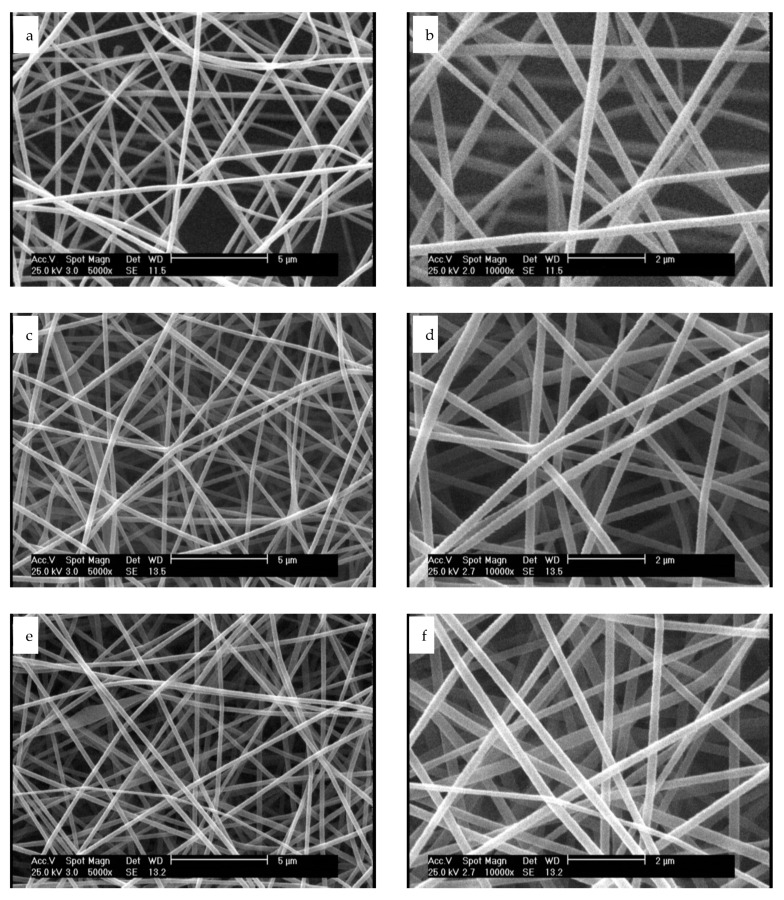
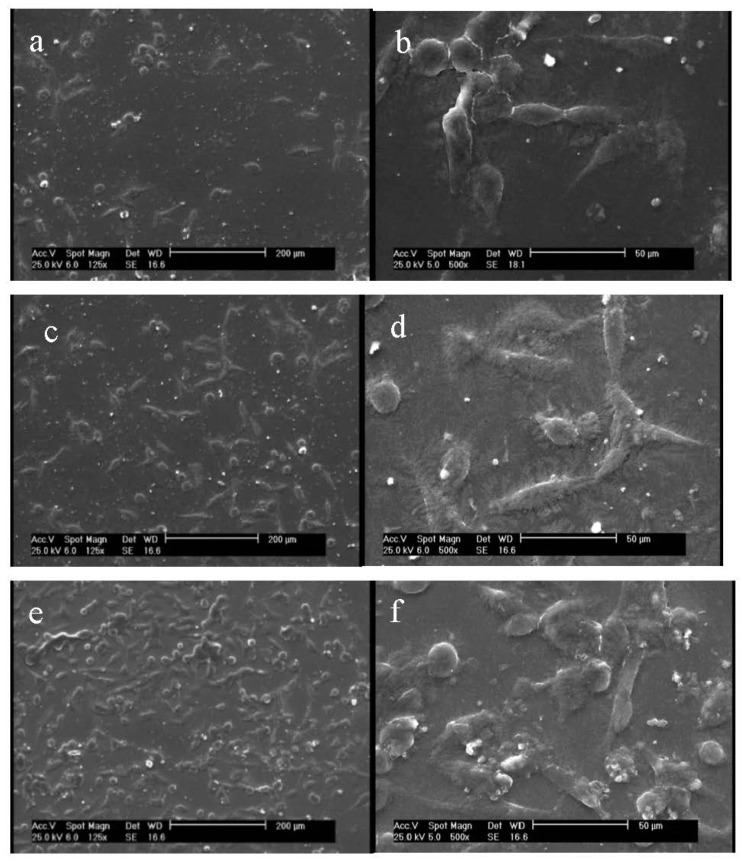
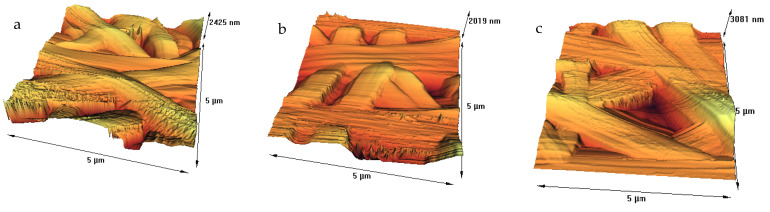
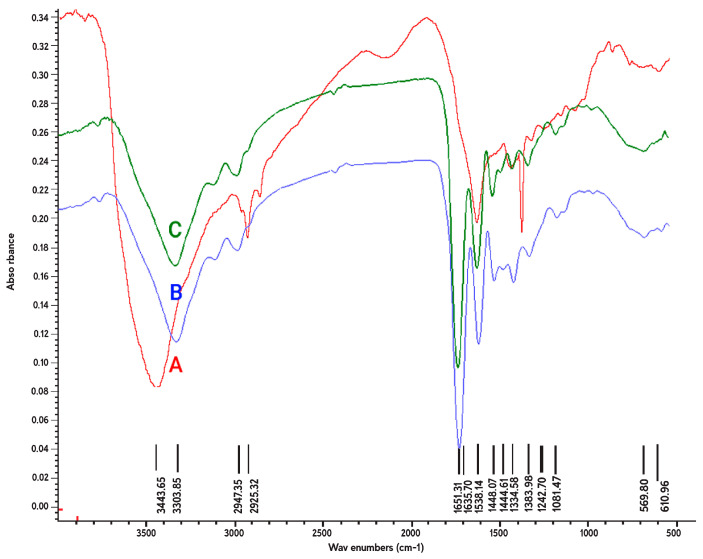
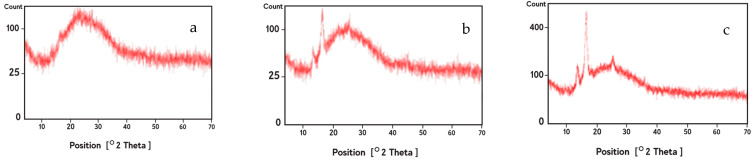
In the present study, we developed a novel approach for functionalization of gelatin nanofibers using the plasma method for tissue engineering applications. For this purpose, tannic acid-crosslinked gelatin nanofibers were fabricated with electrospinning, followed by treatment with argon and argon-oxygen plasmas in a vacuum chamber. Samples were evaluated by using scanning electron microscopy (SEM), atomic force microscopy (AFM), attenuated total reflection Fourier transform infrared (ATR-FTIR) spectroscopy, contact angle (CA) and X-ray diffraction (XRD). The biological activity of plasma treated gelatin nanofibers were further investigated by using fibroblasts as cell models. SEM studies showed that the average diameter and the surface morphology of nanofibers did not change after plasma treatment. However, the mean surface roughness (RMS) of samples were increased due to plasma activation. ATR-FTIR spectroscopy demonstrated several new bands on plasma treated fibers related to the plasma ionization of nanofibers. The CA test results stated that the surface of nanofibers became completely hydrophilic after argon-oxygen plasma treatment. Finally, increasing the polarity of crosslinked gelatin after plasma treatment resulted in an increase of the number of fibroblast cells. Overall, results expressed that our developed method could open new insights into the application of the plasma process for functionalization of biomedical scaffolds. Moreover, the cooperative interplay between gelatin biomaterials and argon/argon-oxygen plasmas discovered a key composition showing promising biocompatibility towards biological cells. Therefore, we strongly recommend plasma surface modification of nanofiber scaffolds as a pretreatment process for tissue engineering applications.
在本研究中,我们开发了一种使用等离子体方法对明胶纳米纤维进行功能化的新方法,用于组织工程应用。为此,通过静电纺丝制备了单宁酸交联的明胶纳米纤维,然后在真空室中用氩气和氩氧等离子体进行处理。通过扫描电子显微镜(SEM)、原子力显微镜(AFM)、衰减全反射傅里叶变换红外(ATR-FTIR)光谱、接触角(CA)和X射线衍射(XRD)对样品进行了评估。以成纤维细胞为细胞模型,进一步研究了等离子体处理的明胶纳米纤维的生物活性。SEM研究表明,等离子体处理后纳米纤维的平均直径和表面形态没有变化。然而,由于等离子体活化,样品的平均表面粗糙度(RMS)增加。ATR-FTIR光谱显示,等离子体处理的纤维上出现了几个与纳米纤维等离子体电离有关的新谱带。CA测试结果表明,氩氧等离子体处理后纳米纤维表面变得完全亲水。最后,等离子体处理后交联明胶极性的增加导致成纤维细胞数量增加。总体而言,结果表明我们开发的方法可以为等离子体工艺在生物医学支架功能化中的应用开辟新的思路。此外,明胶生物材料与氩/氩氧等离子体之间的协同相互作用发现了一种对生物细胞具有良好生物相容性的关键成分。因此,我们强烈推荐对纳米纤维支架进行等离子体表面改性作为组织工程应用的预处理工艺。